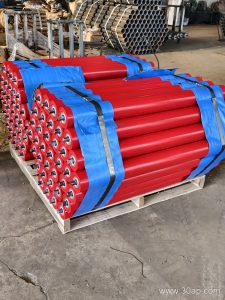
What a Mining Conveyor Pulley Does
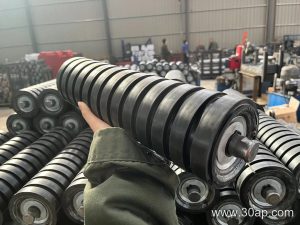
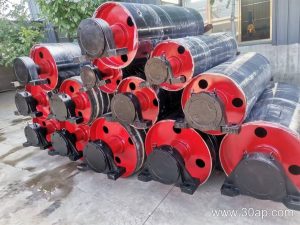
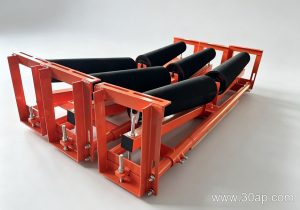
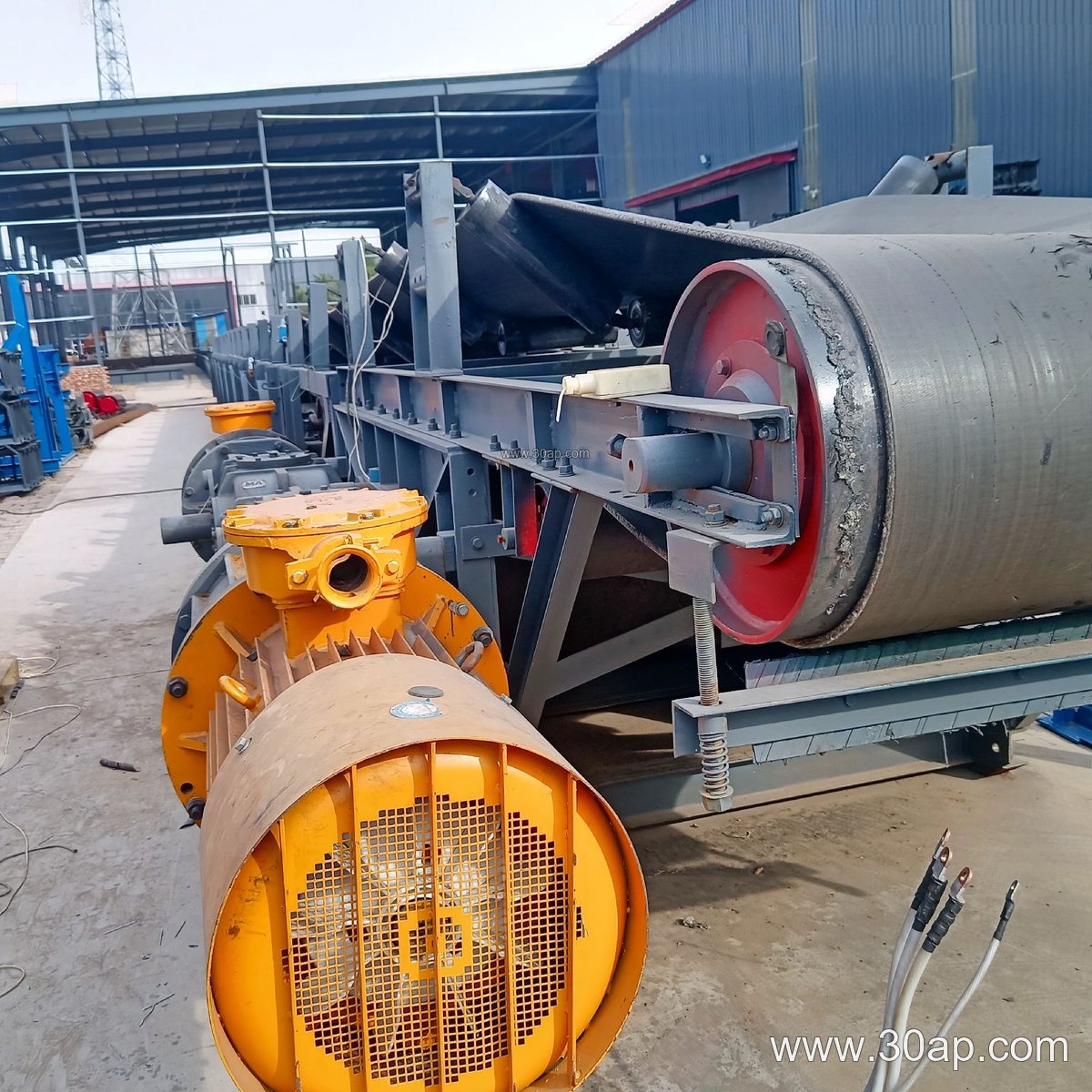
A mining conveyor pulley is the cylindrical component that drives, tensions, or redirects the conveyor belt in bulk material handling systems. In a quarry, limestone mine, or cement plant, these pulleys work under constant dust, abrasive fines, and heavy loads. The pulley transfers torque from the drive system to the belt through friction, while tail and bend pulleys maintain belt alignment and tension. Unlike an idler roller that supports the belt along its carry and return runs, the pulley is a primary power and guidance element, so its construction and surface treatment directly affect belt life and system uptime.
Construction and Surface Options
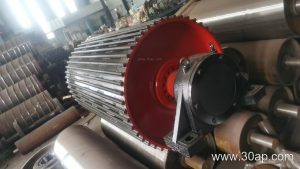
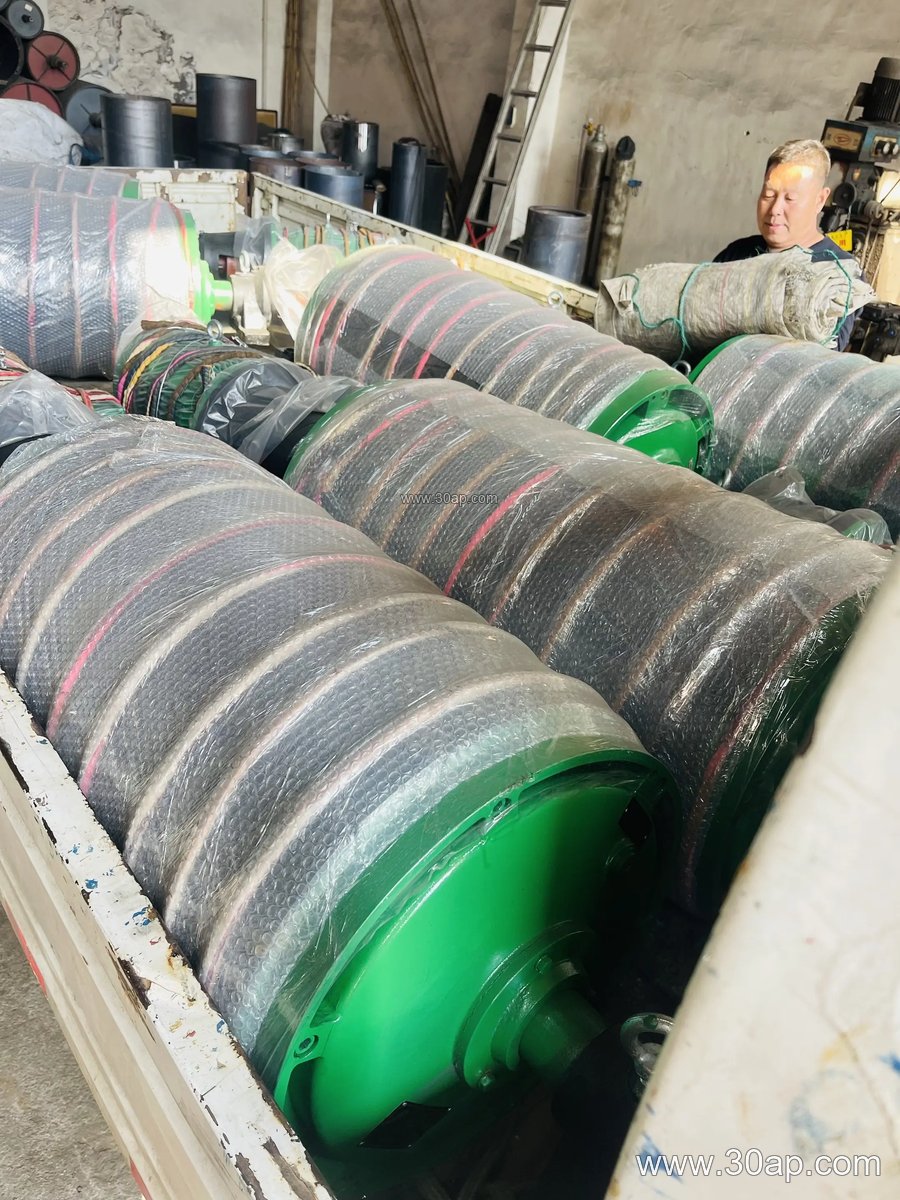
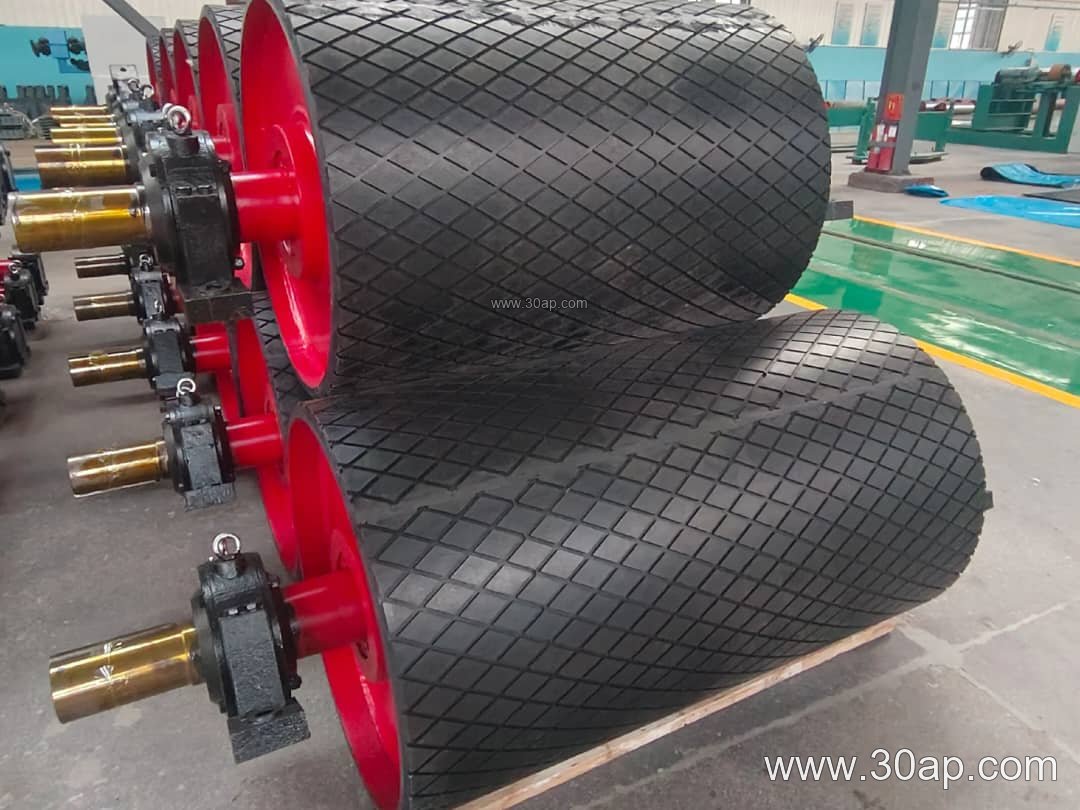
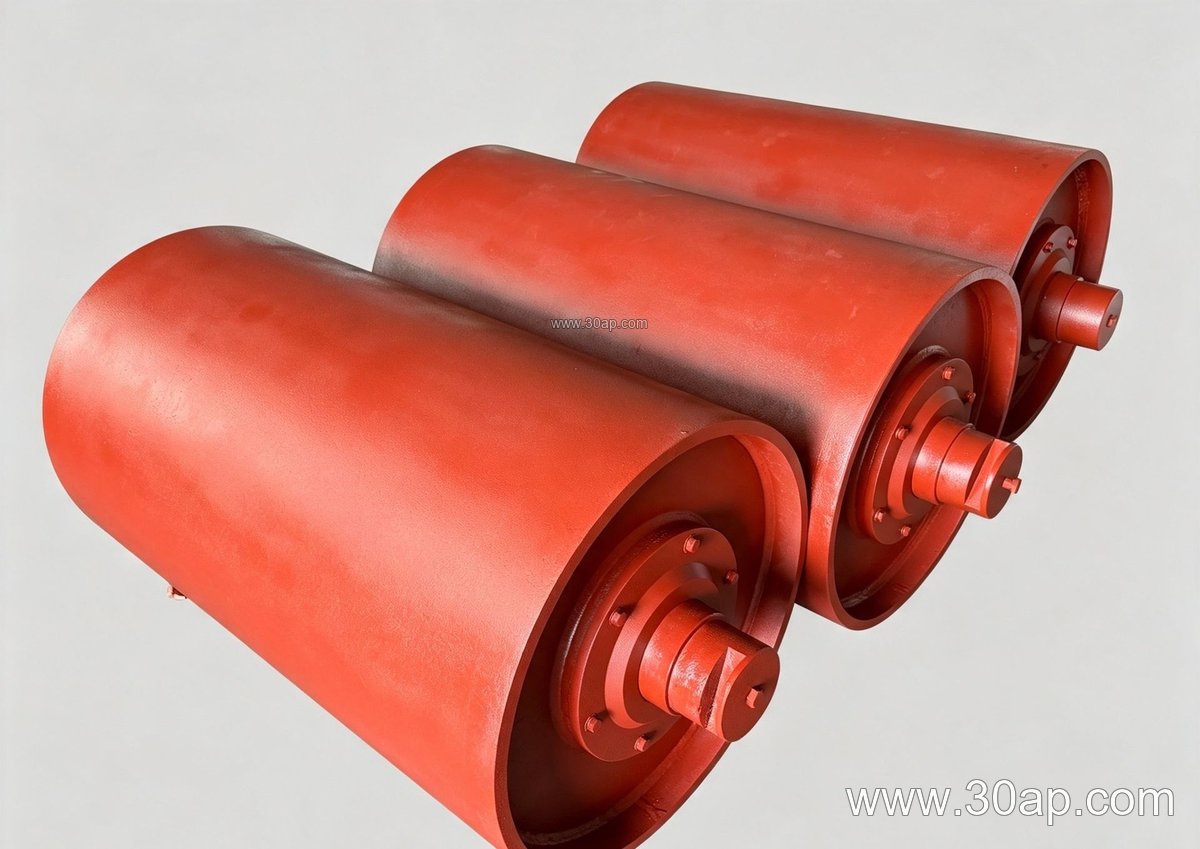
A typical mining conveyor pulley consists of a steel drum shell, end discs, a shaft, and bearing housings. The shell thickness and shaft diameter are determined by the torque and radial loads of the specific conveyor, not by belt width alone. Surface forms include plain, cast rubber, cold-bonded rubber, hot vulcanized rubber, diamond grooved, herringbone grooved, ceramic lagging, and flat rubber. Lagging thickness commonly ranges from 8 mm to 20 mm. For abrasive aggregate or wet coal, diamond or ceramic lagging can improve grip; for general service, plain or flat rubber may be sufficient. The pulley face width is usually wider than the belt, for example B800 may use a face around 950 mm and B1200 around 1400 mm, but the final dimensions follow the conveyor design.
Common Reference Dimensions
The table below lists typical reference values, not mandatory combinations. Diameter and shaft size are selected by the engineer based on belt tension, speed, and load.
| Belt Width | Typical Pulley Face Width | Common Diameter Range | Common Shaft Diameter Range |
|---|---|---|---|
| B500 | ~600 mm | Ø200–Ø400 | Ø50–Ø80 |
| B650 | ~750 mm | Ø250–Ø500 | Ø60–Ø100 |
| B800 | ~950 mm | Ø315–Ø630 | Ø70–Ø120 |
| B1000 | ~1150 mm | Ø400–Ø800 | Ø80–Ø140 |
| B1200 | ~1400 mm | Ø500–Ø1000 | Ø90–Ø160 |
| B1400 | ~1600 mm | Ø630–Ø1250 | Ø100–Ø180 |
| B1600 | ~1800 mm | Ø800–Ø1400 | Ø120–Ø200 |
Examples such as B1200 × Ø1000 or B800 × Ø500 show one possible pairing; they do not mean every B1200 belt must use a Ø1000 pulley. Shaft diameter is confirmed by torque calculation and bearing selection.
Where It Is Used
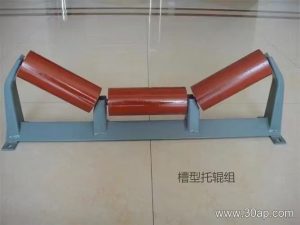
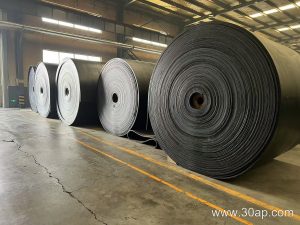
Mining conveyor pulleys appear in primary crushing circuits, overland conveyors, and transfer points at limestone mines and copper concentrators. In a coal preparation plant, head pulleys discharge washed coal while tail pulleys keep the belt tracking. In a sand and gravel line, bend pulleys route the belt around structural obstacles. The pulley must match the conveyor bracket and bearing housing interface, and it should be aligned with the idler roller frames to avoid edge wear on the conveyor belt.
Buyer Checklist
- Confirm the pulley position (head, tail, bend, take-up) and the required function; drive, tail, and bend pulleys are not interchangeable.
- Provide belt width, belt speed, material characteristics, and expected tension so the supplier can verify shell and shaft sizing.
- Specify lagging type and thickness based on grip and wear conditions; avoid choosing ceramic lagging for small-diameter pulleys where belt stiffness matters.
- Check bearing type, sealing arrangement, and lubrication access for dusty environments.
- Verify face width, keyway, and mounting dimensions against the conveyor bracket and drive frame.
For any mining conveyor pulley inquiry, share the application details rather than a single size. A correctly specified pulley protects the conveyor belt, reduces downtime, and keeps the entire bulk handling line running smoothly.