What an Integral Pulley Is
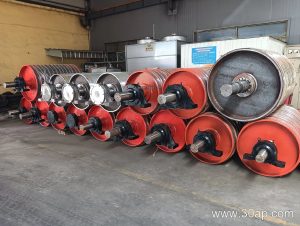
An integral pulley is a conveyor pulley whose shell, end discs and hub are joined into a single continuous body, usually by welding, rather than assembled from separate bolted components. In a belt conveyor the pulley is the rotating drum that carries and drives the conveyor belt, and the integral design keeps that drum rigid and compact under load. Buyers browsing drum and roller catalogs often meet this product under the equivalent name welded drum pulley, since the shell and end plates form one welded unit.
The integral construction is common in bulk handling lines where steady alignment and long service life matter. A cement plant clinker line, a power plant coal yard or a quarry aggregate circuit all rely on these drums to keep the belt tracking correctly and transmitting torque without looseness at the joints.
How the Drum Is Built
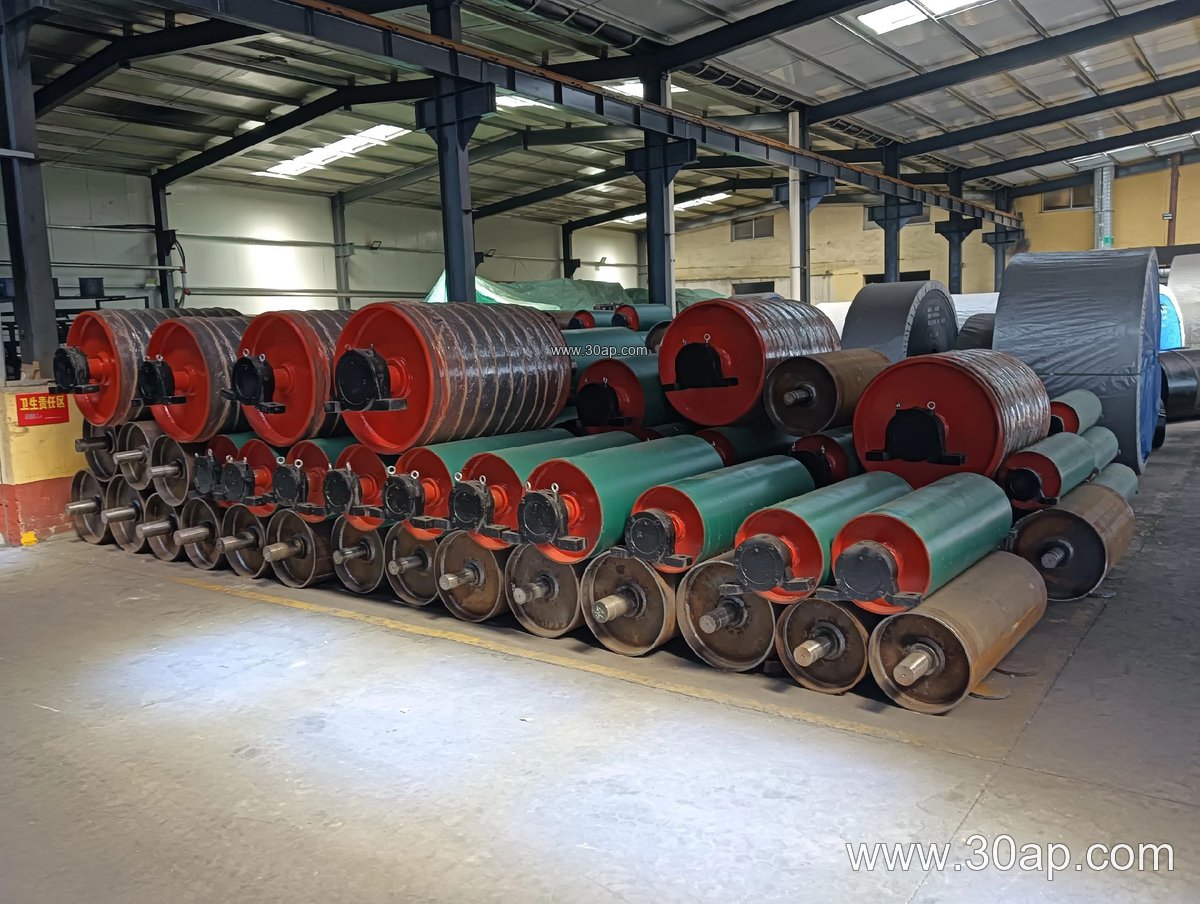
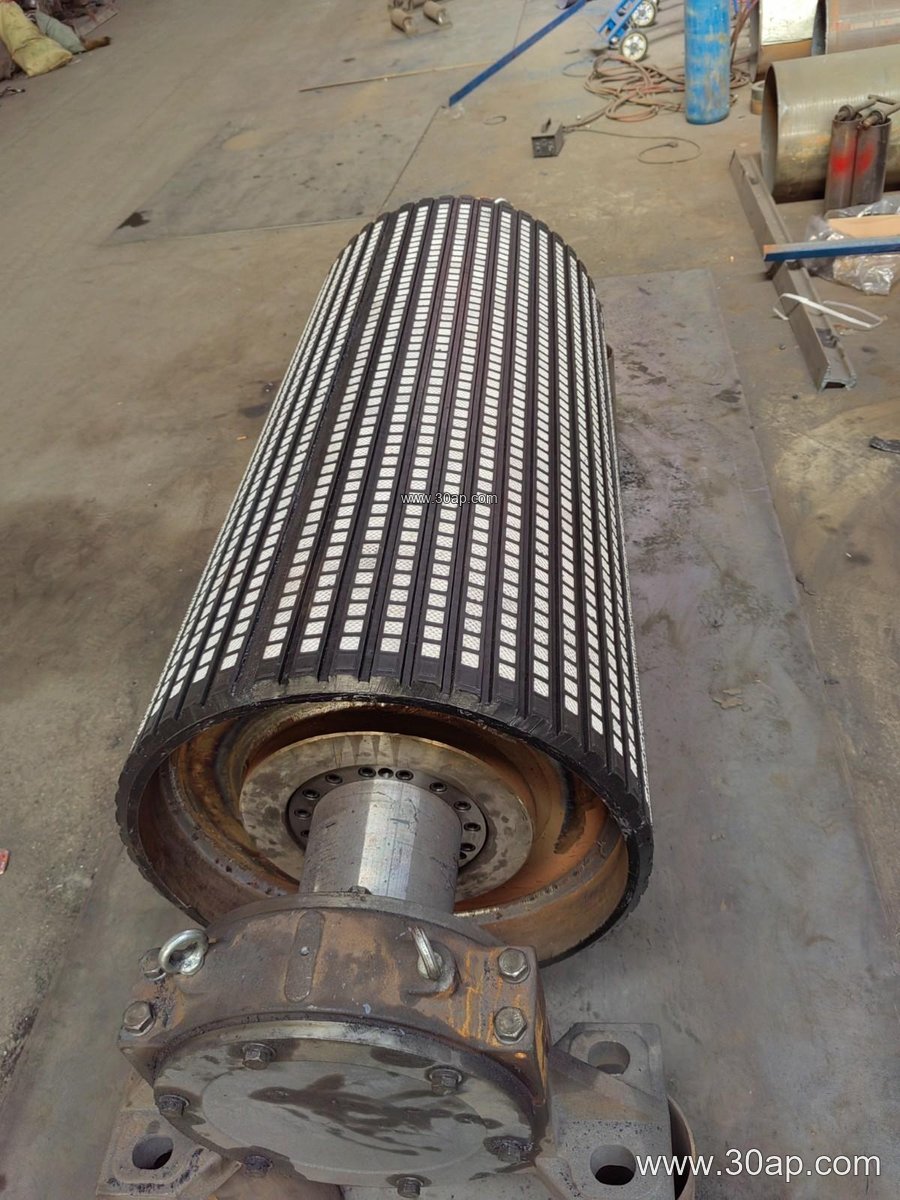
A typical integral pulley consists of a rolled steel shell, two end discs welded to the shell, a hub or shaft connection, and a bearing assembly housed in the end discs or in separate bearing housings. The shaft is keyed or shrink-fitted to the hub, and the whole body is machined after welding so the shell runs true. Surface treatment then follows: plain finish, cast rubber, cold-bonded rubber, hot-vulcanized rubber, diamond grooving, herringbone grooving, ceramic lagging or a flat rubber sheet. Lagging thickness commonly runs 8, 10, 12, 15 or 20 mm depending on grip and wear requirements.
Because the body is welded as one piece, the drum resists distortion better than a split design and is easier to balance. That matters on a high-tension main drive where even a small runout can shorten belt life. The same body style appears as a drive pulley at the head end, a tail pulley at the return end, a bend pulley on a redirecting run, and a take-up or tension pulley on the tensioning station.
Where It Fits in a Conveyor
Position determines duty. A head or drive pulley transmits motor torque into the belt, so its lagging and shaft size are chosen for the calculated torque and wrap angle. A tail pulley turns the belt at the loading end and often carries impact and abrasive dust. A bend pulley changes belt direction without driving, and a take-up pulley maintains tension as the belt stretches.
These roles are not interchangeable. A drive pulley is selected for traction and torque, while a tail pulley is selected for guidance and wear resistance, and a bend pulley mainly for direction change. Comparing them helps explain why one integral drum may carry thick diamond lagging and another may stay plain.
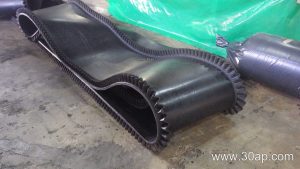
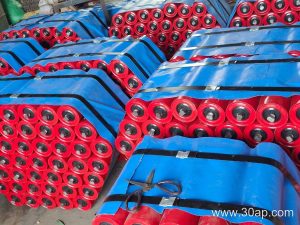
The drum works together with the conveyor belt, conveyor pulley assemblies, idler roller sets and conveyor bracket supports. In a coal mining or underground coal mining conveyor, a flame retardant conveyor belt and an abrasion resistant conveyor belt are often paired with lagged drums, while a steel cord conveyor belt or EP conveyor belt on a long overland run places higher demands on pulley balance and shaft strength.
Common Sizes and Combinations
Dimensions are set by design, not by a fixed rule. Belt width and pulley diameter are separate choices, and one belt width can match several diameters. The table below shows typical reference ranges that help in early planning.
| Item | Common reference values |
|---|---|
| Belt width | B400, B500, B650, B800, B1000, B1200, B1400, B1600, B1800, B2000 |
| Pulley diameter | Ø200, Ø250, Ø315, Ø400, Ø500, Ø630, Ø800, Ø1000, Ø1250, Ø1400 |
| Face width versus belt | Face usually wider than belt, e.g. B800 about 950 mm, B1200 about 1400 mm, B1600 about 1800 mm |
| Shaft diameter | Ø50, Ø60, Ø70, Ø80, Ø90, Ø100, Ø120, Ø140, Ø160, Ø180, Ø200 |
| Lagging thickness | 8, 10, 12, 15, 20 mm |
A B800 × Ø500 drum and a B1200 × Ø1000 drum are both realistic combinations, but neither fixes the other. Shaft diameter follows torque and bearing load, so it should be confirmed from the conveyor calculation rather than copied from belt width.
What Buyers Should Check
- Confirm the drum role: drive, tail, bend, take-up or snub, since each has different traction and load expectations.
- Match lagging to the material: ceramic or diamond lagging for wet, abrasive ore; plain or thin rubber where buildup is a concern.
- Verify shaft size against torque and radial load, and check bearing type and sealing for dusty sites such as a crushing and screening plant or a port bulk terminal.
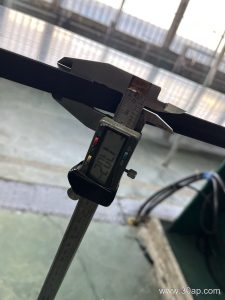
- Ask for dynamic balance and runout data, especially for wide drums on high-speed belts.
- Check face width against the actual belt, allowing for tracking tolerance.
For related equipment, coordinate the drum with the conveyor belt specification, the conveyor pulley layout and the supporting conveyor bracket so the whole station aligns. Whether the line handles iron ore, limestone, grain or fertilizer, a well-matched integral pulley keeps the belt centered and the drive efficient.