What a Conveyor Bracket Is and Why Its Price Matters
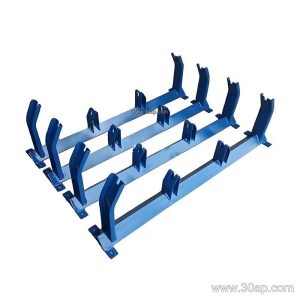
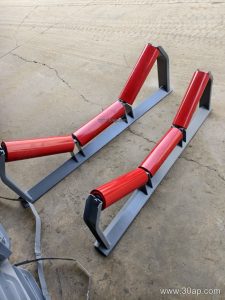
A conveyor bracket is the structural support that holds idler rollers in position along a conveyor frame. It carries the weight of the belt and the material being transported, so its design and material quality directly affect the service life of the whole conveyor line. When buyers ask about conveyor bracket price, they are usually comparing fabricated steel supports for troughing, return, and transition positions on a bulk handling system.
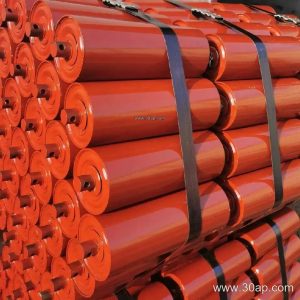
The price of this component is rarely a single number. It depends on the bracket type, the belt width it is built for, the trough angle, the roller diameter it accepts, the steel section used, and the surface treatment. A light-duty return bracket for a small aggregate line and a heavy fabricated troughing bracket for an iron ore plant are very different products, so their quotations should not be compared directly.
How the Bracket Is Built
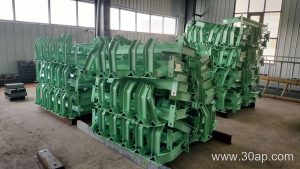
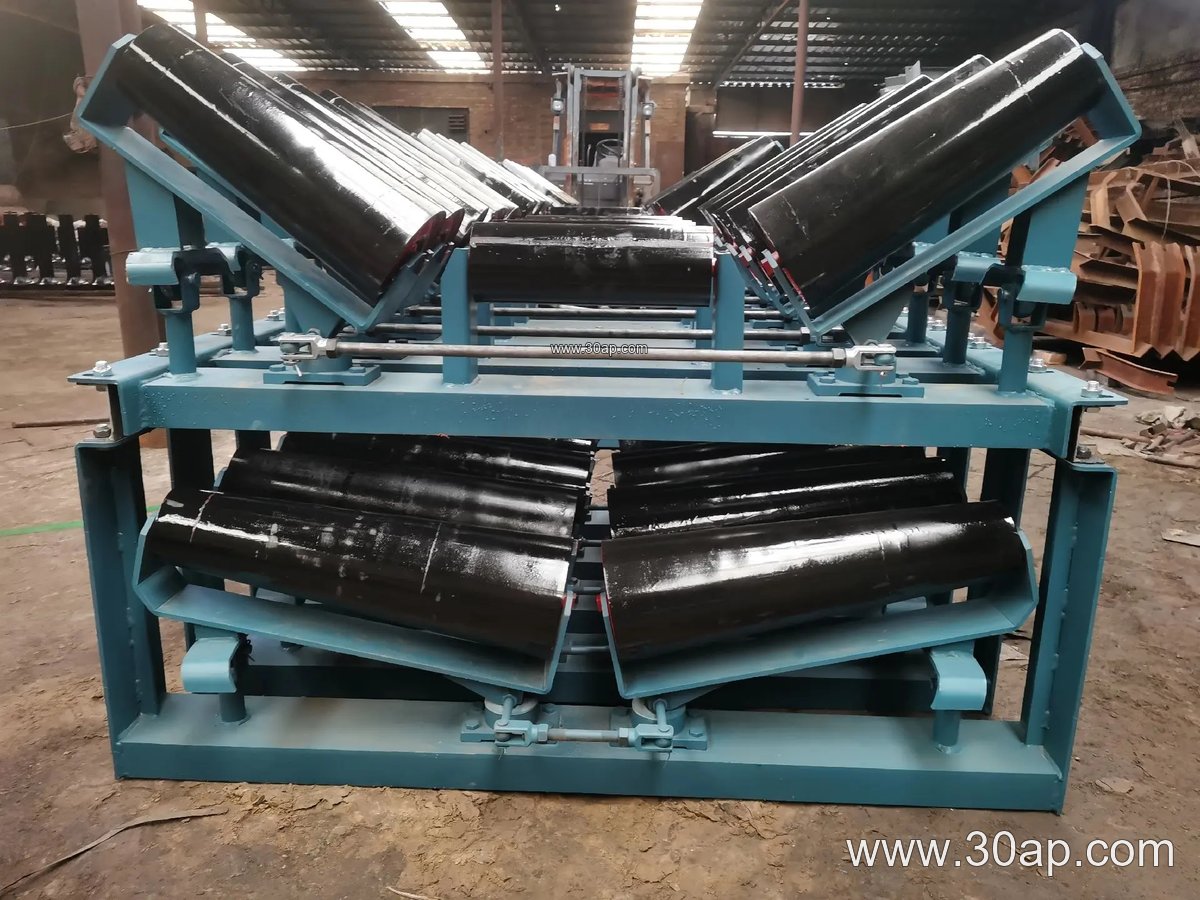
Most brackets are fabricated from angle steel, channel steel, or folded steel plate. The frame is cut and drilled to match the mounting holes of the idler roller, then welded or bolted into a rigid assembly. Common configurations include upper troughing brackets, transition brackets, return brackets, V-return brackets, impact brackets, self-aligning brackets, and adjustable brackets. Each has a different amount of steel and machining, and that is one of the main reasons conveyor bracket price varies between designs.
Adjustable brackets allow the trough angle to be set between positions such as 20, 30, 35, and 45 degrees. Fixed brackets are welded at one angle. Because adjustable units need extra slots, pivots, and hardware, they usually cost more than a simple fixed support of the same belt width.
Where These Supports Are Used
You will find them on nearly every belt conveyor in a quarry, a limestone mine, a cement plant, or a power plant coal yard. In a crushing and screening line, troughing brackets keep the belt in a stable profile under heavy rock loads, while return brackets support the empty side of the belt. In a coal washing plant, flame retardant and anti-static belt grades are common, and the brackets must be compatible with the same roller spacing and frame dimensions.
They also appear in port loading systems, steel plants, fertilizer handling, and tunnel spoil removal. The working environment matters: dusty, wet, or corrosive sites may call for galvanized or painted finishes, which influence the final conveyor bracket price.
Common Reference Dimensions
The table below shows typical combinations used in design discussions. These are reference values, not a fixed rule; mounting hole spacing and crossbeam length change with belt width and trough angle.
| Belt Width | Trough Angle | Roller Diameter |
|---|---|---|
| B650 | 30 degrees | Ø89 |
| B800 | 35 degrees | Ø108 |
| B1000 | 35 degrees | Ø108 |
| B1200 | 45 degrees | Ø133 |
| B1400 | 45 degrees | Ø159 |
| B1600 | 35 degrees | Ø159 |
| B1800 | 45 degrees | Ø194 |
A bracket for B800 at 35 degrees with Ø108 rollers is a common mid-range item. A B1200, 45 degree, Ø133 assembly uses more steel and is priced higher. Do not assume one belt width can only match one roller diameter or one trough angle; the conveyor designer sets the combination.
What Drives the Quotation
- Type and quantity: troughing, transition, return, and self-aligning brackets carry different steel weights and machining time.
- Belt width and roller diameter: larger frames need longer crossbeams and heavier sections.
- Trough angle: adjustable designs cost more than fixed ones.
- Material and finish: painted, galvanized, or stainless options change the base cost.
- Order volume and packing: small mixed orders usually carry a higher unit price than bulk runs.
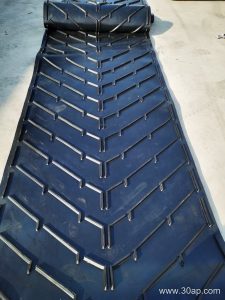
When requesting a price, state the bracket type, belt width, trough angle, roller diameter, material, and finish. This lets the supplier quote accurately instead of guessing. Buyers who also source the belt and rollers together, such as an EP conveyor belt or a steel cord conveyor belt for a long overland line, can often simplify logistics by ordering the frame components in the same shipment. For a coal mining conveyor belt project, confirm that the bracket finish and roller fit match the fire resistant belt specification used on site.
Buying Advice
Ask for a drawing or dimension sheet before confirming an order, and check that the mounting holes match the idler roller you plan to use. Compare quotations on the same specification, not just on unit price. A slightly higher conveyor bracket price for a heavier section or better finish can reduce replacement work later, especially in a quarry or a cement plant where dust and vibration are constant.