What an 800mm Conveyor Belt Is
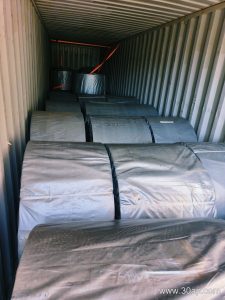
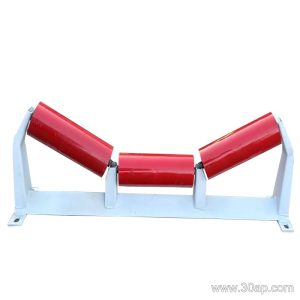
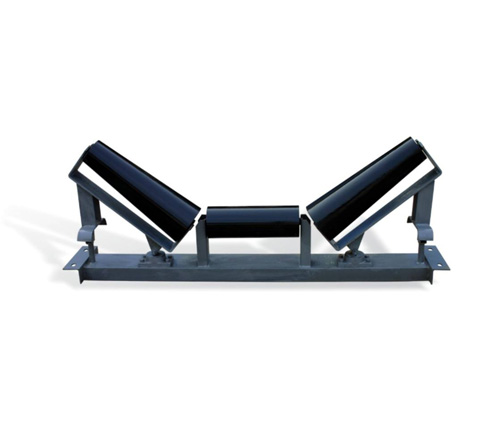
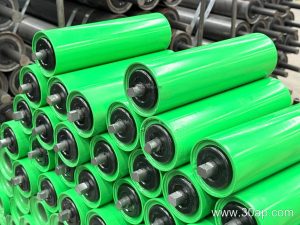
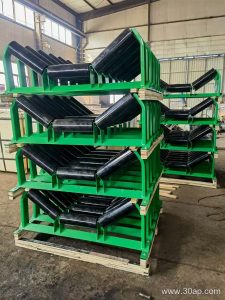
An 800mm conveyor belt is a belt with a nominal width of 800 millimeters, often written as B800. It sits in the middle of the common width range and is widely used in bulk material handling where a 650mm belt is too narrow and a 1000mm belt is more capacity than the line needs. You will see this width in mining, coal preparation, cement plants, power stations, sand and gravel yards, and port loading systems. The belt itself is only one part of the conveyor; it runs over idler rollers, wraps around a drive pulley and a tail pulley, and is supported by conveyor brackets and frame sections along the route.
The 800mm figure refers to the cut width of the belt, not to the pulley face or the frame width. A belt of this width can be built with different carcass types and cover grades, so two 800mm belts may look similar from the outside but behave very differently in service.
Construction and Common Carcass Options
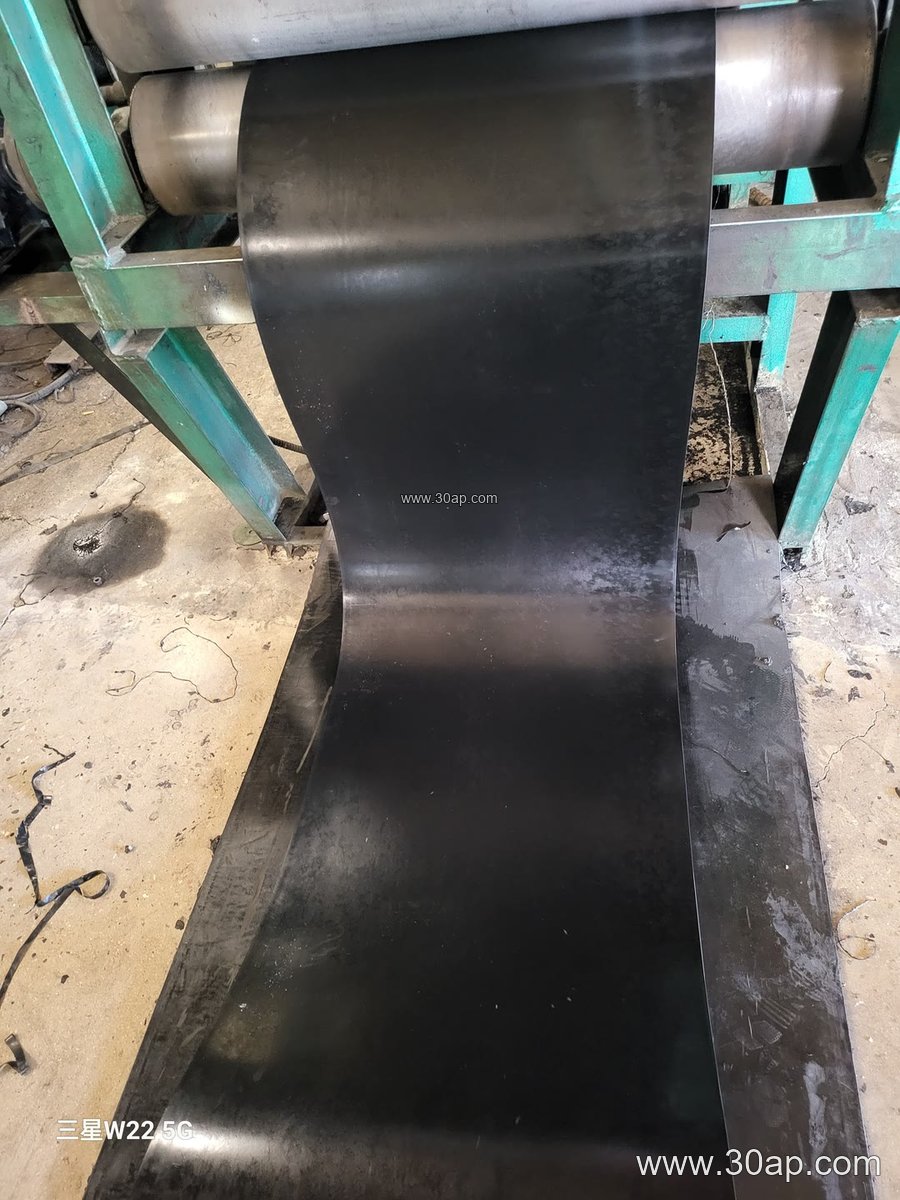
Most 800mm belts are built with a fabric core or a steel cord core. Fabric core belts include EP conveyor belt (polyester warp, nylon weft) and NN conveyor belt (nylon warp and weft). A multi-ply fabric core conveyor belt usually has 2 to 6 plies, depending on the duty. Steel cord conveyor belt is chosen when the conveyor is long, the tension is high, or the belt must resist impact from large lumps.
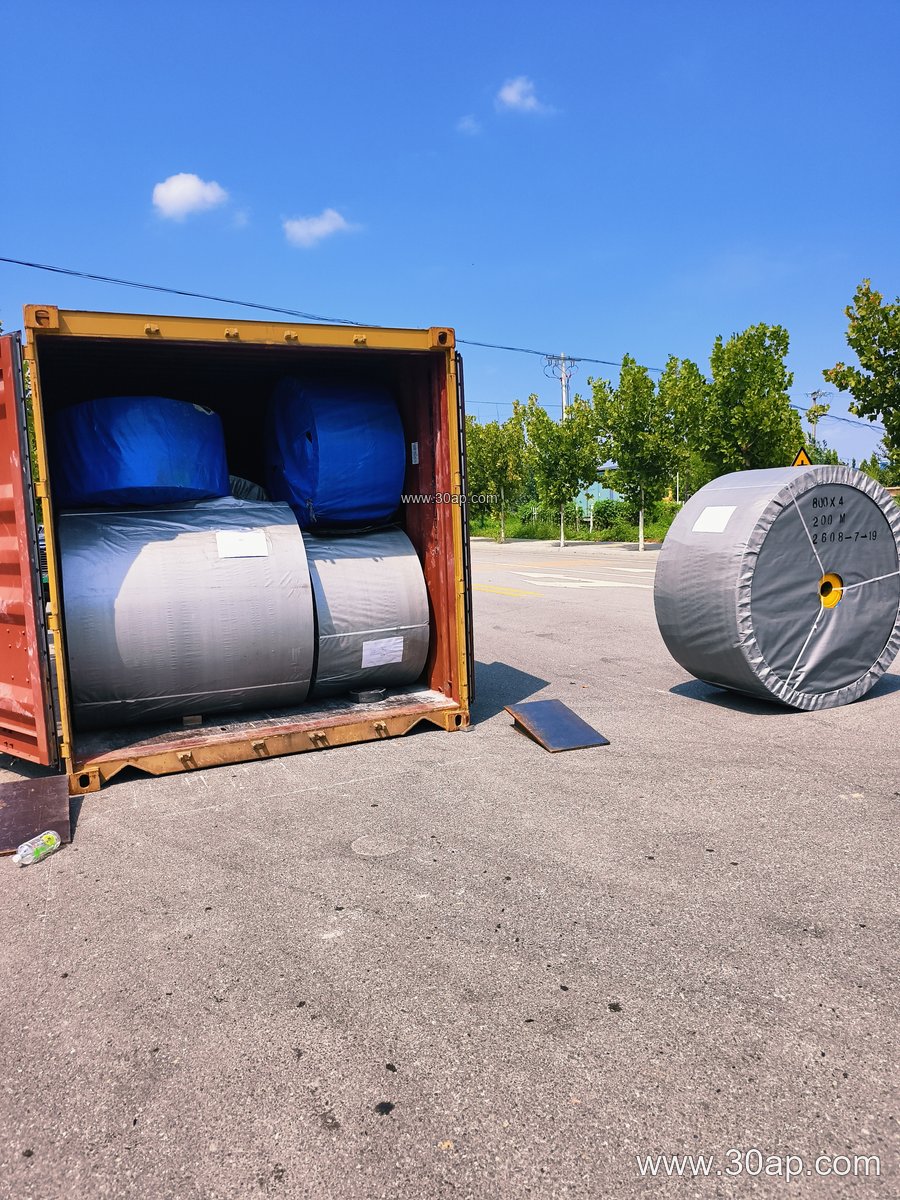
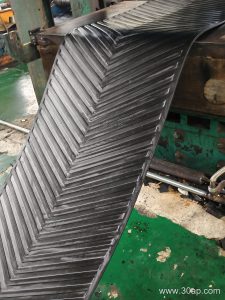
Cover rubber is specified as top and bottom thickness, for example 4+2 mm or 6+2 mm. The cover compound is selected for the cargo and the environment: abrasion resistant conveyor belt for sand, gravel and crushed rock; heat resistant conveyor belt for cement clinker or sinter; oil resistant conveyor belt for oily scrap or certain mineral ores; flame retardant conveyor belt and anti-static conveyor belt for underground coal mining; cold resistant conveyor belt for winter operation in cold regions. Chevron conveyor belt and corrugated sidewall conveyor belt are separate surface forms and are used when the incline is steep or the material needs to be contained.
Reference Dimensions and Strength Grades
The table below gives common reference values, not a supply promise. Actual construction is confirmed by the manufacturer against the conveyor design.
| Item | Common reference values |
|---|---|
| Belt width | B800 (800mm) |
| Fabric core strength grades | EP200, EP315, EP400, EP500, EP630, EP800, EP1000, EP1250 |
| Steel cord strength grades | ST1000, ST1250, ST1600, ST2000 |
| Number of fabric plies | 2 to 6 |
| Cover thickness examples | 3+1.5 mm, 4+2 mm, 5+2 mm, 6+2 mm, 8+3 mm |
| Surface forms | Plain, chevron, corrugated sidewall, skirted |
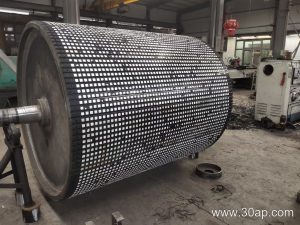
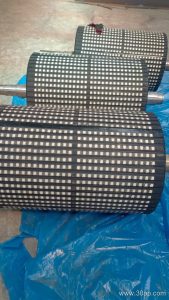
An 800mm belt is not tied to one pulley diameter. The drive pulley, tail pulley and bend pulley are sized from the belt tension, the carcass, the wrap angle and the shaft load, so the same belt width can appear with different pulley diameters on different conveyors. Do not assume a shaft diameter from the belt width alone.
Where It Fits in the Plant
In a cement plant, an 800mm belt may carry limestone from the crusher to the raw mill or clinker from the cooler to the storage silo. In a coal mining conveyor line, a flame retardant and anti-static 800mm belt is common for main haulage and for underground mining conveyor sections. In a sand and gravel yard, an abrasion resistant EP belt of this width often feeds screens and stockpiles. Power plants use it for coal and ash handling, and ports use it on ship loading and unloading conveyors where a moderate width keeps the transfer points compact.
For heavy-duty mining conveyor service, the belt may be specified with a thicker cover and a higher strength grade, while a quarry conveyor belt handling sorted aggregate may run a lighter EP construction. The wider family includes 500mm, 600mm, 650mm, 1000mm, 1200mm and 1400mm belts; the 800mm size is often chosen when the tonnage and the lump size are moderate.
Selection and Maintenance Notes
- Match the belt strength grade to the calculated tension, not to the width alone.
- Choose the cover compound for the cargo: abrasive, hot, oily, or flame risk.
- Check the troughability of the carcass with the idler roller set used on the line.
- Confirm pulley diameters and shaft sizes with the conveyor designer.
- Keep the belt tracking straight; misalignment wears the edges and loads the conveyor bracket and frame.
- Inspect splices and edges regularly, especially on high abrasion resistant conveyor belt used in crusher conveyor and rock conveyor duty.
Buyers should ask for the carcass type, ply count, strength grade, cover thickness, surface form and any special compound requirement in writing. A clear specification avoids the common mistake of ordering an 800mm belt that fits the frame but not the duty.