What the EP1500 Conveyor Belt Is
The EP1500 Conveyor Belt is a heavy-duty fabric-core rubber belt built around polyester (EP) warp and nylon weft cords. The designation EP1500 refers to a nominal tensile strength of 1500 N/mm per ply, which places it near the top of the common EP range. It is supplied as an EP rubber conveyor belt with multiple plies, typically between two and six, depending on the duty and the splice design. In practice, buyers often call it an EP fabric core conveyor belt or simply an EP conveyor belt, and the three names describe the same product family. It should not be confused with an NN conveyor belt, which uses nylon in both warp and weft, or with a steel cord conveyor belt, in which steel wires replace the fabric carcass.
Construction and Typical Specifications
The carcass gives the EP1500 its strength, while the cover rubber protects the cords from abrasion, impact, and moisture. Cover thickness is usually quoted as top plus bottom, for example 6+2 mm or 8+3 mm for coarse, sharp material. The table below shows common reference values; actual figures are confirmed by the manufacturer against the conveyor design.
- Belt type: EP1500, multi-ply fabric core
- Nominal strength: 1500 N/mm per ply
- Common widths: B800, B1000, B1200, B1400, B1600, B1800
- Common cover grades: abrasion resistant, flame retardant, heat resistant, oil resistant, anti-static
- Typical cover builds: 5+2 mm, 6+2 mm, 8+3 mm
- Ply counts: 2 to 6, selected by tension calculation
A 1200mm or 1500mm width is frequent in main haulage lines, but the width must follow the tonnage and lump size rather than habit. The same belt can run on different conveyor pulley diameters, because the minimum pulley size depends on ply count, cord type, and splice method, not on width alone.
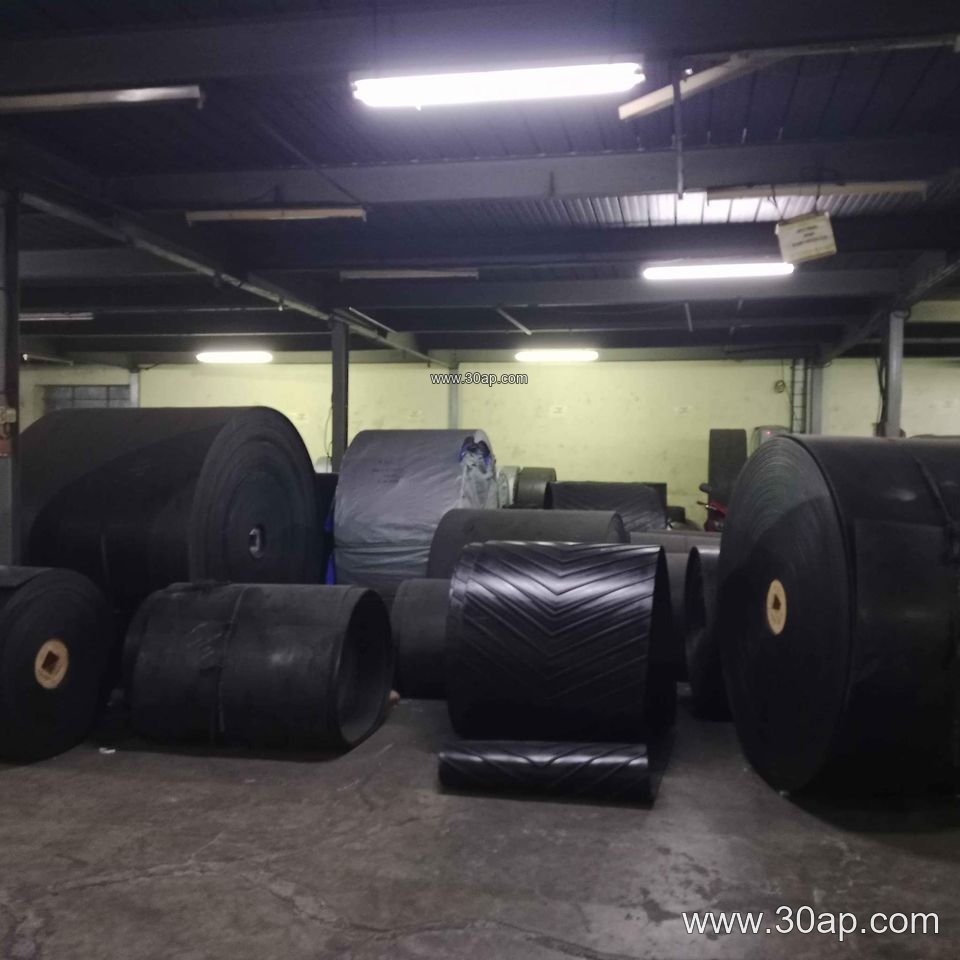
Where It Fits in the Plant
This belt class is common in mining conveyor belts, quarry conveyor belts, and aggregate conveyor belts that move crushed rock, ore, and overburden. In a coal mining conveyor belt or underground coal mining conveyor belt, a flame retardant and anti-static version is normally specified. Cement plants use it on clinker and limestone lines, power plants on coal and ash handling, and steel plants on sinter and coke transport. Port conveyor belts and ship loading conveyor belts also use high-strength EP belts where impact is moderate and a steel cord belt is not required.
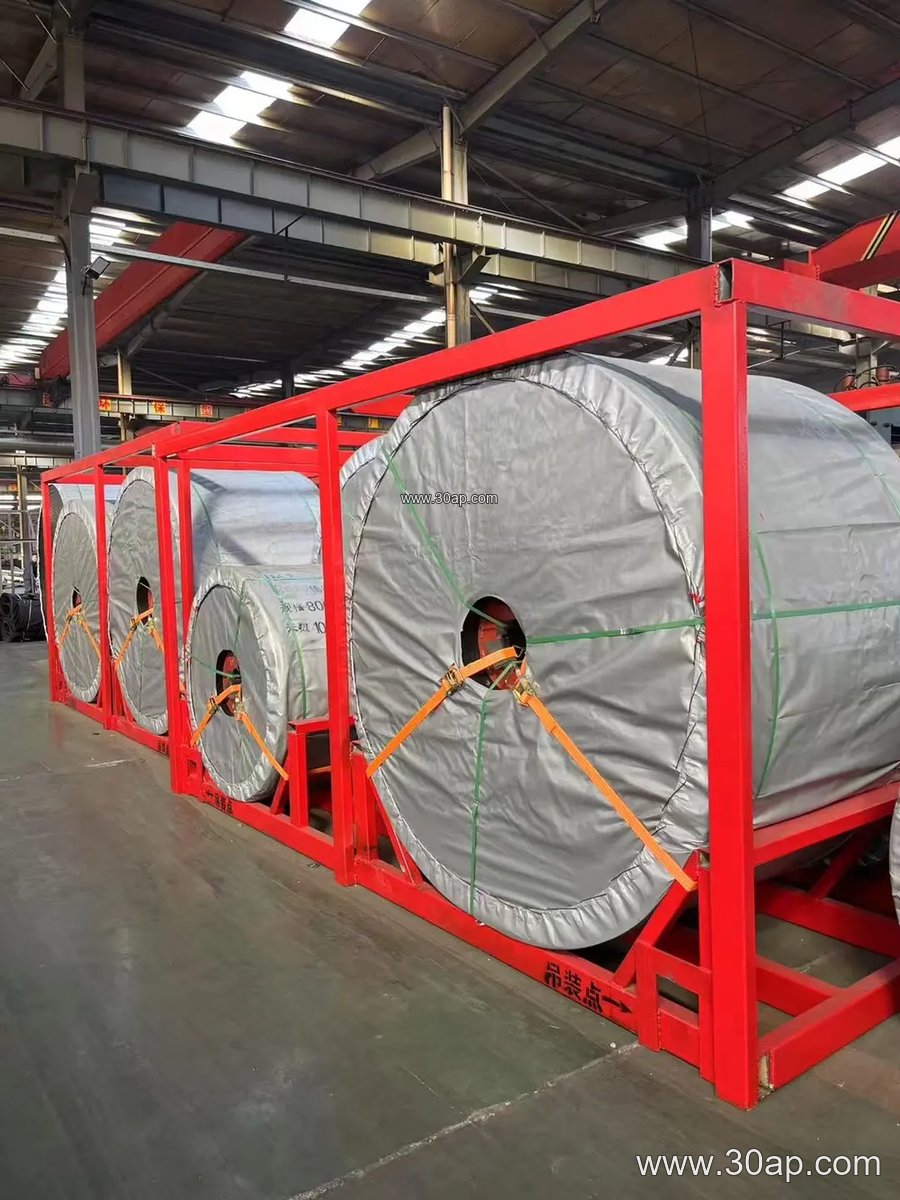
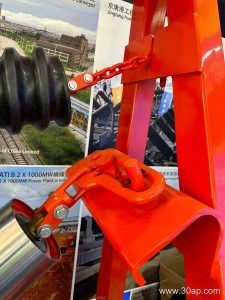
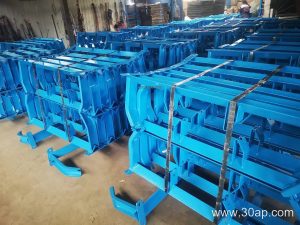
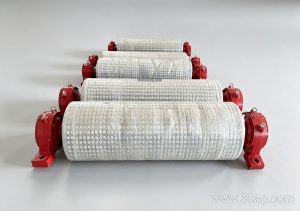
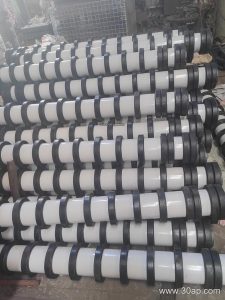
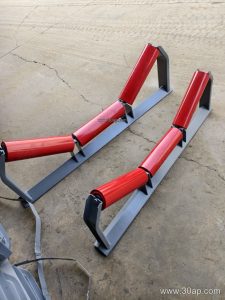
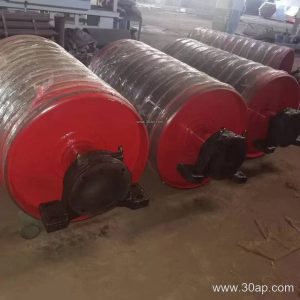
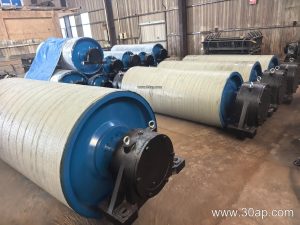
The belt does not work alone. A conveyor pulley at the head drives it, a tail pulley tensions it, and bend pulleys route it through the take-up. Idler rollers support the loaded strand, while a conveyor bracket holds the idlers and pulley frames in alignment. Poor alignment of any of these parts shortens belt life faster than most cover wear issues.
Cover Grades and Environmental Demands
The carcass is only half the story. The cover compound decides how the belt behaves in the field. An abrasion resistant conveyor belt suits sand, gravel, and sinter. A heat resistant conveyor belt is used where material temperatures are elevated, such as cement clinker or foundry sand. A flame retardant conveyor belt and fire resistant conveyor belt are specified for underground and enclosed galleries. Oil resistant and chemical resistant grades appear in recycling and process plants, while a cold resistant conveyor belt is chosen for winter or freezer duty. For steep inclines, a chevron conveyor belt or a corrugated sidewall conveyor belt may be a better choice than a flat EP1500, and for dusty or explosive atmospheres an anti-static grade is often requested.
Buyer Checklist Before Ordering
- Confirm the required tensile grade from the conveyor tension calculation, not from a neighboring line.
- State belt width, ply count, cover thickness, and cover grade clearly.
- Describe the material: lump size, temperature, moisture, oil content, and abrasiveness.
- Give the pulley diameters and the splice type so the manufacturer can check minimum pulley requirements.
- Decide whether an endless conveyor belt is preferred over an open-end belt with mechanical or vulcanized splices.
- Ask for the storage and handling instructions, since heavy belts should not be kinked or stored on edge for long periods.
Installation and Maintenance Notes
Track alignment at the conveyor pulley and check idler rollers for seized bearings during routine walks. Keep the belt cleaner working, because carryback builds up on return idlers and causes mistracking. Inspect splices for edge separation, and avoid over-tensioning, which stresses the fabric core. A properly matched EP1500 conveyor belt, with covers chosen for the duty and pulleys sized to the carcass, will usually deliver long service in demanding bulk material conveyor belt systems.