What a Belt Conveyor Idler Frame Does on the Line
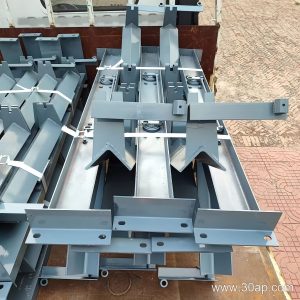
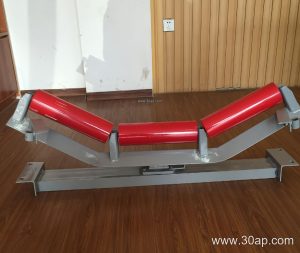
The belt conveyor idler frame is the steel structure that holds the idler rollers in the right position under and over the conveyor belt. It is often called an idler support frame or roller bracket frame, and it is the quiet component that decides whether the belt tracks straight, keeps its trough shape, and wears evenly. In a quarry, a cement plant, a power plant coal yard, or a crushing and screening line, the frame carries every idler roller on the carrying side and the return side, so its alignment matters as much as the rollers themselves.
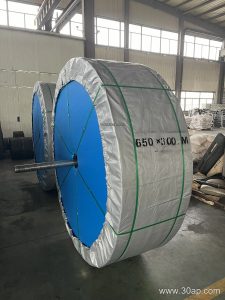
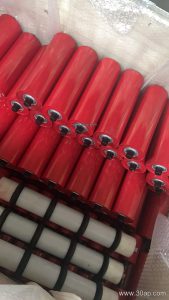
A simple way to think about it: the conveyor belt moves the material, the idler roller supports the belt, and the belt conveyor idler frame ties those rollers to the conveyor stringer. If the frame is twisted or set at the wrong angle, the belt will drift, spill material, and wear its edges long before the belt itself is due for replacement.
How the Frame Is Built
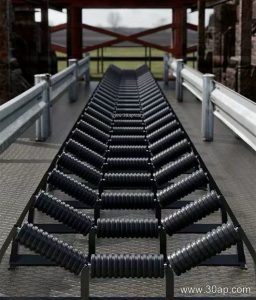
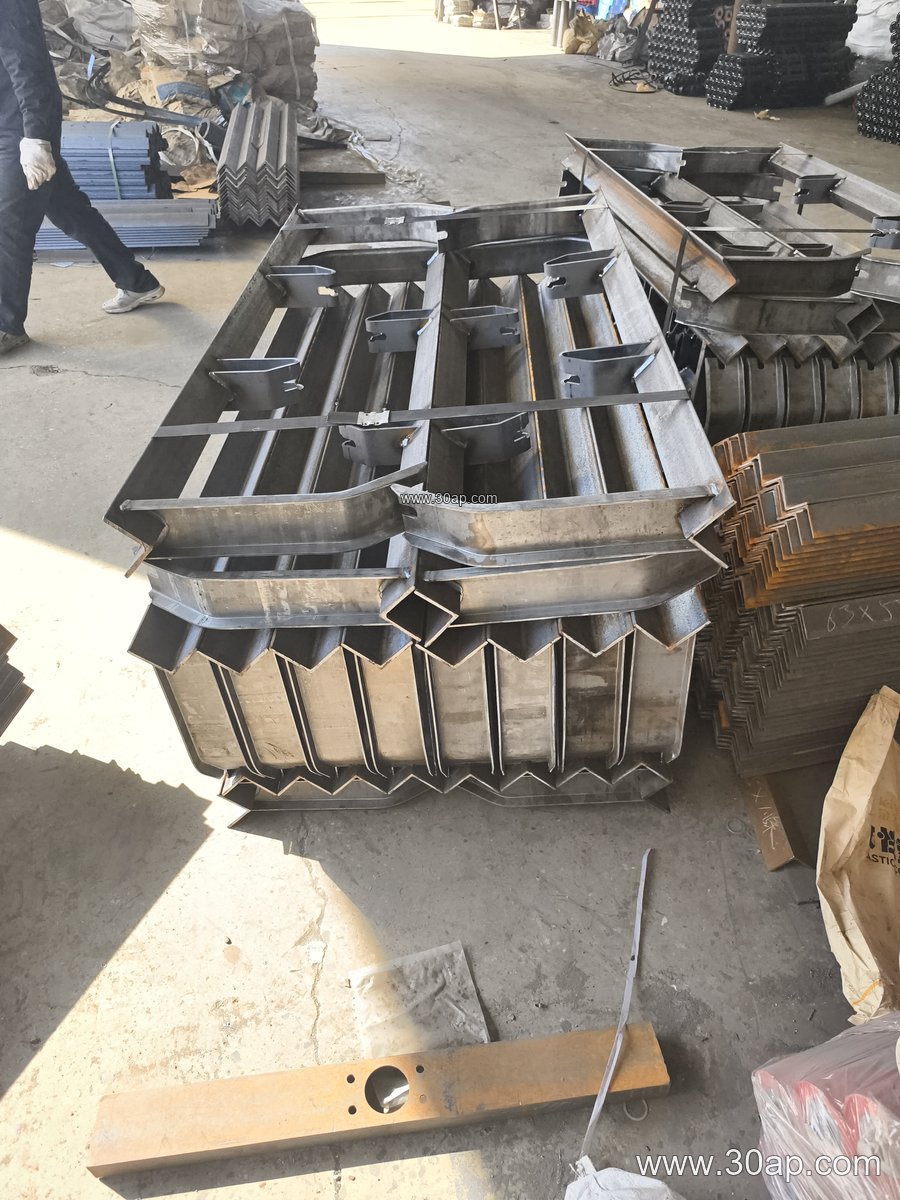
Most frames are fabricated from angle steel, channel steel, or folded steel plate. The carrying side usually uses a trough frame that sets three or more idlers at a trough angle, while the return side often uses a flat frame or a V-shaped return frame. A transition frame is fitted near the head and tail to guide the belt gradually from flat to troughed. Impact frames with cushion rollers sit under loading points, and self-aligning frames help correct belt wander on long runs.
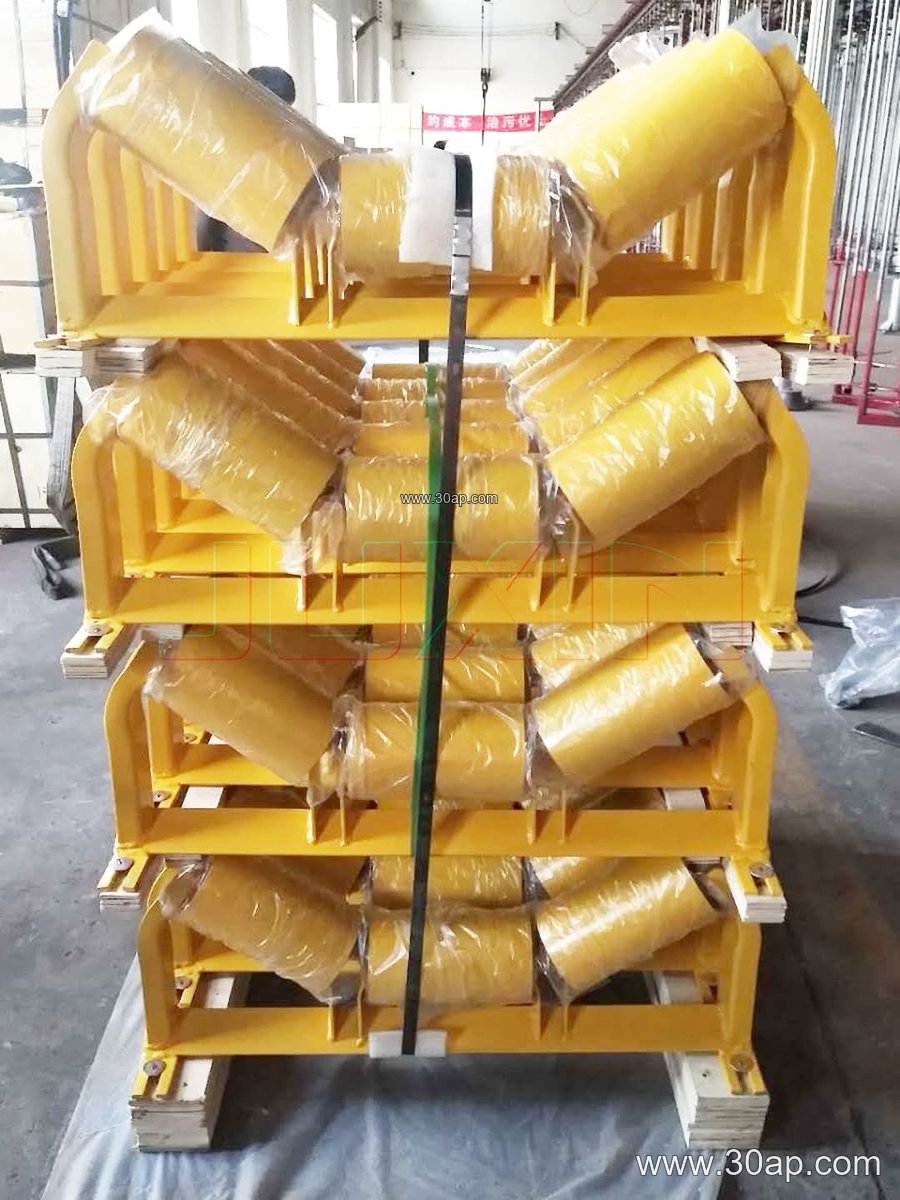
Common build details include welded cross beams, slotted or drilled mounting holes for the idler shafts, and adjustable legs on movable or modular conveyors. The hole spacing and cross beam length are determined by belt width, trough angle, and roller diameter, so they are normally confirmed against the conveyor drawing rather than treated as a single universal number.
Where the Frame Is Used
In a limestone mine or aggregate plant, trough frames carry abrasive rock on a heavy-duty conveyor belt. In a coal preparation plant or power plant coal handling system, flame retardant and anti-static belts often run on frames with close idler spacing to control sag. Cement plants use them on clinker and raw meal lines, while port and ship loading conveyors rely on long, well-aligned frame runs to keep the belt centered at high capacity.
Underground coal mining conveyors use compact, robust frames that fit limited roadways, and a steel cord conveyor belt on a long overland route needs frames set to tight tolerances to protect the belt splices. In recycling and bulk material handling, the same frame family handles lighter belts and frequent starts.
Matching Frame, Idler, and Belt
The frame does not work alone. A B800 belt running at 35 degrees with Ø108 idlers is a common combination, but a B1200 line at 45 degrees with Ø133 rollers is equally normal where capacity and lump size demand it. Trough angles of 20, 30, 35, and 45 degrees are all used, and adjustable frames can be reset between several of these angles when the material or belt changes. Forward-leaning frames, usually around 1.5 to 2 degrees, are chosen to help with belt training rather than to replace a proper self-aligning station.
When selecting, buyers should confirm belt width, idler diameter, trough angle, frame material, and mounting hole pattern, and check whether the conveyor needs fixed or adjustable supports. The frame should suit the belt type too, whether that is an EP conveyor belt in a sand plant, a heat resistant belt near a kiln, or an abrasion resistant belt in an iron ore yard.
Buyer Checklist
- Confirm belt width and idler diameter before ordering, and avoid assuming one belt width fixes one roller size.
- State the trough angle and whether the frame must be adjustable.
- Specify the conveyor environment, such as wet coal, hot clinker, or dusty aggregate, so the frame finish and roller choice match.
- Ask for the mounting hole spacing and cross beam length against your drawing.
- Plan inspection of frame alignment, bolt tightness, and roller rotation during routine maintenance.
Frame alignment is easy to overlook because it is hidden under the belt, yet a straight, well-fixed belt conveyor idler frame keeps the whole conveyor running smoothly from the loading point to the discharge pulley. For more on matching frames with conveyor belt, idler roller, and conveyor pulley choices, check the conveyor component range at www.beltconveyoridler.com.