What an 1800mm Wide Conveyor Belt Is
An 1800mm wide conveyor belt is a heavy-duty bulk material conveyor belt with a nominal belt width of 1800 millimeters. Belts at this width sit near the top of the standard range, making them a practical choice for high-volume conveying in mines, coal preparation plants, cement works, power stations and large aggregate yards. Because the belt is wide, each meter of travel carries considerably more material than a 1200mm or 1400mm belt, which helps reduce the number of parallel conveyor lines needed on a site.
The product is often described simply as an 1800mm conveyor belt, or listed in catalogs as B1800. Buyers should note that the width is the nominal dimension, and the actual belt may be supplied with a small manufacturing tolerance in line with the supplier’s own specification.
Construction and Belt Types
The 1800mm wide conveyor belt is built around a carcass that carries the tension, with rubber covers bonded to the top and bottom. Carcass choice depends on loading, incline and the duty of the conveyor. Common constructions include:
- Multi-ply fabric cores using EP or NN fabric, typically 2 to 6 plies
- Steel cord carcass for long haul and high tension duty
- PVC or PVG carcass for flame-retardant underground work
The wide format is regularly supplied as an EP conveyor belt or NN conveyor belt, and a steel cord conveyor belt is also common where tension is high. For abrasive stone and ore, an abrasion resistant conveyor belt with thicker covers is usually preferred. Where the same line carries hot clinker or sinter, a heat resistant conveyor belt may be specified, while underground coal faces generally call for a flame retardant conveyor belt.
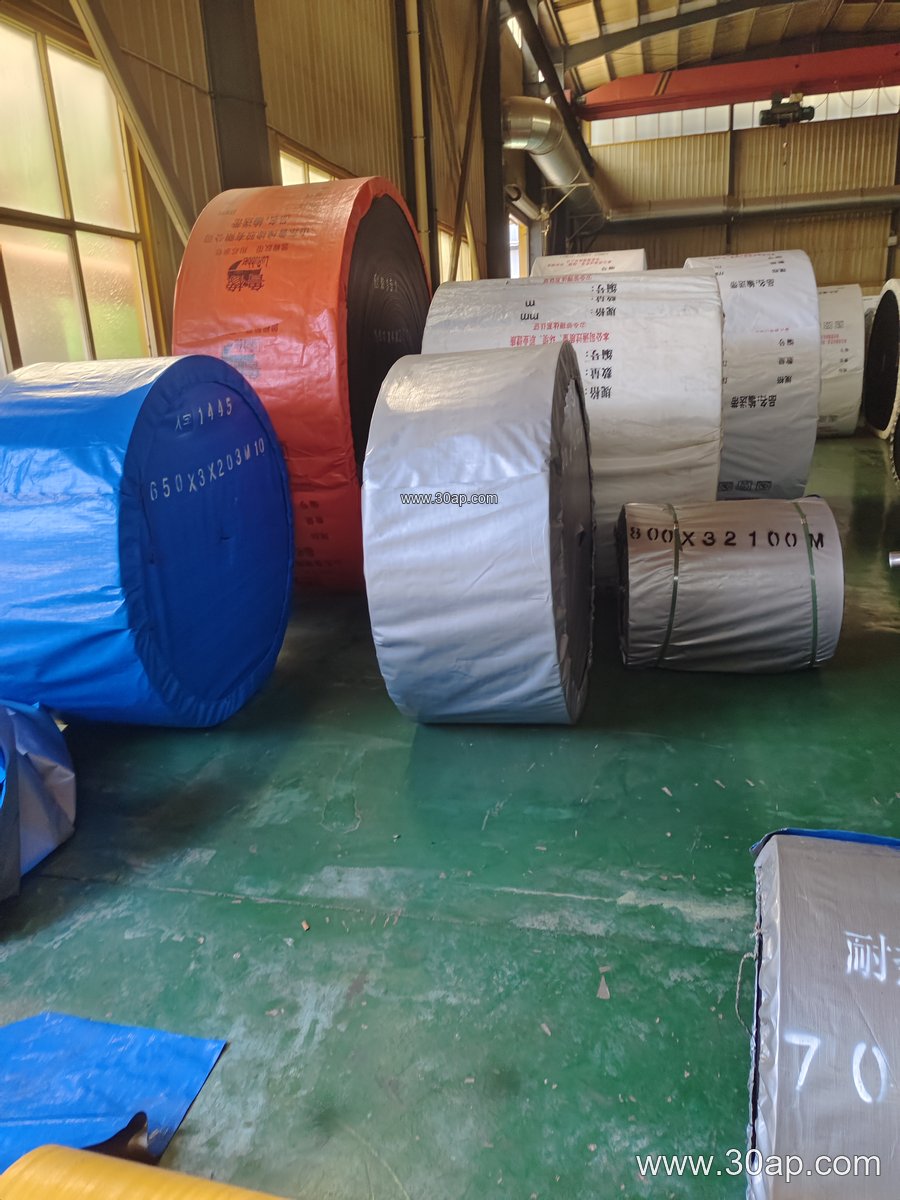
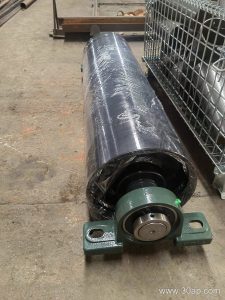
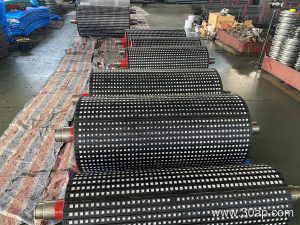
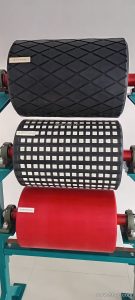
Cover thickness is quoted as top plus bottom, for example 6+2mm or 8+3mm on heavy-duty belts. A thick conveyor belt adds wear life but also adds weight, so the drive and the conveyor pulley arrangement must be checked against the belt mass.
Typical Specification Reference
The following values are reference data only. Actual strength, cover grade and ply count are confirmed by design for each conveyor.
| Parameter | Common Reference Values |
|---|---|
| Belt width | 1800mm (B1800) |
| Fabric grades | EP200, EP315, EP400, EP500, EP630, EP800, EP1000, EP1250 |
| Steel cord grades | ST1000, ST1250, ST1600, ST2000 |
| Ply count | 2 to 6 plies, by design |
| Cover thickness | 4+2, 5+2, 6+2, 8+3mm typical |
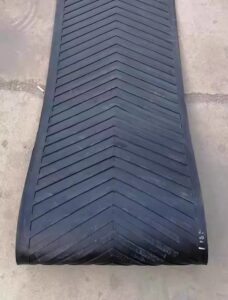
| Surface forms | Plain, chevron, skirted, corrugated sidewall |
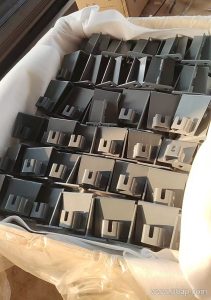
Note that grades such as EP1000 1800mm or ST1600 1800mm are combinations selected for a specific conveyor, not universal pairings. Belt width does not determine the conveyor pulley diameter or shaft size on its own; those follow the belt tension, pulley face width and the conveyor bracket layout.
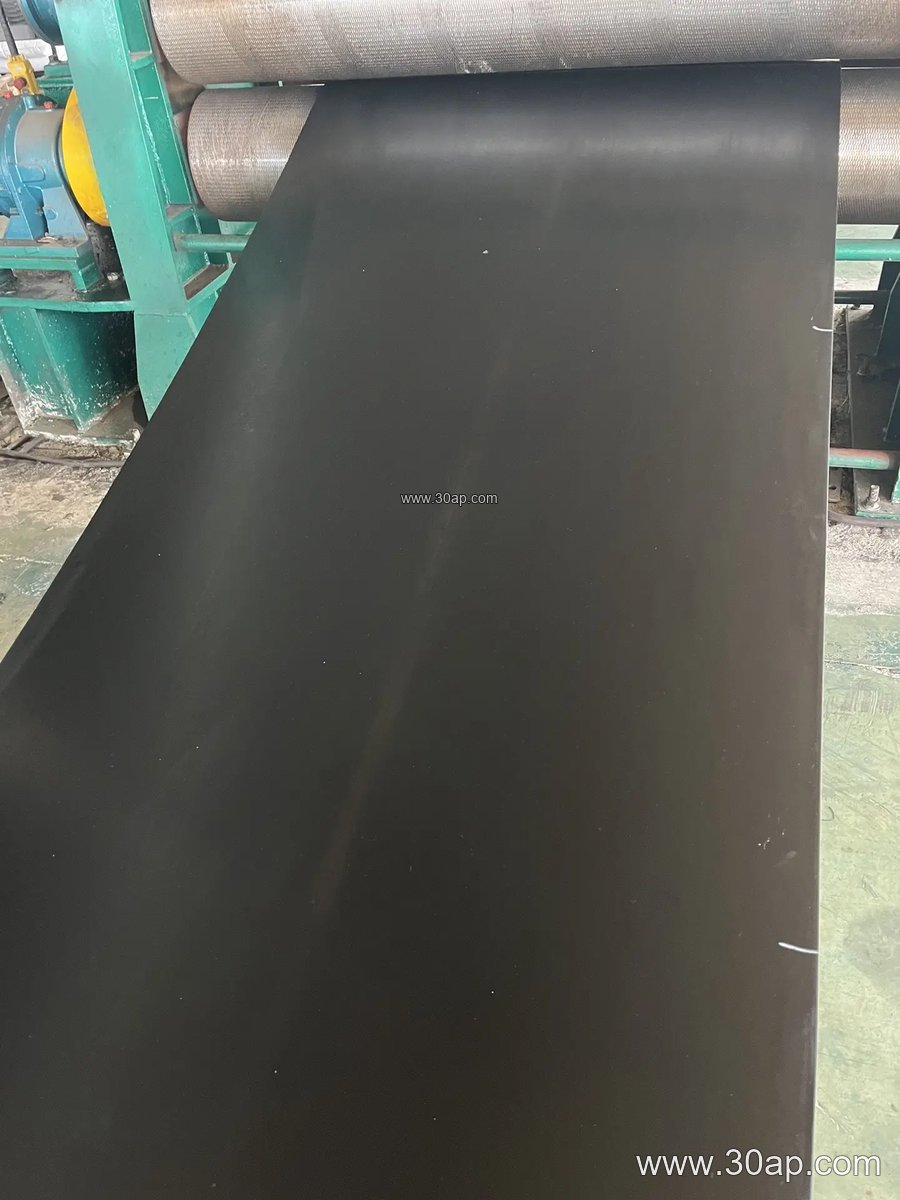
Where the Width Fits in a Plant
Wide belts are usually found on main trunk lines: primary crusher discharge, plant feed conveyors, stockyard and ship loading systems, and overland lines in mining and cement plants. A quarry conveyor belt or aggregate conveyor belt at this width handles large lump sizes and high tonnage with less spillage at transfer points. In power plants, a coal conveyor belt of 1800mm class reduces the number of feeders and transfer towers needed.
Surface forms matter as much as width. A chevron conveyor belt helps hold material on steep inclines, while a corrugated sidewall conveyor belt allows a steeper angle with cleats and sidewalls. Skirted belts contain material at loading points. For dusty or potentially explosive atmospheres, an anti-static conveyor belt is often requested alongside flame resistance.
Selection and Maintenance Notes
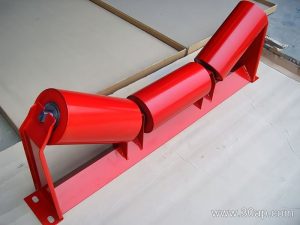
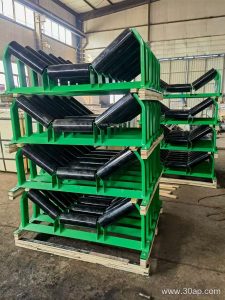
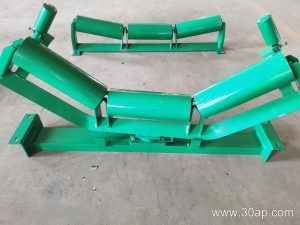
Before ordering, confirm the belt width against the conveyor structure, the idler roller trough angle and the pulley face width. An 1800mm belt needs adequate support from the carrying idlers, and the transition distance to the conveyor pulley should be long enough to avoid edge stress. Check that the conveyor bracket and frame can take the extra weight of a wide, thick belt.
During operation, keep the belt centered, inspect splice quality and watch cover wear at transfer points. Store spare belting flat and away from heat. For a wide belt, splicing is usually done on site, so plan access and lifting equipment in advance. Further details on belt grades and matching components such as idlers and pulleys are available at www.beltconveyorparts.com for reference during project planning.