What a Tail Pulley Assembly Does
A tail pulley assembly is the return-end package of a belt conveyor, sitting opposite the drive and guiding the conveyor belt back into the carrying run. In most installations the tail pulley is a non-driven bend or tension point, so the assembly usually combines a conveyor pulley, shaft, bearing housings, and a frame that anchors to the conveyor bracket. On a quarry conveyor or a cement plant clinker line, this end often carries the take-up, which means the tail pulley assembly also controls belt tracking and tension rather than simply turning.
Because the tail pulley is not a drive pulley, it should not be treated as a substitute for the head or drive position. A drive pulley transmits torque; a bend pulley changes belt direction; a tail pulley closes the loop at the return end. The assembly is designed around that job.
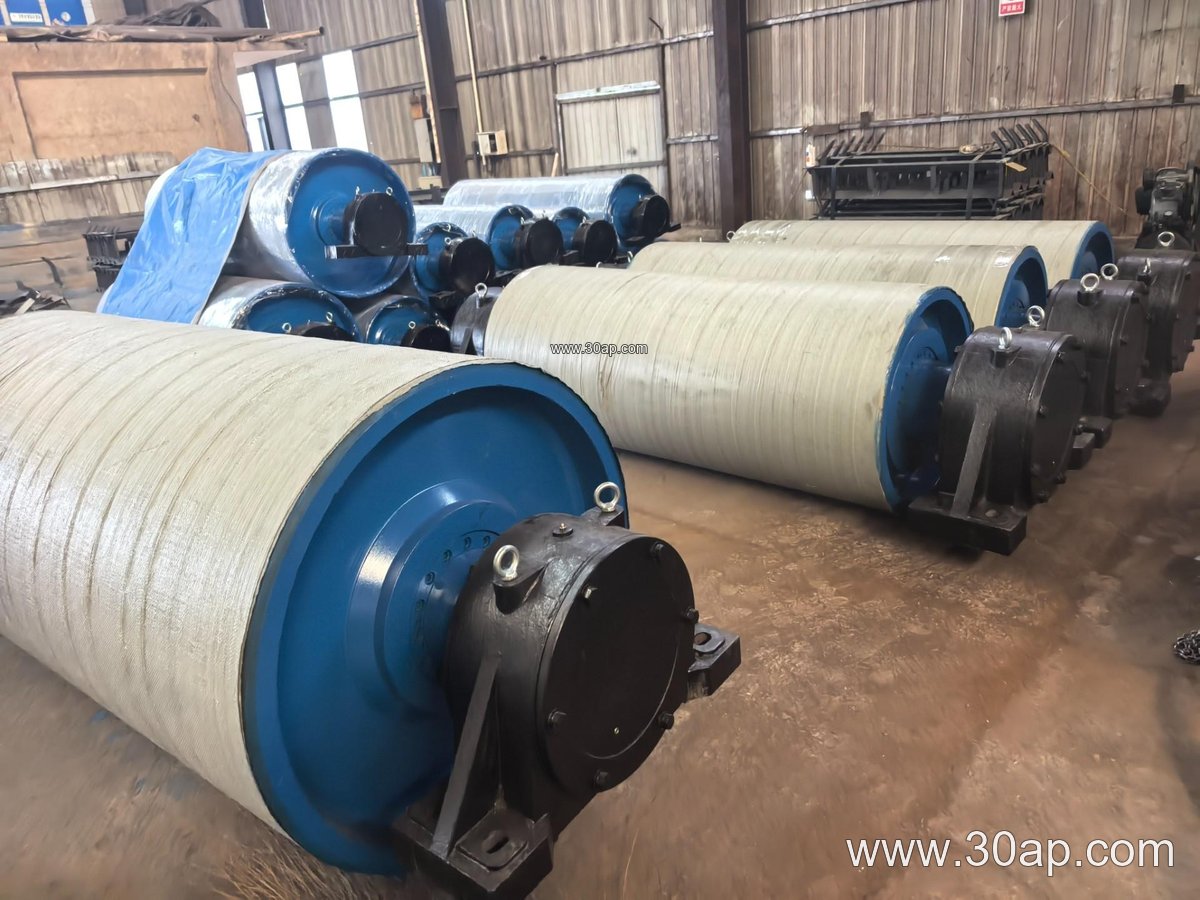
How the Assembly Is Built
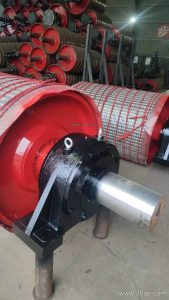
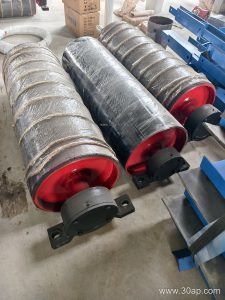
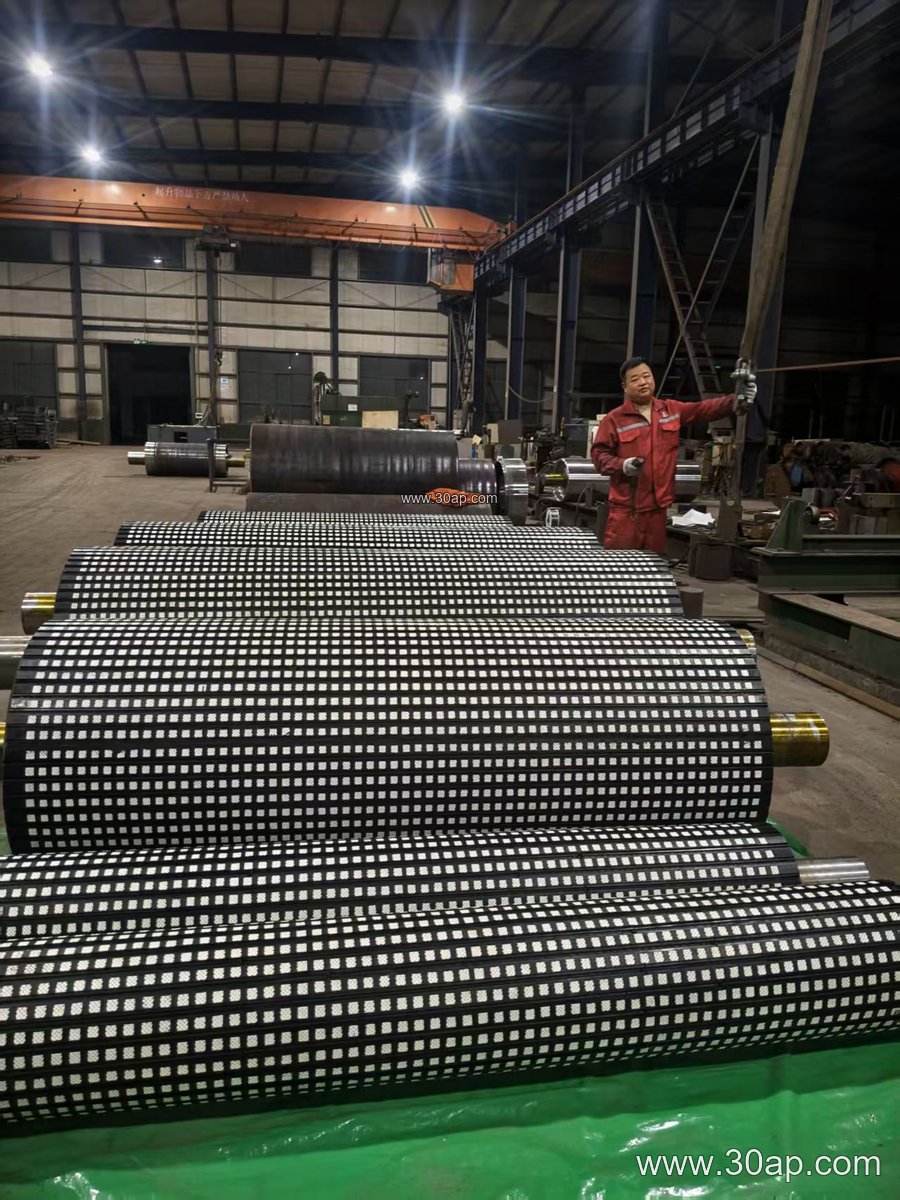
A typical tail pulley assembly includes the pulley shell, end discs, hub, through shaft, bearing blocks, and a mounting frame. The shell may be plain or lagged, and the lagging choice depends on the material and the amount of slip expected. Common surface forms include plain, cold-bonded rubber, hot-vulcanized rubber, diamond lagging, and ceramic lagging, with lagging thickness often in the 8 to 20 mm range.
- Shell and end disc welded construction, machined for concentricity
- Shaft sized by torque and radial load, not by belt width alone
- Bearing housings with grease points and seals for dusty service
- Frame with slotted or adjustable mounting for take-up travel
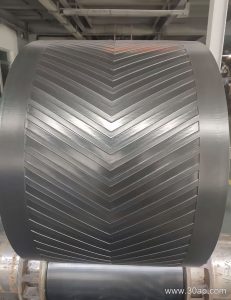
For abrasive ore or rock duty, an abrasion resistant conveyor belt running over a lagged tail pulley benefits from a smooth, well-aligned return path, and the assembly frame should allow the pulley to be shifted for belt training.
Sizing the Pulley to the Belt
Belt width and pulley diameter are related but not locked together. The pulley face width is usually a little wider than the belt, for example a B800 belt commonly pairs with a face around 950 mm, and a B1200 belt with roughly 1400 mm. Diameter is chosen from belt tension, wrap angle, and the minimum bend radius the belt can accept, so B800 might use a Ø500 tail pulley in one plant and a larger diameter in another.
| Belt width reference | Typical pulley face width | Example diameter range |
|---|---|---|
| B650 | about 750 mm | Ø315 to Ø500 |
| B800 | about 950 mm | Ø400 to Ø630 |
| B1000 | about 1150 mm | Ø500 to Ø800 |
| B1200 | about 1400 mm | Ø630 to Ø1000 |
| B1400 | about 1600 mm | Ø800 to Ø1250 |
Shaft diameter is a separate calculation. Common shaft sizes run from Ø50 to Ø200, but the correct value comes from the actual torque and bearing load. A B1200 × Ø1000 tail pulley assembly on a heavy overland conveyor may need a larger shaft than the same belt width on a short transfer.
Where It Fits in the Plant
Tail pulley assemblies appear wherever a conveyor returns its belt, including a limestone mine transfer, a coal handling system at a power plant, and a sand and aggregate line feeding a screen. In a coal mining conveyor, the tail end may sit in a dusty, damp gallery, so sealed bearings and flame retardant conveyor belt compatibility matter. In a port bulk terminal, the same assembly may handle a wide belt with a high-tonnage fabric core or steel cord conveyor belt, and the tail pulley must tolerate the resulting tension without belt wander.
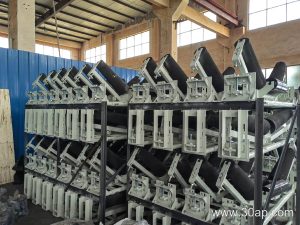
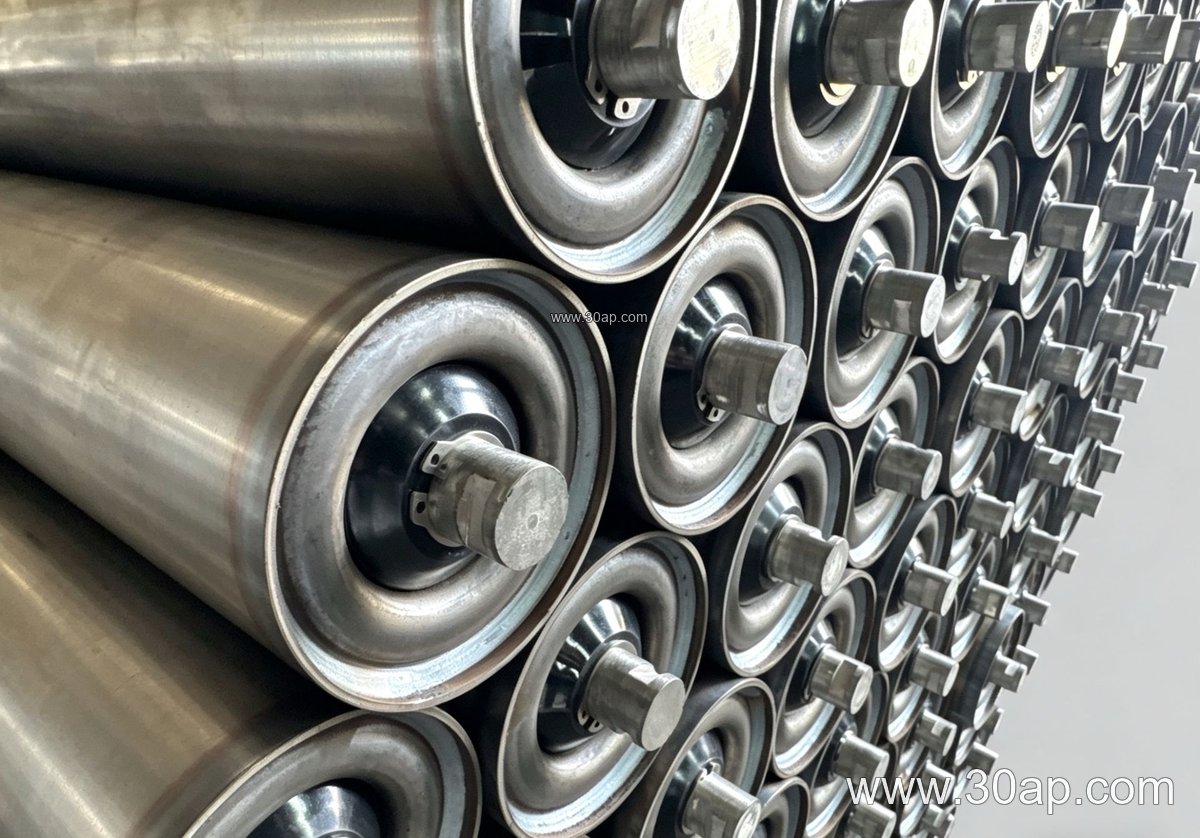
Related parts such as the idler roller, conveyor bracket, and conveyor pulley are selected together with the tail assembly so the whole return run tracks cleanly. Search terms like conveyor pulley tail assembly or belt conveyor tail pulley are often used by buyers looking for this exact end package.
What Buyers Should Check
Before ordering, confirm the belt width, the required take-up travel, the shaft and bearing size, and the lagging type. Ask whether the frame matches the existing conveyor bracket hole pattern. For a food grade conveyor belt line, specify a cleanable lagging and suitable bearing seals; for a heat resistant conveyor belt application, keep the pulley surface and lagging rated for the ambient temperature. Do not assume a fixed shaft size from belt width, and do not treat the tail pulley as a drive or bend pulley replacement. A correctly specified tail pulley assembly keeps the return belt centered and extends the service life of the belt and idlers.