What an Idler Quotation Covers
An idler quotation is a commercial and technical document that lists the carrying and return idler rollers proposed for a conveyor line, together with their arrangement, roller diameter, length, bearing size and surface option. It is not simply a price sheet. In a working quarry, a coal washing plant or a cement kiln feed line, the idler set interacts with the conveyor belt, the conveyor pulley at each end and the conveyor bracket that fixes the assembly to the stringer. A quotation that ignores those interfaces tends to produce rollers that fit the invoice but not the frame.
Because idlers are consumables, buyers often request several quotations for the same duty. Comparing them properly means reading the technical line items, not only the bottom line.
How an Idler Set Is Built
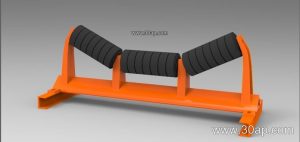
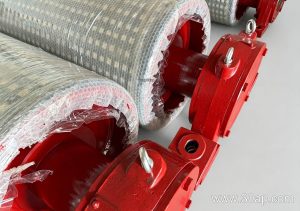
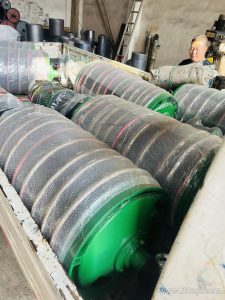
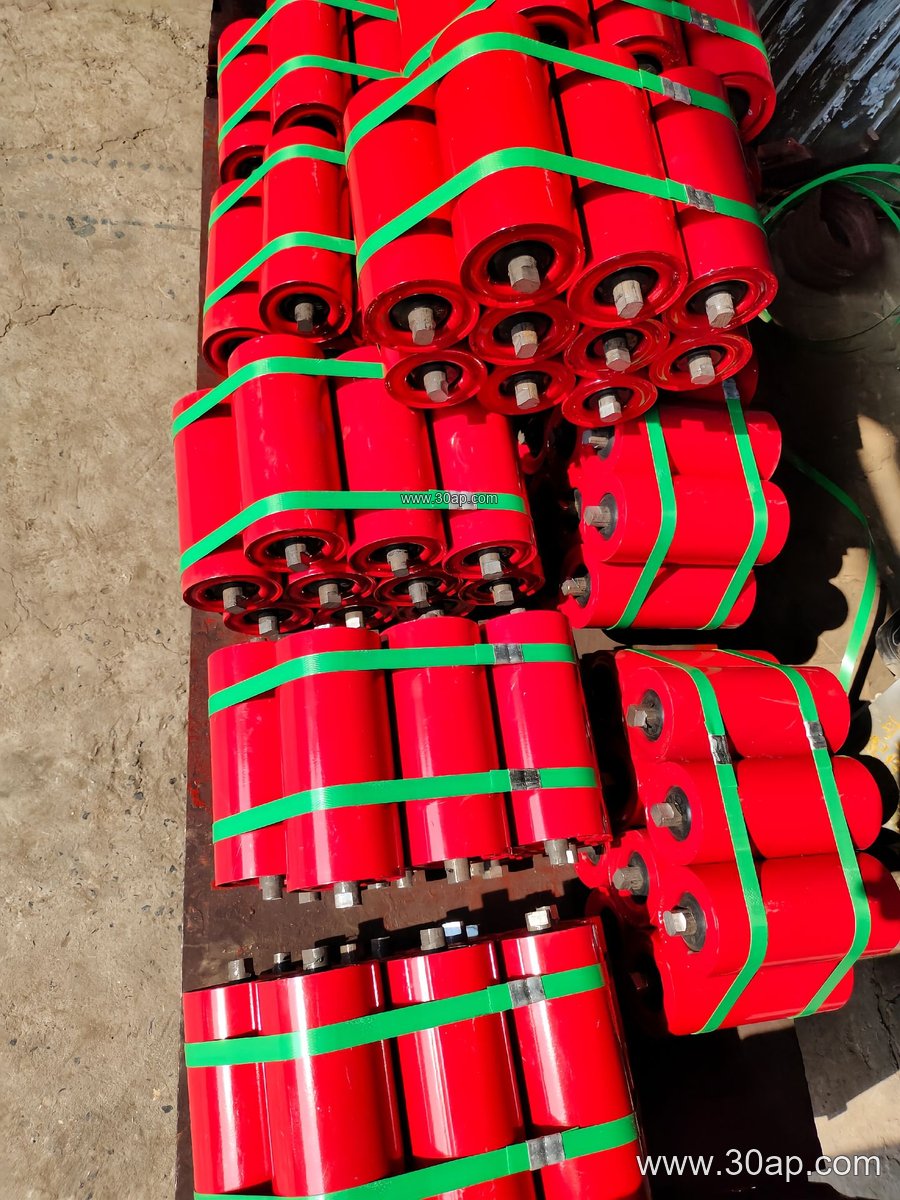
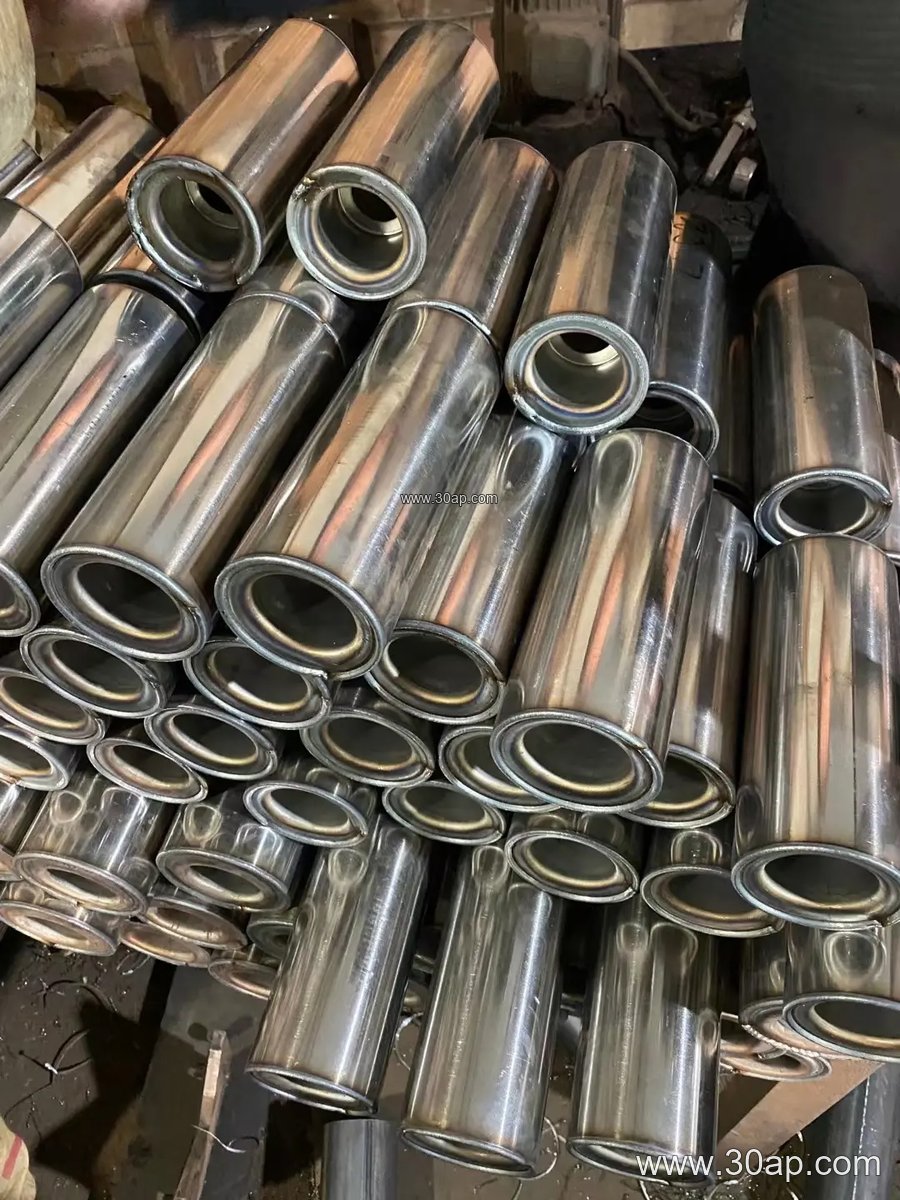
The common idler roller is a steel tube fitted with a shaft, sealed bearings and end caps. The roller surface may be plain steel, nylon, ceramic or covered with rubber rings, and the choice depends on whether the duty is abrasive, sticky or impact-heavy. Bearing numbers usually appear in the quotation because they determine speed limits and service life; 6204, 6205, 6305, 6306, 6308 and 6310 are frequently specified, but a bearing size should follow the load and speed calculation rather than being copied from an old sheet.
Typical roller diameters include Ø63, Ø76, Ø89, Ø102, Ø108, Ø127, Ø133, Ø159, Ø178, Ø194 and Ø219 mm. Roller length changes with belt width, trough angle and the number of rolls in the set, so a quotation should state each length separately for the centre roll and the side rolls.
| Belt width | Typical three-roll trough set | Common roller length (example) |
|---|---|---|
| B500 | Three-roll troughing | about 200 mm |
| B650 | Three-roll troughing | about 250 mm |
| B800 | Three-roll troughing | about 315 mm |
| B1000 | Three-roll troughing | about 380 mm |
| B1200 | Three-roll troughing | about 465 mm |
| B1400 | Three-roll troughing | about 530 mm |
| B1600 | Three-roll troughing | about 600 mm |
| B1800 | Three-roll troughing | about 670 mm |
| B2000 | Three-roll troughing | about 750 mm |
These figures are common examples, not fixed pairings; side rolls and centre rolls may differ, and the final length is set by design.
Types Named in a Quotation
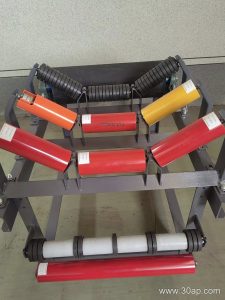
Carrying idlers are usually troughing sets with two or three rolls at a trough angle of 20, 30, 35 or 45 degrees. Impact idlers with rubber rings sit under the loading point, while return idlers may be flat, V-shaped or spiral. Self-aligning idlers, including friction and tapered designs, are quoted where belt wander is a known problem. Forward tilt of roughly 1.5 to 2 degrees is sometimes specified on troughing idlers to assist tracking.
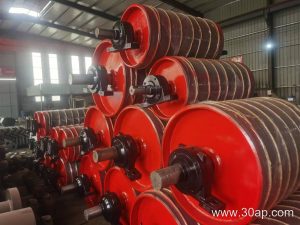
It is worth noting that drive pulleys, tail pulleys and bend pulleys are separate components with their own quotations; they are not interchangeable with idlers, and a quotation should not mix the two categories.
Where the Sets Are Used
In a limestone quarry or an aggregate crushing and screening line, dust and sharp edges dominate, so abrasion-resistant roller surfaces and well-sealed bearings matter. In a coal washing plant or a power station coal yard, flame retardant conveyor belt and anti-static properties are usually required alongside the idler specification. The belt itself may be an EP conveyor belt, an NN conveyor belt, a steel cord conveyor belt or a multi-ply fabric core conveyor belt, and the idler spacing should suit the belt stiffness and load.
Heavy-duty mining conveyor belt installations on inclined ground also call for impact idlers at transfer points and return idlers that shed fines rather than packing them against the roller.
Information to Request Before Ordering
- Roller diameter, wall thickness and roller length for each position in the set.
- Bearing designation, sealing arrangement and grease type.
- Trough angle, roll count and forward tilt if any.
- Roller surface: steel, nylon, ceramic or rubber ring.
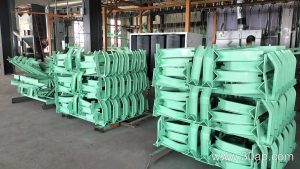
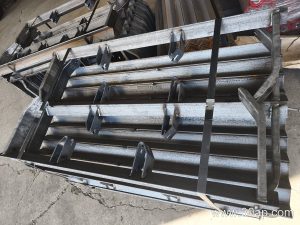
- Mounting details that match the existing conveyor bracket and frame spacing.
- Quantity per stringer, plus a realistic spare allowance.
A clear idler quotation lets the maintenance team compare offers on equal terms, plan shutdown stock and avoid mismatches at installation. Buyers who check the technical detail first usually get fewer surprises when the crates are opened on site. More reference data can be reviewed at www.zm-industry.com for conveyor components.