What a Mining Ceramic Lagged Pulley Does
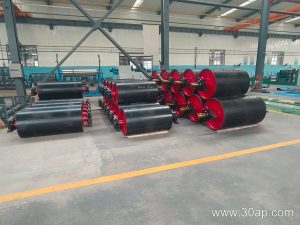
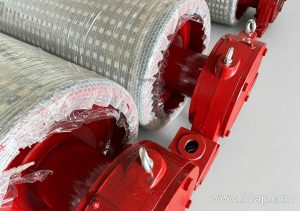
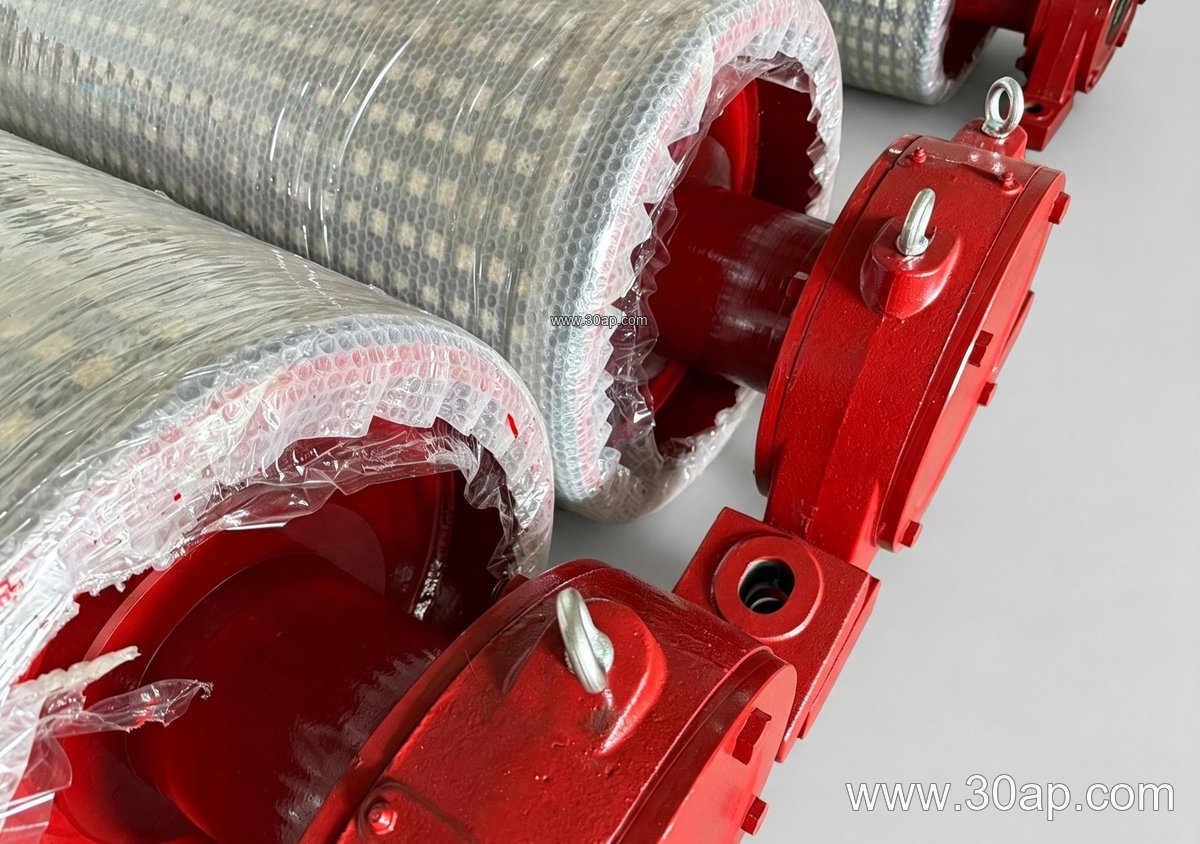
A mining ceramic lagged pulley is a conveyor pulley whose shell is covered with embedded ceramic tiles instead of plain rubber. The ceramic layer raises the friction coefficient between the drum and the belt, which matters most on drive pulleys where slip wastes power and wears the belt cover. In hard-rock mines, coal preparation plants and aggregate crushing circuits, wet or dusty conditions quickly reduce grip on a smooth or rubber-covered shell. Ceramic lagging keeps traction more consistent because the hard tiles stay sharp and resist abrasion far longer than rubber alone.
The same product is also called a ceramic-lagged conveyor pulley or ceramic lagging drum. It remains a pulley first; the ceramic is a surface treatment, not a different machine.
How the Ceramic Lagging Is Built
Ceramic tiles, usually small squares or rectangles with raised studs or grooves, are bonded into a rubber or epoxy backing that is vulcanized or cold-bonded to the pulley shell. The tiles sit slightly proud of the backing so that water, fines and slurry can drain away from the contact patch. This is why ceramic lagging performs well on a belt carrying wet ore or washed stone, where a plain rubber surface may hydroplane.
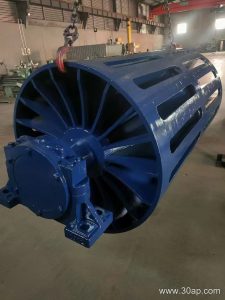
Typical lagging thicknesses are 8, 10, 12, 15 and 20 mm. The shell itself is usually steel, machined and balanced, with the shaft sized by torque and radial load rather than by belt width alone. Common shaft diameters run from Ø50 to Ø200 mm depending on the drive duty.
Where It Fits on the Conveyor
Ceramic lagging is most often specified for the drive pulley at the head of a conveyor, and sometimes for a bend or snub pulley where wrap angle is high. A tail pulley usually does not need ceramic because it is not transmitting torque; rubber or plain steel is normally enough there. A bend pulley only benefits when it carries significant tension and the belt is at risk of slipping.
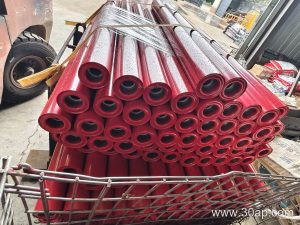
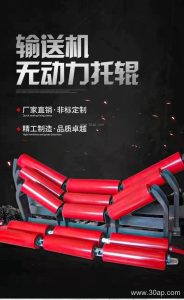
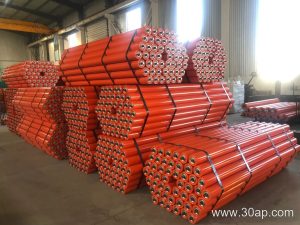
The product appears across quarry and limestone lines, iron ore and copper ore handling, coal washing plants, cement clinker conveyors, power plant coal feed and port bulk terminals. In these plants it works alongside a heavy-duty conveyor belt, conveyor idler rollers and sturdy conveyor brackets that keep the belt aligned.
Common Reference Dimensions
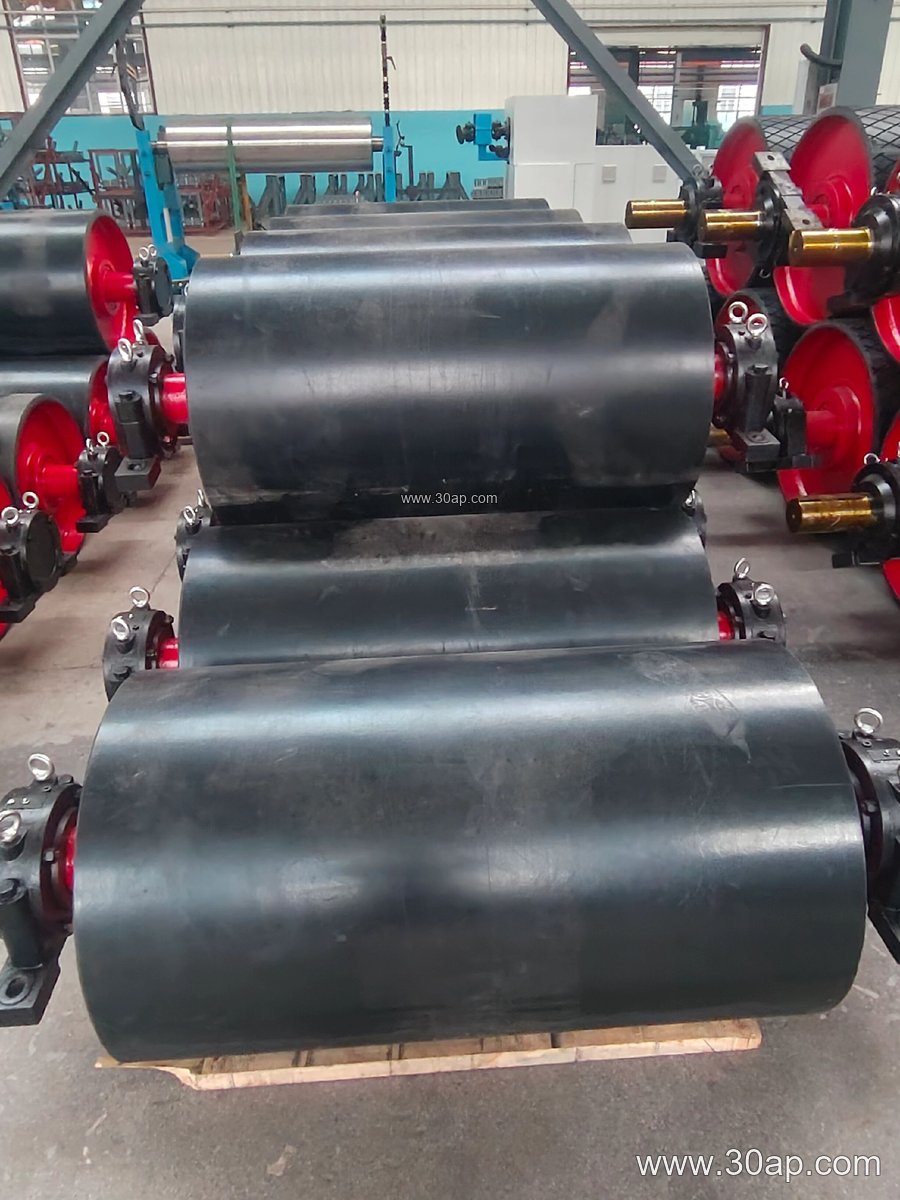
The table below gives indicative combinations; final sizing always follows the conveyor design.
| Belt width | Typical pulley face width | Example diameter |
|---|---|---|
| B650 | about 750 mm | Ø400 mm |
| B800 | about 950 mm | Ø500 mm |
| B1000 | about 1150 mm | Ø630 mm |
| B1200 | about 1400 mm | Ø800 or Ø1000 mm |
| B1400 | about 1600 mm | Ø800 or Ø1000 mm |
| B1600 | about 1800 mm | Ø1250 mm |
| B1800 | about 2000 mm | Ø1400 mm |
| B2000 | about 2200 mm | Ø1600 mm |
Face width is normally wider than the belt so the belt stays supported during minor misalignment. Diameter selection depends on belt speed, tension and the wrap angle needed for grip, so one belt width can accept several diameters.
Buyer Checklist Before Ordering
- Confirm the pulley position: drive, tail, bend or snub. Ceramic is rarely justified on a tail pulley.
- State the belt type and duty, for example an abrasion resistant conveyor belt or a flame retardant conveyor belt used underground.
- Give the maximum belt tension, shaft speed and required lagging thickness.
- Specify the shaft diameter from the drive calculation, not from belt width.
- Ask how tiles are bonded and whether the surface is grooved or studded for drainage.
- Check that the pulley balances with the conveyor bracket and bearing arrangement.
Maintenance Notes
Ceramic lagging is durable but not indestructible. Chipped tiles reduce grip locally, and a worn or damaged conveyor belt cover accelerates tile loss. Inspect the surface during scheduled shutdowns, look for loose tiles and clean fines from the grooves. Pairing the pulley with well-aligned conveyor idler rollers and a properly tensioned belt extends service life more than any single component choice.
For harsh ore and coal duties, matching the ceramic lagged pulley to a suitable mining conveyor belt and a correctly rated drive gives the most reliable result.