What a Heavy-Duty Conveyor Bracket Does
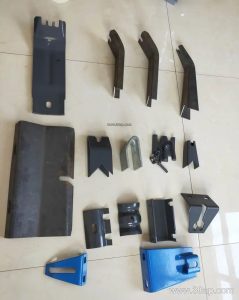
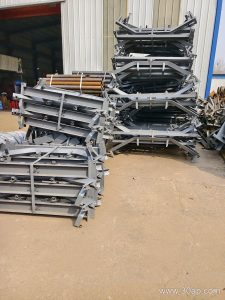
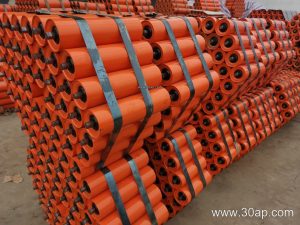
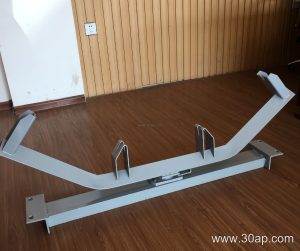
A Heavy-Duty Conveyor Bracket is the structural component that holds idlers, pulleys, and related hardware in the correct position along a conveyor frame. In a quarry, a cement plant, or a power plant coal yard, the bracket carries the load from the belt and the conveyed material down into the frame. It also keeps the idler roller aligned so the conveyor belt tracks evenly instead of wandering to one side.
This bracket is not a single item. It is a family of support parts: trough brackets on the carrying side, return brackets underneath, transition brackets near pulleys, and adjustable frames where the trough angle must be tuned. A heavy-duty conveyor bracket differs from a light bracket mainly in material thickness, weld size, and reinforcement at the mounting holes. It is often called a heavy conveyor idler support bracket, since its main job is to fix idlers and pulley assemblies in place.
How the Bracket Is Built
Most heavy-duty brackets are fabricated from angle steel, channel steel, or bent steel plate. A slot or set of drilled holes defines the idler position, while the base plates or web sections bolt to the conveyor stringer. The trough angle can be fixed at the factory or made adjustable on site. Common trough angles are 20 degrees, 30 degrees, 35 degrees, and 45 degrees. Adjustable brackets let maintenance teams move between these angles without replacing the whole support. Forward-leaning brackets are usually set at about 1.5 to 2 degrees to help center the belt.
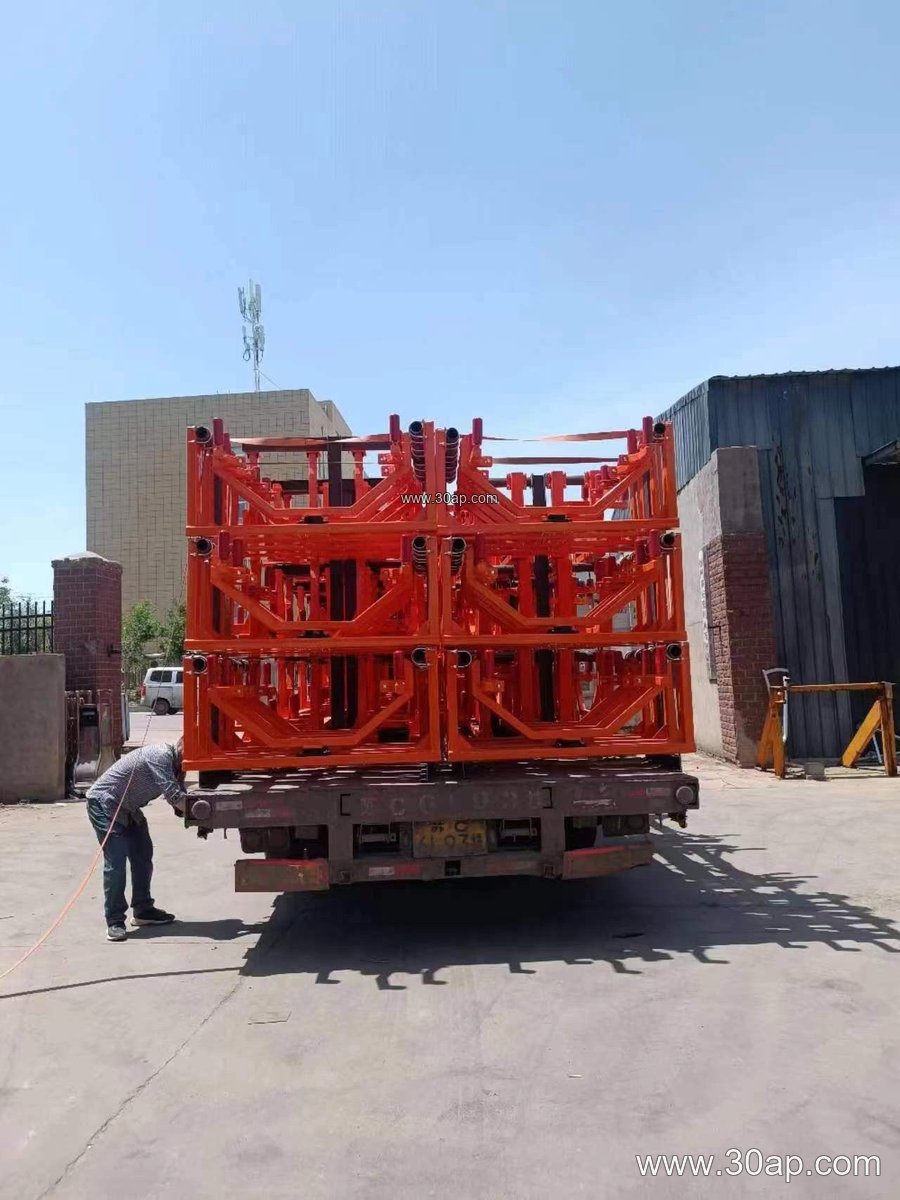
Reference dimensions often seen in bracket design
The table below shows typical values used for reference in design discussions. Actual hole spacing and beam length depend on the belt width, trough angle, and frame layout, so they should always be confirmed against the drawing.
| Belt width | Typical trough angle | Common idler diameter | Bracket note |
|---|---|---|---|
| B500 | 20–30 degrees | Ø89 | Light frame, short beam |
| B650 | 30 degrees | Ø89 | Standard quarry line |
| B800 | 35 degrees | Ø108 | Common cement plant size |
| B1000 | 35–45 degrees | Ø133 | Reinforced mounting plates |
| B1200 | 45 degrees | Ø133 | Heavy trough bracket |
| B1400 | 35–45 degrees | Ø159 | Transition zones need care |
| B1600 | 35–45 degrees | Ø159 | Mining duty frame |
| B1800 | 35–45 degrees | Ø194 | Heavy beam section |
| B2000 and above | 35–45 degrees | Ø194 | Custom frame design |
Where It Fits on the Conveyor
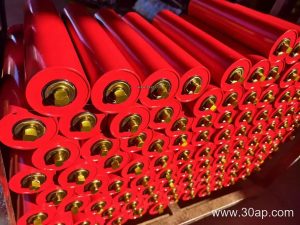
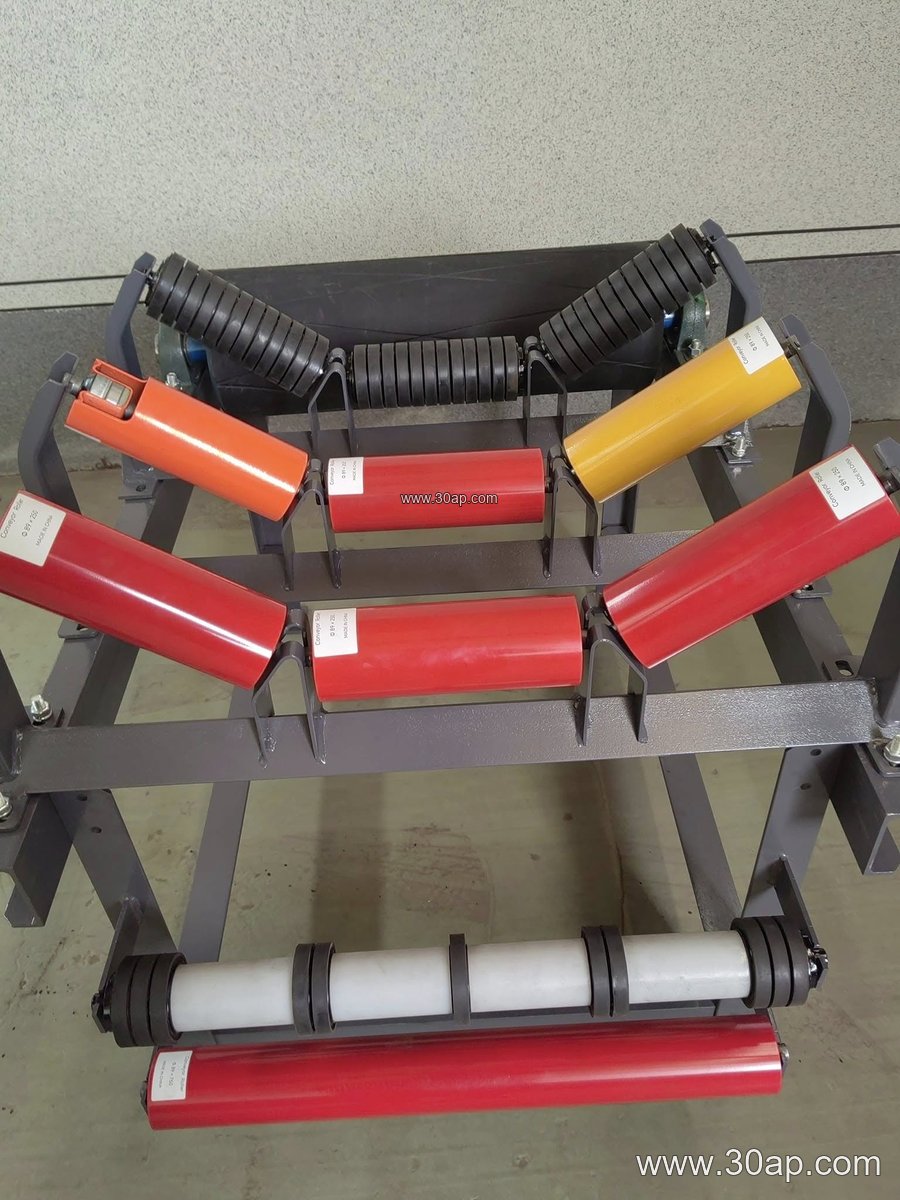
On the carrying side, the heavy-duty conveyor bracket supports troughing idlers that shape the belt into a trough. On the return side, a return bracket or V-type return bracket holds the belt flat or in a V shape after discharge. Near the head and tail, transition brackets change the trough angle gradually so the belt does not pinch at the pulley. In coal mining and underground mining conveyor systems, brackets must be compact yet strong because space is tight and loads are high.
In a crushing and screening plant, brackets under the crusher discharge area often combine with impact idlers to absorb lump weight. In a limestone quarry or iron ore stockyard, dust and grit collect around the mounting holes, so brackets should be easy to clean and inspect. The same logic applies in a sand making line, a port ship loading system, and a fertilizer bulk handling plant.
Working With the Belt and Other Hardware
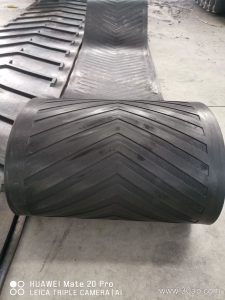
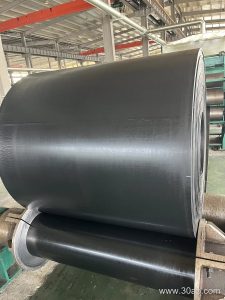
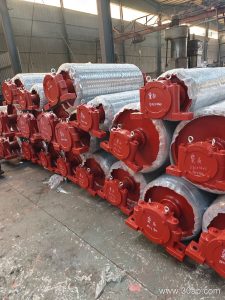
A bracket is only one part of the assembly. The conveyor belt carries the load, the idler roller supports it, and the conveyor pulley drives or redirects it. If the bracket is weak or out of square, even a high-strength belt such as an EP conveyor belt or a steel cord conveyor belt will mistrack. That is why bracket alignment matters for any contact surface, from a rubber conveyor belt in a cement plant to a flame retardant conveyor belt in a coal mine.
When selecting a bracket, check the belt width and idler diameter together, not as a fixed pairing. A B1200 belt may run with Ø133 or Ø159 idlers depending on load, speed, and design. A B800 line in a small aggregate plant might use Ø108, while a heavy B1800 ore line usually needs a larger roller and a stiffer bracket. Ask the frame supplier for the mounting hole spacing, beam length, and material thickness rather than assuming a standard size. On this site, conveyor bracket and idler roller drawings are usually reviewed together before ordering.
Buyer Checklist
- Confirm belt width, trough angle, and idler diameter before ordering.
- Decide between fixed and adjustable brackets based on maintenance access.
- Check steel section and plate thickness for the expected load.
- Match hole spacing to the existing frame, not just to the idler.
- Review the bracket together with the pulley and conveyor belt layout to avoid tracking problems.
A well-chosen heavy-duty conveyor bracket keeps the whole conveyor frame steady, reduces idler wear, and protects the belt from edge damage. In a busy coal handling, cement, or quarry operation, that stability is what keeps the line running between maintenance stops.