What an Ore Conveyor Pulley Does on a Bulk Handling Line
An ore conveyor pulley is the rotating drum that drives, tensions, or redirects the belt on a heavy-duty bulk handling conveyor. In a crusher discharge line, a sinter plant, or a port stockyard, the pulley is the point where motor torque becomes belt motion. The term covers several positions on the same machine, and the position determines the design. A drive pulley (also called the head pulley) transmits power at the discharge end. A tail pulley turns the belt at the loading end. A bend or take-up pulley changes belt direction or maintains tension. These roles are related but not interchangeable, so a buyer should always specify the duty position, not just the drum size.
Construction and Surface Options
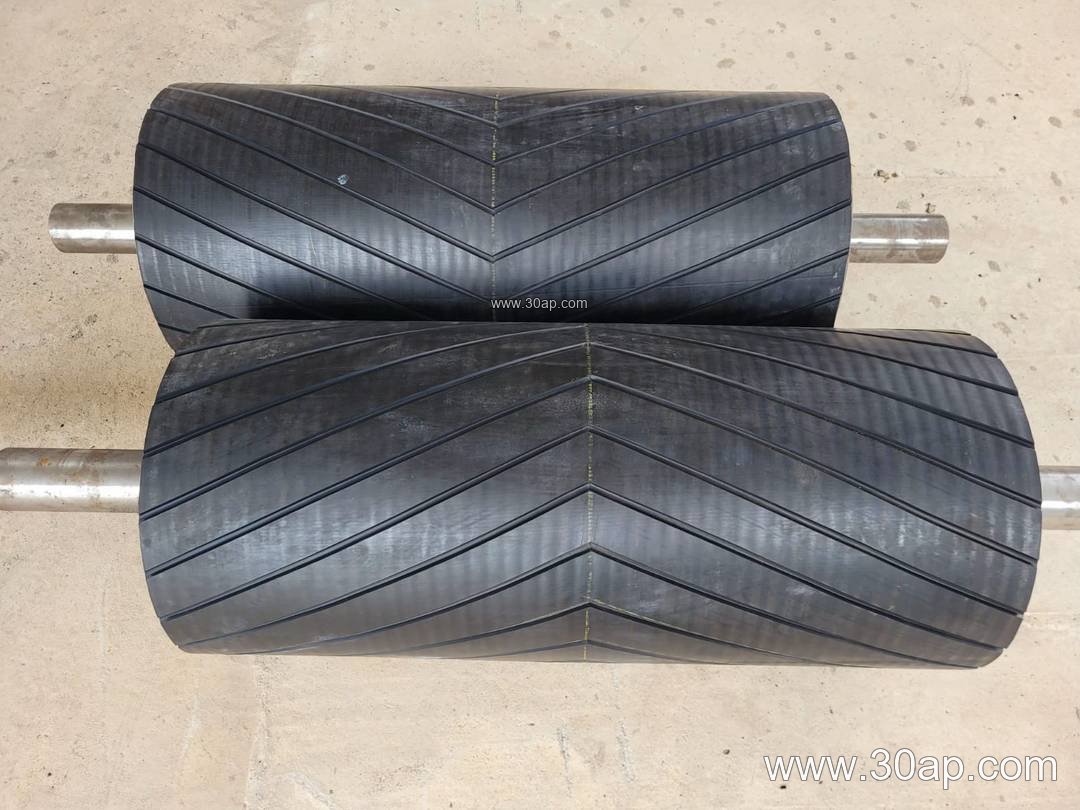
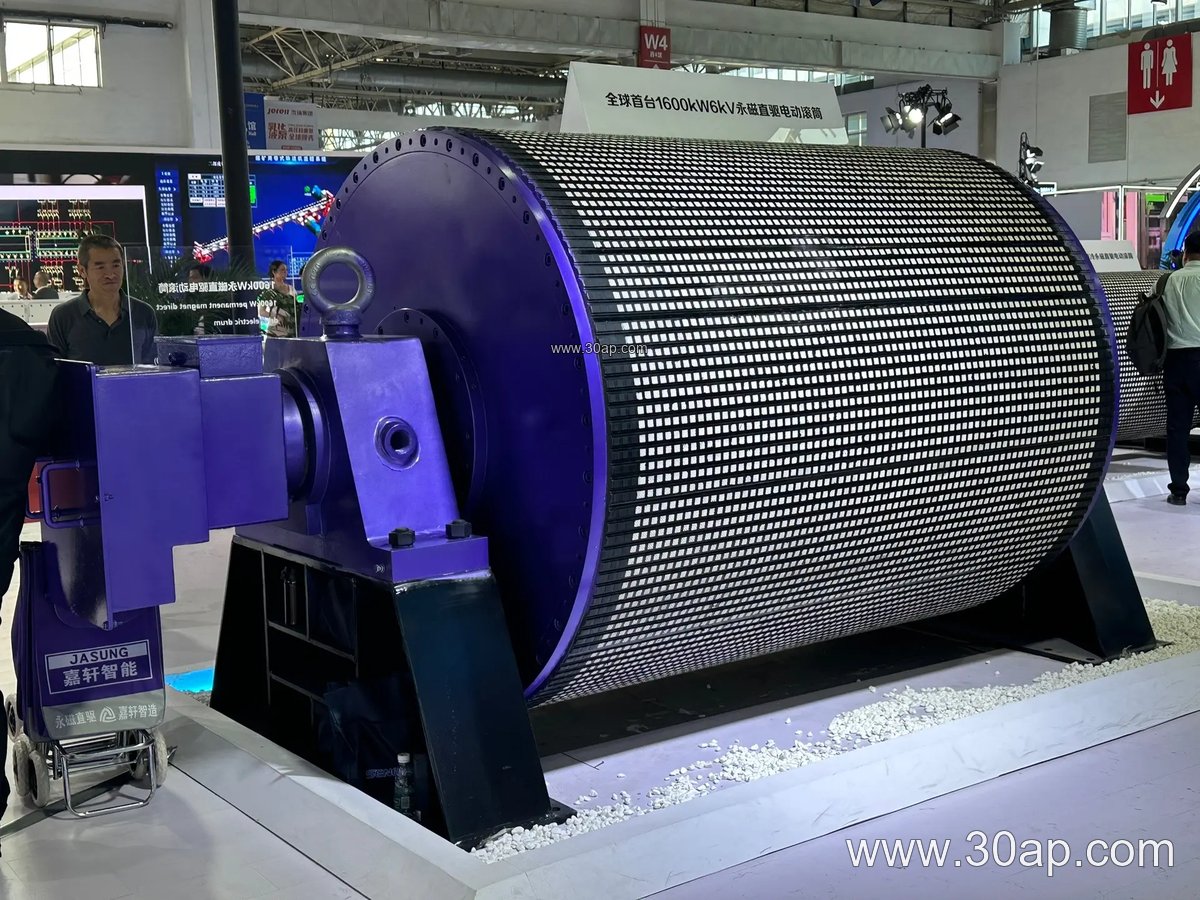
A typical ore conveyor pulley consists of a cylindrical shell, end discs, a shaft, and bearing housings. The shell may be seamless tube or rolled plate, and the shaft is sized by torque and radial load rather than by belt width alone. Surface finish matters as much as shell thickness. Plain (smooth) shells suit some non-drive positions; lagged shells improve grip and protect the shell from abrasive ore. Common lagging choices include hot-vulcanized rubber, cold-bonded rubber, diamond grooving, herringbone grooving, and ceramic tiles. Lagging thickness is often 8, 10, 12, 15, or 20 mm depending on the duty.
| Parameter | Common reference values |
|---|---|
| Belt width | B400, B500, B650, B800, B1000, B1200, B1400, B1600, B1800, B2000 |
| Pulley diameter | Ø200, Ø250, Ø315, Ø400, Ø500, Ø630, Ø800, Ø1000, Ø1250, Ø1400, Ø1600 |
| Shaft diameter | Ø50, Ø60, Ø70, Ø80, Ø90, Ø100, Ø120, Ø140, Ø160, Ø180, Ø200 |
| Lagging thickness | 8, 10, 12, 15, 20 mm |
| Face width example | B800 about 950 mm, B1000 about 1150 mm, B1200 about 1400 mm |
Combinations such as B800 × Ø500 or B1200 × Ø1000 are common in project drawings, but no single belt width locks a pulley to one diameter. The diameter follows belt tension, wrap angle, and the allowable bending fatigue of the belt.
Where It Fits in the Plant
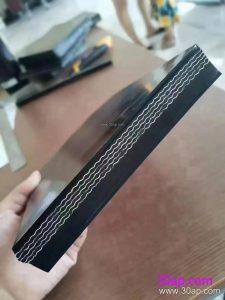
In an iron ore beneficiation circuit, the drive pulley at the crusher discharge sees sharp, dense lumps and constant shock. In a coal preparation plant, flame retardant conveyor belt and anti-static properties often govern the belt choice, while the pulley lagging must resist fines and moisture. In a cement plant, clinker dust and heat influence both the belt compound and the lagging. Aggregate lines and quarry conveyors usually favor abrasion resistant conveyor belt combined with thick rubber lagging. Port bulk terminals handling iron ore or copper ore concentrate need high-tension drives, often paired with steel cord conveyor belt or EP conveyor belt constructions. Whatever the site, the pulley must match the belt: a heavy-duty mining conveyor belt needs a robust shell, adequate shaft, and lagging that will not tear under slip.
Selection Points Buyers Should Confirm
- Duty position: drive, tail, bend, take-up, or snub. Each has different load and wrap requirements.
- Belt data: width, tension rating, and construction, for example EP1000 or ST1600, so the pulley diameter supports the belt’s fatigue life.
- Lagging type and thickness: rubber, diamond, herringbone, or ceramic, chosen for grip and wear.
- Shaft and bearing sizing based on calculated torque and radial load, not on width alone.
- Balance grade and runout for high-speed drives.
- Environmental factors: dust, moisture, temperature, and washdown.
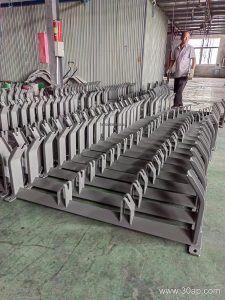
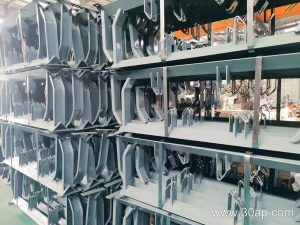
On site, keep the pulley aligned with the conveyor bracket and check that the idler roller train and belt tracking are correct before blaming the drum for misalignment. Inspect lagging wear, check bearing temperature, and confirm that belt cleaners are not damaging the surface.
Maintenance and Belt Interaction
An ore conveyor pulley rarely fails alone. Poor tracking, overloaded belt, or worn lagging accelerates wear on the shell and bearings. During shutdowns, check lagging grooves for embedded rock, verify shaft key and locking devices, and confirm that the belt splice is not causing impact. Where the line uses a corrugated sidewall conveyor belt or a pipe conveyor belt, the pulley geometry and face width must be confirmed against the belt profile. For most buyers, the safest approach is to provide the full duty data: belt width, belt type, speed, tension, and position. That lets the supplier size the ore conveyor pulley properly instead of guessing from one dimension.