What an Endless Conveyor Belt Is
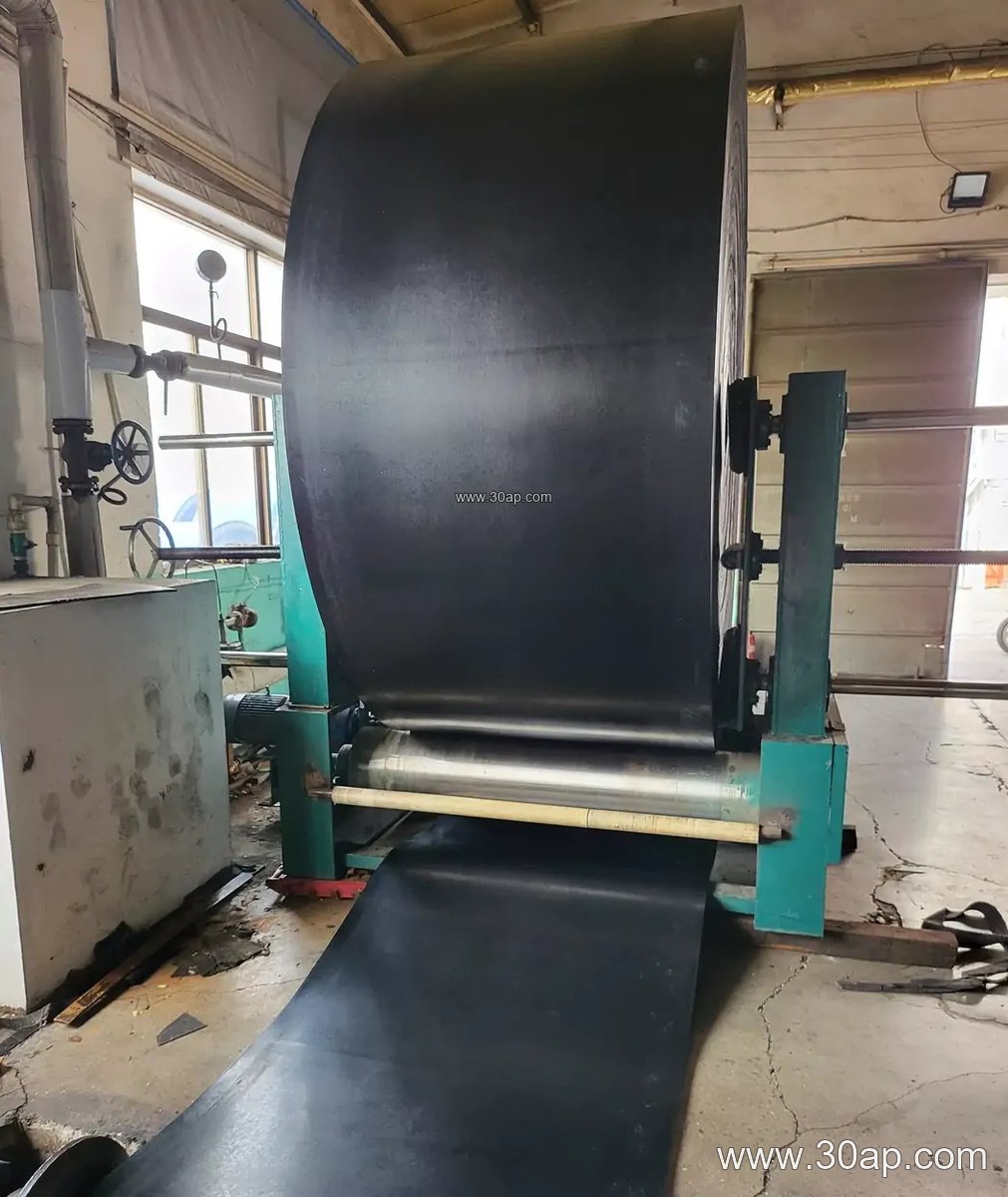
An endless conveyor belt is a belt that has been joined into a continuous loop before installation, so the finished belt has no visible mechanical fastener at the carrying surface. Instead of being clipped together on site with metal hinges or plates, the belt ends are spliced permanently, either by vulcanized hot splicing or by a stepped cold-bonded joint. The result is a smooth, closed circuit that runs over the drive pulley, tail pulley and bend pulleys of a conveyor frame.
The term describes a finished belt condition rather than a carcass type. The same loop can be built from an EP conveyor belt, an NN conveyor belt, a multi-ply fabric core construction, or a steel cord conveyor belt, depending on the duty. Because the joint is made in a workshop or under controlled conditions, tension is distributed more evenly across the full width, which helps the belt track straighter and reduces the chance of edge damage at the splice.
How the Loop Is Built
Manufacturing starts with a flat belt of the required width and carcass. The ends are cut into stepped fingers or bias steps, the steps are matched, and rubber compound is inserted between the layers. Heat and pressure then cure the joint so that it becomes part of the belt body. For heavier duties, the splice length increases so that the joint can carry the same load as the rest of the belt.
Key construction choices include:
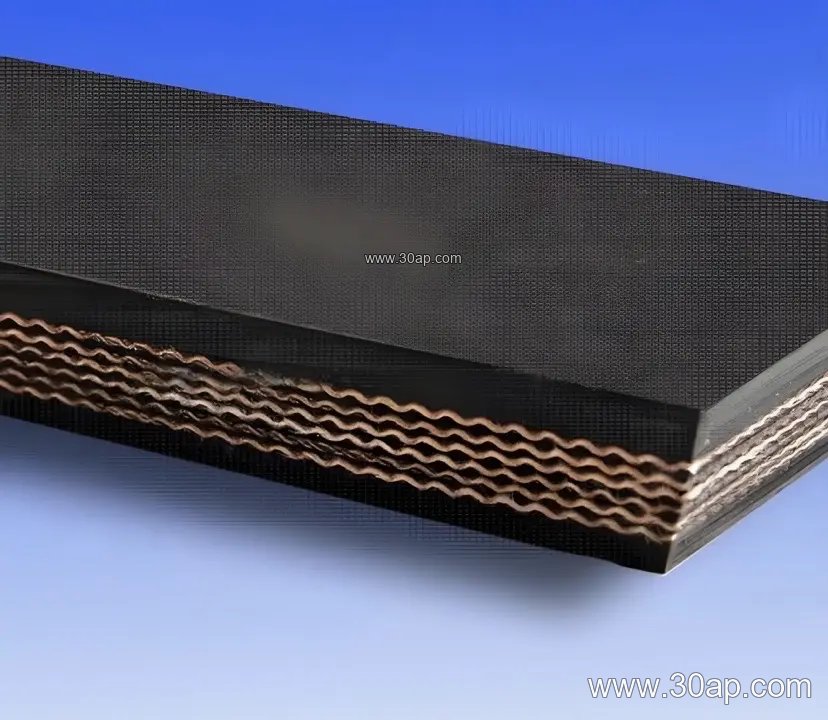
- Carcass: EP fabric, NN fabric, or steel cord, with 2 to 6 plies common in fabric constructions.
- Cover grades: abrasion resistant, heat resistant, oil resistant, flame retardant, anti-static, cold resistant, or food grade.
- Cover thickness: combinations such as 3+1.5 mm, 4+2 mm, 5+2 mm, 6+2 mm, and 8+3 mm are common, with the first figure being the top cover.
- Surface form: plain, chevron, or corrugated sidewall with skirted edges for steep inclines and material containment.
Widths generally follow standard ranges such as B500, B650, B800, B1000, B1200, B1400, B1600, B1800, and B2000, though wider or narrower loops can be made to order. Strength grades for fabric belts are usually quoted as EP200, EP400, EP630, EP800, EP1000, EP1250, or EP1600, while steel cord belts are quoted as ST1000, ST1600, ST2000, and similar. These figures are reference values, not a fixed match to any one pulley diameter.
Where Endless Belts Fit Best
A closed loop is preferred wherever joint failure would stop production or create a safety risk. In a coal mining conveyor belt system, an underground mining conveyor belt often uses a flame retardant and anti-static loop to reduce ignition risk. Cement plants use heat resistant loops on clinker lines and abrasion resistant belts on limestone and aggregate transfer. Power plants rely on them for coal and ash handling, while quarry conveyor belts and crusher conveyor belts benefit from a smooth splice that will not catch on skirts or discharge ploughs.
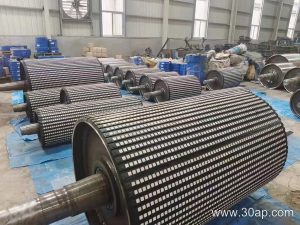
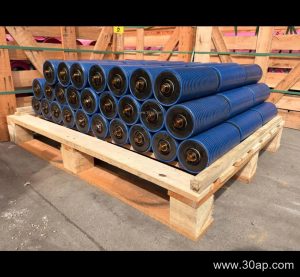
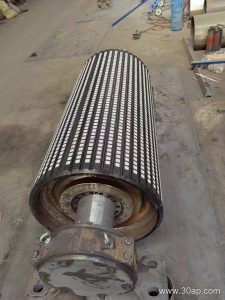
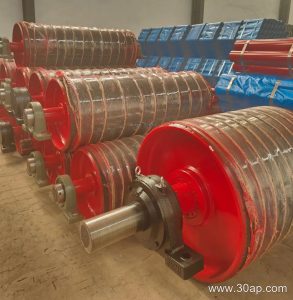
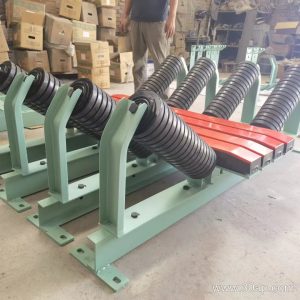
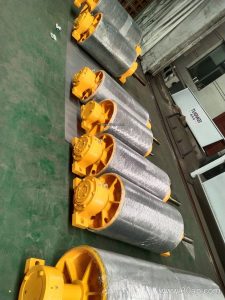
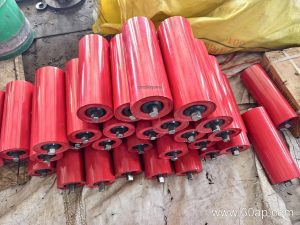
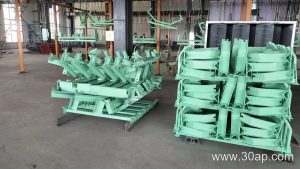
Other typical users include steel plants, port and ship loading systems, sand making plants, and recycling lines. In each case the belt works with conveyor pulleys, idler rollers, and conveyor brackets that must be aligned to keep the loop centered. A poorly aligned frame will shorten the life of even a well-made splice.
Buyer Checklist Before Ordering
Buyers should confirm the material being carried, lump size, temperature, and whether oil, acid, or alkali is present. They should also state the center distance and whether the loop must be installed by slipping it over the frame or by removing a pulley. For long centers, a steel cord or high-strength EP design may be needed; for steep inclines, a chevron or corrugated sidewall profile helps hold the load.
Ask for the splice method, joint efficiency, cover grade, and the exact width and thickness. Verify that the specified belt can pass the bend pulleys and take-up travel without over-stressing the splice. A clear specification avoids the common mistake of ordering a loop that is too short, too stiff, or fitted with the wrong cover for the duty.
For more on matching belts to frames and rollers, see the selection notes at www.beltconveyorparts.com and www.beltconveyorparts.com/endless-conveyor-belt.