What a Heavy-Duty Lagged Pulley Does on the Line
In a high-tonnage bulk handling circuit, the pulley at the head of the conveyor is more than a rotating drum. A heavy-duty lagged pulley is the drive or tail drum built with a thick, wear-resistant rubber or ceramic lagging bonded to its shell so that it can grip a loaded belt and keep it tracking under continuous load. The lagging raises friction between the drum face and the conveyor belt, reduces slip during start-up, and protects the shell from abrasive material that works its way onto the surface.
These drums are common in quarry and limestone pits, iron and copper concentrators, coal preparation plants, cement clinker lines, power station coal yards, and port bulk terminals where belts run wide and heavy. A single unit may carry several thousand tonnes per hour, so the shell, shaft, bearing housings, and locking assemblies are sized well beyond the duty of a light-duty conveyor pulley.
How the Drum and Lagging Are Built
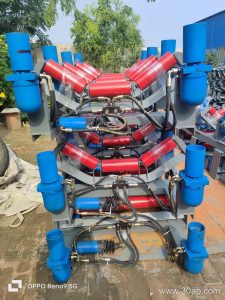
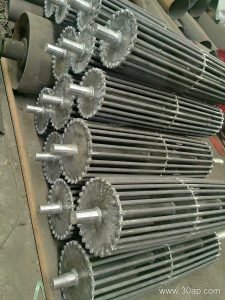
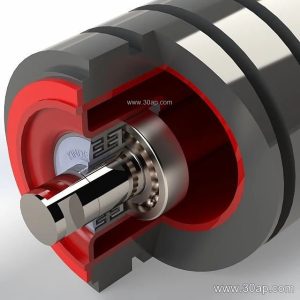
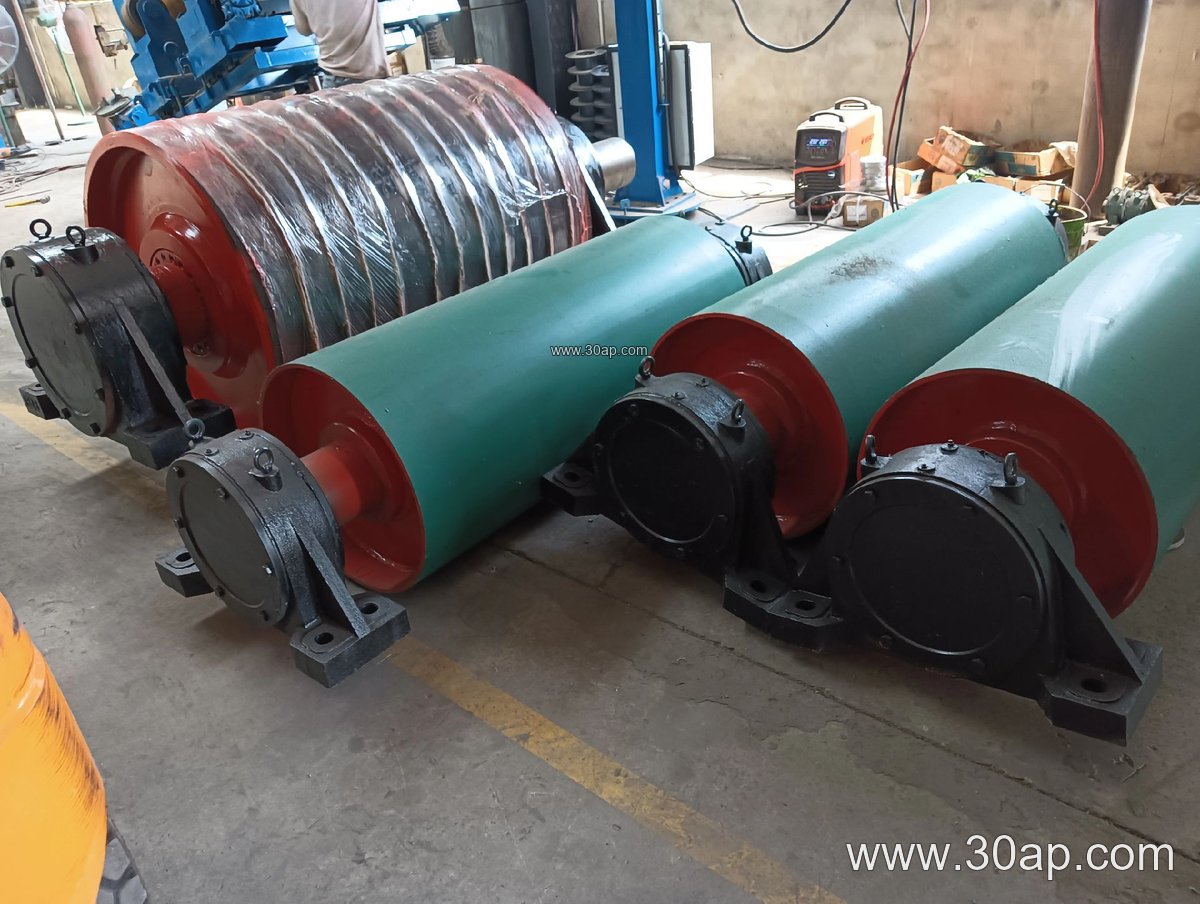
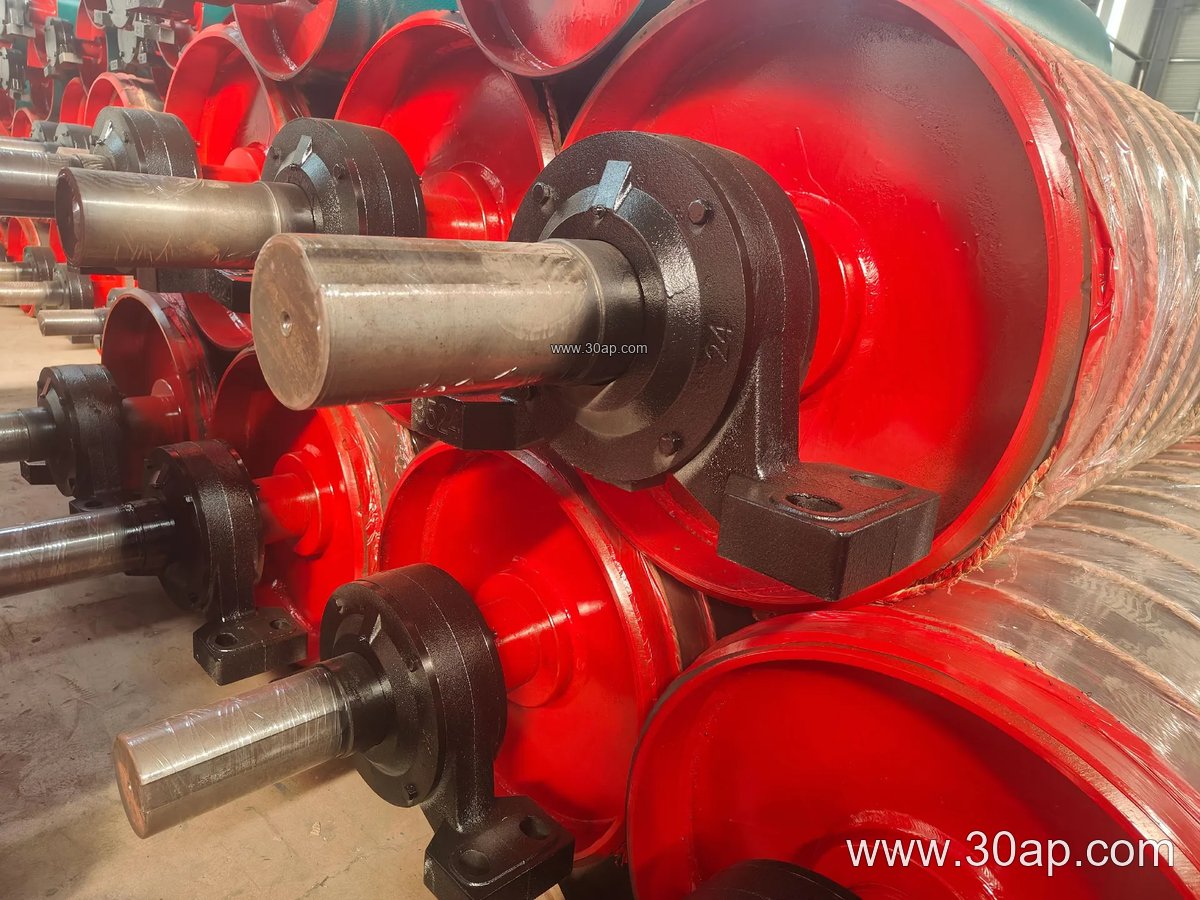
The shell is usually rolled from steel plate and welded to end discs, then machined to a true diameter so the lagging sits flat. The shaft is keyed or shrink-fitted into the hub, and bearing housings sit on conveyor brackets that bolt to the main frame. Lagging is applied in one of several ways: hot-vulcanized rubber, cold-bonded sheet, cast rubber, diamond or herringbone grooved rubber, or ceramic tiles set in a rubber matrix. Grooved patterns help shed water and fines, while ceramic tiles suit the most abrasive iron ore and sinter duties.
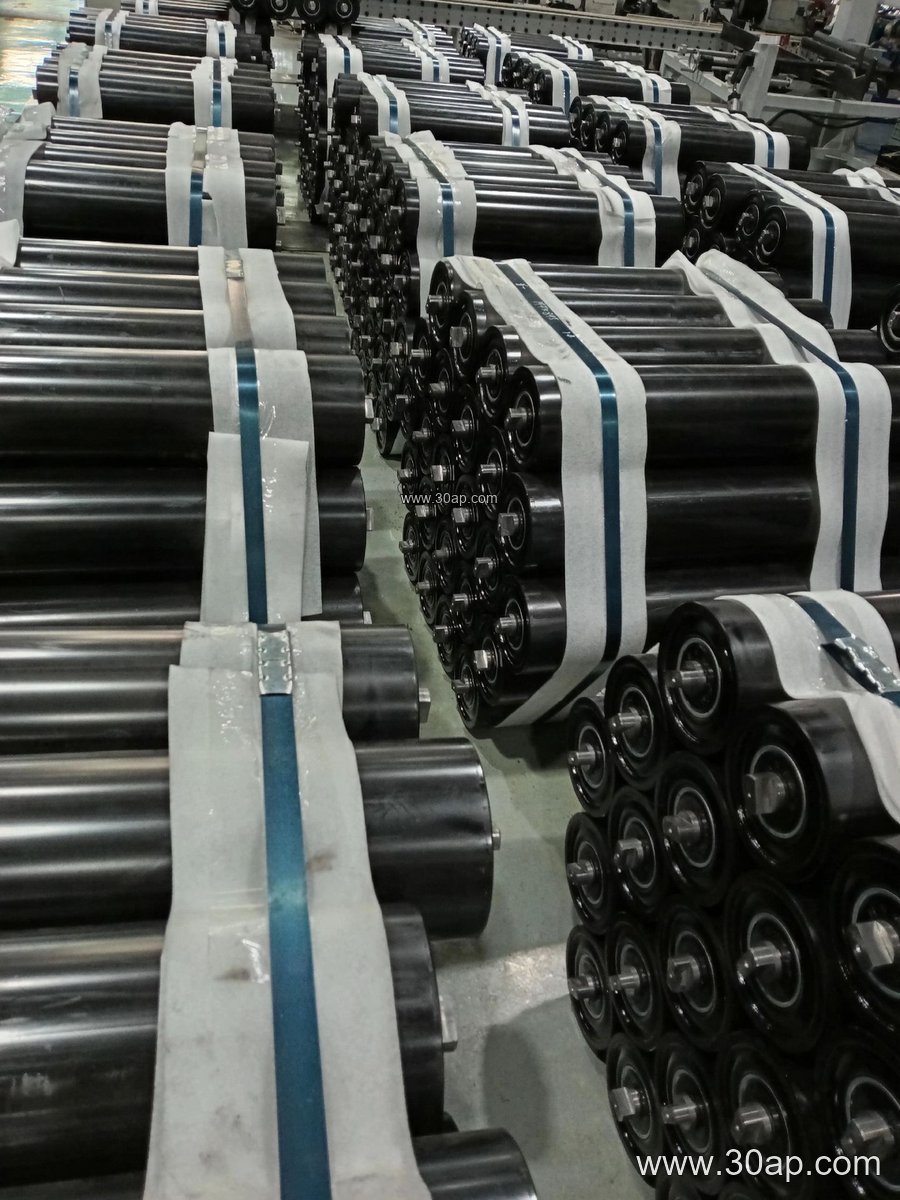
Rubber thickness is commonly 8, 10, 12, 15, or 20 mm, chosen with the belt tension and material abrasiveness in mind. The drum face is normally wider than the belt; for example, a B800 belt often runs on a drum about 950 mm wide, and a B1200 belt on one around 1400 mm. These are typical proportions, not fixed pairings, since the designer decides the final width and diameter together.
Typical Size Combinations and Reference Data
The table below shows common reference combinations seen in heavy conveying projects. Final values depend on belt tension, torque, and the load the shaft must carry.
| Belt Width | Common Drum Face Width | Example Drum Diameter | Example Shaft Diameter |
|---|---|---|---|
| B500 | about 600 mm | Ø400 mm | Ø60–Ø80 mm |
| B650 | about 750 mm | Ø500 mm | Ø70–Ø90 mm |
| B800 | about 950 mm | Ø500–Ø630 mm | Ø80–Ø100 mm |
| B1000 | about 1150 mm | Ø630–Ø800 mm | Ø90–Ø120 mm |
| B1200 | about 1400 mm | Ø800–Ø1000 mm | Ø100–Ø140 mm |
| B1400 | about 1600 mm | Ø800–Ø1250 mm | Ø120–Ø160 mm |
| B1600 | about 1800 mm | Ø1000–Ø1400 mm | Ø140–Ø180 mm |
| B1800 | about 2000 mm | Ø1250–Ø1600 mm | Ø160–Ø200 mm |
Remember that shaft diameter follows torque and bearing load, not belt width alone. A wide, slow belt and a narrow, fast belt can demand very different shafts.
Matching the Lagging to the Duty
On a coal mining conveyor or an underground coal mining conveyor, flame retardant and anti-static properties matter as much as grip, and the lagging should be specified together with a flame retardant conveyor belt or fire resistant conveyor belt to keep the whole system consistent. In a cement plant or a power plant handling hot clinker or ash, a heat resistant conveyor belt may run over the same drum, so the lagging compound must tolerate warm surfaces without softening.
For abrasive ore and aggregate lines, a high abrasion resistant conveyor belt paired with ceramic or thick rubber lagging gives the longest service life. Where oil or chemicals are present, an oil resistant conveyor belt or chemical resistant conveyor belt protects the belt, while the drum lagging should be selected to resist swelling. In cold climates, a cold resistant conveyor belt and a lagging grade that stays flexible below freezing avoid cracking at start-up.
Heavier belts such as steel cord conveyor belt, EP conveyor belt, NN conveyor belt, and multi-ply fabric core conveyor belt all place different demands on the drum. A steel cord conveyor belt usually needs a larger diameter and a smooth, well-bonded lagging to spread tension evenly, while an EP1000 or EP1250 belt on a B1200 or B1400 system may work with a mid-size drum. Chevron conveyor belt, skirted conveyor belt, and corrugated sidewall conveyor belt often run on smaller tail drums, so confirm the profile clears the lagging surface.
Buyer Checklist Before Ordering
- Confirm the drum role: drive, tail, bend, or tension position, because each has different grip and alignment needs.
- State the belt type and width, for example a 1200mm wide conveyor belt or an 1800mm wide conveyor belt, so the face width can be set correctly.
- Provide the calculated belt tension and torque so the shaft and bearings are sized properly.
- Choose lagging thickness and pattern based on abrasion, moisture, and material size.
- Check that the conveyor pulley fits the existing frame and that conveyor brackets and bearing housings match the bolt pattern.
- Ask for the balancing grade and runout tolerance, since an unbalanced heavy-duty lagged pulley shortens bearing life.
On chengxinconveyor.com, buyers often compare drum options alongside idler roller and conveyor belt specifications, and the same approach works here: match the drum to the belt, the load, and the environment rather than to a catalogue number alone.