What a Steel Plant Conveyor Belt Has to Handle
A steel plant is an unforgiving place for any material handling system. A steel plant conveyor belt may carry sinter, pellets, coke, limestone, iron ore, scale, slag, or finished product across long distances, often in heat, dust, and continuous operation. The belt is not simply a rubber loop; it is a engineered composite of cover compounds, carcass reinforcement, and splice design that must match the duty cycle of the plant.
Because the same plant may run several circuits, buyers often specify different constructions for different lines. A raw material yard may use an abrasion resistant conveyor belt, while a coke or sinter line may need a heat resistant conveyor belt. The key is to define the actual material, temperature, lump size, and loading method before choosing a construction.
Construction and Carcass Options
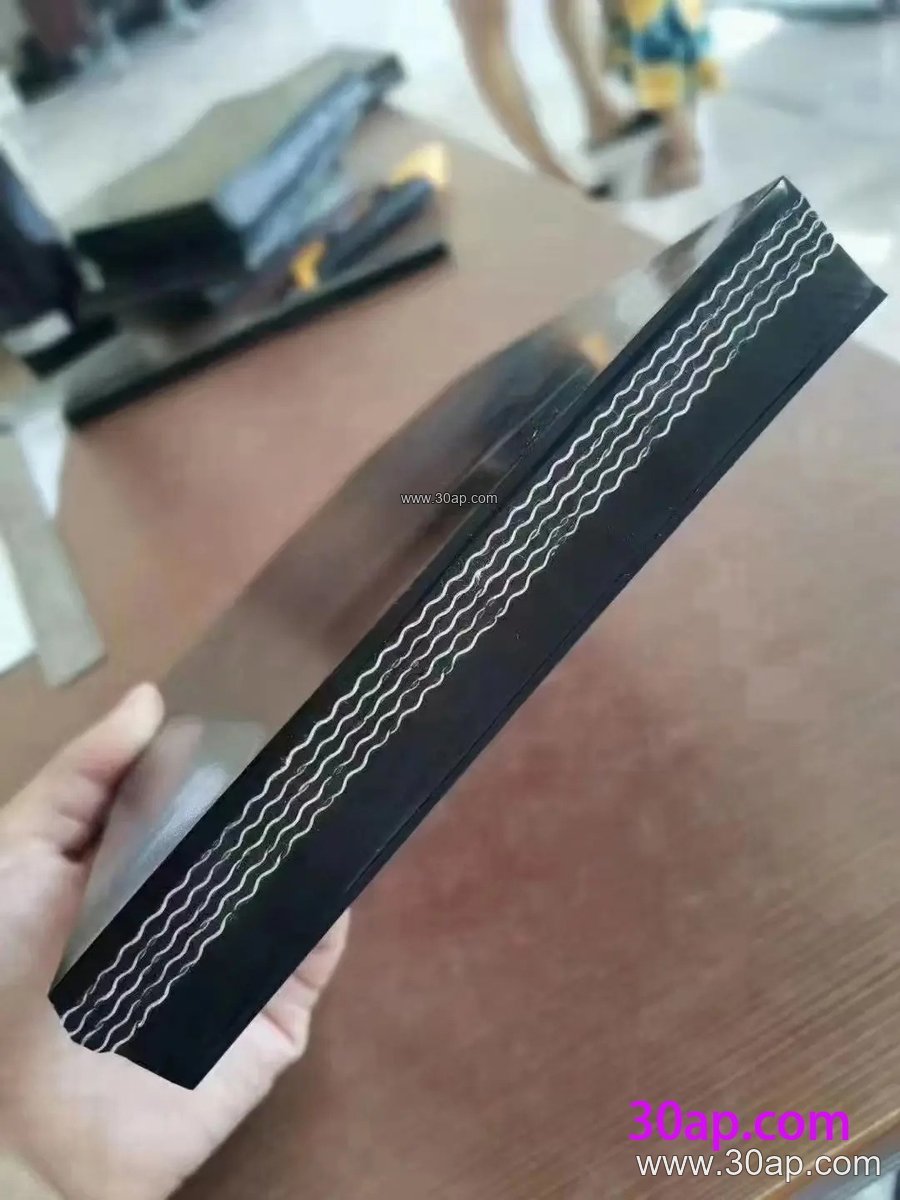
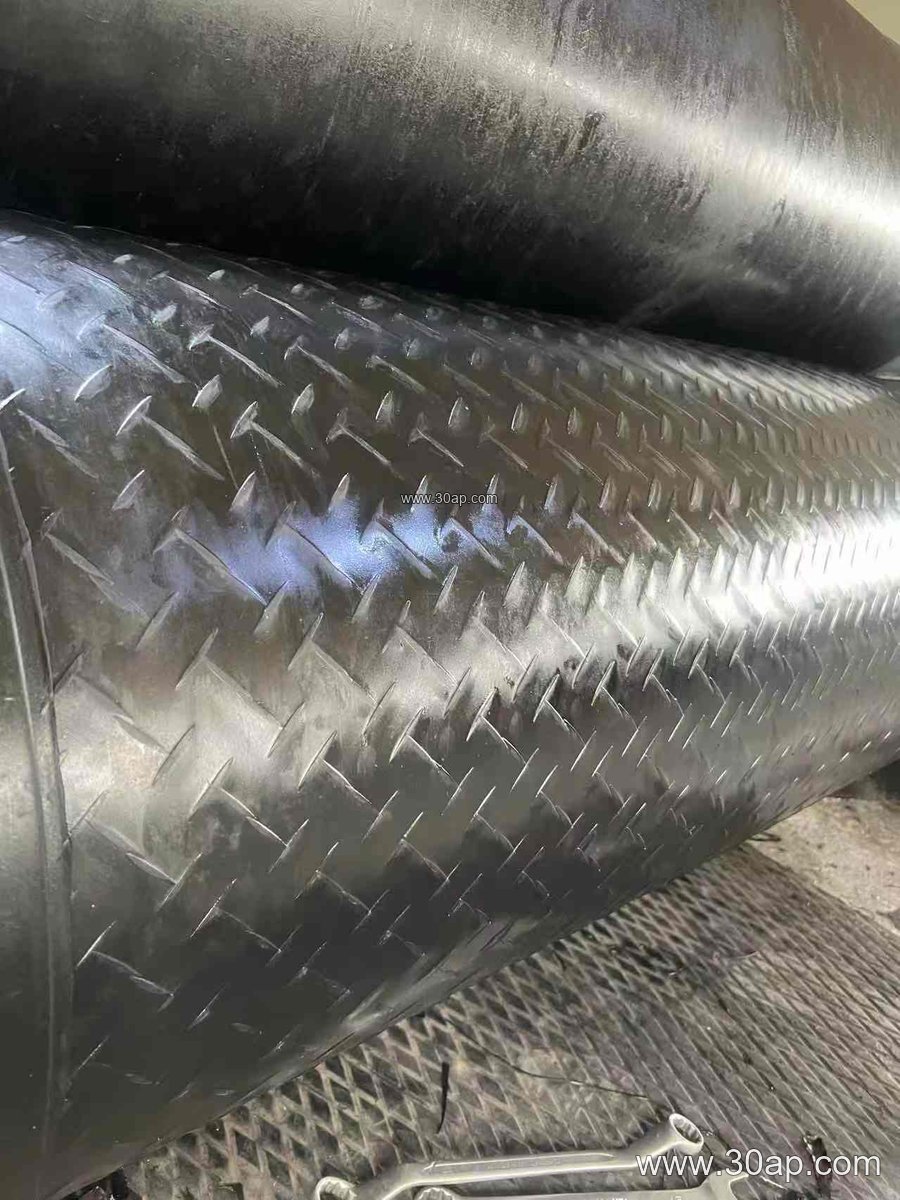
The carcass carries the tension. In a steel plant, common choices include fabric core and steel cord designs. An EP conveyor belt uses polyester-nylon fabric plies and is widely used where moderate tension and good troughability are needed. An NN conveyor belt uses nylon-nylon fabric and offers high flexibility. For very long conveyors or high tonnage, a steel cord conveyor belt provides high strength with low elongation.
| Construction | Typical Strength Range | Common Use in Steel Plants |
|---|---|---|
| EP fabric core | EP200 to EP2000 | Ore, coke, limestone, general bulk material |
| NN fabric core | NN100 to NN400 | Flexible circuits, moderate loads |
| Steel cord | ST1000 to ST3150 | Long overland or high-tension main lines |
| PVG / PVC | PVG800S, PVG800, PVC grades | Underground or flame retardant service |
Cover thickness is usually stated as top and bottom gauge, for example 5+2 mm or 6+2 mm. A heavy-duty conveyor belt for sinter or lump ore may use a thicker top cover, while a fine material line may use a thinner cover with high abrasion resistance. The number of fabric plies commonly ranges from two to six, depending on the required strength and pulley diameter.
Cover Compounds for Steel Plant Conditions
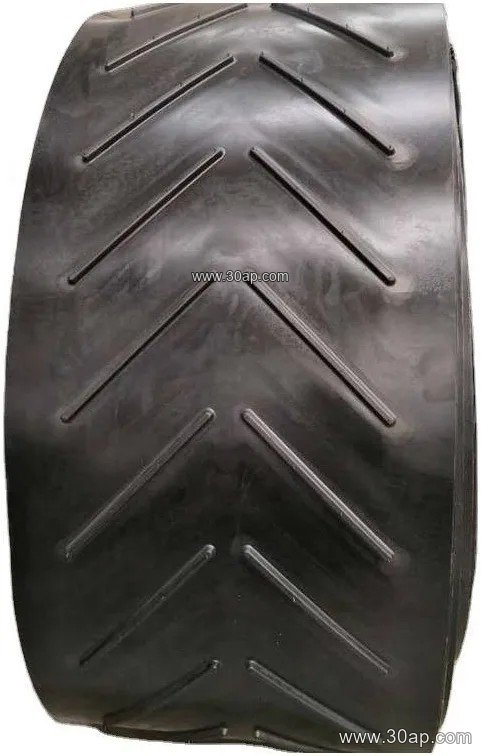
The cover is the first line of defense. Abrasion resistant conveyor belt compounds resist wear from coke, sinter, and ore. Heat resistant conveyor belt grades are used where material temperature is elevated, such as coke or sinter discharge. Oil resistant conveyor belt covers help where lubricants or oily scrap are present. Flame retardant conveyor belt and fire resistant conveyor belt constructions are specified for enclosed galleries, coal handling, and underground mining conveyor belt circuits.
Other options include anti-static conveyor belt for dusty or explosive atmospheres, cold resistant conveyor belt for winter yards, and acid resistant or chemical resistant conveyor belt where process liquids are present. In coal yards and coke plants, a mining flame retardant conveyor belt or mining fire resistant conveyor belt may be required by the site’s safety plan.
Where It Runs and What Else Is Involved
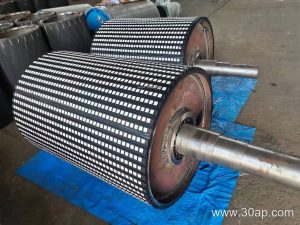
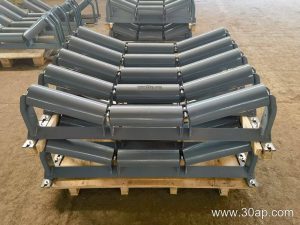
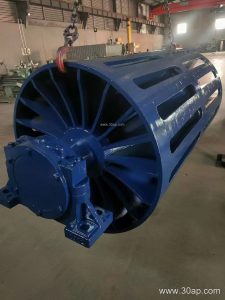
Steel plant conveyors connect stockyards, crushing stations, sinter plants, coke ovens, blast furnace charging, and slag handling. The belt works with conveyor pulleys, idler rollers, and conveyor brackets. Drive, tail, and bend pulleys each have a distinct role and are not interchangeable; the belt’s flexibility and splice must suit the smallest pulley in the run. Idler roller spacing and trough angle affect belt training, while conveyor brackets keep the frame aligned.
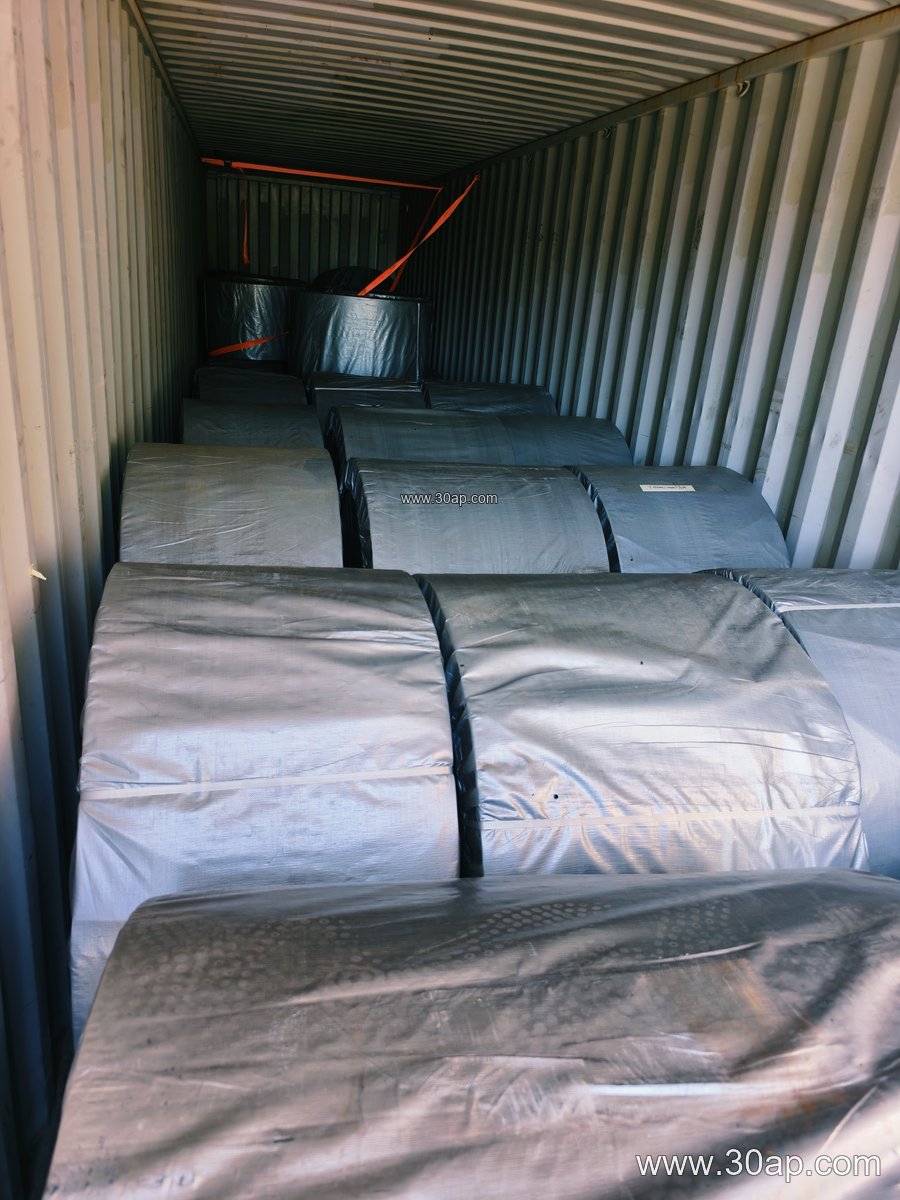
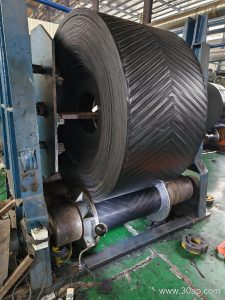
For steep inclines, a chevron conveyor belt or corrugated sidewall conveyor belt may be used to prevent material rollback. For dusty or enclosed routes, a pipe conveyor belt can contain the material. These are alternative designs for specific layouts, not replacements for the main steel plant belt.
Buyer Checklist
- Confirm material type, lump size, temperature, and moisture.
- State the required belt width, such as B800, B1000, B1200, or B1400, and the center distance.
- Define carcass type and strength, for example EP1000 or ST1600, based on calculated tension.
- Specify cover grade and thickness, such as 6+2 mm abrasion resistant or heat resistant.
- Check pulley diameters and splice method with the conveyor designer.
- Confirm flame retardant and anti-static requirements for the site.
Widths from B500 to B2000 are common, but no single width fits every conveyor. A 1200mm wide conveyor belt may suit one main line while a 650mm belt serves a smaller transfer. The final specification should come from the conveyor design, not from a catalog alone. For more on conveyor belt, idler roller, and conveyor pulley coordination, match each component to the actual duty.