What a Carrying Trough Idler Does on a Conveyor
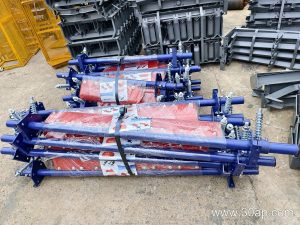
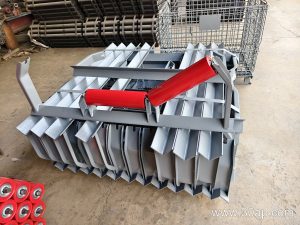
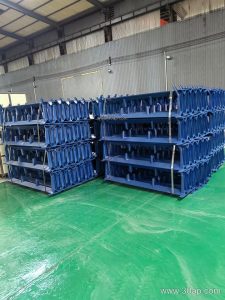
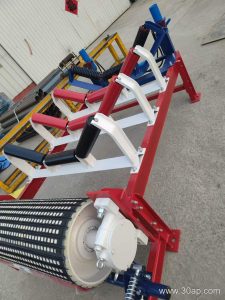
A carrying trough idler is the upper roller assembly that supports the conveyor belt on its loaded run, shaping it into a trough so bulk material stays centered. In a typical three-roll arrangement, the center roll sits flat while the two side rolls angle upward at a trough angle, usually 20, 30, 35 or 45 degrees. This profile reduces spillage and helps the belt track straighter, especially on long overland lines or plant conveyors handling uneven feed. The same assembly is often called a troughing idler or carrying idler; these names describe the same product, not a different component such as a return roller or a bend pulley.
Because the belt carries the material weight, the idler frame, shaft and bearings must handle continuous radial load plus vibration. In a quarry or aggregate line, a carrying trough idler may sit under a heavy-duty mining conveyor belt moving crushed rock; in a cement plant it may support a fabric core conveyor belt carrying clinker or raw meal. The trough angle and roll length are chosen to match belt width and material characteristics, not copied from an unrelated conveyor.
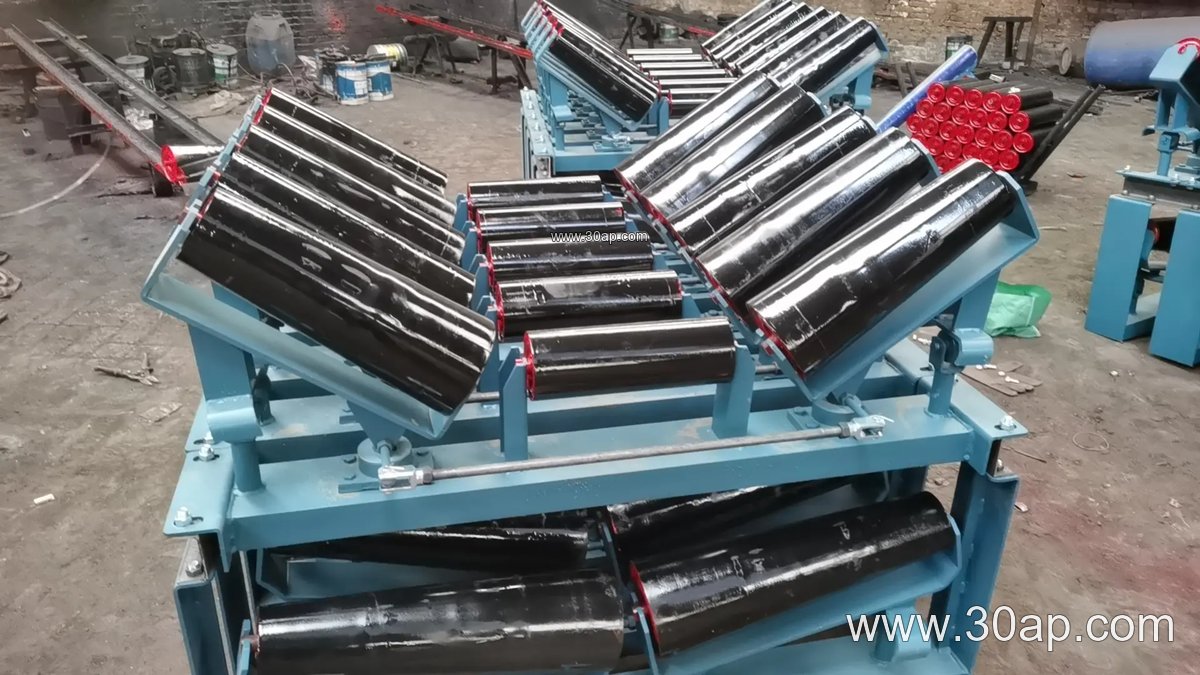
Construction Details That Affect Service Life
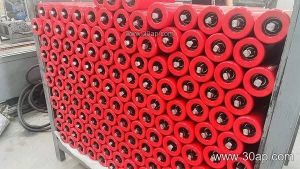
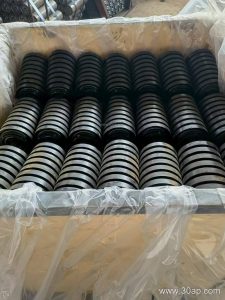
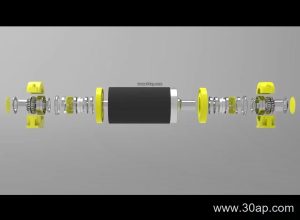
Most carrying trough idlers use steel pipe shells with welded end caps, a through shaft, and sealed ball bearings. Common roll diameters include 63, 76, 89, 102, 108, 127, 133, 159, 178, 194 and 219 mm, while bearing sizes such as 6204, 6205, 6305, 6306, 6308 and 6310 appear across different duty classes. A larger roll diameter does not automatically mean a larger shaft; shaft size is determined by load and frame design. Roll surface options include plain steel, nylon, ceramic and rubber rings. Rubber rings are useful where impact is heavy, for example under a crusher discharge feeding a rock conveyor belt.
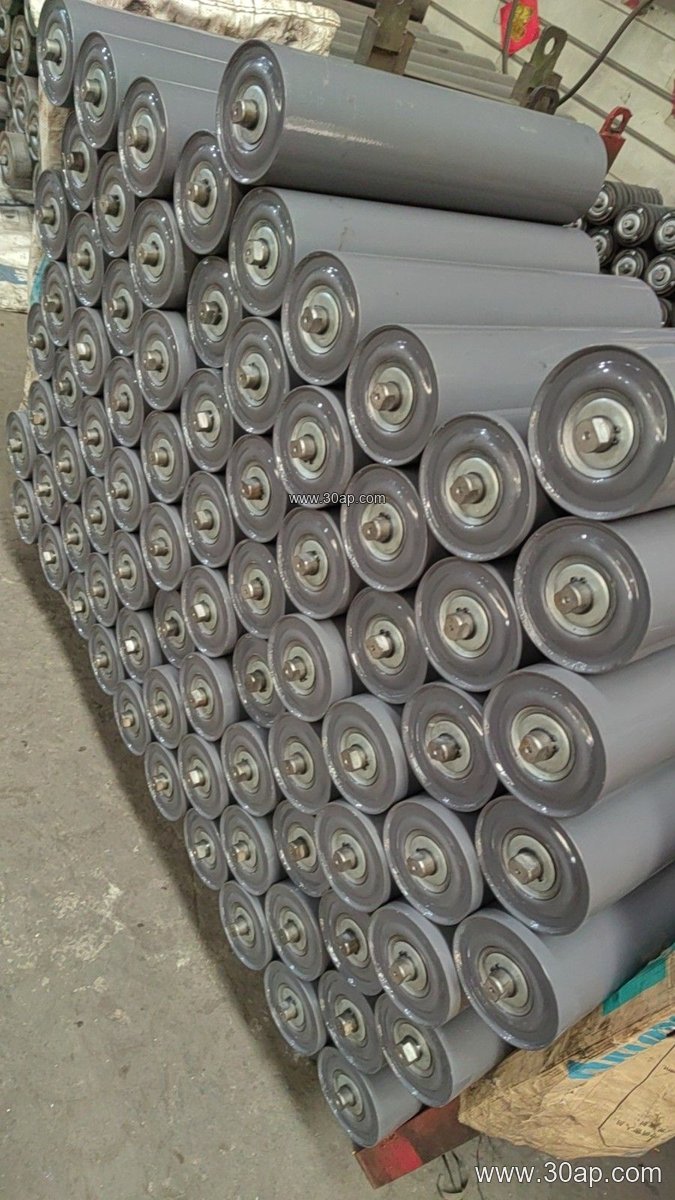
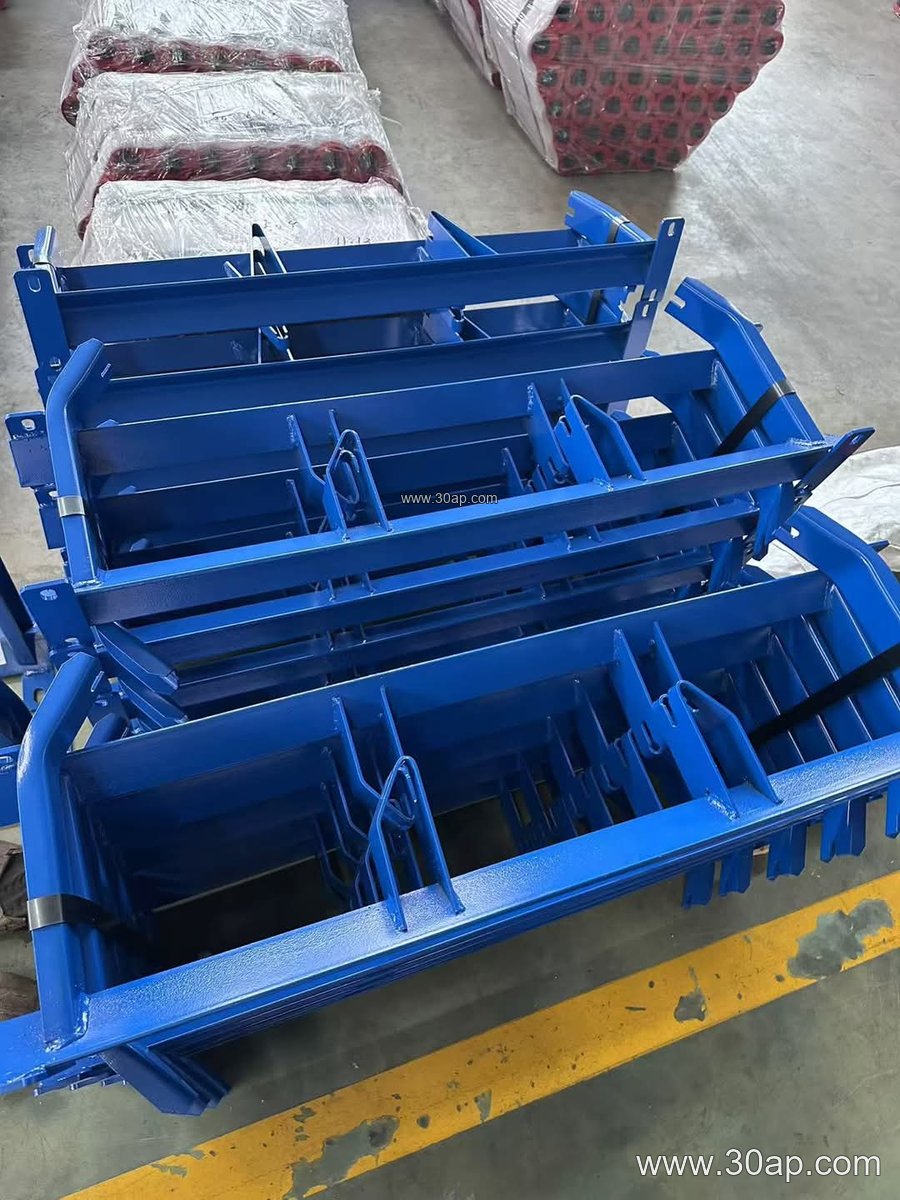
Sealing matters in dusty settings such as a coal mining conveyor belt system or a limestone mine. Labyrinth seals and contact seals keep fines away from the bearing cavity, while grease retention supports longer intervals between maintenance stops. The frame may be fixed or suspended, and it is usually bolted to a conveyor bracket on the stringer. A worn idler roller can cause belt misalignment, so checking shell wear, bearing play and frame squareness is part of routine inspection.
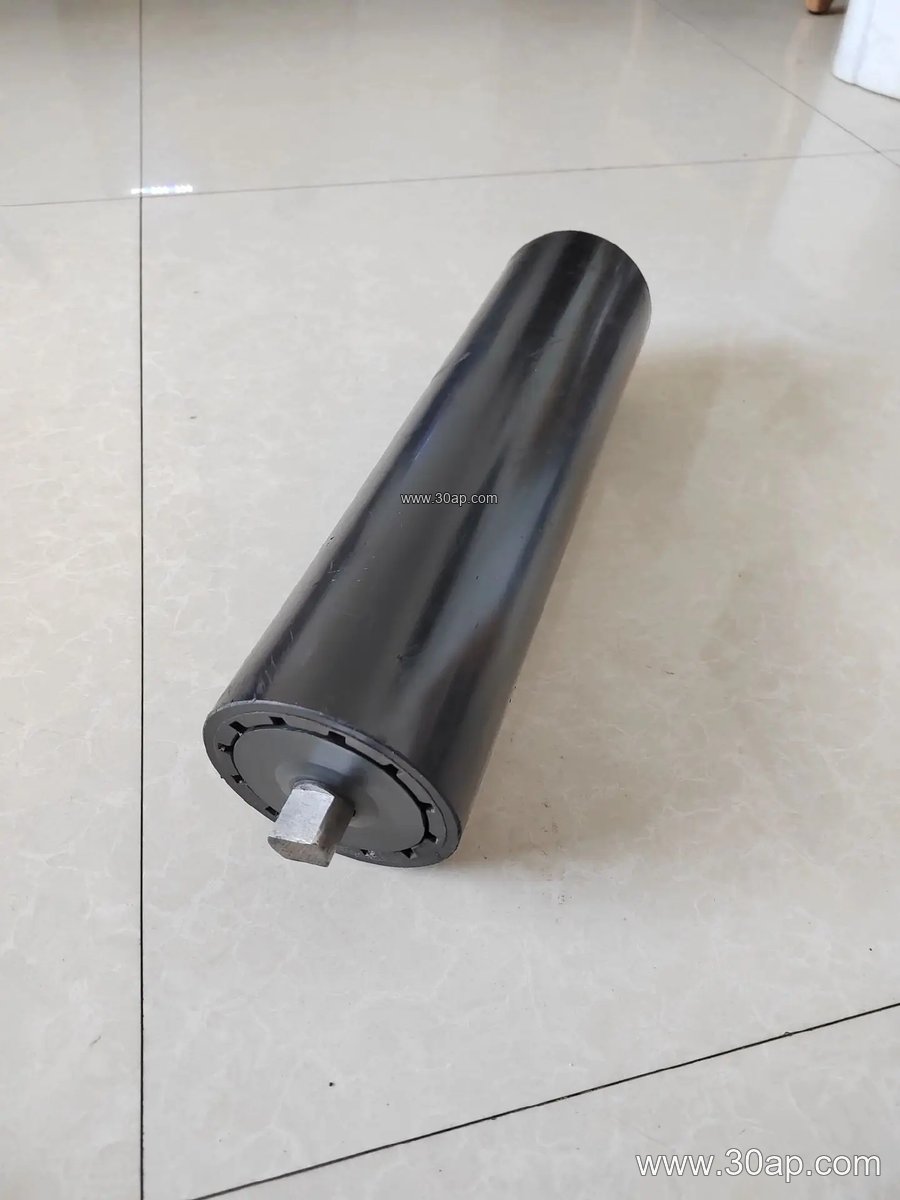
Where Carrying Trough Idlers Are Used
These idlers appear wherever a belt conveyor carries bulk material on its top run. In a coal washing plant, they support a flame retardant conveyor belt through wet and dusty conditions. In a power plant coal yard, a carrying trough idler may run under a steel cord conveyor belt on a high-capacity main line. Sand and gravel operations often use three-roll troughing sets with 30 or 35 degree angles to keep aggregate centered before a screen. In a port ship loading system, wide belts may call for roll lengths around 750 mm for B2000, but final dimensions follow the conveyor design rather than a single rule.
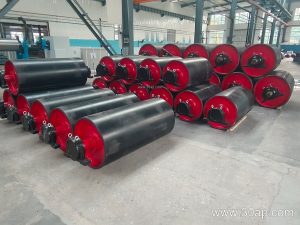
Other industries include fertilizer plants, grain handling, tunnel spoil removal and concrete batching. The material being carried influences the choice of belt cover and idler surface: an abrasion resistant conveyor belt may pair with steel rolls in a crusher circuit, while a heat resistant conveyor belt in a sinter plant needs attention to bearing temperature and grease type. A carrying trough idler is not a substitute for a bend pulley or tail pulley; those pulleys change belt direction, while the idler supports the load.
Common Dimensions and Configuration Reference
The table below gives typical reference values for three-roll carrying trough idlers. These are examples only; side roll and center roll lengths can differ, and the final selection depends on belt width, trough angle, load and frame design.
| Belt width | Common center roll length (mm) | Typical trough angle | Example roll diameter (mm) |
|---|---|---|---|
| B500 | 200 | 20–35° | 76–89 |
| B650 | 250 | 20–35° | 89–108 |
| B800 | 315 | 30–35° | 89–127 |
| B1000 | 380 | 30–35° | 108–133 |
| B1200 | 465 | 30–45° | 108–159 |
| B1400 | 530 | 35–45° | 127–159 |
| B1600 | 600 | 35–45° | 133–178 |
| B1800 | 670 | 35–45° | 133–194 |
| B2000 | 750 | 35–45° | 159–219 |
For transition zones near a conveyor pulley, a transition idler with a smaller trough angle may be used to avoid stressing the belt edges. Self-aligning idlers are a separate subtype and should not be treated as a replacement for the standard carrying trough idler when the task is simply load support.
Buyer Checklist for Carrying Trough Idlers
- Confirm belt width and trough angle before selecting roll length; do not assume one roll length fits every frame.
- Match roll diameter and bearing size to load, speed and environment rather than to belt width alone.
- Specify the roll surface: steel for general service, rubber rings for impact, ceramic or nylon where wear or material build-up is a concern.
- Check seal type and grease compatibility for dusty or wet conditions such as a coal handling or underground mining conveyor belt installation.
- Verify mounting dimensions against the existing conveyor bracket and stringer spacing.
- Ask for the idler’s load rating and allowable misalignment, and keep spare idler rollers for critical lines.
Whether the plant handles iron ore, cement or grain, the carrying trough idler remains a wear item that rewards correct selection and regular inspection. Pairing it with a suitable conveyor belt and well-aligned conveyor pulley reduces edge damage and keeps the line running.