What a Coal Conveyor Pulley Does
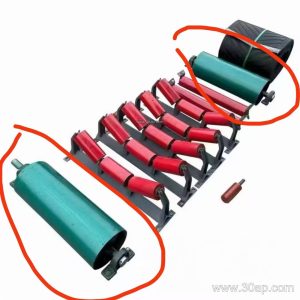
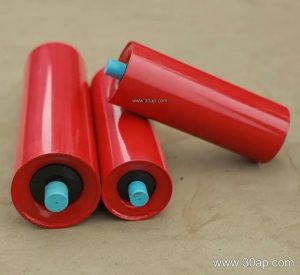
A coal conveyor pulley is the rotating drum that drives, tensions, or redirects the conveyor belt in a coal handling system. Unlike a simple idler roller, which supports the belt along its carrying run, the pulley transmits torque or provides a defined wrap angle at key transition points. In a typical coal preparation plant or power station coal yard, you will find several of these drums working together, each with a distinct role. The drive pulley pulls the belt; the tail pulley returns it; bend and take-up pulleys manage tension and routing. They are not interchangeable, and specifying the right one for each position matters for belt life and system uptime.
Because coal is abrasive and often dusty, the pulley surface and sealing arrangement need to suit the environment. A well-chosen coal conveyor pulley helps maintain belt tracking, reduces slip, and protects the belt carcass from unnecessary stress.
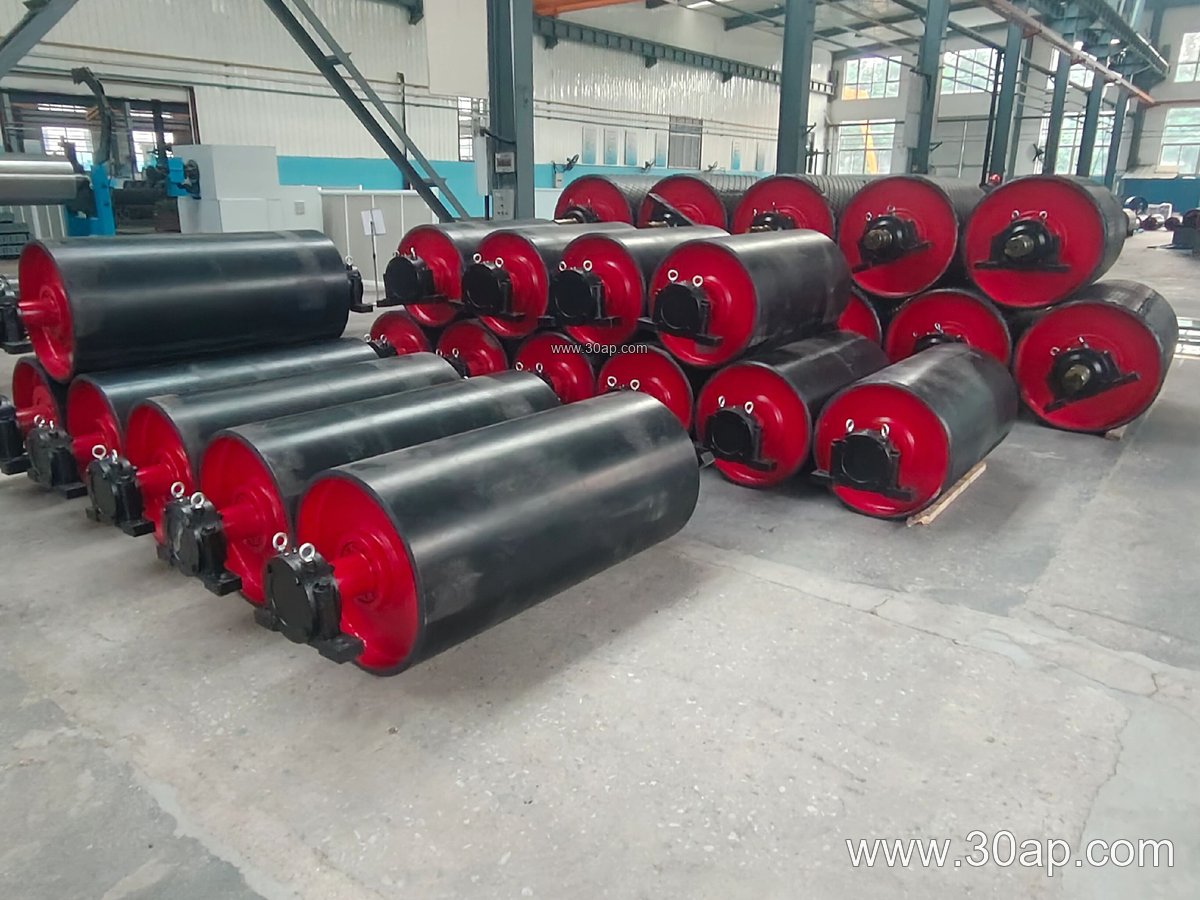
Construction and Surface Options
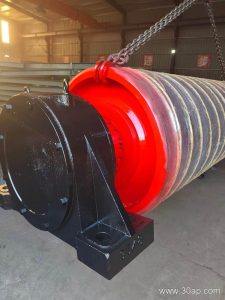
Most industrial pulleys are built from a welded steel shell with end discs and a shaft. The shell diameter and face width are matched to the belt width and the required torque. Surface treatment is a major decision. Plain (smooth) shells are used where grip is not critical. Rubber lagging, applied by cold bonding or hot vulcanizing, improves friction and cushions the belt. Diamond grooving helps shed water and fines, while ceramic lagging is chosen for high-abrasion service. Lagging thickness commonly ranges from 8 mm to 20 mm depending on duty.
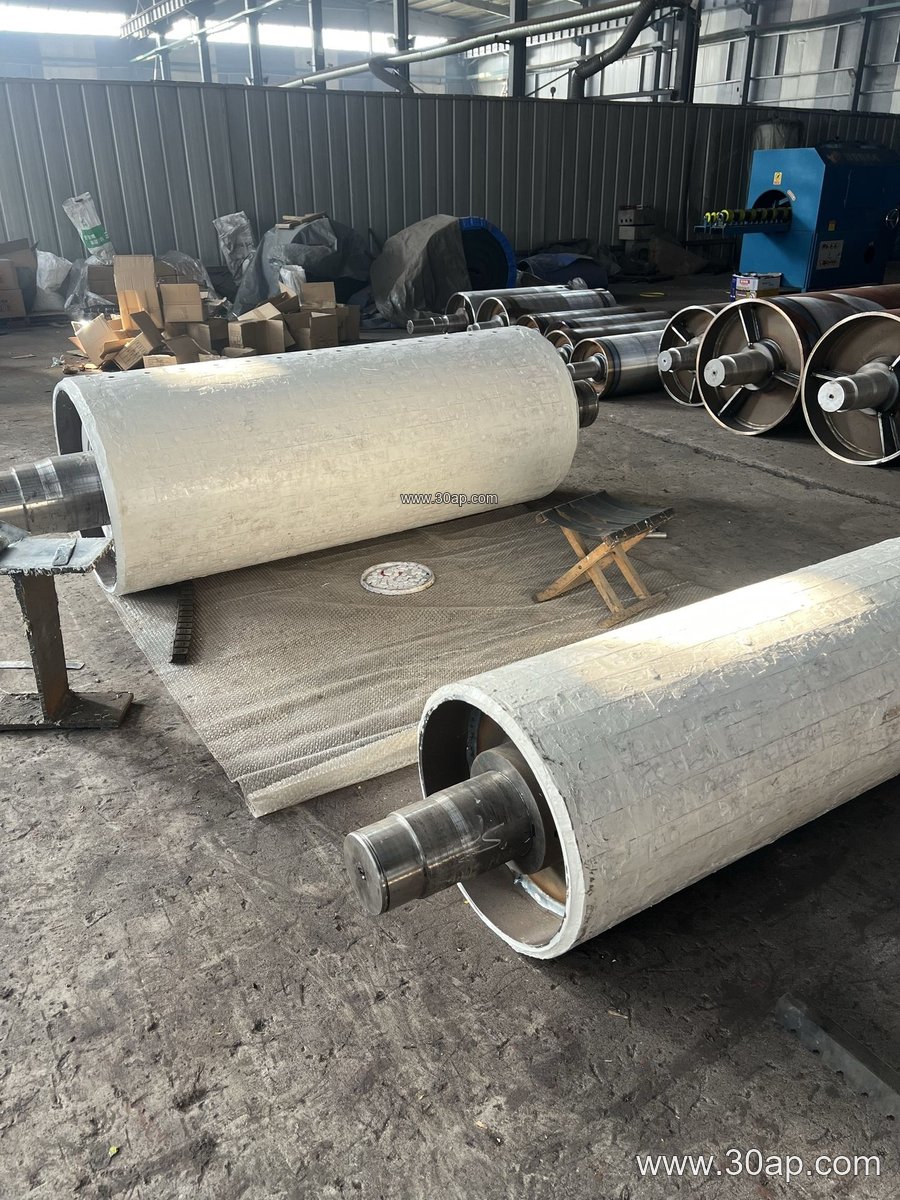
Common face widths are sized slightly wider than the belt. For example, a B800 belt might use a pulley face around 950 mm, and a B1200 belt around 1400 mm. Diameters are often selected from a range such as Ø500, Ø630, Ø800, or Ø1000, but there is no fixed rule that a given belt width can only use one diameter. Shaft diameter is determined by torque and load, not by belt width alone. Typical shaft sizes might be Ø80, Ø100, or Ø120, but the final value should come from the conveyor designer.
Where It Fits in Coal Handling
In a coal mining conveyor belt system, the drive pulley is usually at the head end, often with a bend pulley to increase wrap angle. Tail pulleys at the loading point return the belt, and take-up pulleys maintain tension as the belt stretches. In a coal-fired power plant, these pulleys handle continuous flow from stockyard to bunker. In a wash plant, they may see wet coal and fine slurry, so lagging and drainage become important. The same principles apply in a cement plant’s coal mill feed or a port terminal loading coal onto ships.
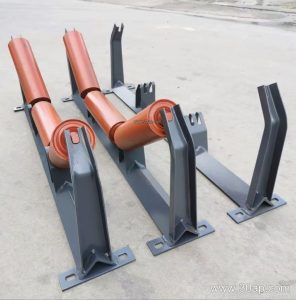
For reliable operation, the pulley must match the belt’s tensile strength. A steel cord conveyor belt or a heavy-duty fabric core belt such as EP200 or NN300 may require a larger shaft and heavier bearings. The pulley also interacts with the conveyor bracket and frame, so mounting dimensions must be confirmed early.
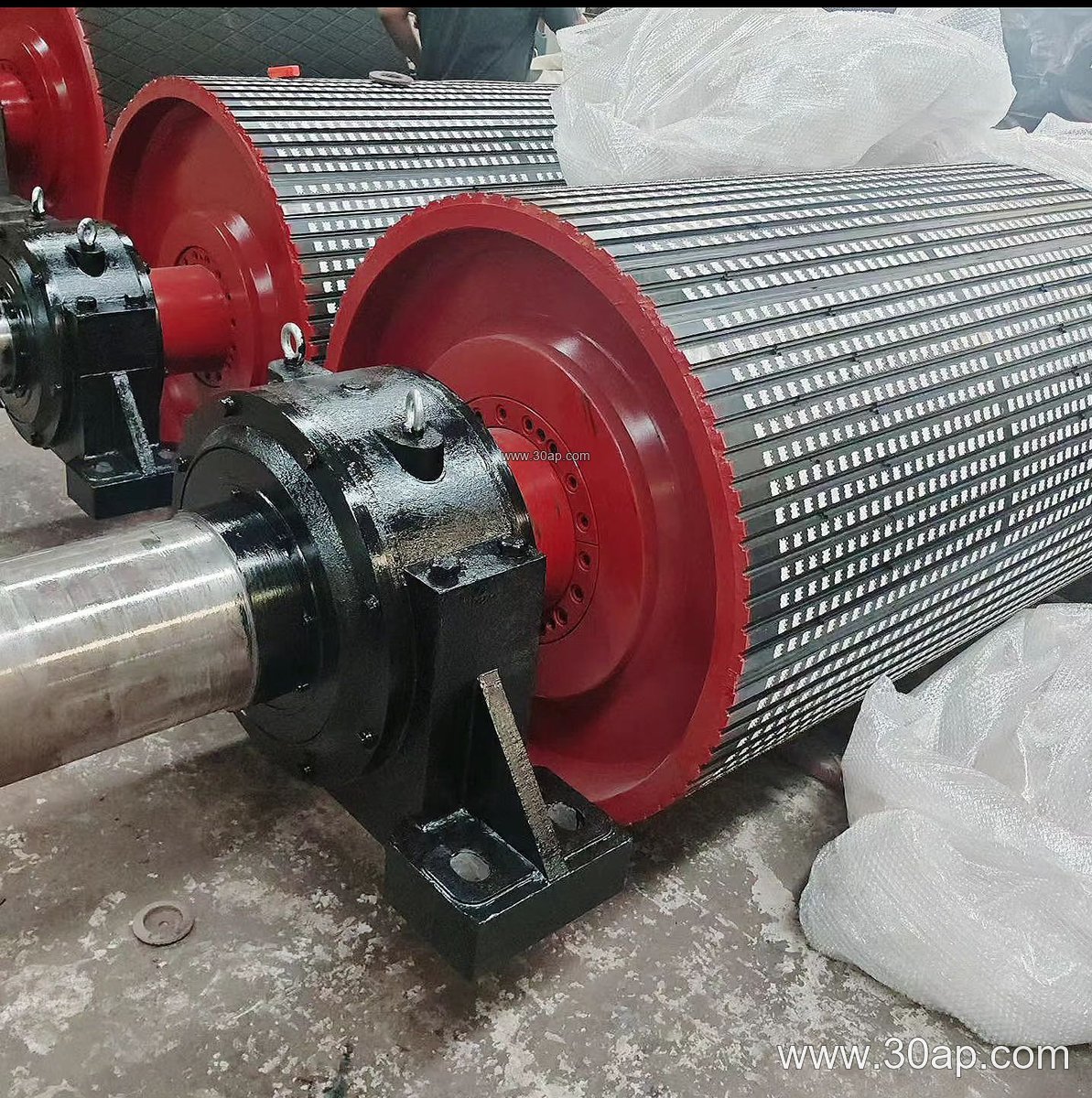
Specifications and Buyer Checklist
When specifying a coal conveyor pulley, gather the following information. The table below gives common reference values, not universal rules.
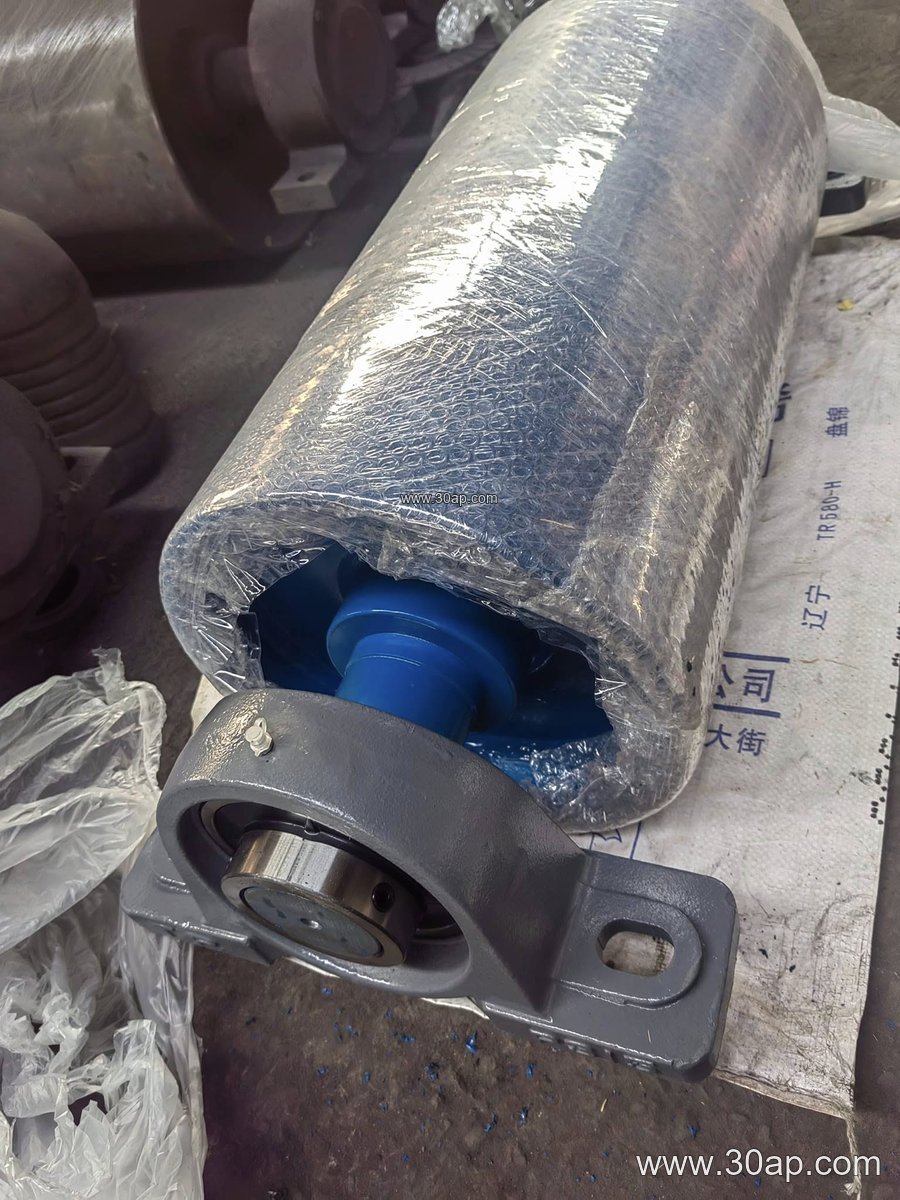
- Belt width and type (e.g., EP conveyor belt, steel cord, flame retardant)
- Pulley position (drive, tail, bend, take-up)
- Required diameter and face width
- Lagging type and thickness
- Shaft diameter and bearing size
- Environmental conditions (dust, moisture, temperature)
| Parameter | Common Reference Range |
|---|---|
| Belt width | B500 to B2000 (e.g., 800mm, 1200mm, 1400mm) |
| Pulley diameter | Ø200 to Ø1800 (e.g., Ø500, Ø800, Ø1000) |
| Face width | Approx. belt width + 100 to 200 mm |
| Lagging thickness | 8, 10, 12, 15, 20 mm |
| Shaft diameter | Ø50 to Ø200 (by torque calculation) |
Buyers should also confirm the belt’s operating tension and the pulley’s allowable radial load. A pulley that is too small in diameter can cause excessive belt bending stress, especially with thick abrasion resistant conveyor belt or high-strength steel cord belts. Conversely, an oversized pulley adds cost and weight without benefit. Work with the conveyor designer to balance diameter, shaft, and bearing life.
Maintenance and Long-Term Performance
Inspect lagging for wear and glazing. Worn lagging reduces friction and can lead to belt slip, especially in wet coal conditions. Check bearings for contamination and re-grease according to the schedule. Ensure the pulley remains aligned with the conveyor bracket and that the belt tracks centrally. For underground coal mining conveyor belt applications, flame retardant and anti-static properties of the belt are critical, and the pulley should be selected to avoid sparking or excessive heat from misalignment.
Finally, keep spare lagging sheets and fasteners on hand for quick repairs. A coal conveyor pulley is a long-life component when matched correctly to the belt and the load, and it pays back through fewer unplanned stops in the coal yard, crushing circuit, or ship loader.