What a Conveyor Bracket Price Covers
A conveyor bracket is the steel support that holds the idler roller in place along a belt conveyor. When buyers ask about conveyor bracket price, they are usually pricing a set of frames rather than a single piece of hardware: trough brackets on the carrying side, return brackets underneath, and sometimes transition or self-aligning frames. The price reflects steel grade, bending and welding work, hole spacing, surface treatment, and the number of pieces in the order. It is not a fixed figure, because a bracket for a 650mm line in a sand and gravel plant is a very different item from a heavy frame under a 2000mm wide conveyor at a port terminal.
How the Frame Is Built
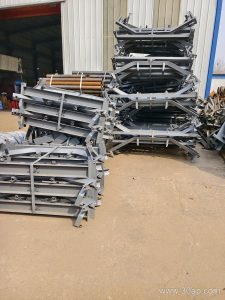
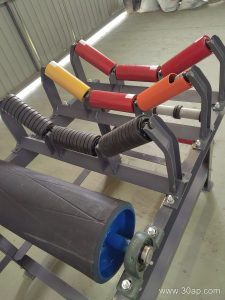
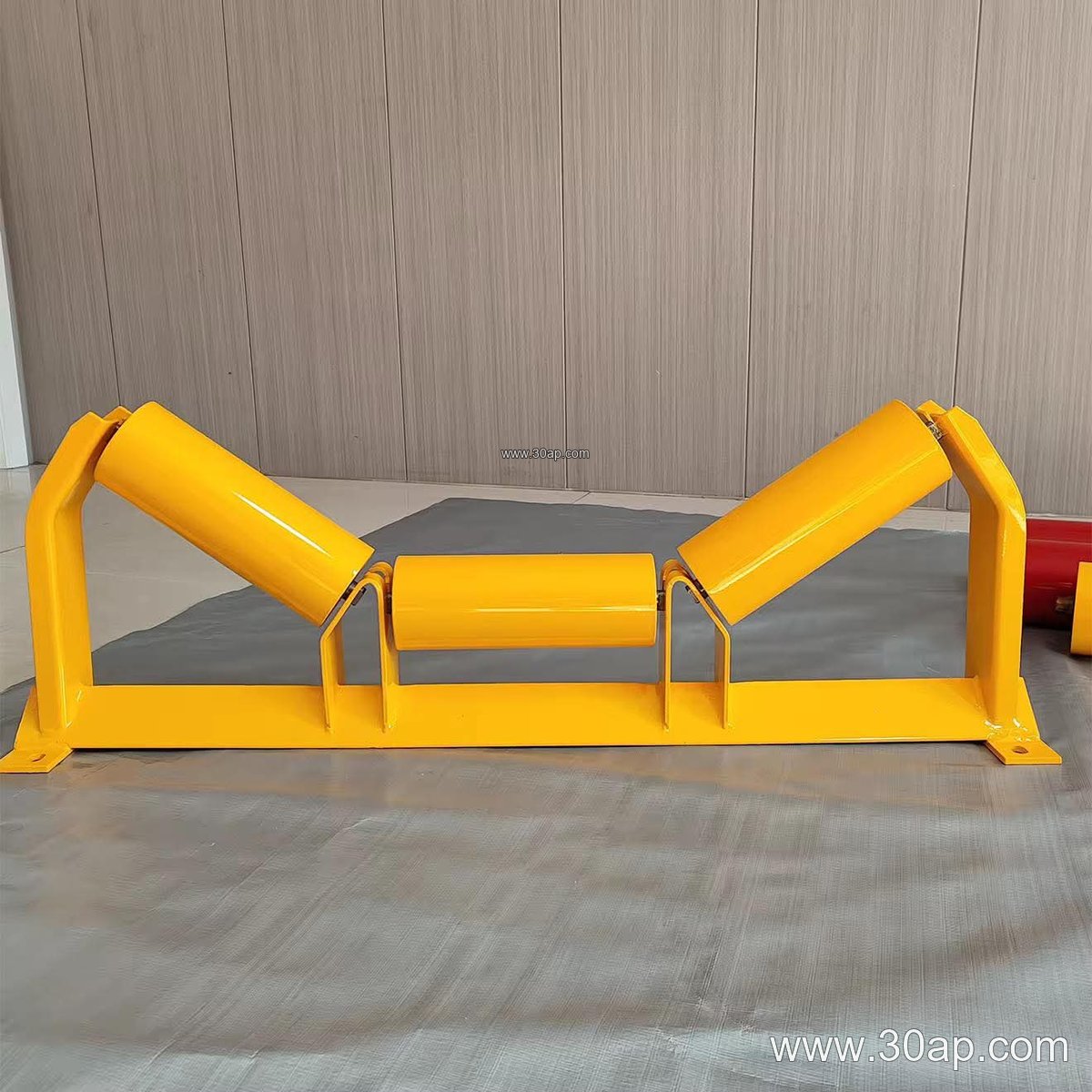
Most brackets are fabricated from angle steel, channel steel, or folded steel plate. The crossbeam length, mounting hole distance, and trough angle all follow the belt width and the idler diameter agreed with the customer. A typical arrangement might be B800 with a 35 degree trough and Ø108 idlers, or B1200 with a 45 degree trough and Ø133 rollers. These are common combinations, not fixed rules, and the same belt width can be paired with different angles or roller sizes depending on the load and the material being carried.
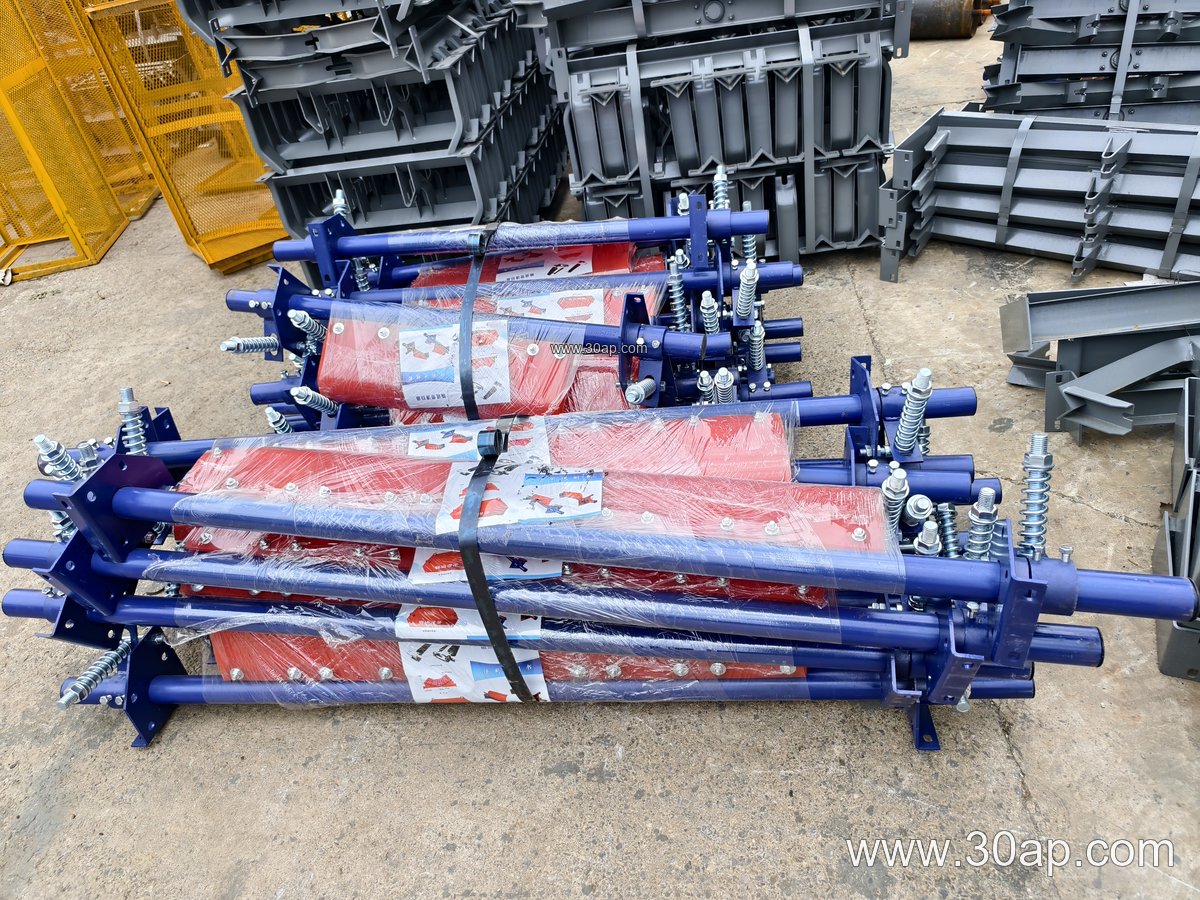
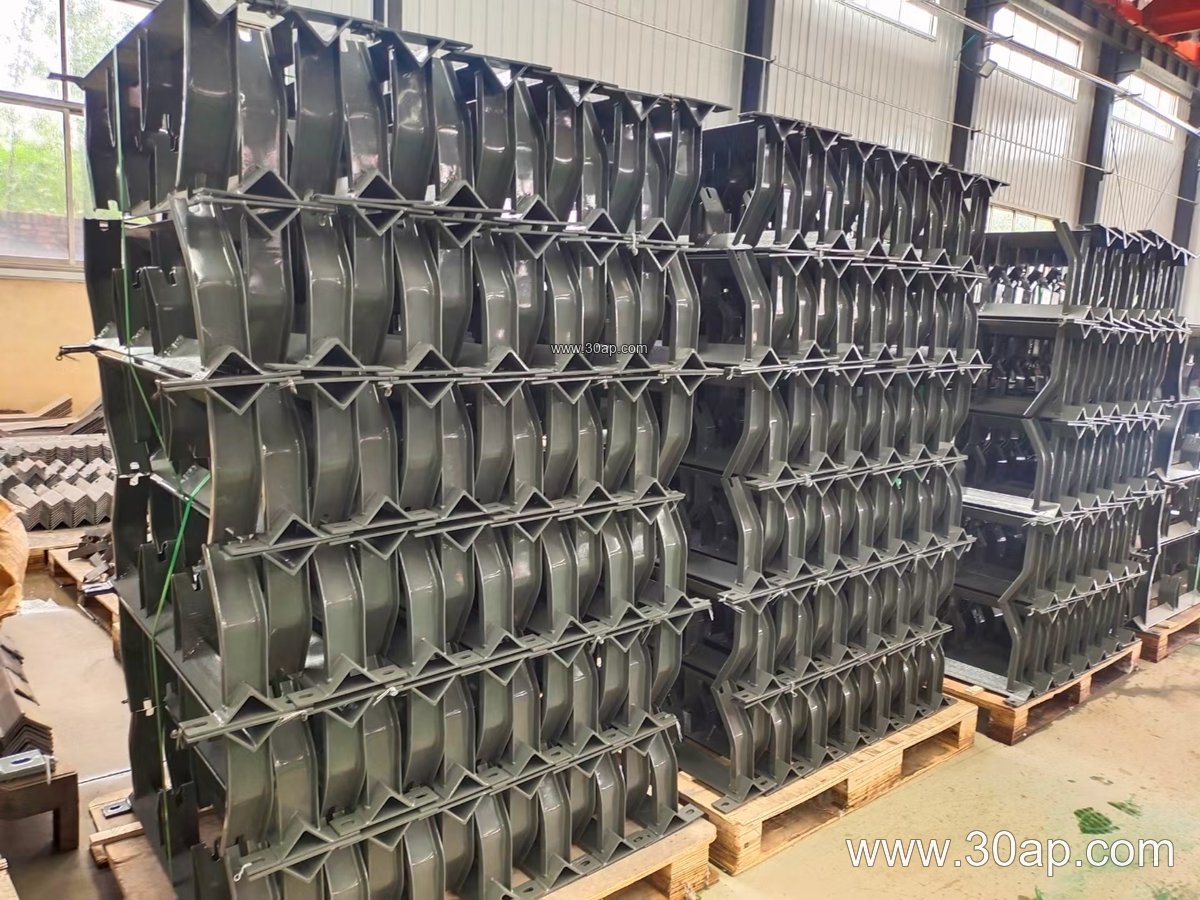
Surface treatment matters to the final quotation. Painted frames suit many indoor installations, while hot-dip galvanized or powder-coated versions cost more but last longer in wet or dusty conditions. Weld quality and dimensional tolerance also move the number, since a frame that does not line up with the stringer holes slows down the whole installation.
Where These Frames Are Used
Support brackets appear wherever a belt conveyor runs. In a limestone quarry they carry the troughing idlers under a rubber conveyor belt moving blasted rock. In a coal preparation plant, flame retardant conveyor belt lines rely on sturdy return brackets to keep the belt tracking. Cement plants, power plant coal yards, and iron ore handling systems all use the same family of frames, though the steel thickness and coating often differ. A fabric core conveyor belt line may use lighter brackets than a steel cord conveyor belt line running at high tension.
Common Types and Reference Dimensions
The table below lists typical bracket types and reference values. Treat them as design guidance, not as a fixed catalog.
- Trough bracket: 20, 30, 35, or 45 degree trough angle; B500 to B2200
- Transition bracket: shorter frames near the pulley, angle set by design
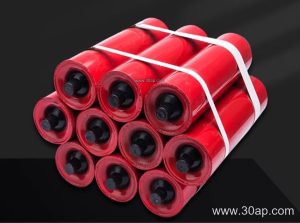
- Return bracket: flat or V-shaped, carrying the return idler roller
- Impact bracket: reinforced frame under the loading point
- Self-aligning bracket: allows slight rotation to correct belt drift
- Adjustable bracket: trough angle can be changed on site
Roller diameters commonly seen with these frames include Ø89, Ø108, Ø133, Ø159, and Ø194. A B650 line with a 30 degree trough and Ø89 rollers is a light-duty example, while a B1400 frame with a 35 degree trough and Ø159 rollers suits heavier bulk material. Mounting hole spacing and beam length change with belt width and trough angle, so they should always be confirmed on the drawing.
What Moves the Price Up or Down
Several factors shape a conveyor bracket price quotation. Order quantity is the biggest lever, since setup and cutting costs spread across more pieces. Steel thickness and the choice of channel versus folded plate change material cost. Galvanizing adds a step. Non-standard hole patterns or adjustable designs require extra machining. Freight distance and packing also count, especially for long crossbeams that need careful crating.
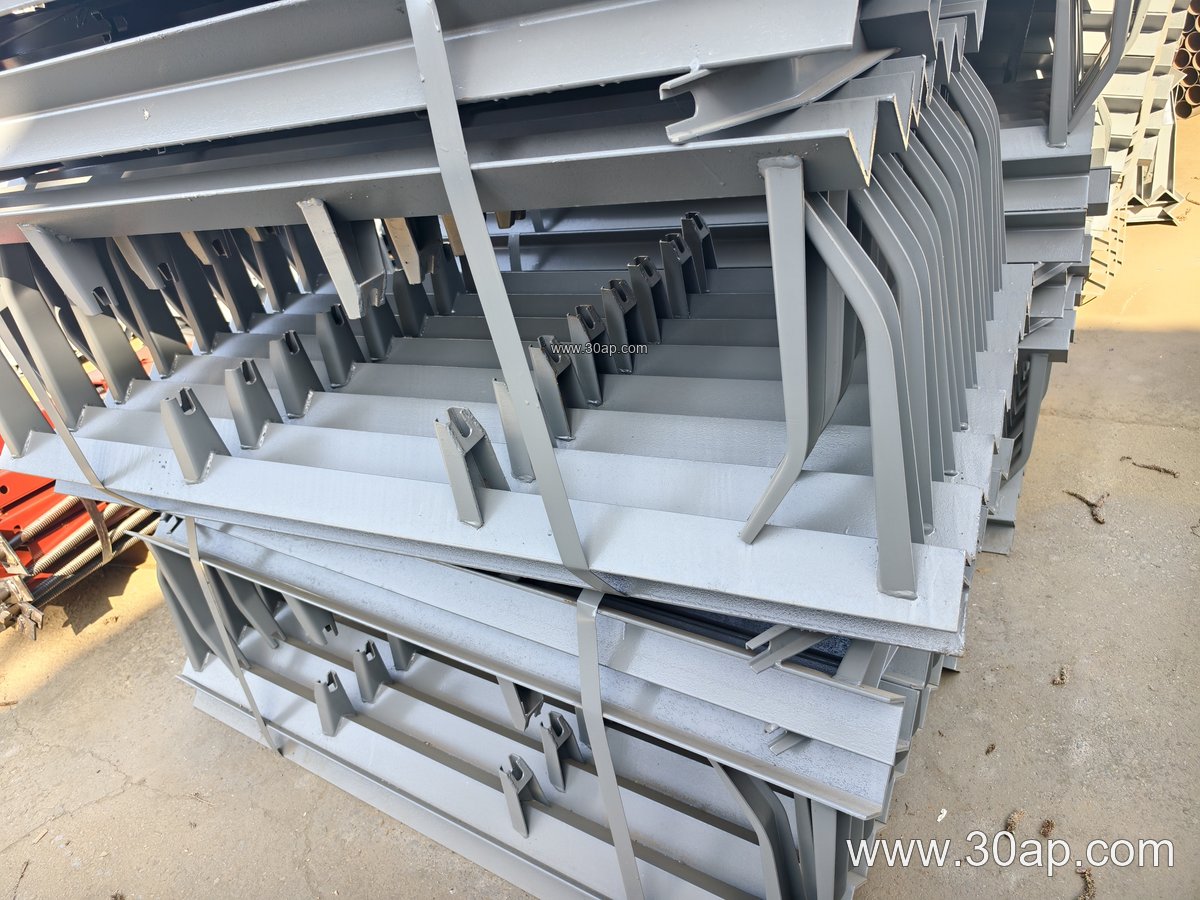
Buyers should compare quotations on the same basis: same belt width, same trough angle, same roller diameter, same coating. A low price for a thinner frame is not a saving if it deflects under load. Ask for the steel specification and the tolerance on hole spacing before deciding.
Buying Advice
Match the bracket to the actual conveyor, not to a generic size chart. Confirm the belt width, the idler roller diameter, the trough angle, and the mounting pattern on the stringer. For a quarry conveyor belt or an aggregate conveyor belt line, impact frames at the transfer point are worth the extra cost. For a long overland run with a steel cord conveyor belt, check that the return brackets can handle the belt sag without rubbing. Keep a few spare frames on site, because a bent bracket stops the whole line. Finally, ask the supplier to state what the price includes: frame only, frame with hardware, or a complete set with idlers.