Understanding the Heavy-Duty Conveyor Bracket
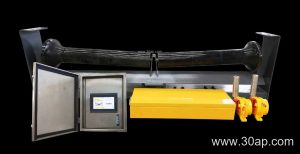
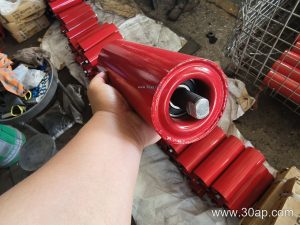
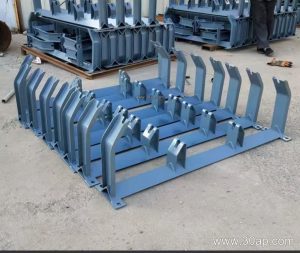
A heavy-duty conveyor bracket is a structural component that supports idler rollers and maintains proper belt alignment in bulk material handling systems. Often referred to as a heavy-duty idler frame or heavy-duty conveyor support bracket, this product is engineered to withstand high loads, abrasive materials, and continuous operation in industries such as mining, quarrying, cement production, and power generation. Whether you are running a quarry conveyor belt or a coal mining conveyor belt, the bracket plays a critical role in keeping the conveyor belt tracking smoothly and reducing downtime.
Construction and Design Features
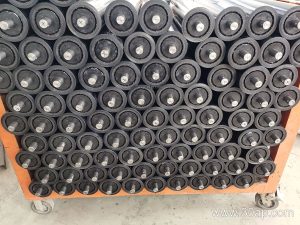
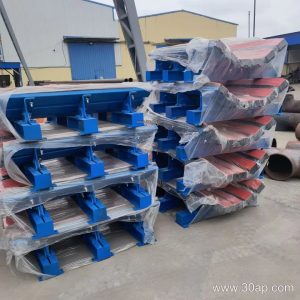
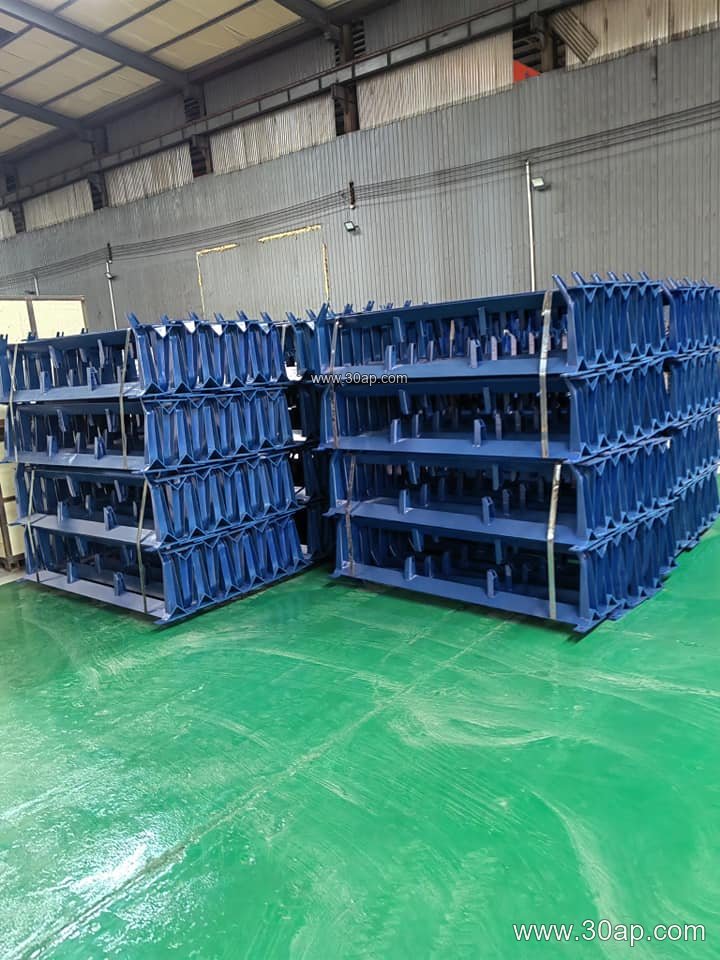
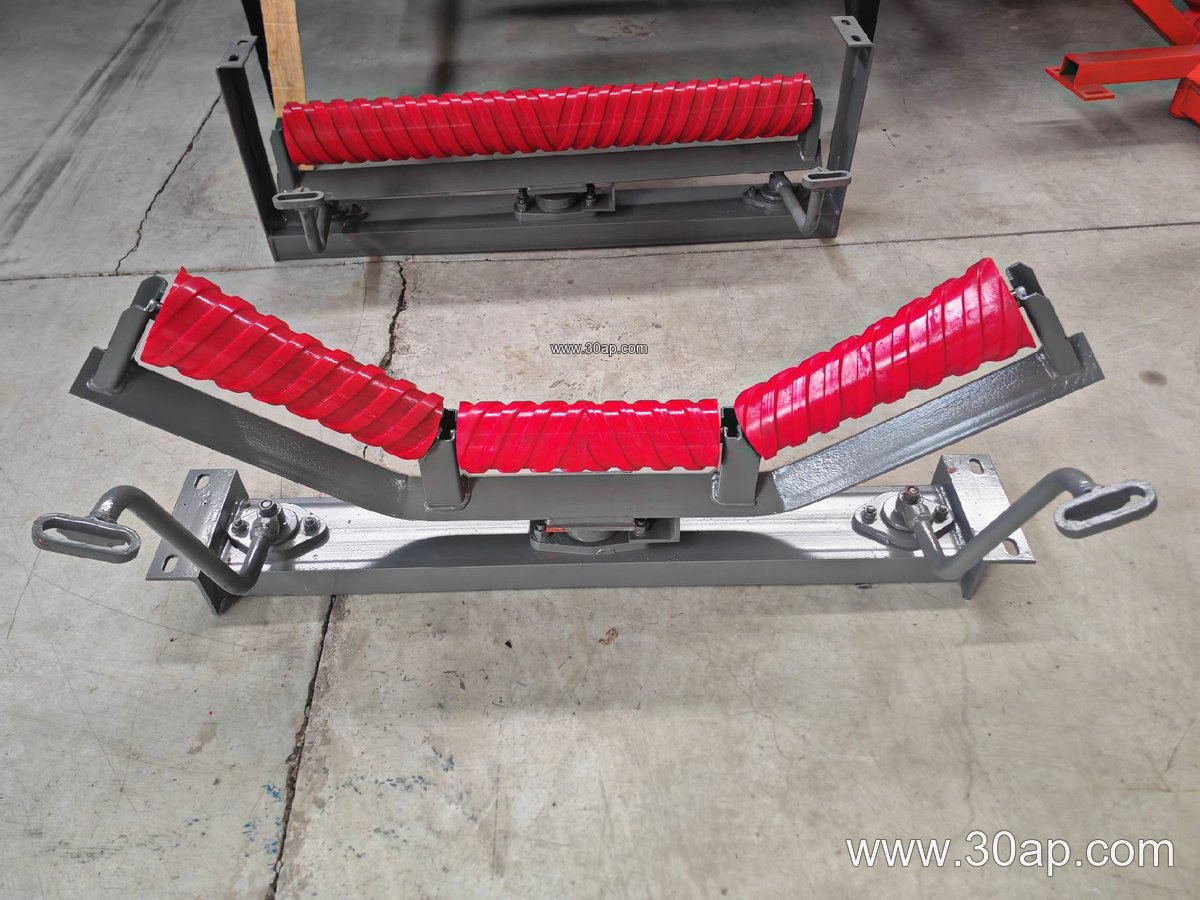
Heavy-duty conveyor brackets are typically fabricated from angle steel, channel steel, or folded steel plates, chosen for their strength and rigidity. The design may include adjustable slots to accommodate different trough angles, allowing flexibility in matching the bracket to the specific conveyor belt and idler roller requirements. Common trough angles include 20, 30, 35, and 45 degrees, and adjustable brackets can be set to these angles as needed. Some designs also incorporate a slight forward tilt of about 1.5 to 2 degrees to aid belt training. The bracket must be robust enough to support the weight of the conveyor belt, material load, and idler rollers without deformation.
Where Heavy-Duty Conveyor Brackets Are Used
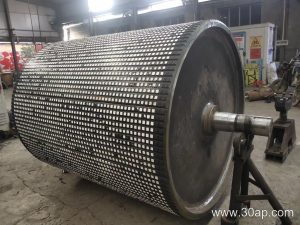
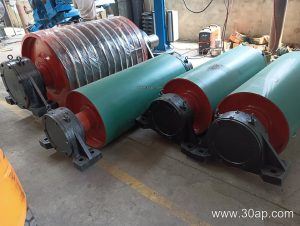
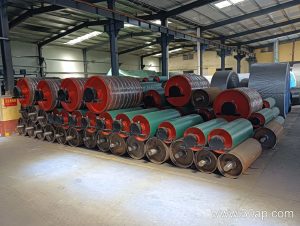
These brackets are essential in industries where conveyors operate under severe conditions. In a limestone mine, for example, heavy-duty brackets support the conveyor belt carrying crushed rock, often paired with abrasion resistant conveyor belt to handle sharp edges. In a coal-fired power plant, they ensure stable support for the coal conveyor belt, contributing to reliable fuel delivery. The brackets are also found in cement plants, steel mills, and port facilities, where they help maintain the performance of idler rollers and conveyor pulleys. Whether the application involves a steel cord conveyor belt or an EP conveyor belt, the bracket must be matched to the load and environmental demands.
Key Selection Considerations
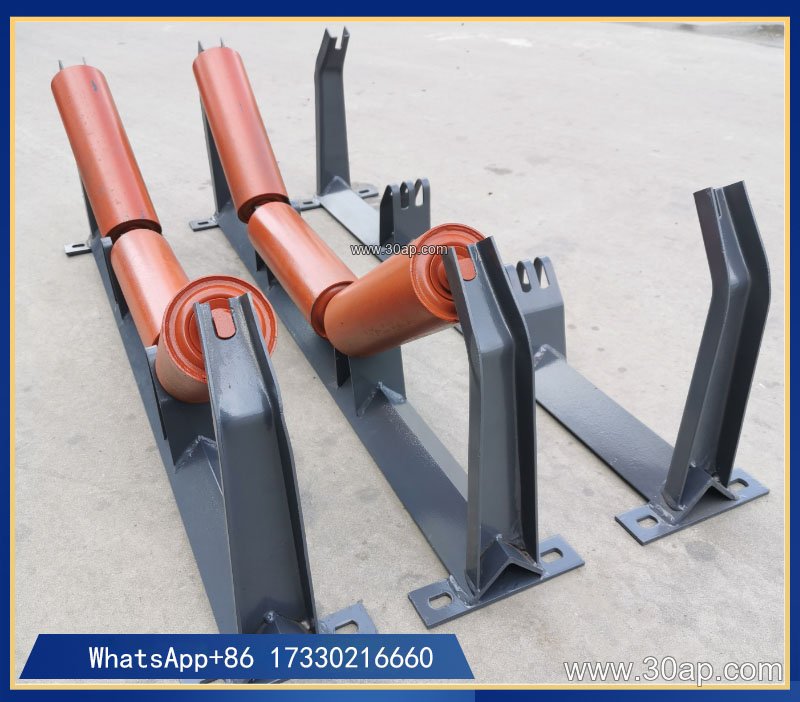
When selecting a heavy-duty conveyor bracket, several factors come into play. The belt width is a primary parameter; common widths include B500, B650, B800, B1000, B1200, B1400, B1600, B1800, B2000, and B2200. The bracket must be sized to match the belt width and the chosen trough angle. The roller diameter also influences bracket design; typical diameters are Ø89, Ø108, Ø133, Ø159, and Ø194. For instance, a B800 belt with a 35-degree trough angle might use Ø108 rollers, while a B1200 belt with a 45-degree trough angle could use Ø133 rollers. However, these are examples only, and the final combination should be determined by the conveyor design and load requirements. Installation hole spacing and beam length vary with belt width and trough angle, so they are not fixed values.
Types and Configurations
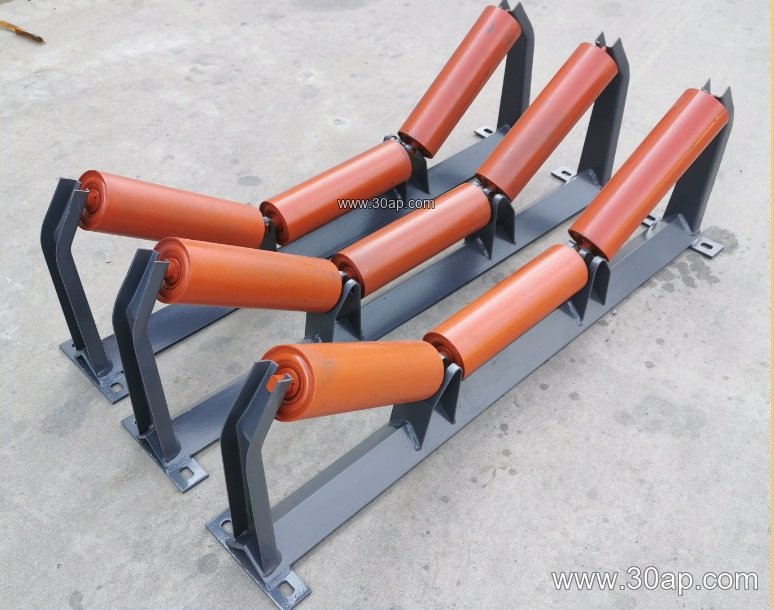
Heavy-duty conveyor brackets come in various configurations to suit different positions along the conveyor. Troughing brackets support the carrying side of the belt, while return brackets support the return side. Transition brackets are used near pulleys to gradually change the belt shape, and impact brackets are designed for loading points to absorb shock. Adjustable brackets allow fine-tuning of the trough angle for optimal belt training. Self-aligning brackets help correct belt misalignment. Each type is tailored to specific operational needs and should be selected based on the conveyor layout and material characteristics.
Maintenance and Longevity
Regular inspection of heavy-duty conveyor brackets is important to ensure they remain free of cracks, corrosion, and deformation. Bolted connections should be checked for tightness, and any worn or damaged brackets should be replaced promptly to prevent belt damage and production losses. In harsh environments, such as those involving wet or corrosive materials, consider brackets with appropriate surface protection. Proper maintenance of the bracket, along with the idler rollers and conveyor pulley, extends the service life of the entire conveyor system.
Conclusion
Choosing the right heavy-duty conveyor bracket is a matter of matching the bracket’s load capacity, dimensions, and configuration to the specific conveyor belt, idler roller, and operating conditions. By understanding the available types and key parameters, buyers can ensure reliable support and efficient operation in even the most demanding bulk handling applications.