What an Underground Mining Conveyor Idler Does
An underground mining conveyor idler is the rotating roller that supports and shapes the conveyor belt along its carry and return runs. In a tunnel or shaft, the idler is often the most numerous wear part on the whole conveyor line, so its quality affects belt life, energy draw and maintenance frequency. A well-built idler roller keeps the belt tracking smoothly, reduces friction and protects the belt from edge damage and material spillage. Because underground space is tight and access is limited, choosing the right idler set at the start matters more than in an open yard.
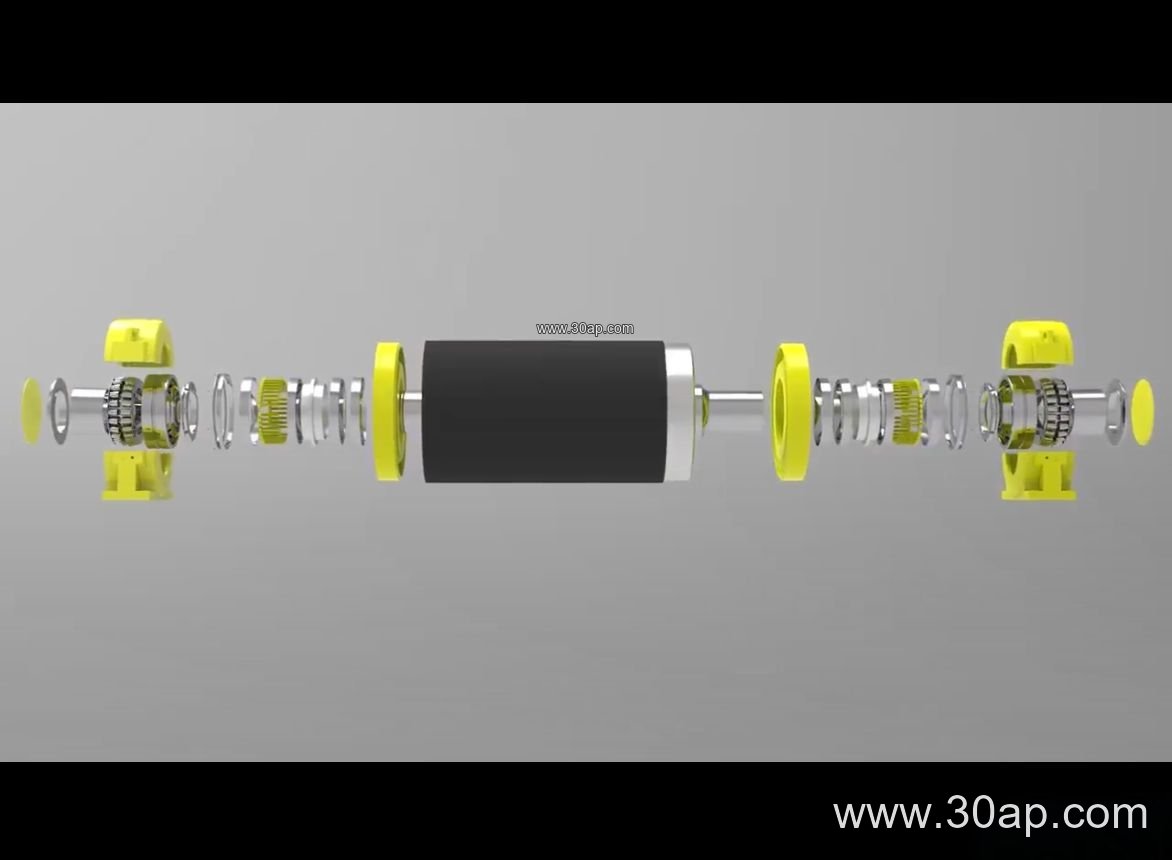
Construction Details That Matter
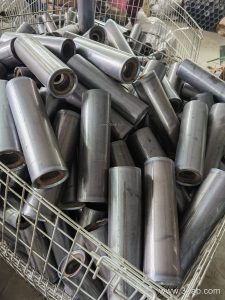
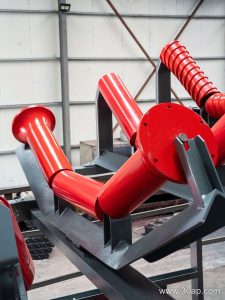
A typical idler consists of a steel tube shell, a shaft, sealed bearings and end caps. Roller surfaces are usually plain steel, nylon, ceramic or rubber-ringed, depending on whether the job calls for abrasion resistance, material build-up control or impact cushioning. Bearing seats and labyrinth seals must exclude fine coal dust and water spray. Common bearing sizes include 6204, 6205, 6305, 6306, 6308 and 6310, but the correct match depends on load and shaft design, not on belt width alone. For heavy loads, a thicker shell and reinforced bearing housing are often preferred.
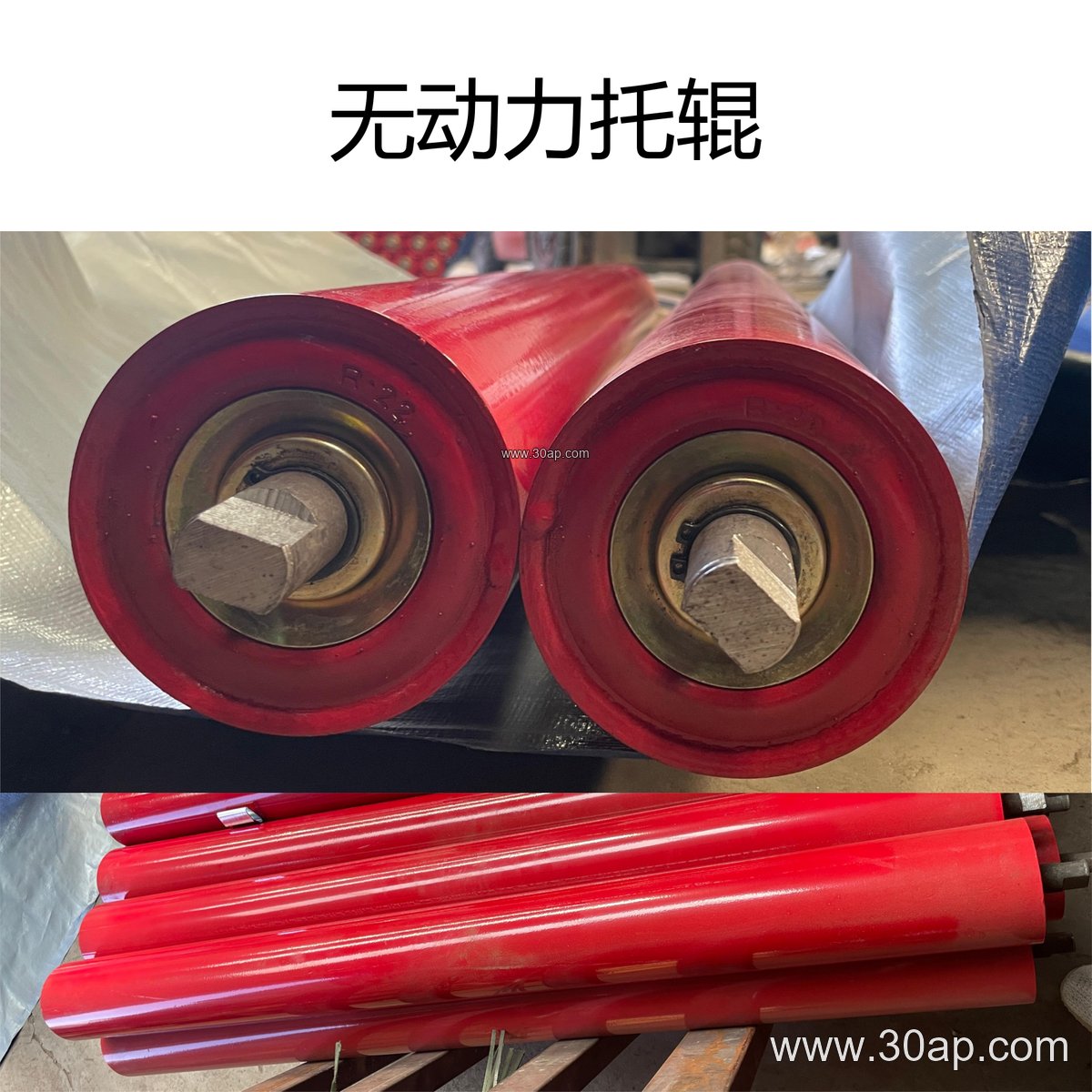
Common Idler Types and Where They Sit
- Troughing idlers carry the loaded belt and are arranged in single-roll, two-roll or three-roll sets.
- Impact idlers and rubber-ring impact rollers sit under the transfer point to absorb falling material.
- Return idlers, including flat and V-type return rollers, support the empty belt.
- Self-aligning idlers and friction-aligning types help keep the belt centered on long runs.
- Transition idlers ease the belt from flat to troughed profile near pulleys.
- Spiral idlers reduce material sticking on the return side.
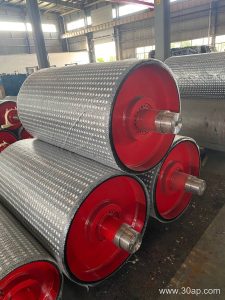
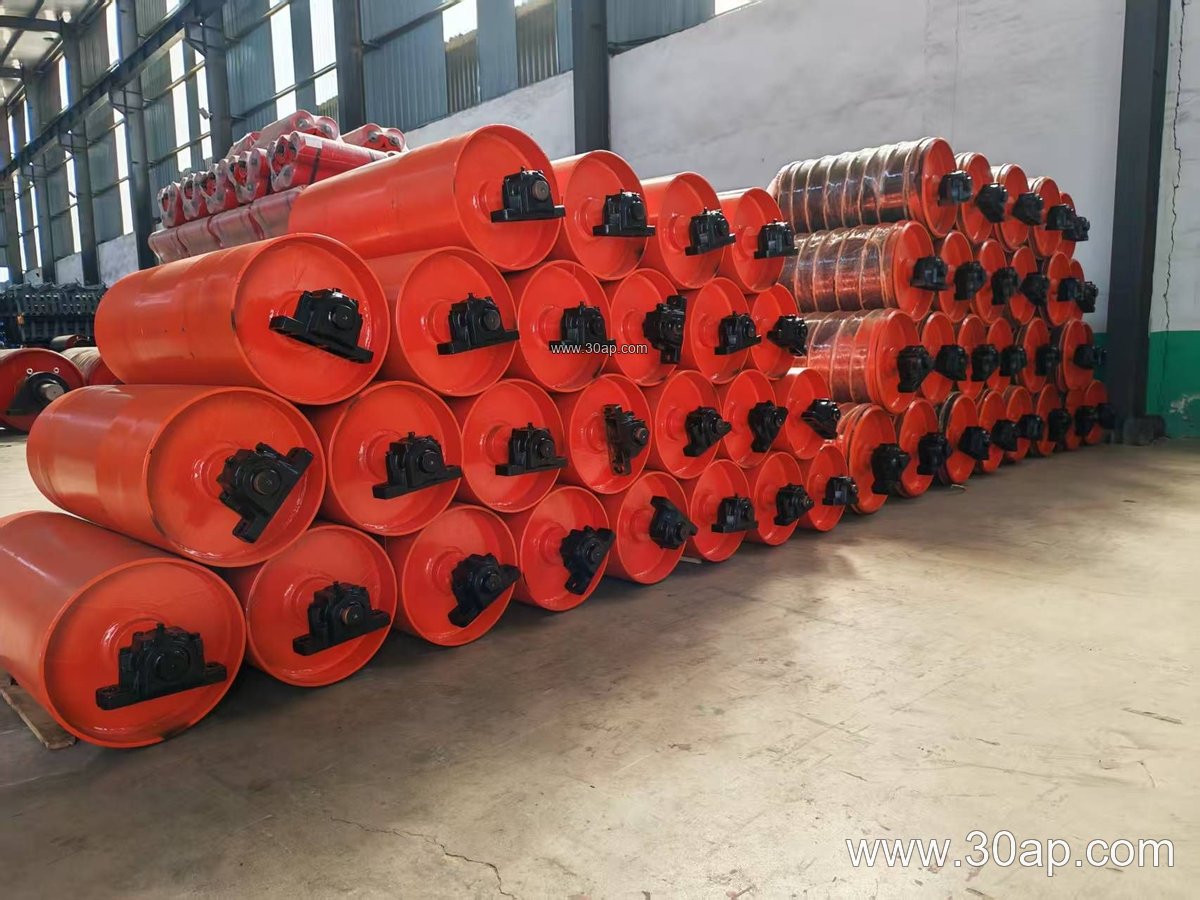
Drive pulleys, tail pulleys and bend pulleys are different components and are not interchangeable with idlers. They transmit or redirect belt tension, while idlers only support the belt.
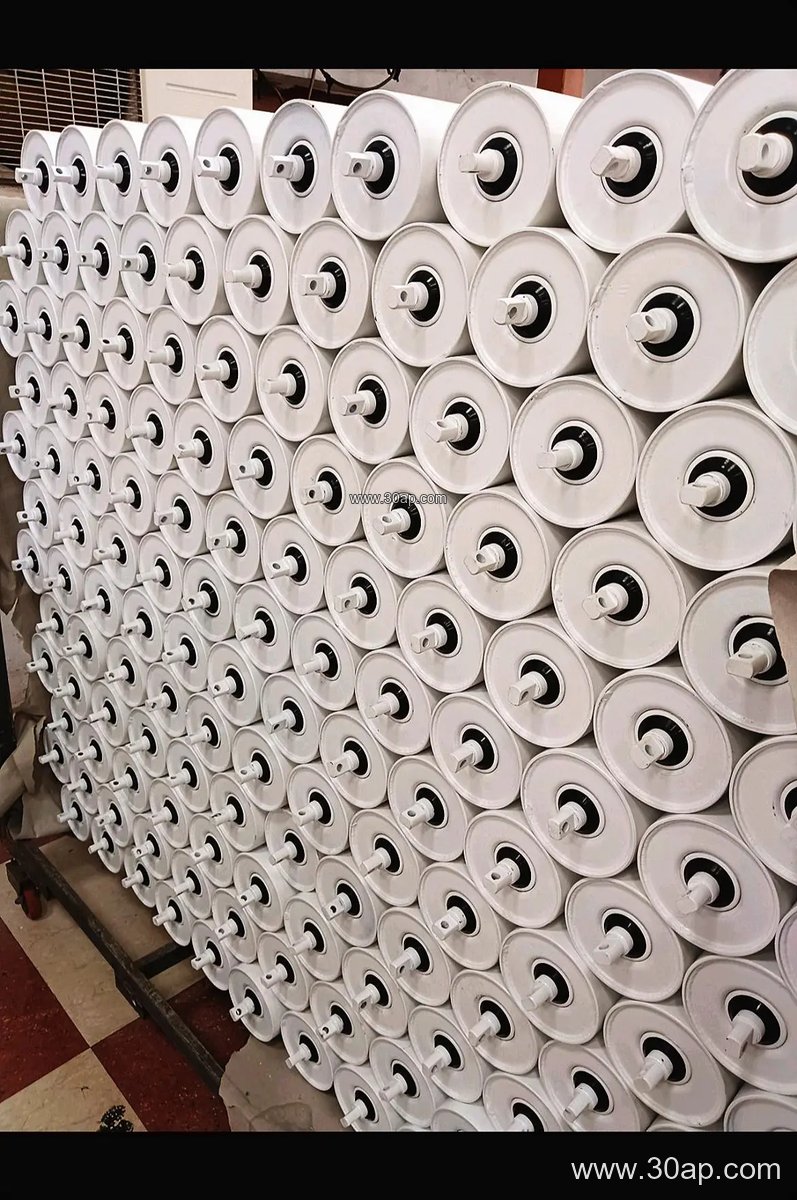
Matching Roller Diameter and Belt Width
Roller diameter and belt width are chosen together with belt speed, load and trough angle. Common roller diameters range from Ø63 up to Ø219 mm, and belt widths from B400 to B2400 are widely used. Trough angles of 20, 30, 35 and 45 degrees are common, and a small forward tilt of about 1.5 to 2 degrees is sometimes used for tracking. Roller length also changes with belt width and idler arrangement; for example, a three-roll troughing set on B800 may use a roll length near 315 mm, while B1200 may use about 465 mm. These are typical examples, not fixed combinations, and side rolls can differ from the center roll.
| Parameter | Common Range or Example |
|---|---|
| Roller diameter | Ø63 to Ø219 mm |
| Belt width | B400 to B2400 mm |
| Trough angle | 20, 30, 35, 45 degrees |
| Bearing size | 6204, 6205, 6305, 6306, 6308, 6310 |
| Roller surface | Steel, nylon, ceramic, rubber ring |
Where These Idlers Are Used
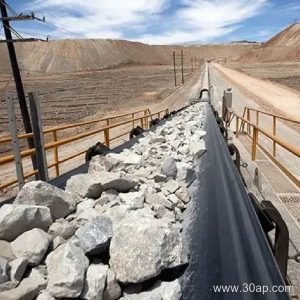
Underground coal mining conveyors are a demanding application because of dust, moisture and limited ventilation. Idlers also appear in tunnel excavation lines, ore handling drifts and underground crushing stations. In a coal mine, a flame retardant conveyor belt such as a PVG conveyor belt or PVG800S conveyor belt is often paired with well-sealed rollers to reduce fire risk. Elsewhere, the same idler principle supports an EP conveyor belt or steel cord conveyor belt in quarry and aggregate operations, while a heat resistant conveyor belt may need heat-tolerant rollers in cement or power plant service. Selecting an abrasion resistant conveyor belt together with durable idlers helps extend the whole system’s service interval.
Buyer Checklist Before Ordering
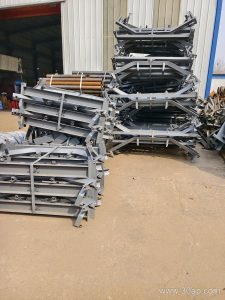
- Confirm belt width, belt type and trough angle so the idler set fits the conveyor profile.
- State the load and material size, especially at transfer points where impact idlers are needed.
- Check bearing size, seal design and shell thickness for dust and water exposure.
- Ask how roller length was calculated for the chosen belt width and idler arrangement.
- Plan a spare-parts stock for the most wear-prone positions.
For more information on compatible belt and roller choices, visit our site at www.example.com/conveyor-idler. A correctly specified underground mining conveyor idler is a small component with a large effect on uptime, and matching it to the belt, the load and the environment is the most reliable way to keep a mine conveyor running.