What the ST1250 Conveyor Belt Is
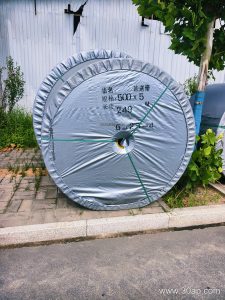
The ST1250 Conveyor Belt is a steel cord conveyor belt with a nominal tensile strength of 1250 N/mm. It belongs to the ST series, where the number indicates breaking strength per unit width rather than a fabric ply rating. In practice, this belt is chosen when a single long conveyor must carry large tonnages over long distances with limited take-up travel. It is a distinct product from fabric-cored belts such as EP Conveyor Belt or NN Conveyor Belt, and it should not be confused with those constructions when specifying a replacement.
Because the tension members are steel cords rather than woven fabric, the belt stretches very little under load. That low elongation is the main reason ST1250 is common in main haulage lines at mines, cement plants, power stations, ports and large quarry operations.
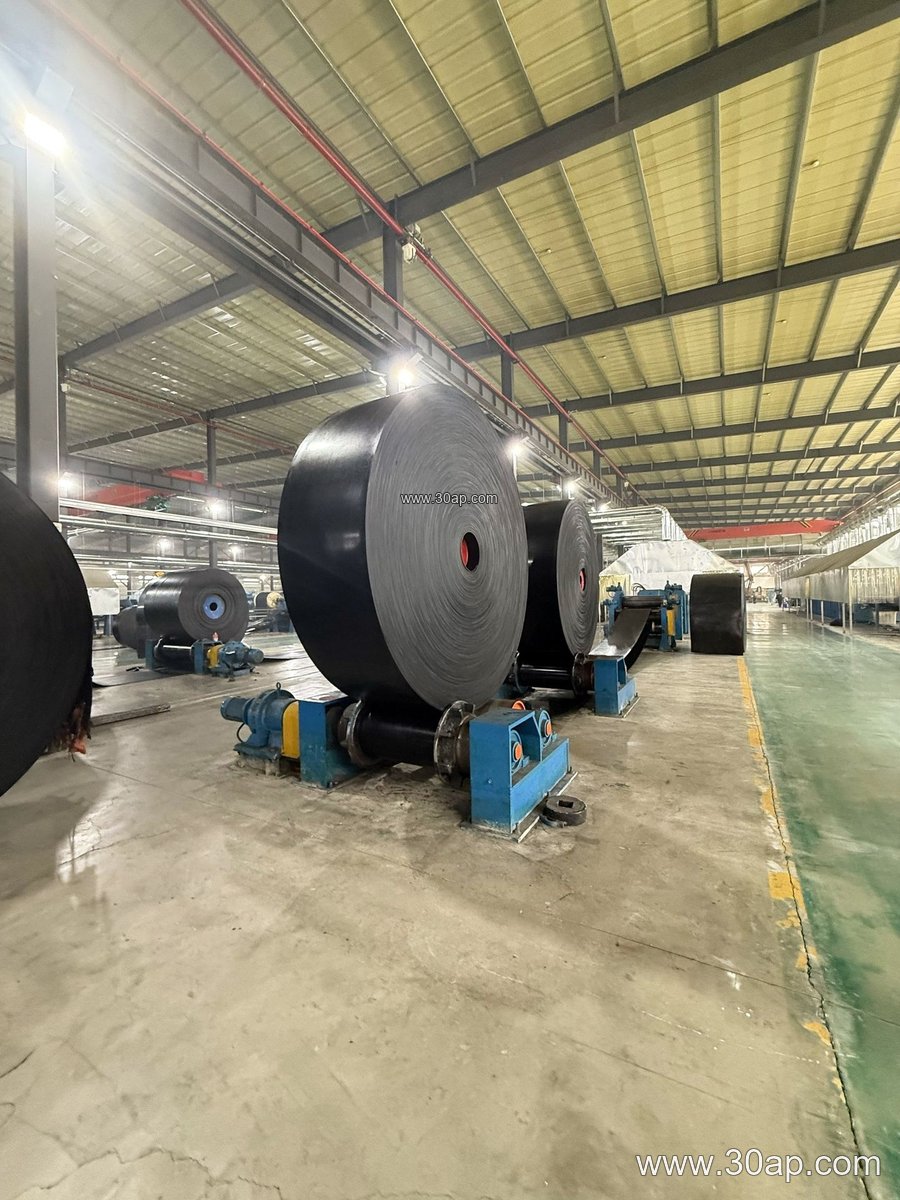
How the Belt Is Built
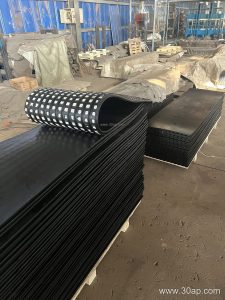
The carcass consists of a single layer of high-carbon steel cords, arranged parallel and spaced evenly across the width, embedded in a rubber compound. A typical build includes:
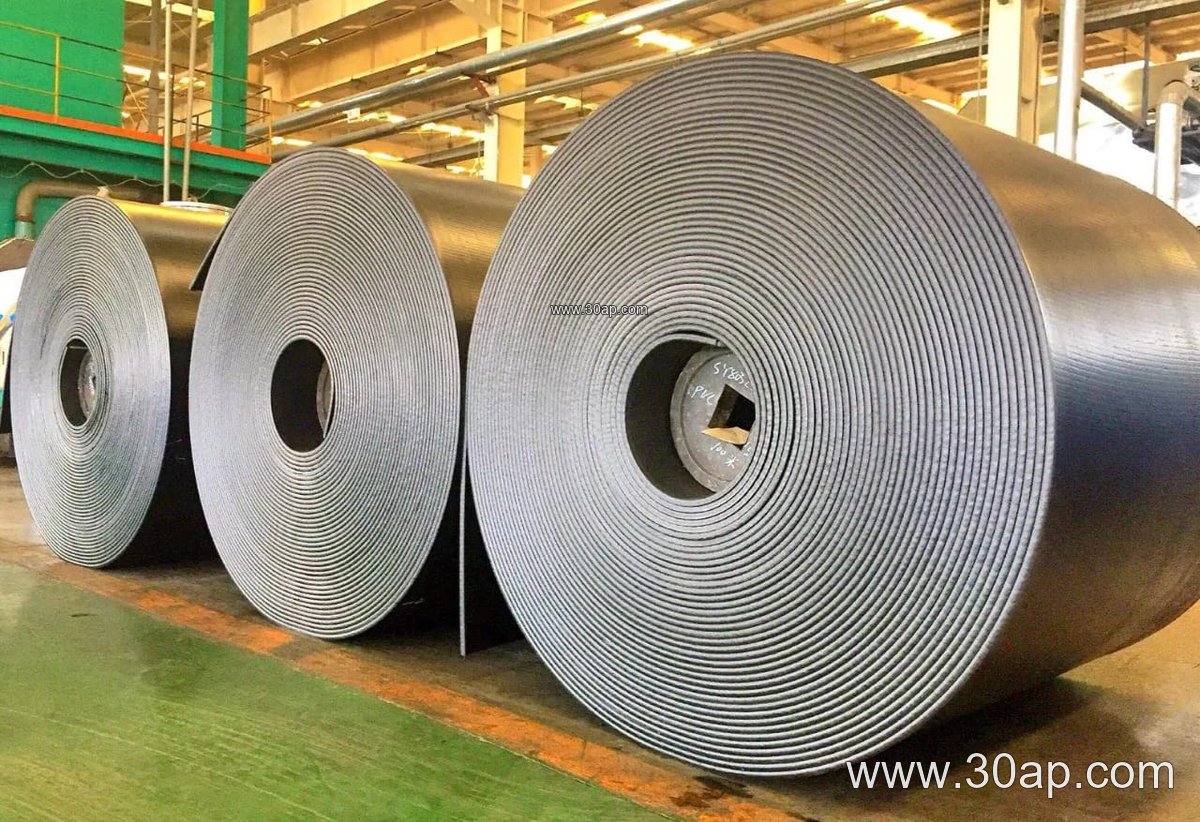
- Steel cords as the tension-bearing layer, with cord pitch and diameter set by the manufacturer
- Core rubber that bonds the cords and cushions them against impact
- Top and bottom cover rubber selected for the duty, such as abrasion resistant, heat resistant or flame retardant grades
- Edge protection to reduce cord exposure and moisture ingress
Cover thickness is usually stated as a top plus bottom pair, for example 6+2 mm or 8+3 mm. Heavier covers suit sharp, coarse rock; thinner covers are adequate for screened material. The rubber grade matters as much as the gauge: an Abrasion Resistant Conveyor Belt compound behaves differently from a Heat Resistant Conveyor Belt or an Oil Resistant Conveyor Belt, even at the same thickness.
Where ST1250 Belts Are Used
This strength class fits main-line conveying in heavy industry. Typical duties include:
- Iron ore, copper ore and other ore transport in mining and mineral processing
- Coal haulage on surface and underground mining conveyor systems, where flame retardant and anti-static properties are often required
- Limestone and clinker handling in cement plants
- Coal and ash lines in power plants
- Aggregate and crushed stone transport at quarries and sand making plants
- Ship loading and stockyard conveyors at ports
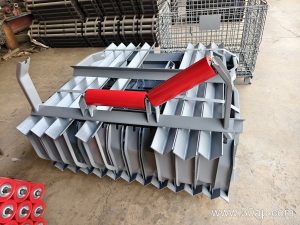
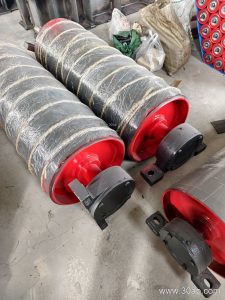
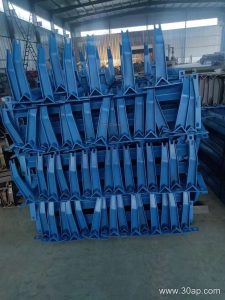
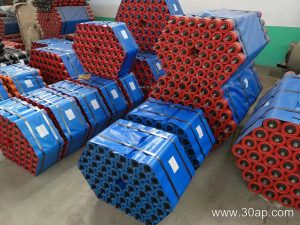
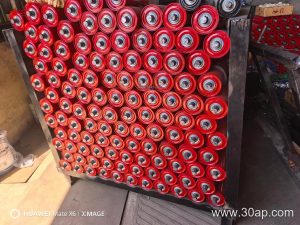
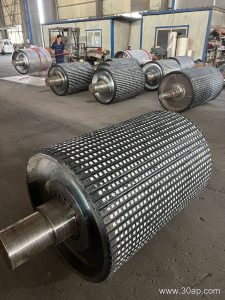
On these routes the belt runs over idler roller sets and around a drive pulley, a tail pulley and any bend pulleys dictated by the profile. The belt, pulleys, idlers and conveyor bracket assemblies form one system, so belt selection should follow the conveyor design rather than the other way round.
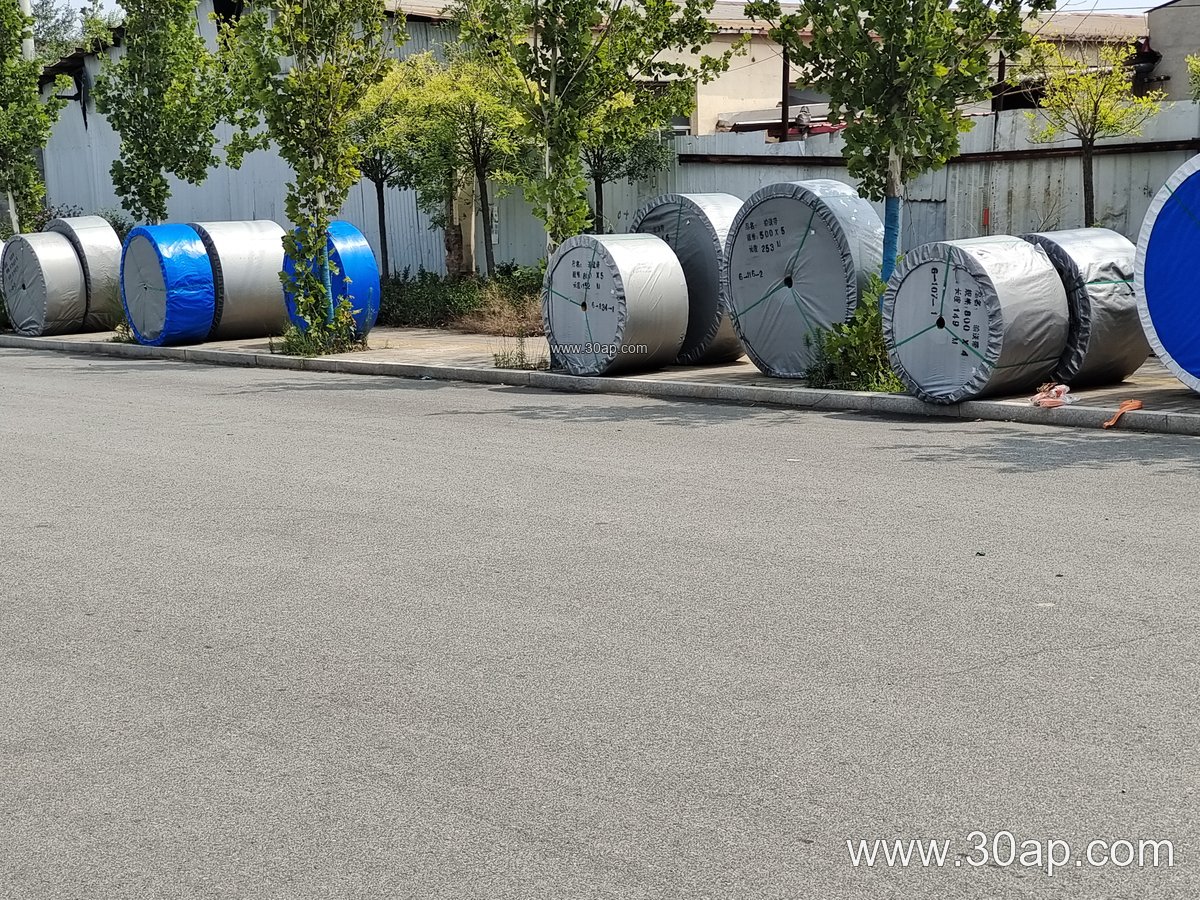
Specifications a Buyer Should Confirm
Values below are common reference ranges, not fixed supply promises. Final figures depend on the manufacturer and the conveyor design.
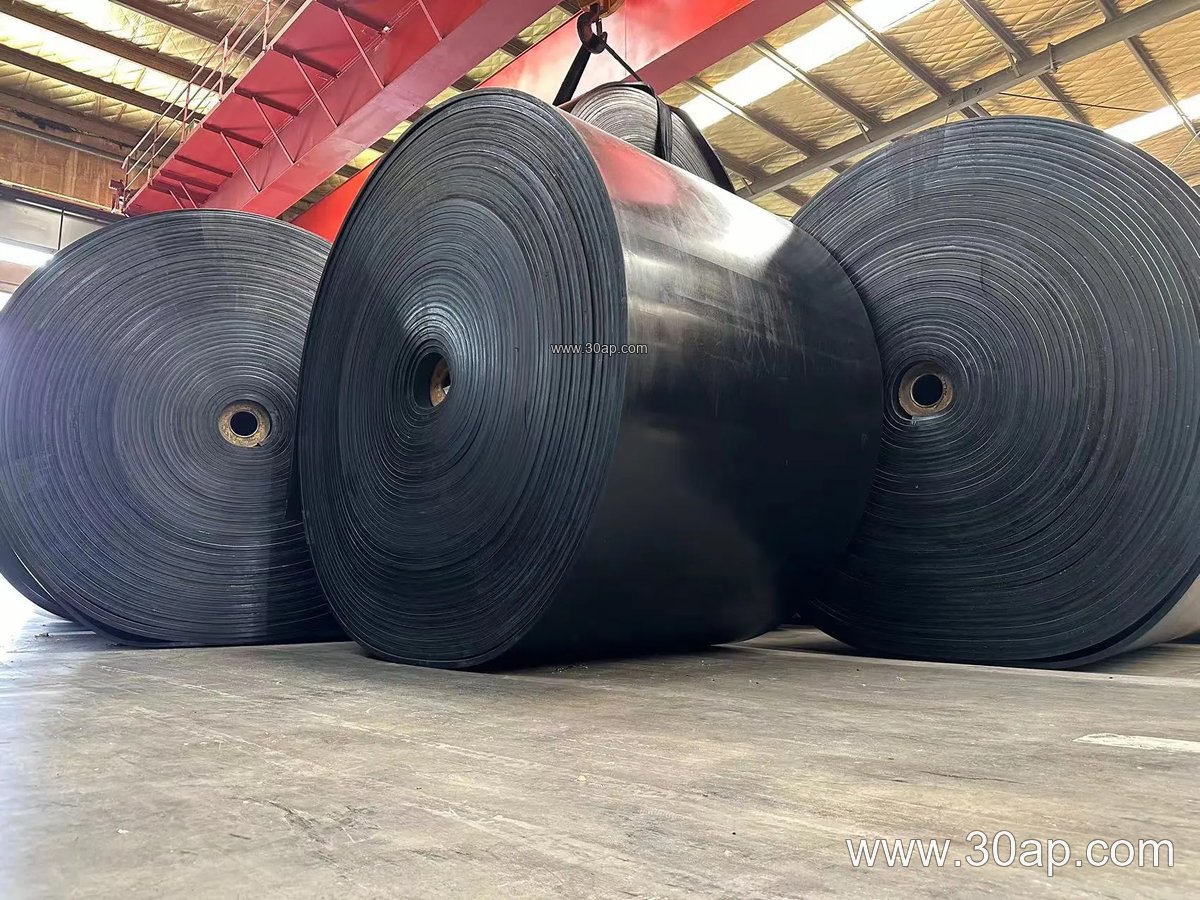
| Parameter | Typical reference |
|---|---|
| Belt type | Steel cord, ST1250 |
| Nominal strength | 1250 N/mm |
| Belt width | B800, B1000, B1200, B1400, B1600, B1800, B2000 |
| Cover thickness | 4+2, 5+2, 6+2, 8+3 mm |
| Cover grade | Abrasion resistant, heat resistant, flame retardant, anti-static, oil resistant, cold resistant |
| Belt length | Made to the conveyor centre distance, with splice allowance |
Width and strength are separate decisions. A wider belt does not automatically mean a larger pulley, and shaft diameter is set by the pulley manufacturer from the actual load case, not from belt width alone. Ask for the cord pitch, cover grade, edge condition and splice method in writing.
Selection and Maintenance Notes
Check the maximum tension, the take-up stroke and the starting torque before confirming ST1250. Steel cord belts need careful splicing; a vulcanized splice with the correct cord overlap is normal. Keep the drive pulley lagging and the idler roller surfaces clean, inspect the belt edges for cord exposure, and watch for cover wear at loading points. Where the material is hot, sticky or oily, match the cover compound to the duty rather than relying on strength class alone.
For a full conveyor package, the belt is usually specified together with pulleys, idlers and brackets, and the belt data sheet should travel with the order so that replacement sections match the original construction.