What the Ø159 Conveyor Idler Represents
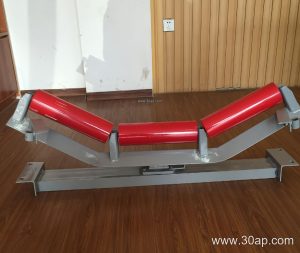
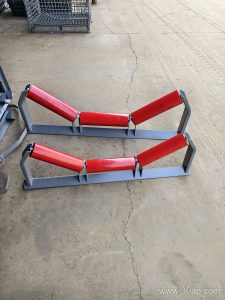
The Ø159 conveyor idler is a heavy-series carrying roller built around a 159 mm shell diameter. In the field it is often simply called a 159 idler roller, and it sits under the belt as part of the troughing set, returning the belt on the lower strand, or absorbing impact at a transfer point. This diameter is a common step up from the smaller 89 mm to 133 mm rollers used on lighter lines. It appears on medium and wide belt conveyors where the load per meter is high and the belt itself is stiff enough to need a larger support circle. A Ø159 idler is not a pulley; it rotates with the belt rather than driving it, and it should never be chosen as a substitute for a drive, tail, or bend pulley.
How the Roller Is Built
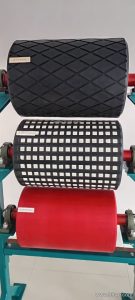
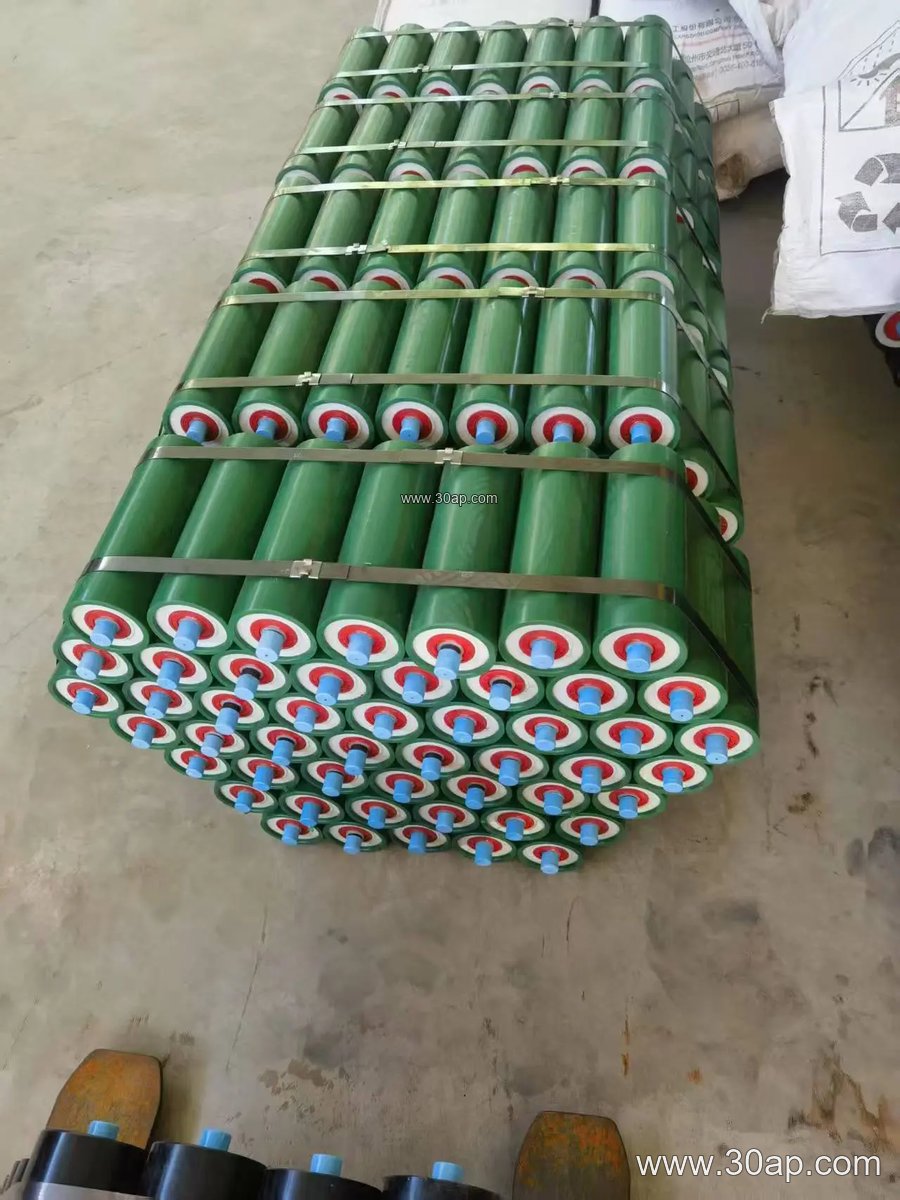
The typical construction is a seamless steel tube shell, pressed end caps, a through shaft, and a sealed bearing housing at each end. Bearing seats are machined so the shaft runs true, and the labyrinth or contact seal keeps fines and water away from the bearing. Common bearing sizes used in this class include 6305, 6306, 6308, and 6310, but the bearing is selected with the load and speed in mind, not matched to the shell diameter by rule. Shell surfaces may be plain steel, nylon-coated, ceramic-lined, or fitted with rubber rings for impact and noise reduction. Shaft ends are usually flattened or drilled for the conveyor bracket, and the bracket style must match the frame on site.
Where It Fits on the Conveyor
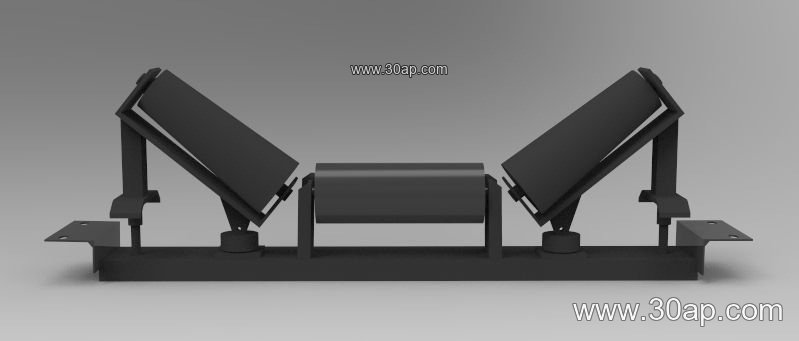
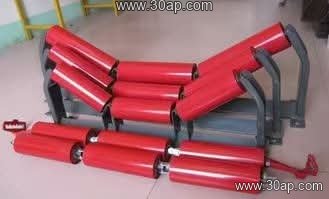
A 159 mm roller is often specified for the carrying side of a three-roll troughing set on wide belts, and for return idlers where the belt is heavy. In a quarry or aggregate line it may sit under a crusher discharge where lumps arrive with energy, so a rubber-ring impact version is sometimes preferred at the load point. In a coal handling plant or power plant coal yard, the same diameter can serve on the main coal conveyor, provided the flame retardant and anti-static properties of the belt are matched by a suitable roller finish. Cement plants use it on clinker and raw meal lines, and iron ore or copper ore operations use it where dust and fines are constant. The roller is also found in sand and gravel plants, port ship-loading conveyors, and steel plant sinter lines.
Common Sizes and Matching Data
The figures below are reference examples, not fixed combinations. Roller length changes with belt width, trough angle, and the roll position within the set, and the side rolls of a three-roll set are usually shorter than the center roll.
| Item | Common reference values |
|---|---|
| Shell diameter | Ø159 mm |
| Belt width examples | B800, B1000, B1200, B1400, B1600, B1800 |
| Roll length examples for three-roll troughing | about 315 mm at B800, 380 mm at B1000, 465 mm at B1200, 530 mm at B1400, 600 mm at B1600, 670 mm at B1800 |
| Trough angles | 20°, 30°, 35°, 45° |
| Bearing examples | 6305, 6306, 6308, 6310 |
| Roller surface options | steel tube, nylon, ceramic, rubber ring |
Note that a given belt width does not lock the conveyor to one pulley diameter or one shaft size. Shaft diameter follows the calculated load, the support spacing, and the frame design. A B1200 belt may run with a 159 mm roller on the carrying side while the return strand uses a smaller V-type or flat return roller, and that is normal.
Buying Points That Matter
- Confirm the shell diameter and the actual roll length, not just the belt width.
- State the trough angle and whether the roller is center or side position.
- Give the belt speed and the material being carried, since abrasive rock, wet coal, and hot clinker ask for different seals and surfaces.
- Check the bracket type and hole spacing against the existing frame before ordering.
- Ask how the bearing housing is sealed and whether the shaft is through-type or stub-type.
- For dusty or wet service, a well-sealed idler roller lasts longer than a cheaper open design.
Maintenance and Belt Interaction
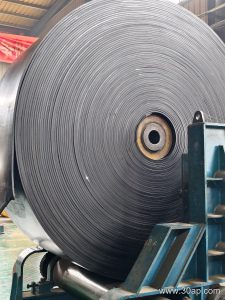
A worn or seized 159 idler can rub the belt, raise power draw, and cause tracking drift. During inspection, check for a rough shell, play in the bearing, and material build-up on the return side. Replace rollers in sets where possible so the belt is supported evenly. The roller must suit the belt it carries; a heavy-duty mining conveyor belt with a thick cover behaves differently from a lightweight fabric core belt, and the support spacing should be reviewed when the belt grade changes. Matching the idler to a rubber conveyor belt, an EP conveyor belt, or a steel cord conveyor belt is a matter of load and speed, not a single universal rule.
For buyers comparing suppliers, describe the duty in plain terms: material, tonnage per hour, belt width, trough angle, and ambient conditions. That information narrows the choice far better than a diameter alone, and it keeps the Ø159 conveyor idler matched to the real job on the line.