What a Chemical Resistant Conveyor Belt Is
A chemical resistant conveyor belt is a rubber conveyor belt engineered to keep its structure and cover compound intact when the carried material or the surrounding air contains acids, alkalis, salts, solvents, or other aggressive substances. In a fertilizer plant, a mineral processing line, or a battery recycling facility, the belt may see splashes, fine dust, or occasional wash-down water that would attack an ordinary cover. The same product is often called an acid and alkali resistant conveyor belt, and both names describe one family rather than two different items.
Resistance does not mean immunity. The belt is matched to a defined chemical environment, concentration, and temperature band. A compound that performs well against dilute acid may be a poor choice for a strong solvent, so the duty condition matters as much as the belt construction.
How the Belt Is Built
The carcass carries tension, while the cover compound provides the chemical barrier. Common constructions include EP conveyor belt carcasses, NN conveyor belt carcasses, and multi-ply fabric core conveyor belt designs. Steel cord conveyor belt options exist for very long centres and high tension, but they are usually selected for strength reasons first and chemical exposure second.
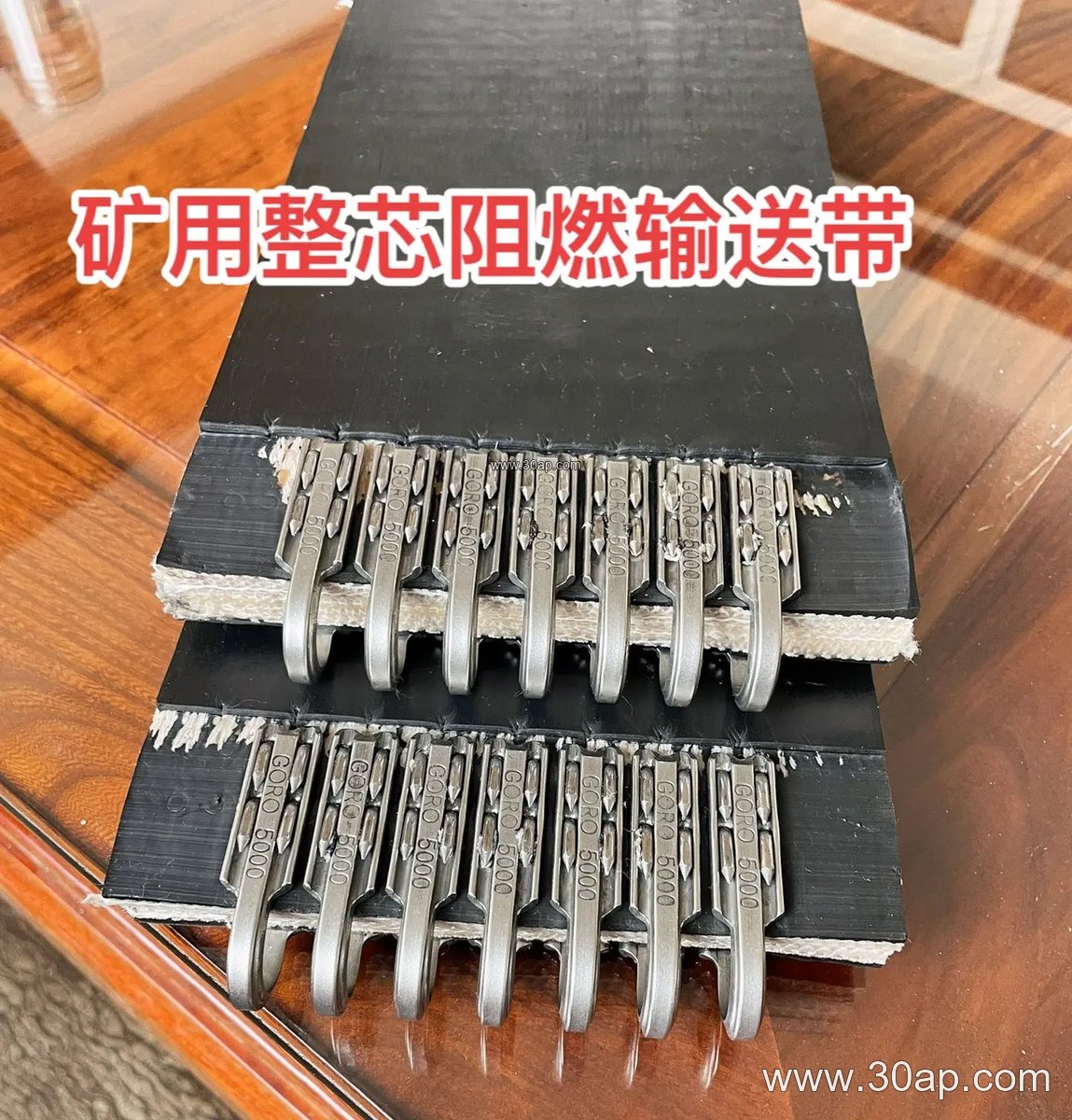
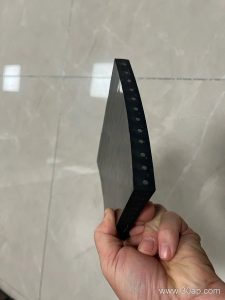
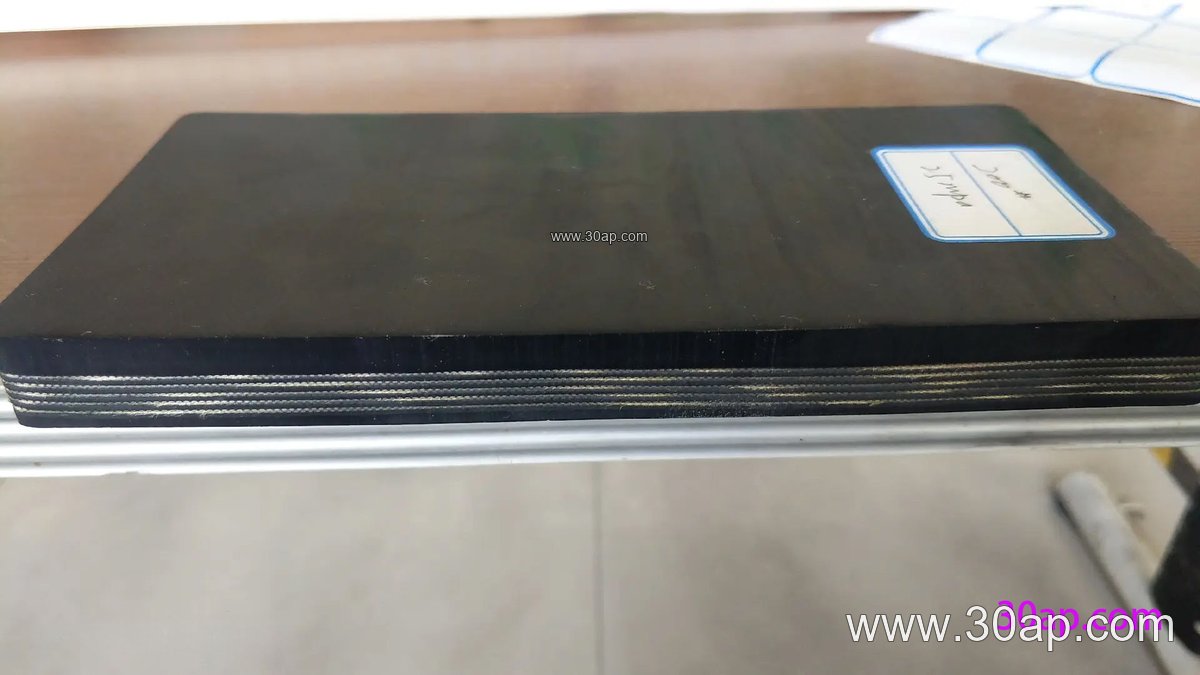
Cover thickness and compound grade are the main defences. Typical cover combinations such as 4+2 mm, 5+2 mm, or 6+2 mm give the top cover enough material to wear gradually before the carcass is exposed. A thicker cover is not automatically better; too stiff a cover can reduce troughing on smaller pulleys. Skirted conveyor belt and corrugated sidewall conveyor belt variants are sometimes used where spillage control and chemical containment are both required.
| Parameter | Common Options | Notes |
|---|---|---|
| Carcass type | EP, NN, multi-ply fabric, steel cord | Selected by tension and centre length |
| Strength grade | EP200, EP400, EP630, EP800, EP1000, EP1250 | Reference values only; confirm by design |
| Belt width | B500, B650, B800, B1000, B1200, B1400 | Matched to the conveyor, not to one pulley size |
| Cover thickness | 3+1.5, 4+2, 5+2, 6+2 mm | Top and bottom cover differ by duty |
| Ply count | 2 to 6 layers | Higher ply count raises stiffness |
Where It Fits in the Plant
Chemical duty overlaps with several other requirements. A gold mining conveyor belt may need oil resistant conveyor belt behaviour where reagents and lubricants are present. A power plant conveyor belt handling coal or limestone slurry residue may combine chemical exposure with abrasion, so an abrasion resistant conveyor belt cover is often specified alongside chemical resistance. In a cement plant conveyor belt circuit, alkaline dust is common, and the same belt may also need heat resistant conveyor belt performance near clinker.
Underground coal mining conveyor belt installations add flame retardant conveyor belt requirements, and an anti-static conveyor belt cover is frequently requested in the same specification. Food grade conveyor belt compounds follow a different approval route and should not be substituted casually. In sand and gravel operations, quarry conveyor belt lines rarely see strong chemicals, but a crusher conveyor belt receiving recycled material may encounter residues that justify a resistant cover.
Selection Points for Buyers
- List the actual chemicals, concentration, and contact time, not just the process name.
- Confirm the working temperature range; cold resistant conveyor belt grades may be needed in winter or freezer service.
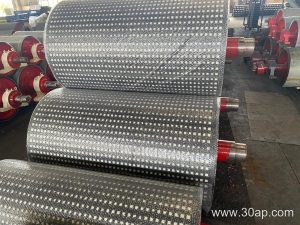
- Check the pulley arrangement. Drive, tail, and bend pulleys each impose different demands, and the belt must suit the smallest pulley in the run.
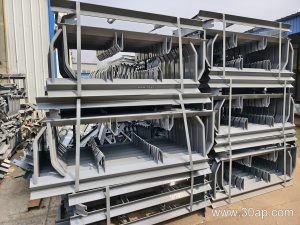
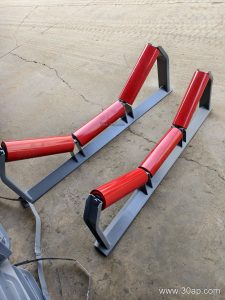
- Review the idler roller spacing and conveyor bracket condition, because poor support accelerates cover wear.
- Ask how the splice will be made, since an endless conveyor belt joint can be the weakest point in a chemical environment.
The conveyor pulley, idler roller, and conveyor bracket set the mechanical context, but the belt compound decides chemical survival. For site-specific advice, the belt supplier should review the material safety data and the layout drawing together.