What a Port Conveyor Belt Does
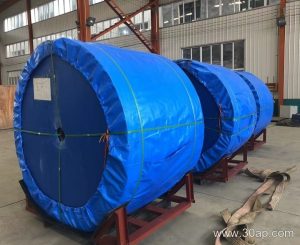
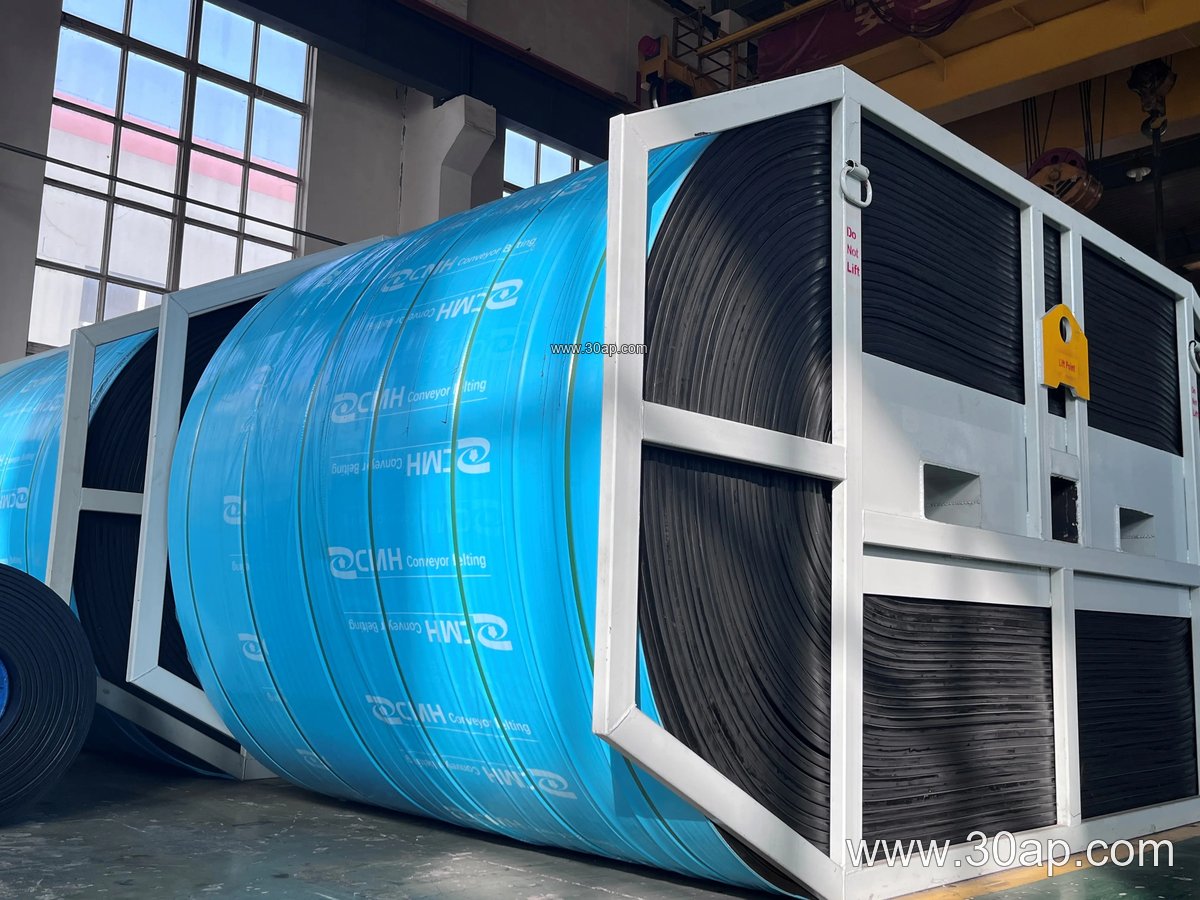
A Port Conveyor Belt is the heavy-duty carrying element in the continuous handling systems that move coal, iron ore, copper ore, cement clinker, fertilizer, grain and general bulk cargo between ship unloaders, stackers, reclaimers, storage yards and ship loaders. Unlike a short in-plant conveyor, a belt in a port terminal usually runs long distances, works in salt-laden air, and handles abrasive or damp material at high tonnage. That combination makes the belt a critical wear part rather than a simple accessory.
The same product is often called a bulk terminal conveyor belt or ship loading conveyor belt, depending on which part of the quay it serves. All three names describe the same fabric or steel-reinforced rubber belt used on port conveyor systems; they are not different product categories.
Construction and Common Configurations
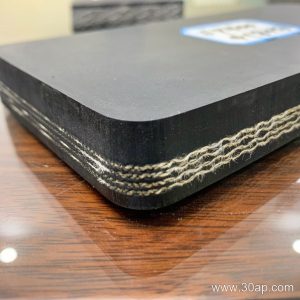
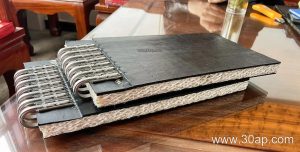
A typical port belt combines a tension-carrying carcass with rubber covers on both faces. The carcass may be EP fabric, NN nylon fabric, multi-ply fabric, or steel cord, and the cover grade is chosen for the cargo and climate. Fabric-core belts are common on yard and transfer conveyors, while steel cord belts suit long, high-tension routes such as ship loader booms and main trunk lines.
| Element | Common Options | Notes |
|---|---|---|
| Carcass | EP, NN, multi-ply fabric, steel cord | Selected by tension and pulley diameter |
| Strength grade | EP200 to EP2000; ST1000 to ST3150 | Reference values only; confirm by design |
| Belt width | B500 to B2000, with wide belts for high tonnage | Matched to capacity and material size |
| Cover thickness | 3+1.5, 4+2, 5+2, 6+2, 8+3 mm | Top cover usually thicker for impact |
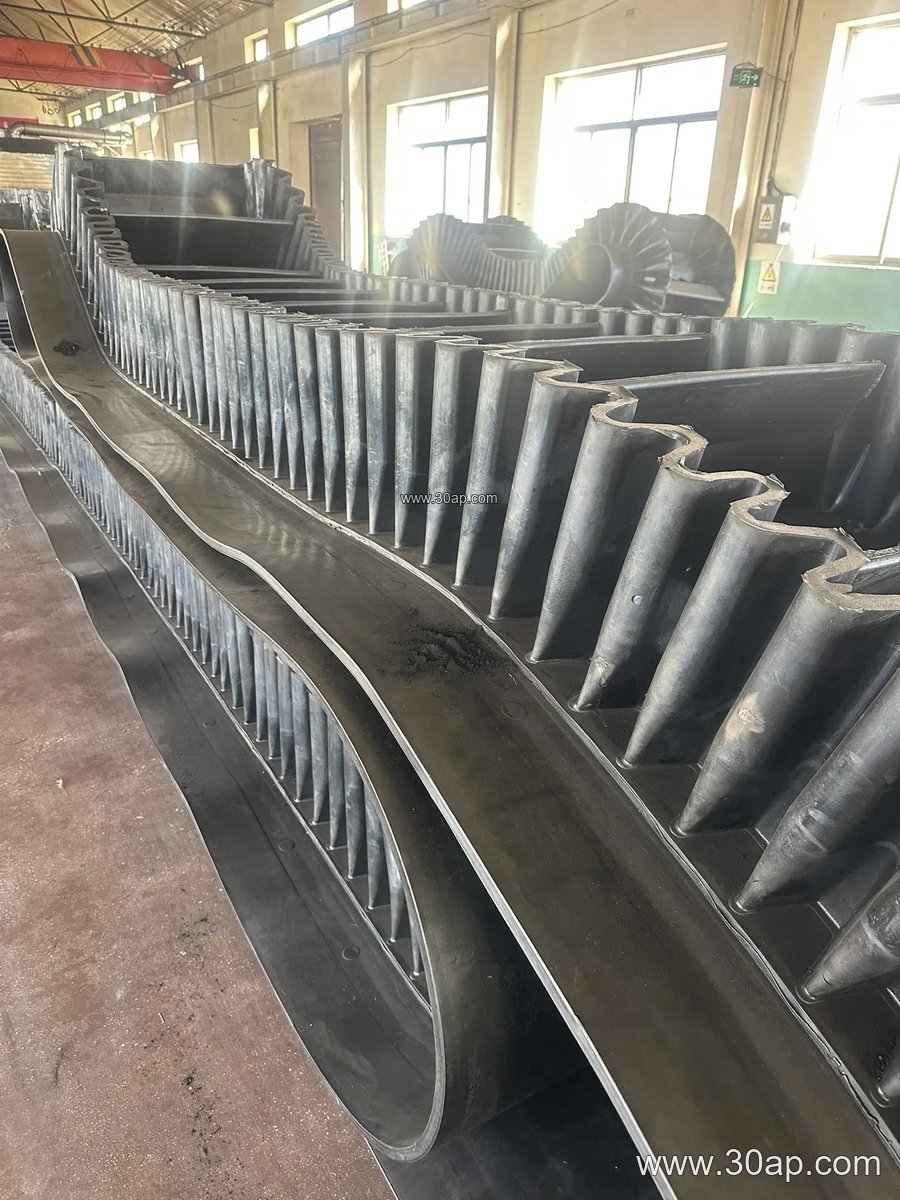
| Special forms | Chevron, corrugated sidewall, skirted, pipe | Used where incline or spillage control is needed |
Cover compounds matter as much as carcass strength. An abrasion resistant conveyor belt handles coke, sinter and crushed stone; a heat resistant conveyor belt suits clinker and ash; a flame retardant conveyor belt or fire resistant conveyor belt is specified where coal dust and ignition risk exist; and an oil resistant or cold resistant grade may be needed for specific cargoes. Anti-static properties are often requested alongside flame resistance in coal and dust environments.
Where It Is Used
Port terminals share belt technology with mines, cement plants, power plants and quarries, but the duty cycle differs. A coal conveyor belt at a power plant may run steadily for years, while a ship loading conveyor belt works intermittently at high peak rates. In a sand and gravel terminal, an aggregate conveyor belt must tolerate sharp edges and wet material; in a metal terminal, an iron ore conveyor belt or copper ore conveyor belt faces dense, abrasive cargo. The same belt route may include a crusher conveyor belt section, stockyard conveyors, and a reclaim tunnel.
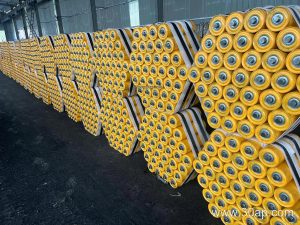
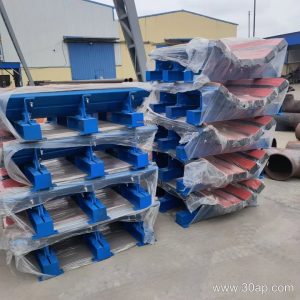
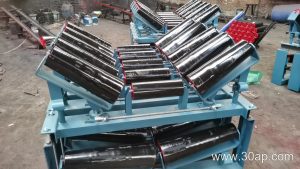
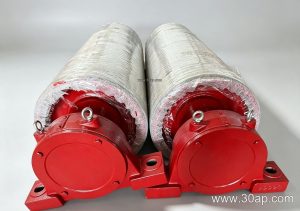
Supporting equipment must be considered together with the belt. Idler roller spacing, conveyor pulley alignment, and conveyor bracket condition affect belt tracking and cover wear. A misaligned drive pulley, tail pulley, or bend pulley can shorten belt life faster than abrasive cargo. Belt cleaners, skirt rubber and transfer chutes also influence how well the belt performs.
Buyer Checklist
- Confirm the actual duty: cargo type, lump size, moisture, temperature and whether coal dust or oil is present.
- State the conveyor geometry, including incline, trough angle and the number of pulleys, so the belt can be matched to the route.
- Choose the carcass by calculated tension, not by habit; EP and steel cord grades are not interchangeable.
- For inclined ship loading routes, compare a chevron conveyor belt or corrugated sidewall belt with a standard smooth belt before deciding.
- Ask for cover grade and thickness in writing, for example 6+2 mm or 8+3 mm, and confirm whether an endless conveyor belt splice is preferred.
- Review maintenance access to idler rollers, pulleys and brackets; poor access raises long-term cost.
Ports rarely buy a belt in isolation. A practical specification links the belt to the conveyor pulley sizes, idler roller type, bracket layout and expected splice method. Buyers should treat published strength and width figures as reference data and ask the supplier to confirm the final construction against the terminal’s own design conditions.