What a Heavy-Duty Steel Conveyor Bracket Does
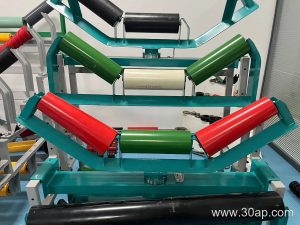
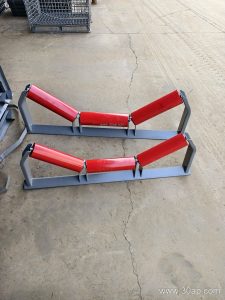
A heavy-duty steel conveyor bracket is the structural support that holds idler rollers in place and keeps a conveyor belt tracking along the intended path. It carries the weight of the belt, the material being moved, and the roller assemblies themselves, so it sits at the heart of the conveyor frame. In a quarry, a cement plant, a power station coal yard, or a crushing and screening line, these brackets take constant impact and abrasion while keeping the belt profile steady.
Unlike a light fabricated support, a heavy-duty bracket is built to resist vibration, misalignment, and heavy loading without bending out of shape. It is often described as a steel conveyor bracket or a conveyor idler bracket, and the two terms refer to the same family of structural components.
How the Bracket Is Built
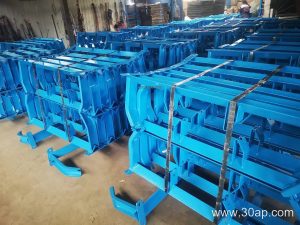
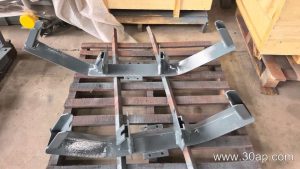
Most heavy-duty steel conveyor brackets are formed from angle steel, channel steel, or bent steel plate. The grade and thickness depend on the duty level and the belt width. Fabrication usually involves cutting, drilling, bending, and welding, followed by a protective coating such as painting or galvanizing to slow corrosion in wet or dusty environments.
The bracket is designed to hold idler rollers at a defined trough angle, and the mounting hole spacing and crossbeam length change with belt width and trough angle. A bracket that is welded and squared accurately helps the rollers sit level, which in turn reduces belt edge wear and spillage.
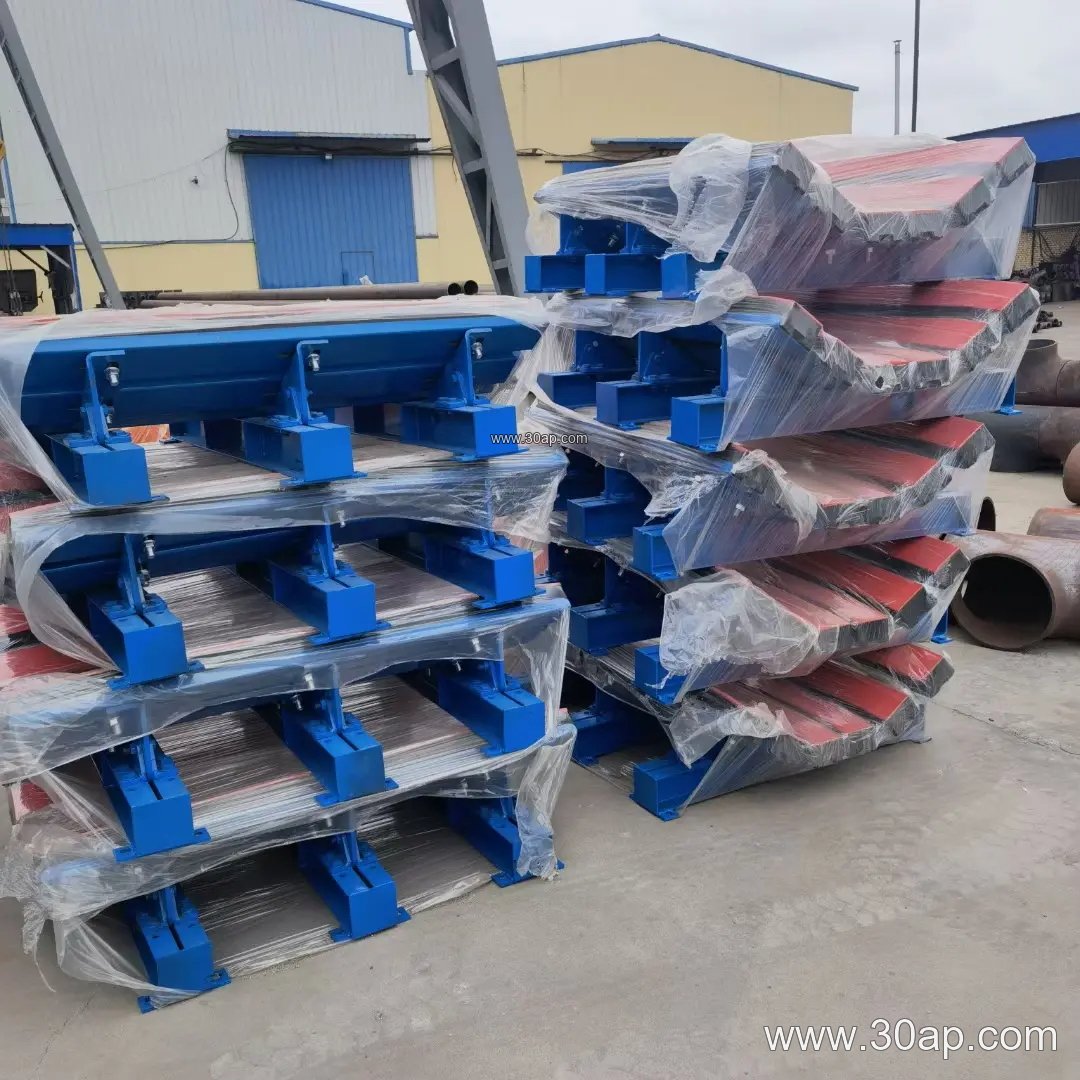
Common Bracket Types in a Conveyor Line
The main subject here is the heavy-duty steel conveyor bracket, but it helps to know where it sits among related supports. Trough brackets support the carrying side, return brackets support the belt on its way back, and transition or impact brackets handle the load at transfer points. These are not interchangeable with drive pulleys, tail pulleys, or bend pulleys, which are separate rotating components of the conveyor.
- Trough idler bracket for the carrying run
- Return bracket and V-return bracket for the lower run
- Impact bracket at loading points
- Self-aligning and forward-leaning brackets for belt training
- Adjustable bracket for trough angle changes
- Suspended bracket for long spans
Typical Reference Sizes
The values below are common reference data, not fixed specifications. Final dimensions are confirmed by design.
| Parameter | Common Reference Range |
|---|---|
| Belt width | B500, B650, B800, B1000, B1200, B1400, B1600, B1800, B2000, B2200 |
| Trough angle | 20°, 30°, 35°, 45° |
| Idler diameter | Ø89, Ø108, Ø133, Ø159, Ø194 |
| Material | Angle steel, channel steel, bent steel plate |
A bracket may be described as B800, 35°, Ø108, or as B1200, 45°, Ø133. These combinations are examples only. One belt width does not lock the bracket to a single trough angle or a single roller diameter, and the shaft diameter is set by the roller design rather than by belt width alone.
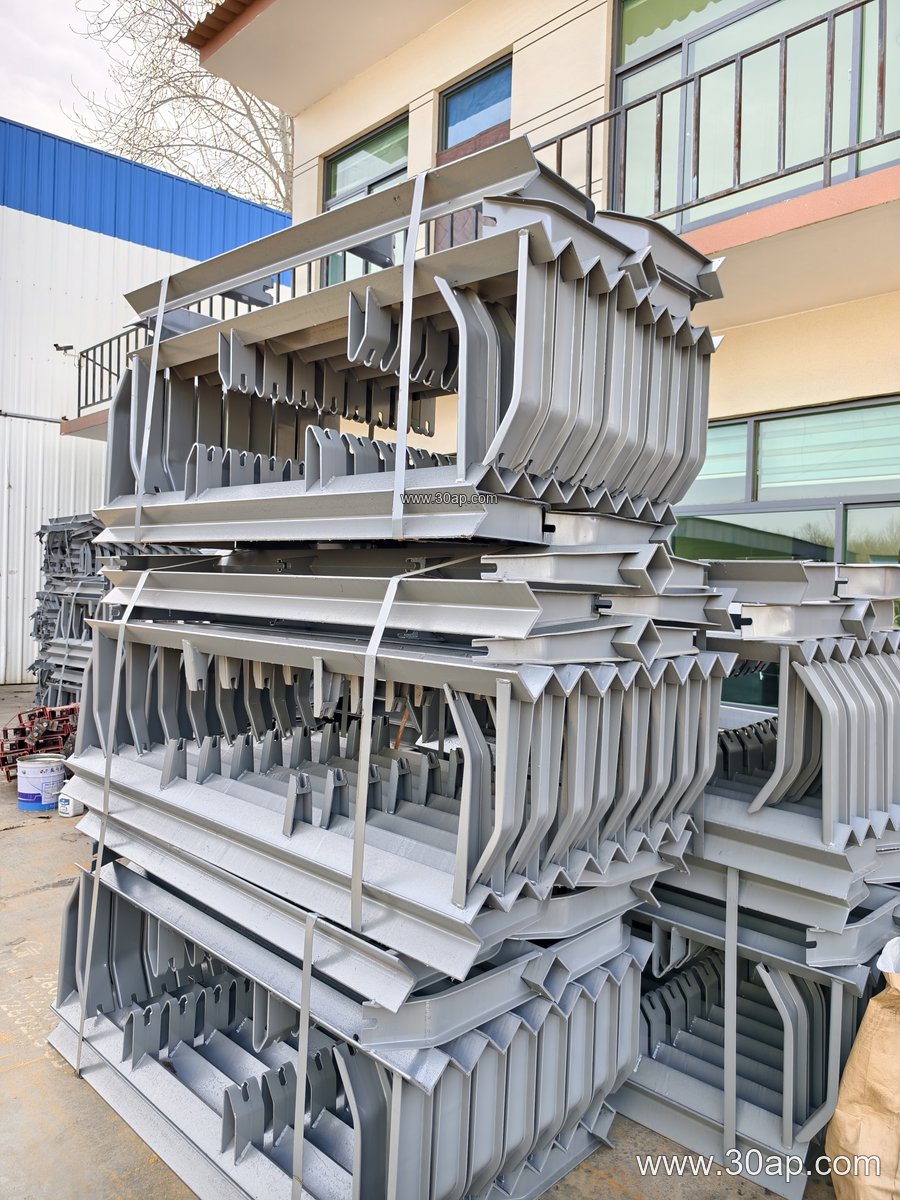
Where Heavy-Duty Brackets Are Used
These brackets are common in a limestone mine feeding a crusher, and in a coal handling system at a power plant where dust and continuous operation are normal. They also appear in sand and gravel plants, cement kilns, steel sintering lines, and port bulk terminals. In each case the bracket works alongside the conveyor belt, conveyor pulley, and idler roller to keep material moving.
For high-abrasion duties, users often pair a robust bracket frame with an abrasion resistant conveyor belt or a heavy-duty conveyor belt. In underground coal mining, flame retardant conveyor belt and fire resistant conveyor belt grades are selected together with sturdy supports. For long overland lines, a steel cord conveyor belt or an EP conveyor belt may run on the same bracket style, and a pipe conveyor belt or corrugated sidewall conveyor belt needs its own support arrangement.
What Buyers Should Check
Before ordering, confirm the belt width, trough angle, roller diameter, and the mounting hole pattern with the conveyor designer. Ask about steel grade, plate thickness, welding quality, and surface treatment. Check whether the bracket is fixed or adjustable, since an adjustable bracket lets maintenance staff fine-tune the trough angle within the 20° to 45° range. Forward-leaning brackets, usually around 1.5° to 2°, are a separate training feature and should not be confused with trough adjustment.
Also consider the environment. A wash-down area may call for galvanized steel, while a dusty coal yard may benefit from easy-clean, self-aligning designs. Matching the bracket to the conveyor belt and idler roller load ensures the structure lasts through years of demanding service.