What a Conveyor Belt Carrying Idler Does
A conveyor belt carrying idler is the rotating roller assembly that supports the loaded side of the belt and holds it in a stable trough shape between the tail pulley and the drive pulley. In a quarry or a cement plant, the carrying idlers are the parts the material actually rides on, so their alignment, roller diameter and bearing condition directly influence belt tracking, power draw and spillage.
The same component is often called a troughing idler or upper carrying roller. Those names describe where it sits and how it is arranged, not a different product. Drive pulleys, tail pulleys and bend pulleys remain separate items in the conveyor layout, and they are selected on their own criteria.
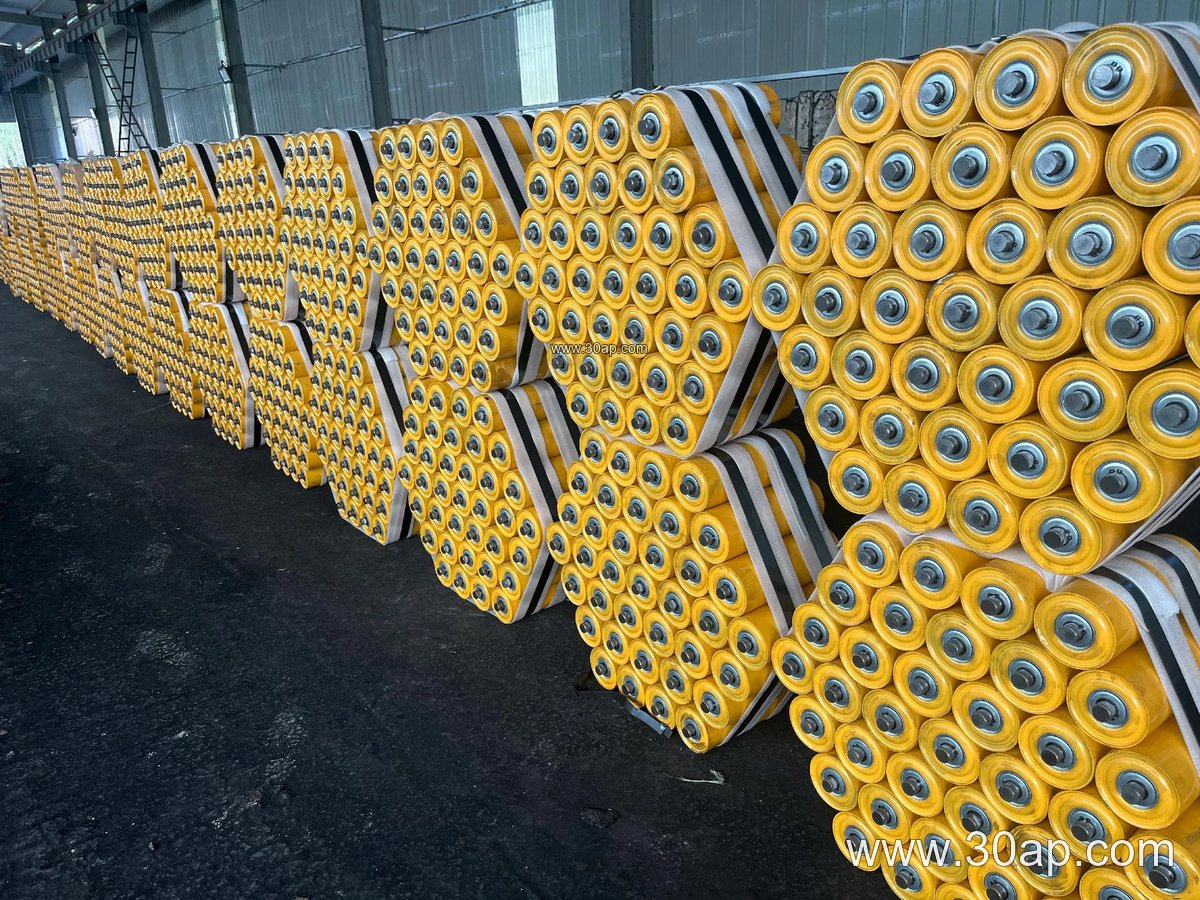
How the Assembly Is Built
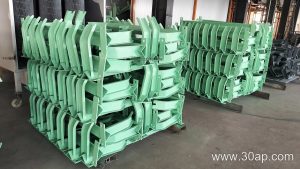
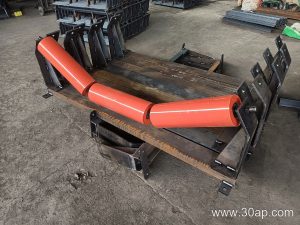
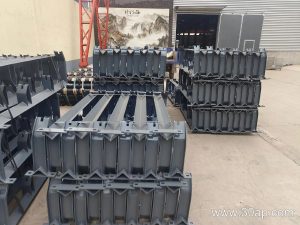
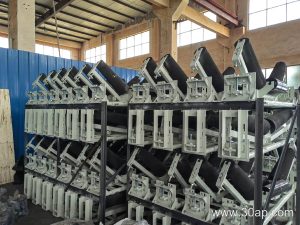
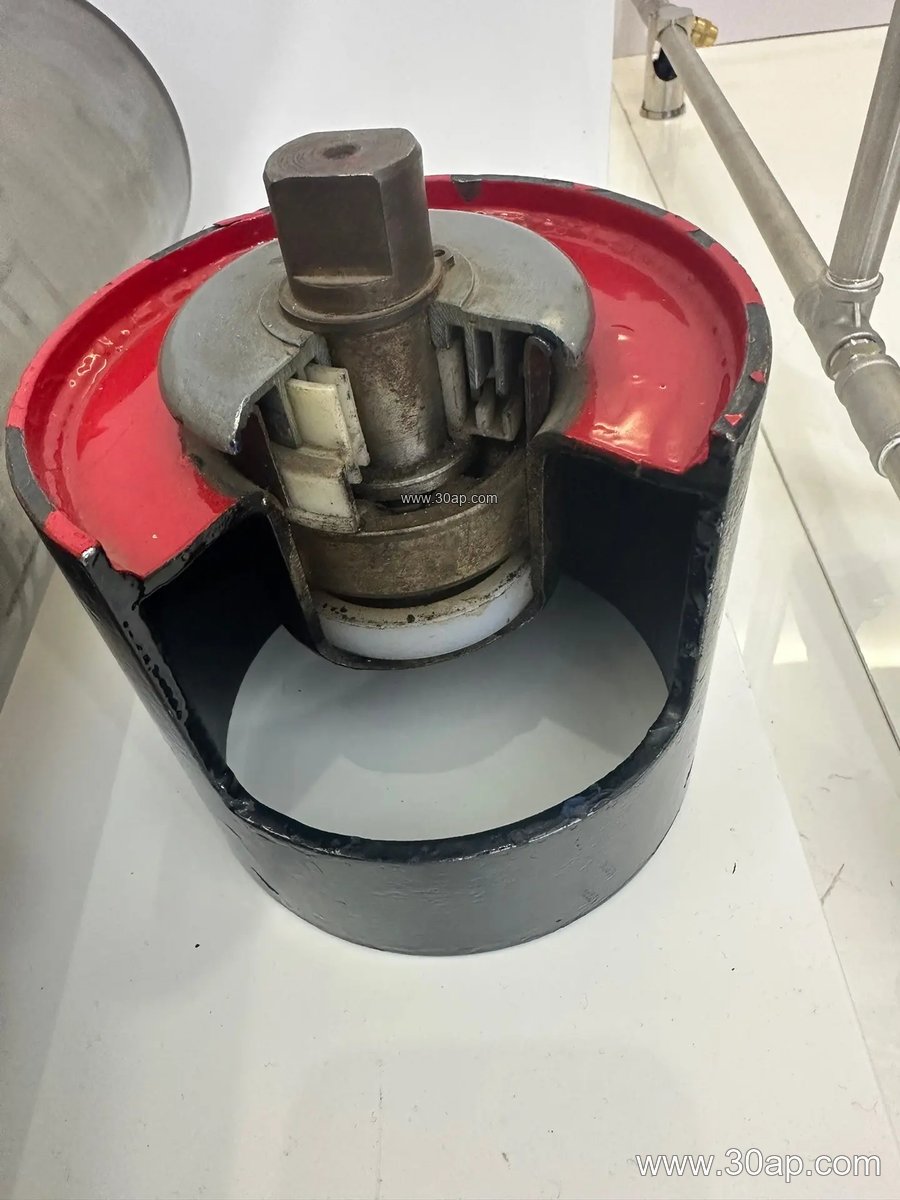
A typical station uses three rolls set at a trough angle, mounted in a steel frame and fixed to the conveyor bracket on the stringer. The outer rolls are inclined, while the centre roll stays horizontal. Roll shells are usually steel tube, with nylon, ceramic or rubber rings used where wear or material build-up is a concern. Sealed bearings are fitted at each end of the shaft, and the bearing housing design is what keeps dust out in a stone crushing line or a power plant coal yard.
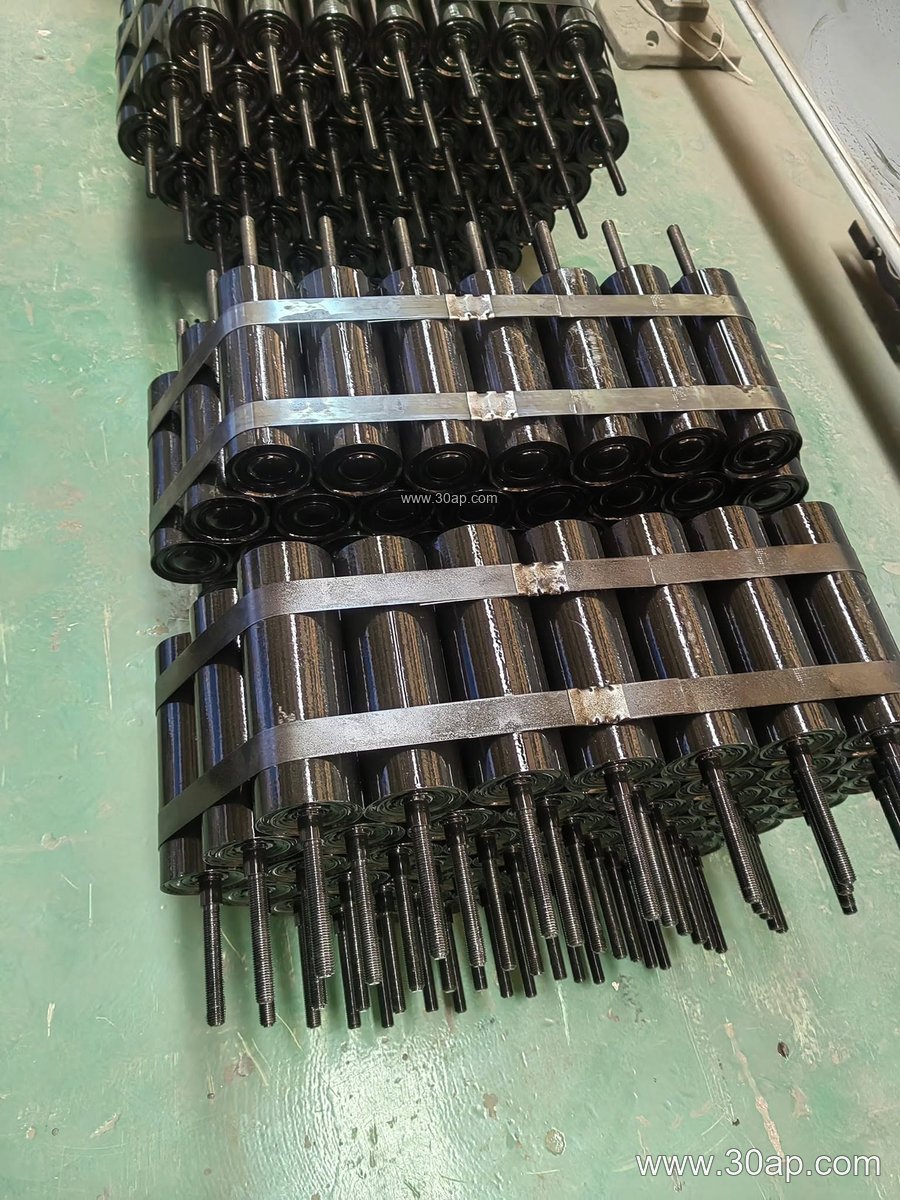
Common roll diameters include Ø89, Ø108, Ø127, Ø133, Ø159 and Ø178 mm, with larger sizes used on heavy conveyors. Belt widths are normally matched by the conveyor designer rather than chosen in isolation, and the roll length follows belt width, trough angle and the number of rolls in the station.
| Belt width | Typical centre roll length, three-roll station |
|---|---|
| B500 | about 200 mm |
| B650 | about 250 mm |
| B800 | about 315 mm |
| B1000 | about 380 mm |
| B1200 | about 465 mm |
| B1400 | about 530 mm |
| B1600 | about 600 mm |
These figures are common examples only. Side rolls differ from the centre roll, and the final length must be confirmed against the station drawing.
Trough Angle and Belt Behaviour
Trough angles of 20, 30, 35 and 45 degrees are widely used. A deeper trough helps contain a bulky load on an aggregate conveyor belt, while a shallower angle suits wider belts or material that tends to interlock. Forward tilt of about 1.5 to 2 degrees is sometimes applied to help the belt self-centre, but it increases friction and should not be added without reason.
Where the belt is heavily loaded at the transfer point, impact idlers with rubber rings are placed instead of standard carrying rolls. That is a comparison worth noting, but the main carrying run still relies on troughing stations.
Where Carrying Idlers Are Used
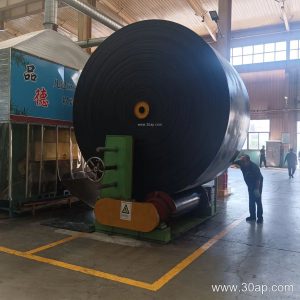
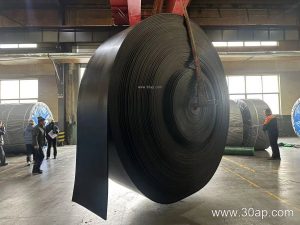
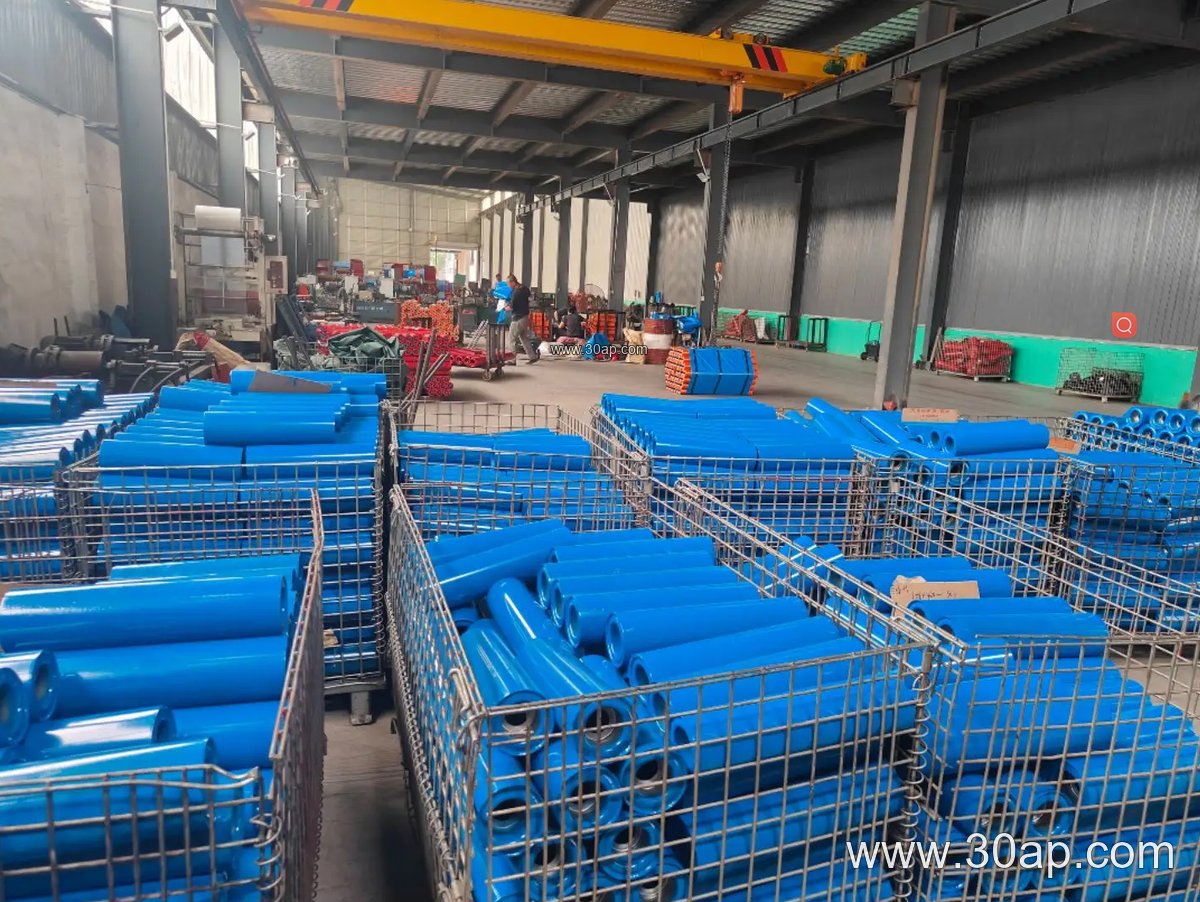
You will find them in iron ore and copper ore handling, limestone quarries, coal preparation plants and cement kilns feed lines. They also appear in port ship loading systems and tunnel spoil removal conveyors. The belt they support may be an EP conveyor belt, an NN conveyor belt, a steel cord conveyor belt or a flame retardant conveyor belt for underground coal mining, and the idler selection should reflect the belt tension and load rather than the belt label alone.
Spacing along the run is set by the engineer. Loading zones usually need closer spacing, while long straight sections can be wider apart, provided belt sag stays acceptable.
Buyer Checklist
- Confirm roll diameter, shell thickness and bearing size against the actual conveyor duty, not just the belt width.
- Check the trough angle and station type, whether single roll, two roll or three roll.
- Ask about sealing and lubrication for dusty or wet conditions.
- Verify frame dimensions and mounting holes match the existing conveyor bracket.
- Consider wear-resistant shells or rubber rings where abrasive material is carried.
For a replacement programme, keep a record of each station position so that carrying idlers, return idlers and transition idlers are not mixed up during installation. A correctly matched carrying idler set keeps the belt centred, reduces edge damage and supports steady output across the whole conveyor line.