What an Oil Resistant Conveyor Belt Is
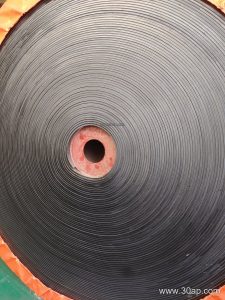
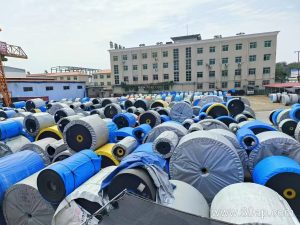
An Oil Resistant Conveyor Belt is a fabric-reinforced rubber belt built to carry materials that contain mineral oil, vegetable oil, grease, or oily residue without the cover swelling or softening quickly. In plants where oily scrap, coated aggregate, or oil-soaked components move along a conveyor line, the belt cover is the first barrier between the load and the carcass. The product is a cover-compound variant of a standard fabric core belt, so it keeps the familiar construction of a Rubber Conveyor Belt while changing the surface rubber to resist oil penetration.
The same product is often called an oil-resistant rubber conveyor belt or oil-proof conveyor belt. These are equivalent names for the same belt; they do not describe different constructions. The important distinction is between the belt cover and the belt carcass, and between oil resistance and other properties such as flame retardancy or heat resistance.
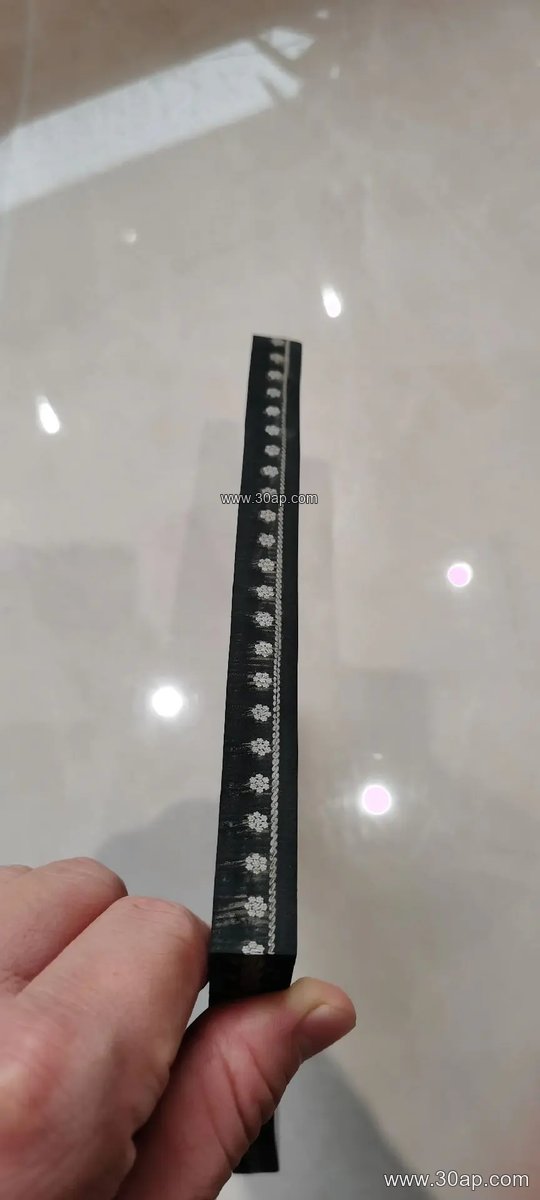
Construction and Cover Compound
A typical oil-resistant belt uses a fabric carcass, usually EP (polyester-nylon) or NN (nylon-nylon) plies, protected by top and bottom cover rubber. The carcass provides tensile strength and troughability; the cover provides resistance to oil, abrasion, and cutting. An EP Conveyor Belt carcass is common in general industry, while an NN Conveyor Belt is chosen where higher elongation and impact absorption are useful.
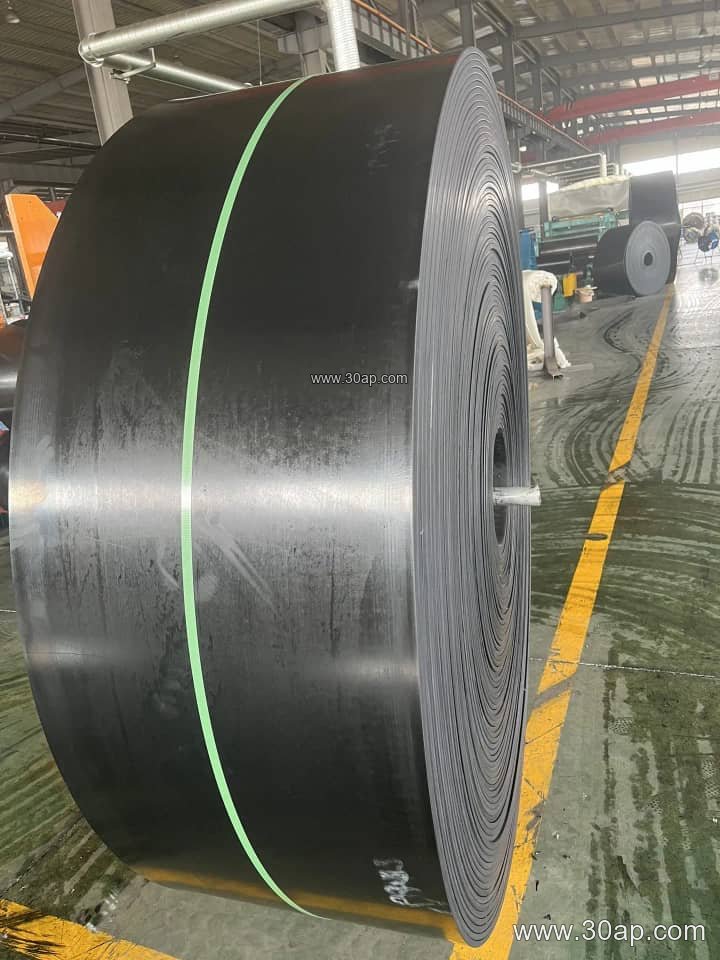
Cover thickness is usually specified as a top plus bottom figure, for example 4+2 mm, 5+2 mm, or 6+2 mm. The oil-resistant compound is normally applied to the load-carrying cover, and in some designs the pulley side also receives an oil-resistant layer. Buyers should confirm which side is protected, because a belt that only resists oil on the top cover may still degrade if oil migrates to the bottom side.
| Property | Typical reference |
|---|---|
| Carcass type | EP or NN fabric plies, 2 to 6 plies |
| Cover thickness | 3+1.5, 4+2, 5+2, 6+2, or 8+3 mm |
| Belt width | B500, B650, B800, B1000, B1200, B1400, B1600, B1800, B2000 |
| Strength class | EP200 to EP2000, selected by design |
These figures are common references, not fixed rules. The final construction should be confirmed with the belt manufacturer and matched to the conveyor design.
Where It Fits in Real Operations
Oil-resistant belts appear in recycling plants handling oily containers, in workshops moving machined parts, in feed and grain facilities where vegetable oil is present, and in some quarry and aggregate lines where equipment lubricants or oil-contaminated stone are a concern. They are also used in cement plants and power plants where fuel oil or lubricating oil can drip onto the belt path.
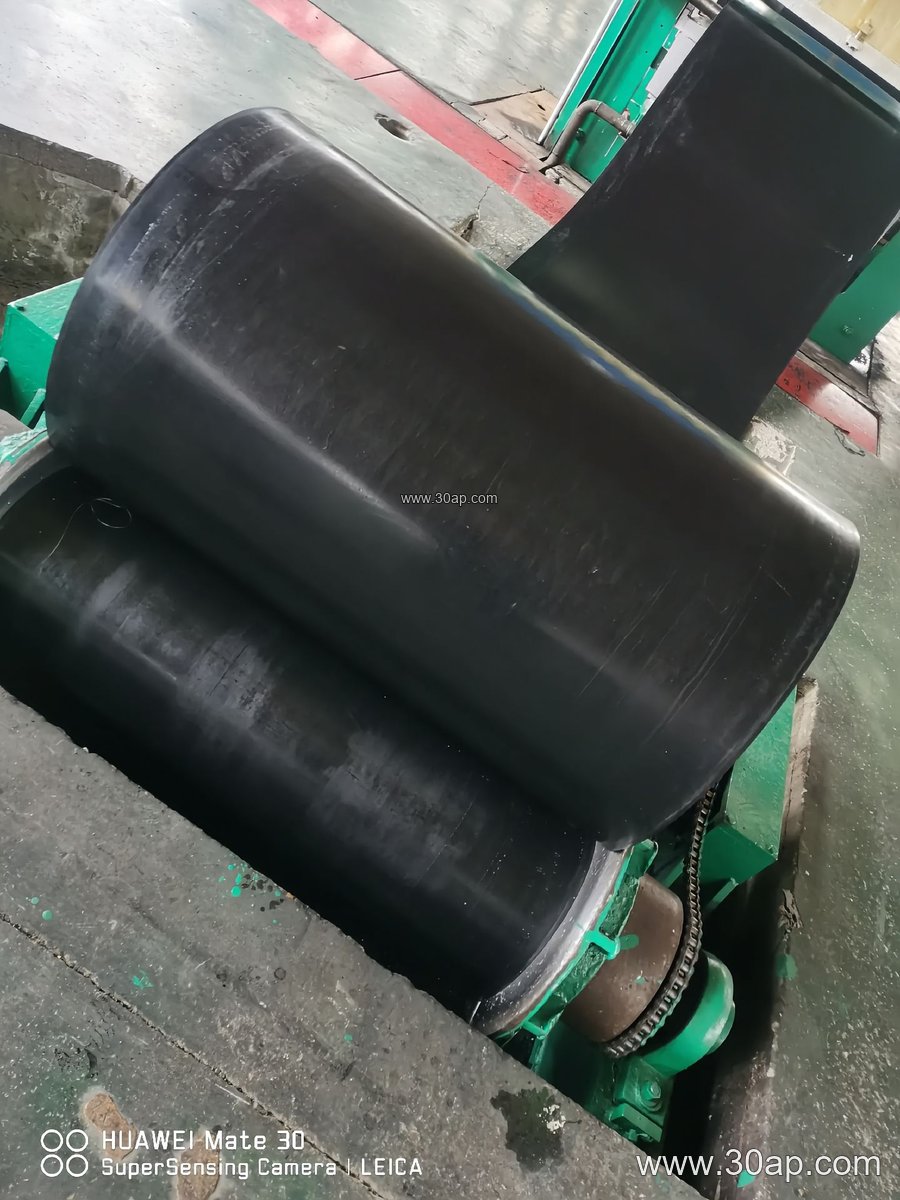
In mining and coal handling, oil resistance is usually combined with other requirements. A Coal Mining Conveyor Belt may need Flame Retardant Conveyor Belt properties, and an Underground Mining Conveyor Belt often has strict fire-safety requirements. Oil resistance does not replace flame resistance; the two properties are separate and should be specified together when both are needed. For heavy ore duty, a Steel Cord Conveyor Belt or a high-strength EP belt may be selected, but the oil-resistant cover still needs to be confirmed.
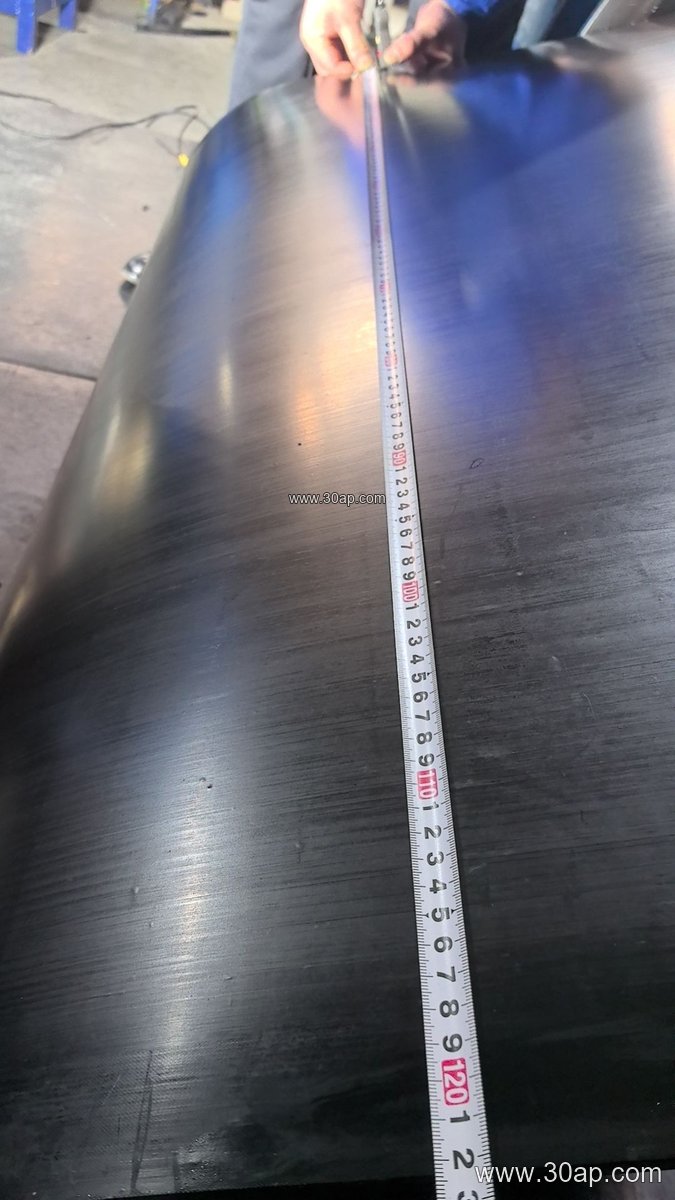
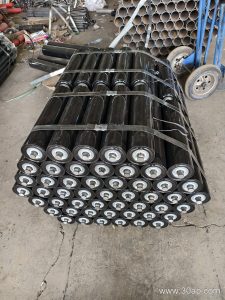
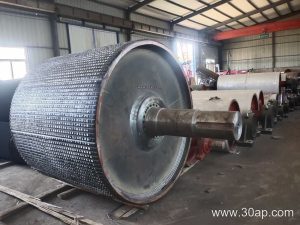
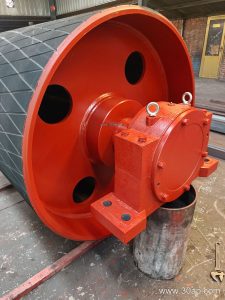
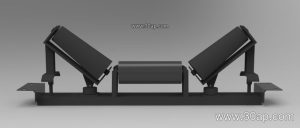
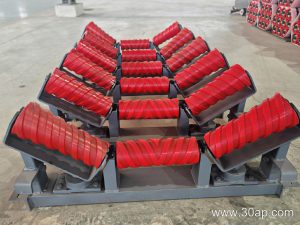
Related equipment matters as well. The belt runs over a conveyor pulley at the head and tail, supported by an idler roller along the carrying side, and held in line by a conveyor bracket. Oil that drips onto these components can affect belt tracking, so spill control and cleaning are part of the same design problem.
Selection Points for Buyers
- Identify the oil type and concentration. Mineral oil, hydraulic oil, and vegetable oil affect rubber differently, and exposure time matters.
- Confirm the cover thickness and which side is oil-resistant. A thicker cover gives more wear allowance but adds weight.
- Match strength class and width to the actual load. A 1200mm wide belt and an 1800mm wide belt are different design choices, not universal standards.
- Check whether flame retardancy, anti-static behavior, or heat resistance is also required. An Anti-Static Conveyor Belt or Heat Resistant Conveyor Belt must be specified separately.
- Review the pulley diameters, idler roller spacing, and conveyor bracket layout with the belt supplier to avoid excessive bending stress.
Maintenance also affects service life. Oil-resistant covers resist swelling but are not immune to continuous pooling. Keeping the belt clean, checking cover wear, and inspecting splices help prevent oil from reaching the fabric core. Where oil exposure is severe, a skirted or corrugated sidewall design may help contain the material, but those are separate belt types and should not be treated as substitutes for an oil-resistant cover.
Practical Notes
An oil-resistant belt is a targeted solution, not a general-purpose upgrade. In sand making, stone crushing, and port handling, a standard Abrasion Resistant Conveyor Belt may be sufficient if oil is absent. In food-adjacent lines, a Food Grade Conveyor Belt with suitable oil contact approval may be needed instead. Buyers should state the oil exposure clearly, request the cover compound data, and confirm that the selected belt meets the conveyor’s strength, width, and pulley requirements.