What a Gold Mining Conveyor Belt Has to Handle
A gold mining conveyor belt is a heavy-duty bulk material conveyor belt built for the ore side of a gold operation, moving crushed rock, mill feed, and screened product between the crusher, stockpile, and processing plant. Gold ore is abrasive, often damp or dusty, and may arrive in sharp, irregular lumps, so the belt needs a tough cover compound and a carcass that holds its tension over long inclines.
This is not a general-purpose belt borrowed from a warehouse line. It is usually an abrasion resistant conveyor belt with a reinforced carcass, chosen for continuous shifts and rough loading points. In underground workings, flame retardant and anti-static properties may also be required, which puts the specification closer to an underground mining conveyor belt standard.
Construction of the Belt
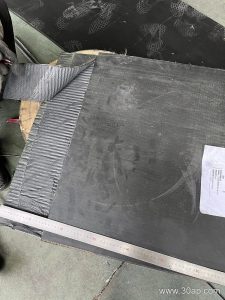
The belt is a sandwich of three functional layers. The top and bottom covers are rubber compounds, and the carcass between them carries the load. Fabric-core constructions use EP or NN plies, while very long or high-tension runs may use a steel cord conveyor belt.
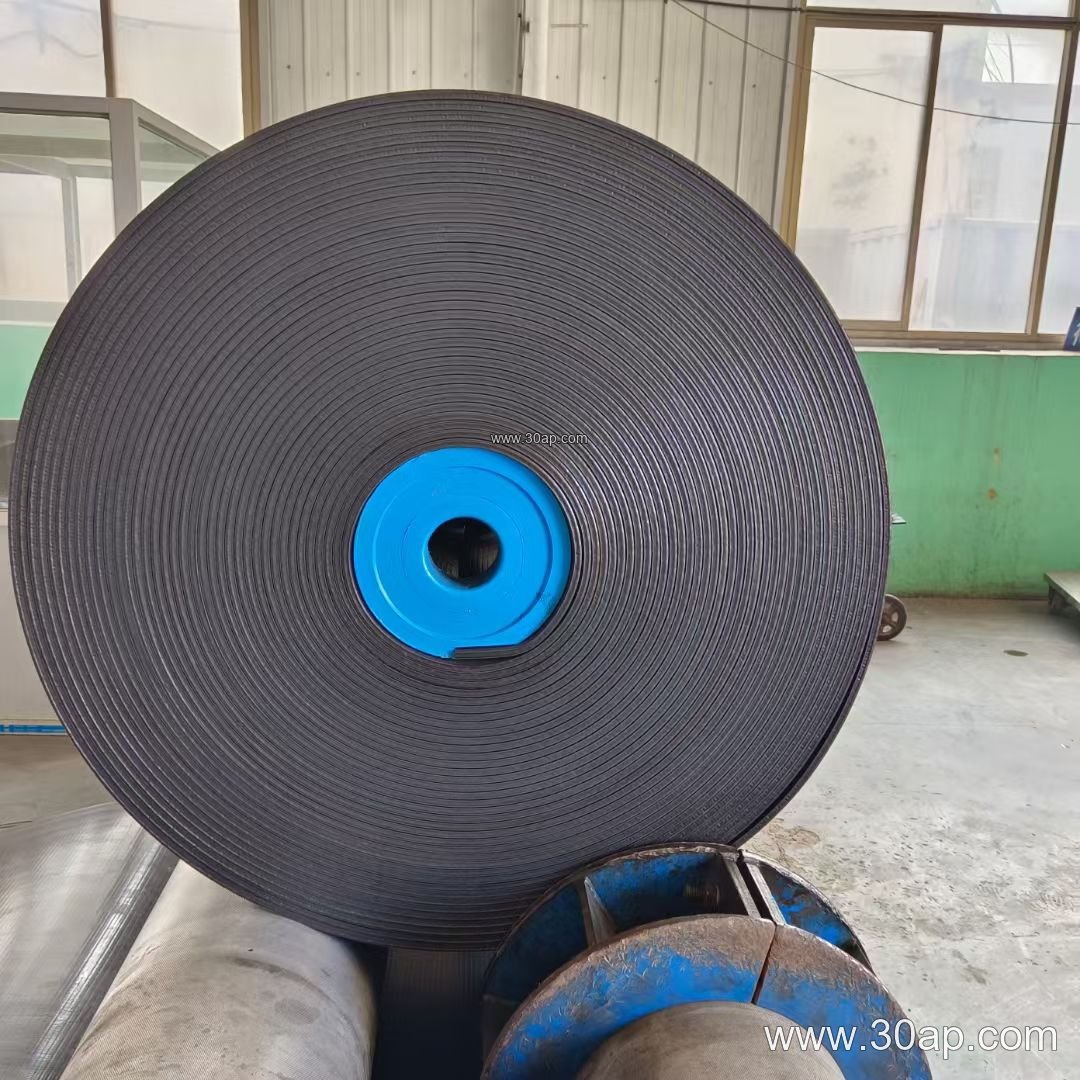
- Covers: abrasion resistant rubber is the common choice for ore; heat resistant grades suit dried concentrate or hot clinker-adjacent duty.
- Carcass: EP conveyor belt plies are widely used because they resist moisture and stretch less than cotton; NN conveyor belt plies offer high strength with good flexibility.
- Edges and splices: stepped or finger splices are common, and an endless conveyor belt can be supplied for critical transfer points where a mechanical joint would wear quickly.
Common cover thickness combinations include 4+2 mm, 5+2 mm, 6+2 mm, and 8+3 mm, with 2 to 6 plies in fabric constructions. These are reference figures; final values depend on the conveyor design and the duty cycle.
Typical Gold Plant Applications
Gold flows through several conveying stages, and each stage has its own demands. A primary crusher discharge belt sees impact and sharp edges. A mill feed belt may run on an incline and need a chevron conveyor belt or corrugated sidewall conveyor belt to prevent rollback. A concentrate or tailings line may call for a pipe conveyor belt to contain dust, or a skirted conveyor belt at a transfer chute.
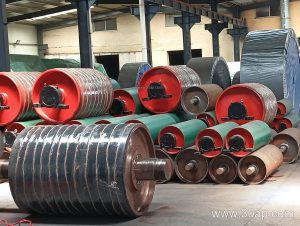
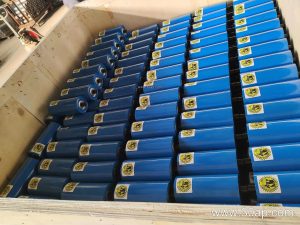
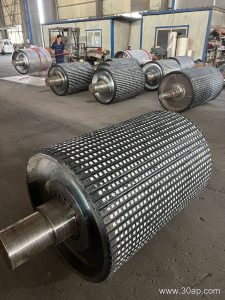
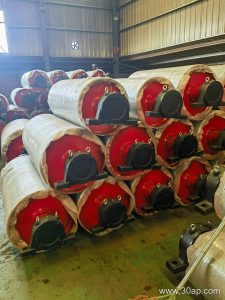
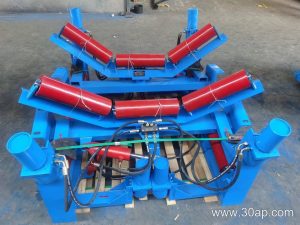
The same conveyor system also depends on the components around the belt. A conveyor pulley at the drive and tail ends, idler roller sets along the carrying side, and conveyor bracket frames all affect belt tracking and life. A belt that is correctly specified but poorly supported will still wear unevenly, so buyers should treat the belt and the conveyor hardware as one system.
Strength Classes and Widths
Fabric belts are graded by tensile strength per ply width. For gold ore duty, EP200, EP315, EP400, EP500, EP630, EP800, EP1000, and EP1250 are common grades; heavier steel cord classes such as ST1000, ST1250, ST1600, ST2000, and ST2500 appear on long overland runs.
| Parameter | Typical Range |
|---|---|
| Belt width | B500, B650, B800, B1000, B1200, B1400, B1600, B1800, B2000 |
| Fabric strength grades | EP200 to EP2000, NN100 to NN400 |
| Cover thickness | 3+1.5 mm up to 8+3 mm |
| Ply count | 2 to 6 layers in fabric core |
Wider belts are not automatically better. A 1200 mm or 1400 mm belt may suit a main plant line, while a 650 mm or 800 mm belt fits a smaller transfer. The width should follow the tonnage, lump size, and troughing angle, not the other way around.
Buyer Checklist
- Confirm the ore condition: wet, sticky, dusty, hot, or oily, and choose covers accordingly.
- Match the carcass grade to the calculated belt tension, not to a guess.
- Check whether flame retardant or anti-static properties are required for the site.
- Decide between vulcanized splice and mechanical fastening, and allow for splice loss.
- Review pulley diameters, idler spacing, and loading chute design before ordering.
For a gold project, the safest approach is to share the conveyor layout, duty, and material data with the belt supplier, then let the cover compound, carcass, and width be selected together. That keeps the Gold Mining Conveyor Belt matched to the plant rather than to a catalogue page.