What a Heavy-Duty Steel Conveyor Bracket Does
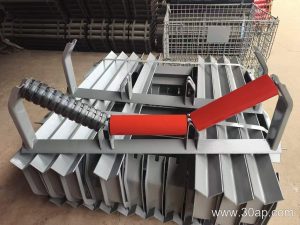
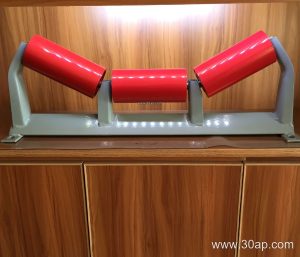
A Heavy-Duty Steel Conveyor Bracket is the structural support that holds idler rollers in the correct position under a moving conveyor belt. It is not a small accessory. On a quarry conveyor or a power plant coal line, the bracket carries the belt, the material load and the roller weight, and it transfers that load into the conveyor frame. In many layouts the troughing bracket sets the belt profile, so it directly influences belt tracking and spillage. A well-built steel bracket keeps the belt centred and lets the rollers turn freely.
The same item is also called a heavy-duty conveyor support bracket or heavy steel idler bracket. These names point to the same product. Drive pulleys, tail pulleys and bend pulleys are different parts of the conveyor and should not be confused with the bracket.
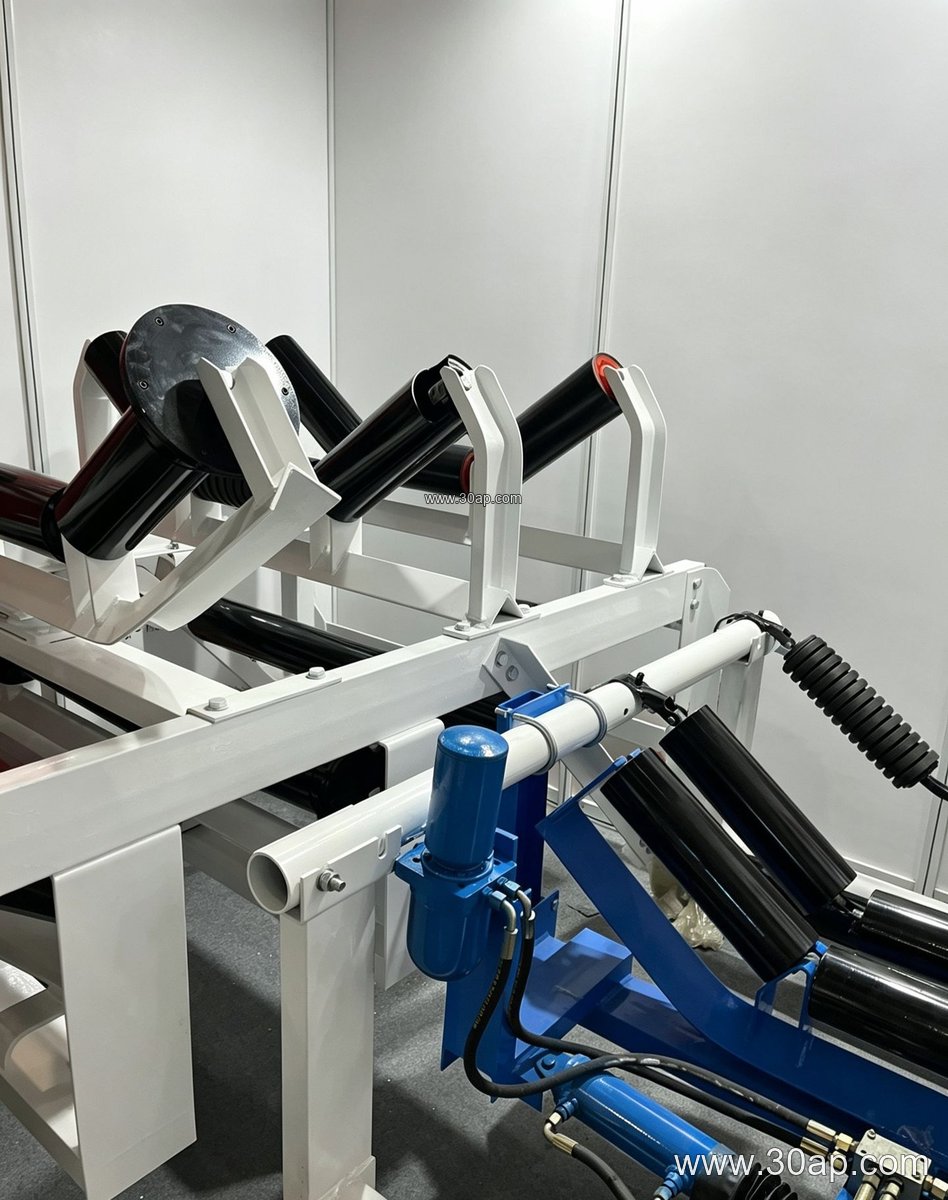
How the Bracket Is Built
Most heavy-duty units are fabricated from angle steel, channel steel or folded steel plate, then welded into a rigid frame. The roller seats are positioned to create the required trough angle, and the mounting holes are spaced to suit the belt width and frame design. Because the bracket is exposed to dust, moisture and impact, good units use thicker sections, clean welds and a protective finish such as painting or galvanizing.
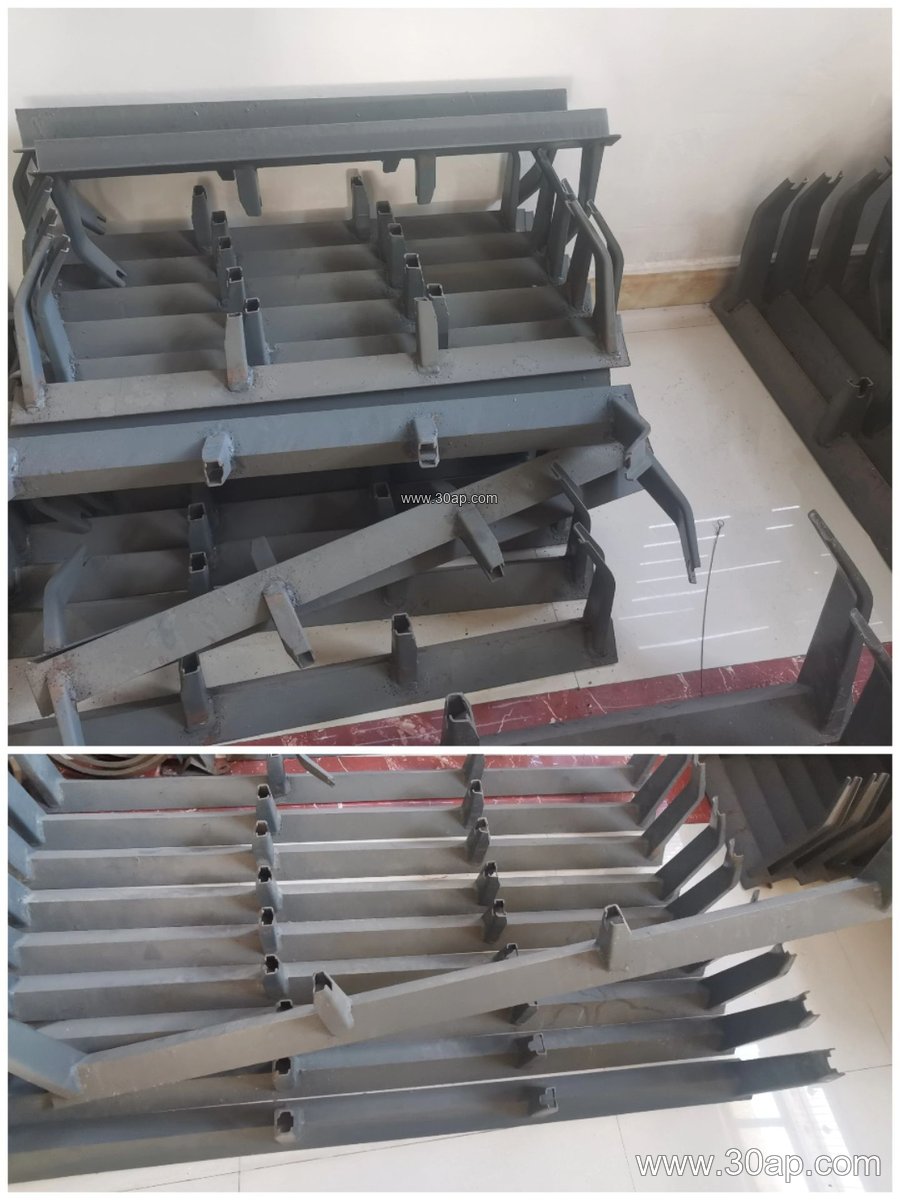
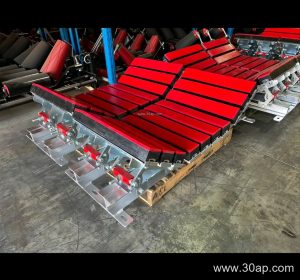
Commonly used bracket types include troughing brackets, transition brackets, return brackets, V-return brackets, impact brackets, self-aligning brackets and adjustable brackets. Each has a different job. A troughing bracket supports the carrying side, while a return bracket supports the belt on its way back. Adjustable brackets allow the trough angle to be changed, which helps when a conveyor handles different materials.
Typical Reference Data
The values below are common reference ranges, not fixed rules. Final dimensions are determined by the conveyor design.
- Belt width: B500, B650, B800, B1000, B1200, B1400, B1600, B1800, B2000, B2200
- Trough angle: 20 degrees, 30 degrees, 35 degrees, 45 degrees
- Roller diameter: Ø89, Ø108, Ø133, Ø159, Ø194
- Forward tilt on some brackets: about 1.5 to 2 degrees
Useful combinations seen in practice include B800 with a 35 degree trough and Ø108 rollers, or B1200 with a 45 degree trough and Ø133 rollers. A wide belt can work with more than one trough angle or roller size, so the bracket should be selected from the actual load and belt data rather than from a single number.
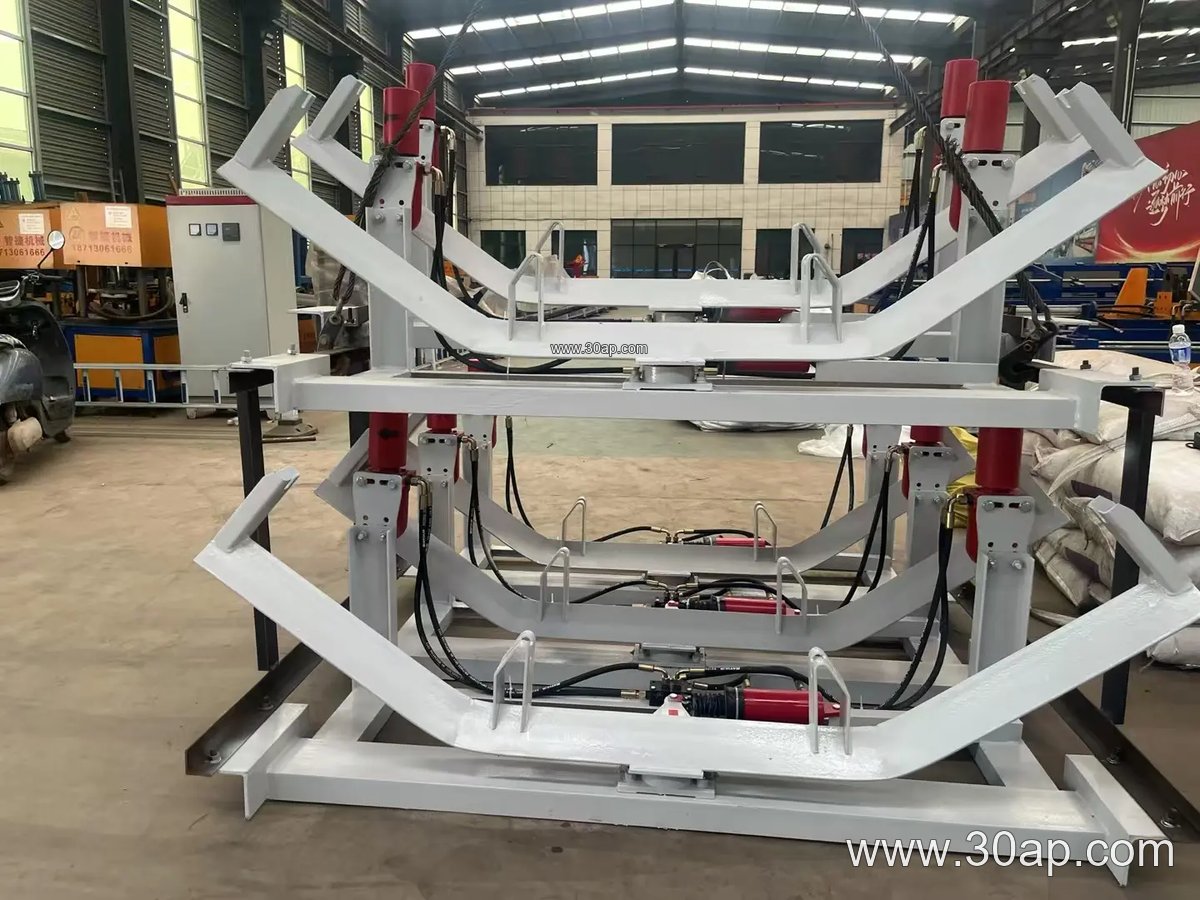
Where These Brackets Are Used
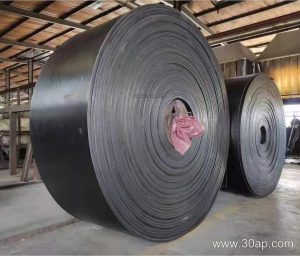
Heavy-duty brackets appear wherever the belt carries abrasive or heavy bulk material. In a limestone quarry or a crushing and screening line, the brackets sit close to the crusher discharge and take impact and dust. In a coal handling system at a power plant, flame retardant and anti-static belt grades are often used, and the brackets must be strong enough for continuous duty.
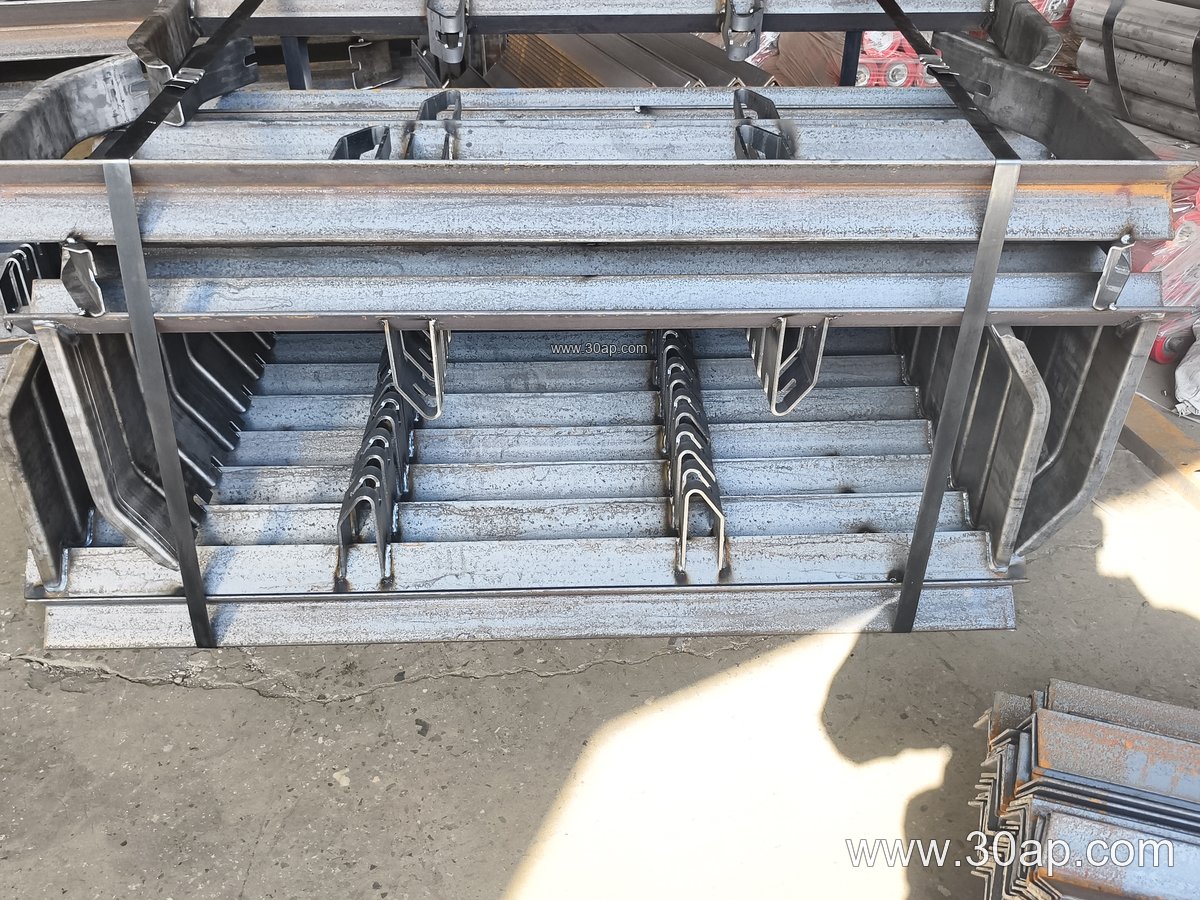
Other common sites include cement plants, iron ore terminals, steel plants, sand and gravel yards, ports and ship loading lines. In these places the bracket works together with the conveyor belt, the conveyor pulley and the idler roller. A weak bracket can cause roller misalignment, belt edge wear and material spillage, so matching the bracket to the belt width and roller diameter matters.
Selection and Maintenance Notes
A buyer should check the belt width, the trough angle, the roller diameter and the mounting hole spacing before ordering. Ask for the bracket material and finish, and confirm whether the unit is fixed or adjustable. For a conveyor that handles different loads, an adjustable bracket may be more practical. For a high-impact transfer point, an impact bracket with a reinforced frame is usually the better choice.
During operation, check the brackets for loose bolts, bent frames and corrosion. Replace damaged units early so the idler rollers stay aligned and the belt runs smoothly. For more information on brackets, belts and rollers, visit: conveyor bracket, conveyor belt, idler roller, conveyor pulley, conveyor bracket.