What a Coal Conveyor Pulley Does
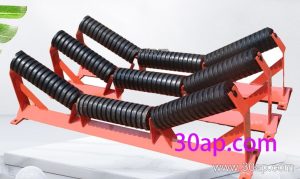
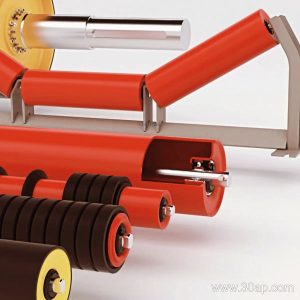
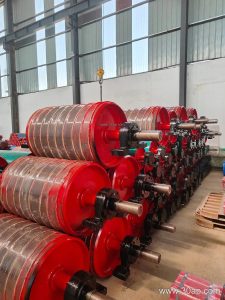
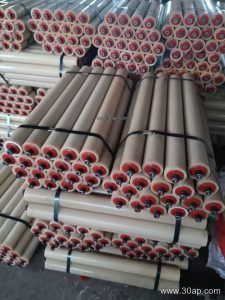
A coal conveyor pulley is the rotating drum that drives or guides a conveyor belt in coal handling systems. In a coal preparation plant, a power plant coal yard, or a coal mining conveyor line, this component transfers motion to the belt and keeps it tracking. It is a specific conveyor pulley built for dusty, often abrasive coal service, and it sits at the heart of the drive and return sections. Downstream equipment such as idler rollers and conveyor brackets supports the belt, but the pulley carries the tension and torque.
Construction and Surface Options
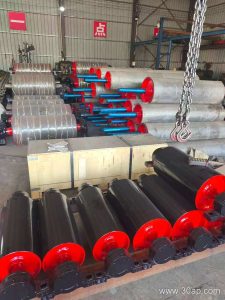
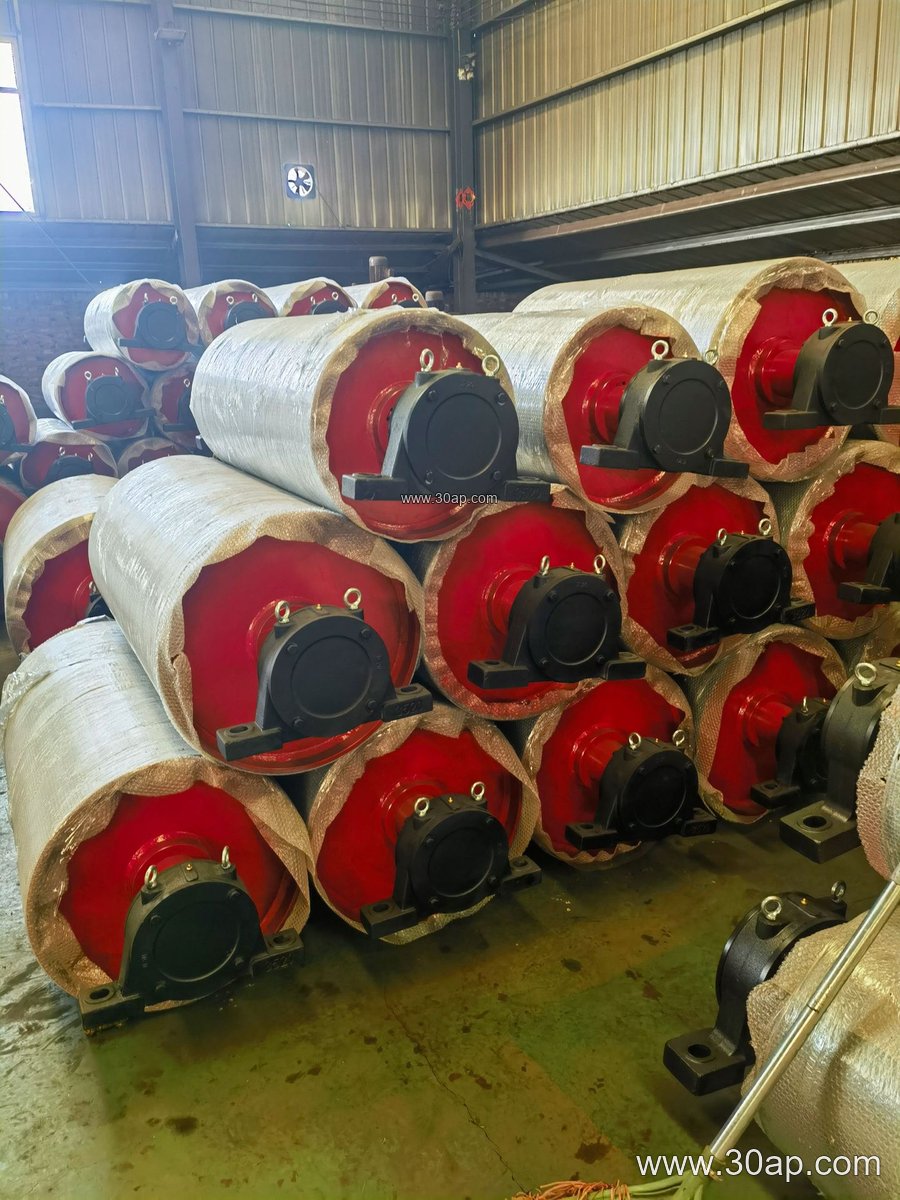
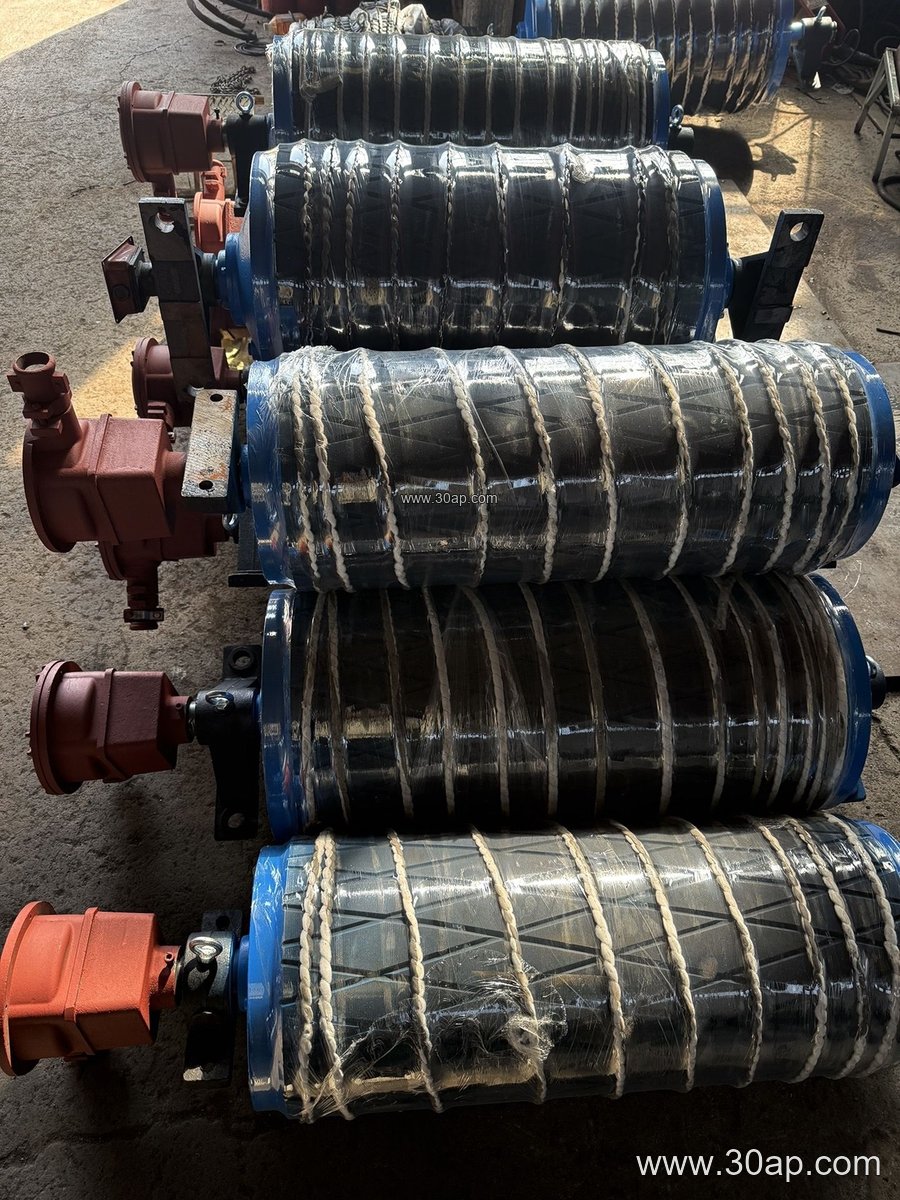
Most units combine a steel shell, shaft, hub, and bearing housing. The shell may be plain or covered with rubber lagging to improve grip. Common surface forms include smooth finish, cold-bonded rubber, hot-vulcanized rubber, diamond lagging, herringbone lagging, and ceramic lagging. Lagging thickness is often 8, 10, 12, 15, or 20 mm, chosen to balance grip and wear life. The drum face is usually wider than the belt, for example about 1150 mm for a B1000 belt or 1400 mm for B1200. Diameter and shaft size are set by torque and load, not by belt width alone. Common shaft diameters range from Ø50 to Ø200, and diameters from Ø200 to Ø1800 appear across heavy-duty installations.
Where It Fits in Coal Handling
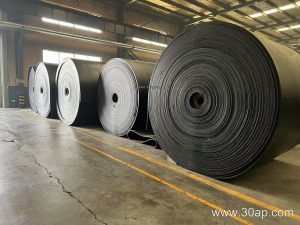
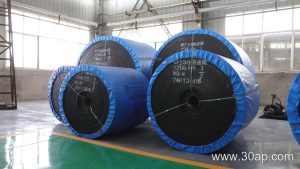
In a coal-fired power plant, the drive pulley pulls the belt from the coal yard to the bunker. In a coal washing plant, a tail pulley returns the belt after screening and dewatering. A bend pulley changes direction where space is tight. These three roles are different and not interchangeable, so a buyer should specify the position clearly. A rubber conveyor belt or flame retardant conveyor belt may run alongside the drum, and the pulley lagging must match the belt surface. A properly selected coal conveyor pulley helps minimize belt slip and extend the life of the whole conveyor line.
Specification Reference
The following values are typical reference points, not fixed supply promises. Final dimensions depend on conveyor design, belt tension, and load.
| Parameter | Common Range |
|---|---|
| Belt width B | B400 to B2400 |
| Pulley diameter | Ø200 to Ø1800 |
| Drum face width | About 500 mm for B400 up to about 2200 mm for B2000 |
| Shaft diameter | Ø50 to Ø200 |
| Lagging thickness | 8, 10, 12, 15, 20 mm |
| Surface forms | Smooth, cast rubber, cold-bonded, hot-vulcanized, diamond, herringbone, ceramic |
Examples such as B800 × Ø500, B1200 × Ø1000, and B1400 × Ø800 show how the two dimensions combine. No single belt width locks in one diameter, and shaft size should be confirmed from torque calculations.
Buyer Checklist
- Confirm the pulley role: drive, tail, or bend. Each position has different loading and grip needs.
- Match lagging to the belt type and coal conditions. Abrasion resistant conveyor belt and heat resistant conveyor belt demand different surfaces.
- Check that the drum face clears the belt and that the shaft fits the bearing housing and conveyor bracket.
- Ask for the balance grade, bearing type, and sealing arrangement for dusty coal service.
- Confirm that the pulley suits the conveyor belt width and the tension the system will apply.
For coal mining conveyor belt systems and underground mining conveyor belt lines, flame retardant and anti-static properties matter. A coal conveyor pulley should be inspected for lagging wear, bearing play, and shell cracks during scheduled shutdowns. Re-lagging or replacement is often cheaper than repairing a damaged belt after slip. Buyers who compare the drum with the belt specification, the idler roller layout, and the bracket spacing will get a smoother, longer-running conveyor.