What a Non-Standard Conveyor Pulley Actually Is
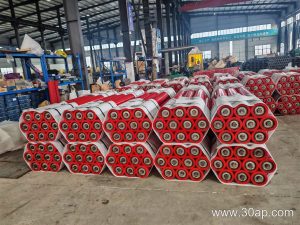
A non-standard conveyor pulley is a drum-shaped rotating component manufactured to dimensions, surface features, or shaft configurations that fall outside common catalog ranges. Instead of forcing a conveyor layout to accept an off-the-shelf drum, operators specify a custom pulley when the belt width, load profile, environmental conditions, or space envelope demand something different. In a quarry conveyor line or a coal mining conveyor system, this often means a pulley that matches an unusual frame height, a non-typical shaft diameter, or a special lagging pattern that standard stock cannot provide.
It is not a different product category from a conveyor pulley — it is the same fundamental component, simply built to order. Drive, tail, and bend pulleys remain distinct roles, and a non-standard drive pulley still transmits torque, while a non-standard bend pulley still redirects the belt. The custom aspect lies in geometry and construction, not in a change of function.
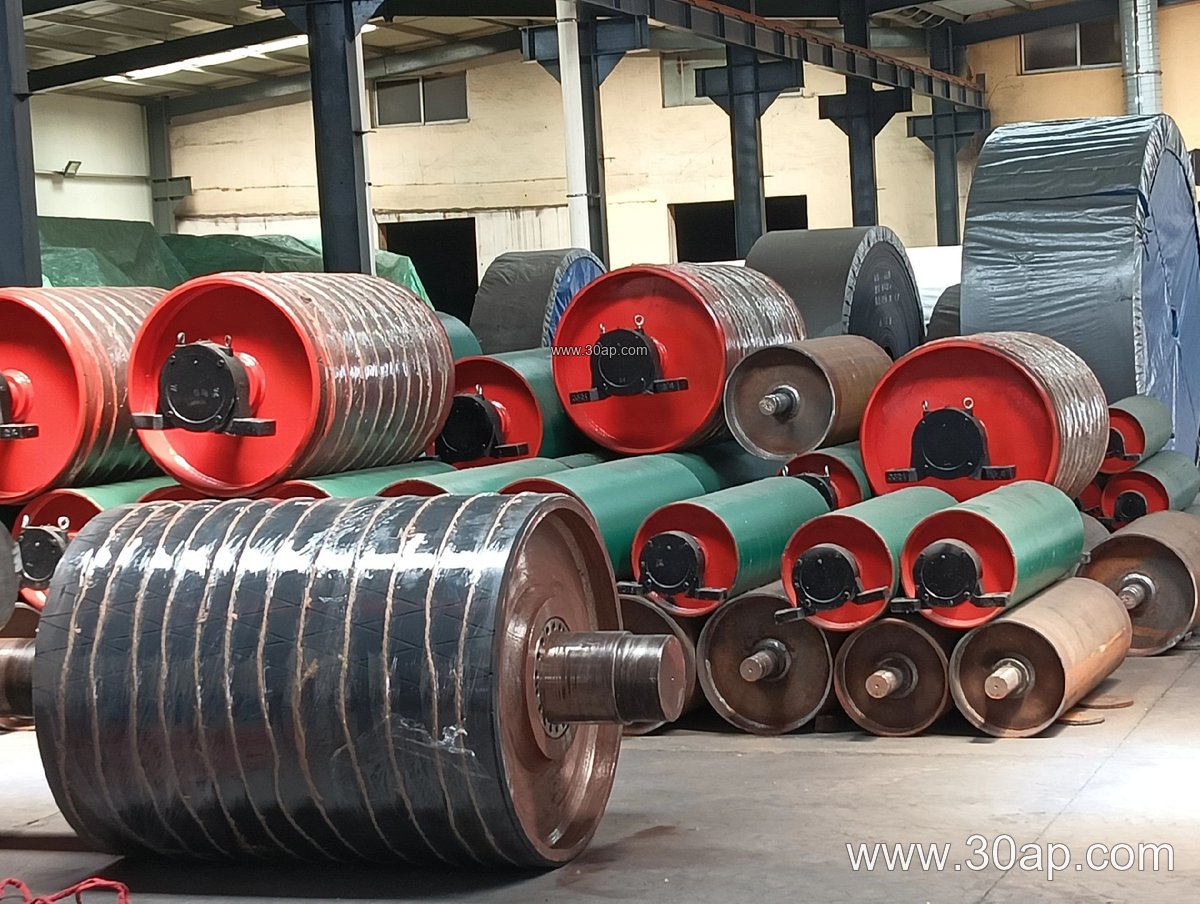
Construction Details That Make the Difference
Custom drums are typically fabricated from rolled steel shells, machined end discs, and a shaft sized by torque and radial load rather than by belt width alone. A B1200 conveyor might use a Ø1000 mm drum with a Ø140 mm shaft in one installation and a smaller shaft in another, depending on tension and pulley position. Weld preparation, dynamic balancing, and runout tolerances matter more on larger diameters, especially when the pulley runs at speed in a cement plant or power plant coal handling system.
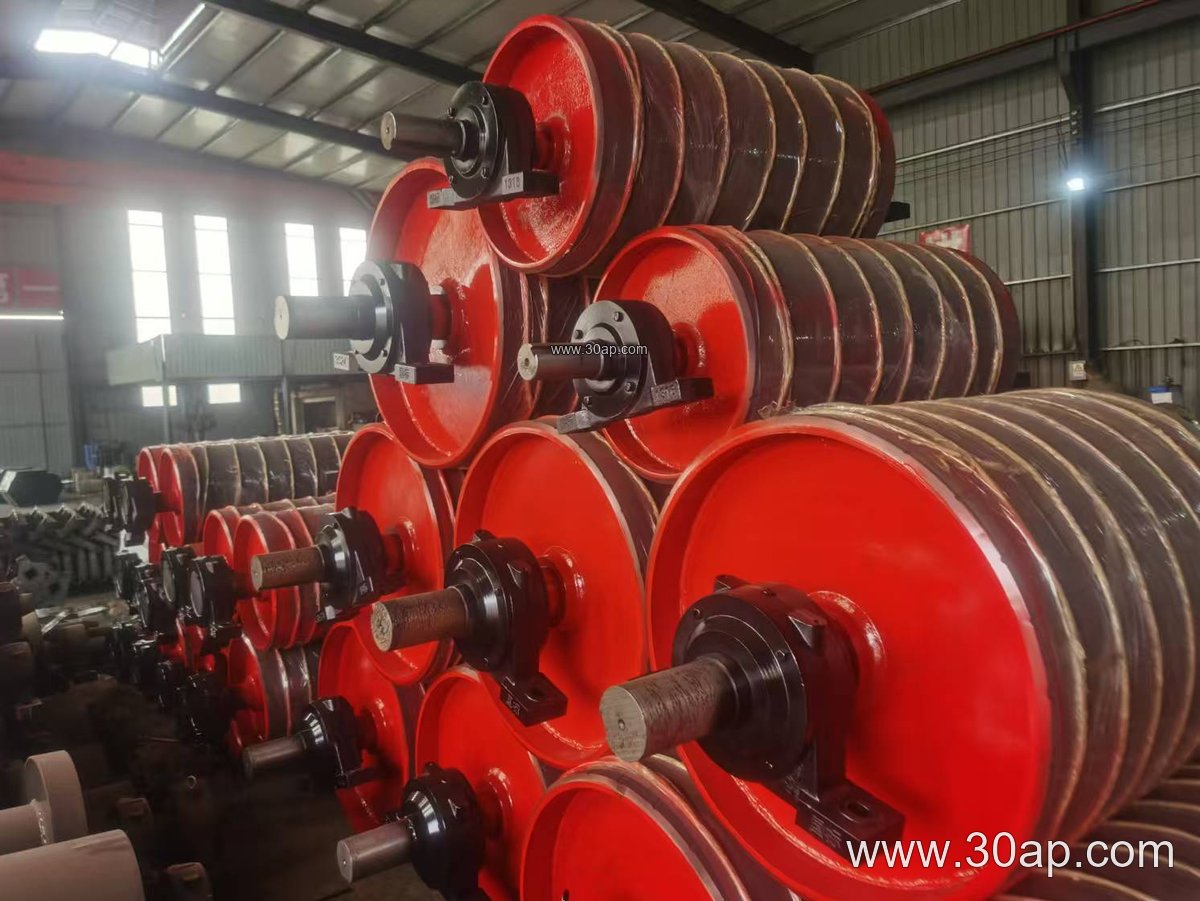
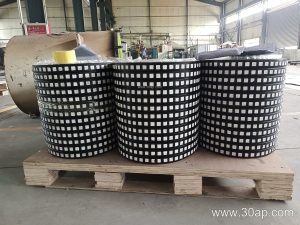
Surface treatment is another area where non-standard work appears. Common options include plain finish, hot-vulcanized rubber lagging, cold-bonded rubber, diamond grooving, chevron lagging, and ceramic tiles. Lagging thickness is frequently specified at 8, 10, 12, 15, or 20 mm. A non-standard pulley may combine a wider shell face with a specific lagging profile to match an EP conveyor belt or a steel cord conveyor belt running under high tension. The pulley face width usually exceeds the belt width — for example, B800 often pairs with a face around 950 mm — but that is a reference pattern, not a fixed rule.
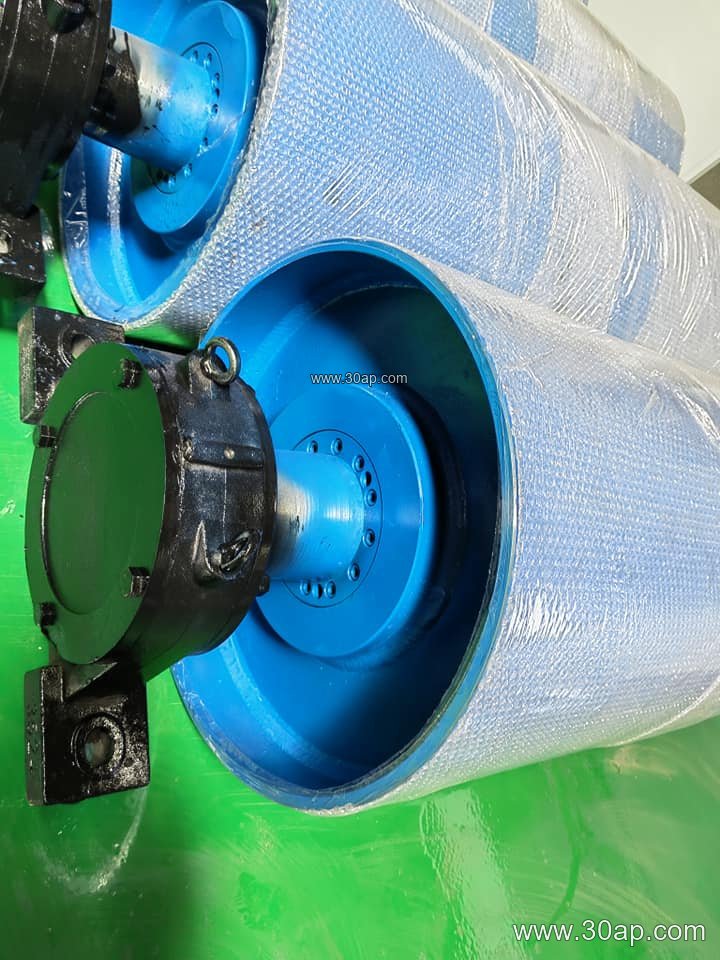
Where These Custom Drums Are Used
Aggregate and quarry operations frequently order non-standard pulleys when retrofitting an existing conveyor structure or when a crusher conveyor belt needs a larger drum diameter to reduce bending stress. In underground coal mining, flame retardant conveyor belts and PVG800S conveyor belts may require pulleys with specific shaft extensions and bearing housings to fit restricted galleries. Cement plants use them on clinker transport lines where heat and abrasive dust shorten the life of standard lagging. Port bulk terminals and iron ore handling facilities often specify wider faces and heavier shafts for high-capacity belts.
The same logic applies in sand and gravel plants, fertilizer granulation lines, and tunnel muck removal conveyors. Whenever a conveyor bracket or conveyor pulley mounting point cannot be modified economically, a custom drum becomes the practical answer.
Matching the Pulley to the Belt and the Duty
Buyers should start with the belt specification: width, tension rating, and cover type. A heavy-duty mining conveyor belt running at high tension may call for a larger shaft and thicker lagging than an abrasion resistant conveyor belt on a short transfer. The pulley diameter is not locked to belt width — a B650 system might use Ø400 mm in one plant and Ø500 mm in another — so the design should follow calculated belt tension, wrap angle, and space limits.
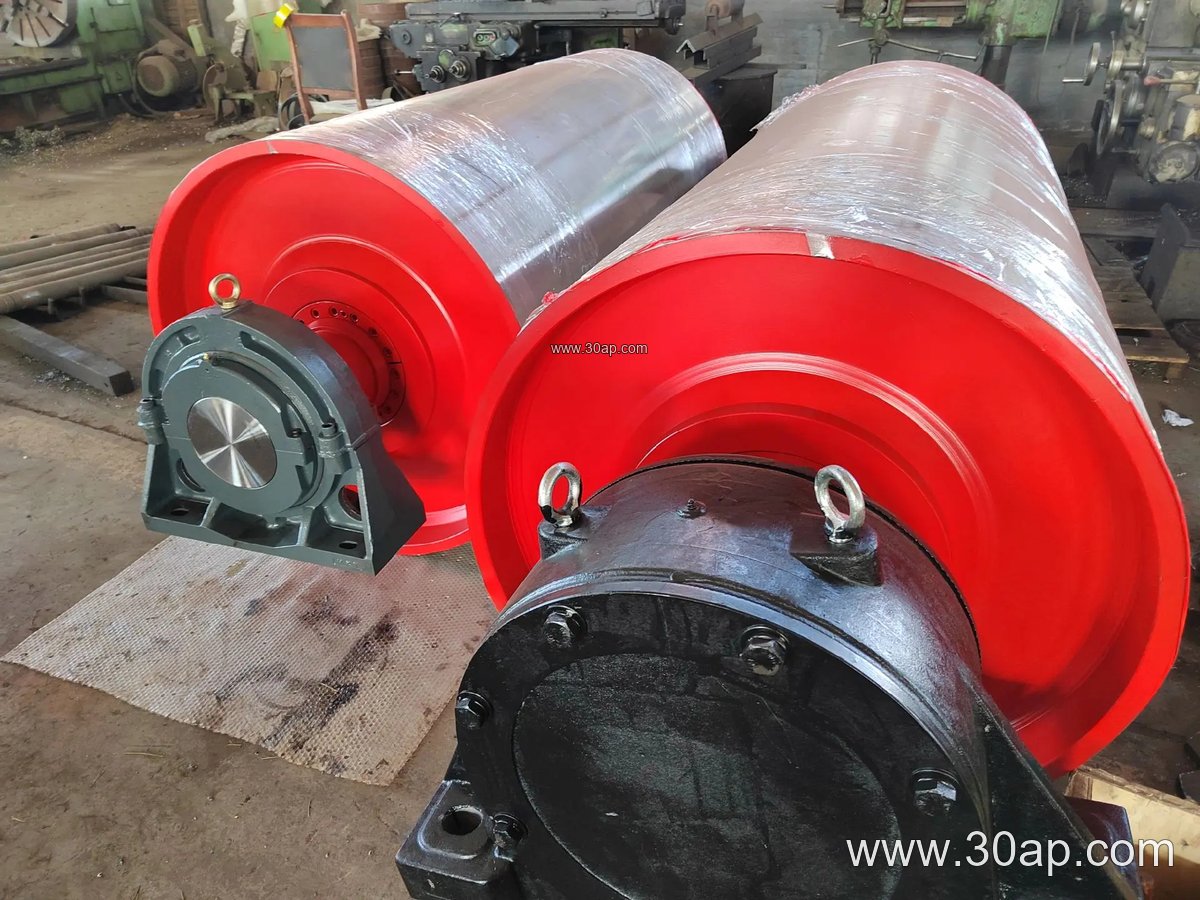
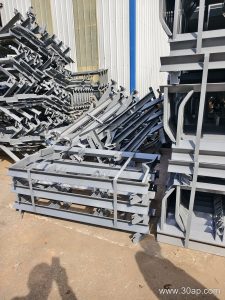
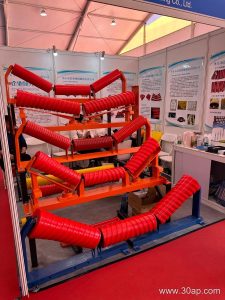
Other details worth clarifying include bearing type, locking assembly, shaft material, and whether the pulley is a drive, tail, or bend position. A custom bend pulley with a plain face behaves differently from a lagged drive drum, and the specification should reflect that. Mentioning related components such as idler rollers and conveyor brackets early in the inquiry helps the manufacturer confirm interfaces.
Practical Buying Notes
- Provide the belt width, belt type (for example EP conveyor belt, NN conveyor belt, or steel cord conveyor belt), and operating tension so the shaft and shell can be sized correctly.
- State the pulley position and whether lagging is required, along with the preferred surface pattern and thickness.
- Share the mounting dimensions, bearing centers, and any space restrictions — these often drive the non-standard design more than belt width does.
- Ask for balancing and inspection records where the pulley will run at higher speeds or in critical service.
- Confirm the interface with conveyor idlers and brackets to avoid site modifications.
Well-defined requirements lead to a drum that fits the first time, whether the application is a coal mining conveyor, a limestone quarry line, or a port ship-loading system.