What a Turning Pulley Does on a Conveyor
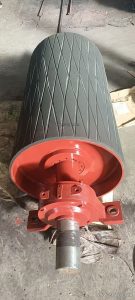
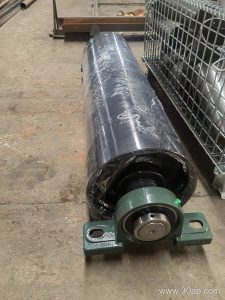
A turning pulley is a drum that changes the direction of a conveyor belt rather than driving it. In many layouts it sits at a bend, at the tail, or in a take-up zone, guiding the belt back into the carrying run. It is often called a bend pulley or a redirect pulley, and those names describe the same job: routing the belt around a curve without adding drive power. This article focuses on that redirecting duty only. A drive pulley transmits torque, a tail pulley handles belt return, and they are not interchangeable with a turning pulley even though all three are conveyor pulleys.
Where it fits in the system
A turning pulley is common in aggregate plants, quarry lines, and cement plants where the belt must snake around structures, screens, or stockpile chutes. It also appears in power plant coal handling and in iron ore or copper ore circuits where space is tight. Because the belt wraps the drum at a modest arc, the pulley mainly carries radial load and guides tracking, so the shell, shaft, and bearings are sized for the belt tension and the wrap angle rather than for drive torque.
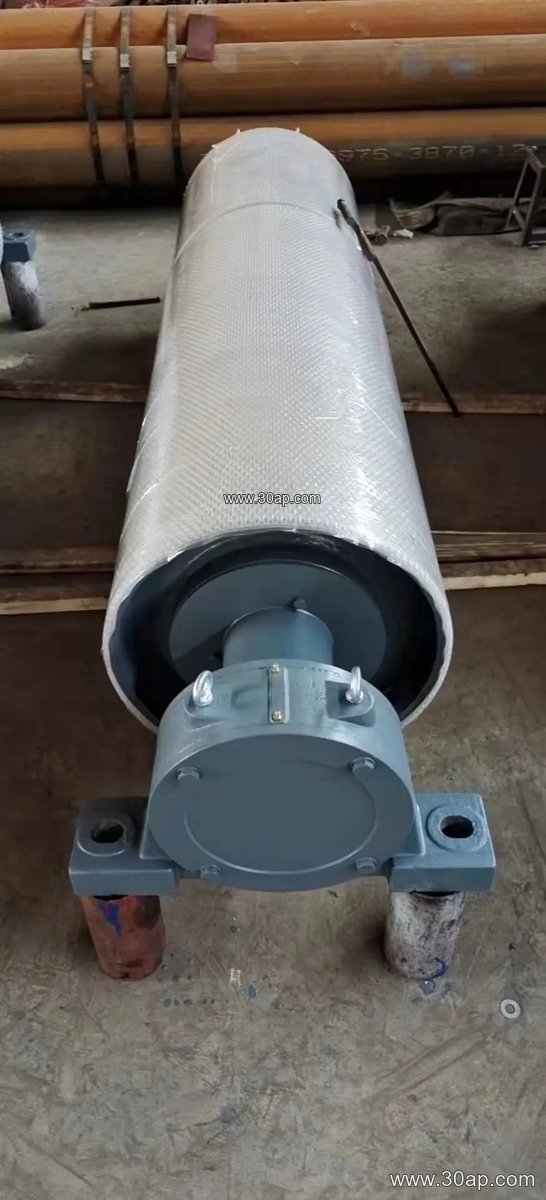
Construction and Surface Choices
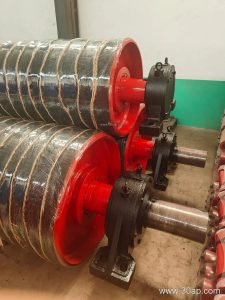
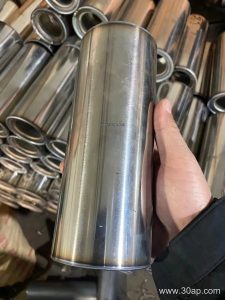
The basic build is a steel shell welded to end discs, with a through shaft, bearing housings, and a lagging surface. Common shell diameters include Ø315, Ø400, Ø500, Ø630, and Ø800, and larger drums such as Ø1000 or Ø1250 are used when the belt is stiff or the wrap angle is high. Face width usually runs a little wider than the belt: a B800 belt typically matches a face around 950 mm, and a B1200 belt around 1400 mm, but these are reference figures, not fixed rules.
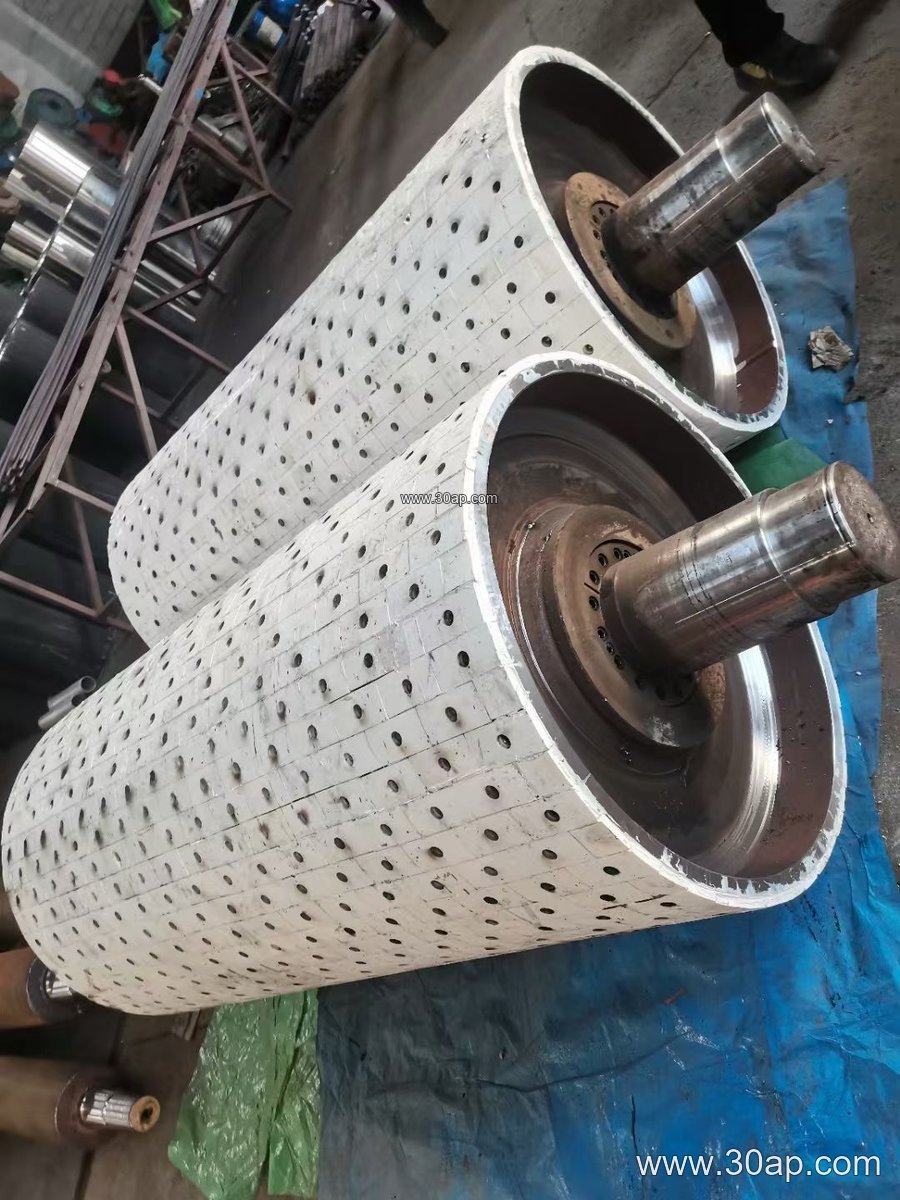
Surface treatment matters for grip and wear. Plain finish suits light duty and easy cleaning. Rubber lagging, applied cold or hot vulcanized, improves friction and protects the shell. Diamond or herringbone grooving helps shed water and fines, while ceramic lagging is chosen where abrasive dust is heavy. Lagging thickness commonly runs 8, 10, 12, 15, or 20 mm depending on the duty.
Reference dimensions
| Belt width | Typical pulley face | Common shell diameter |
|---|---|---|
| B650 | about 750 mm | Ø315 to Ø500 |
| B800 | about 950 mm | Ø400 to Ø630 |
| B1000 | about 1150 mm | Ø500 to Ø800 |
| B1200 | about 1400 mm | Ø630 to Ø1000 |
| B1400 | about 1600 mm | Ø800 to Ø1000 |
Shaft diameter is set by torque and bearing load, not by belt width alone. Common shaft sizes range from Ø80 to Ø160, and a B1200 pulley may use Ø100 or Ø120 depending on the layout. Do not assume a fixed shaft size for a given belt width.
Belt Compatibility and Tracking
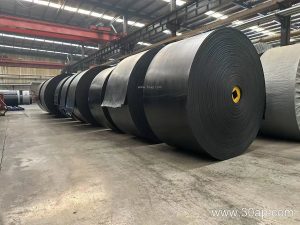
The turning pulley works with the same belt family used across the conveyor. A heavy-duty mining conveyor belt or a high abrasion resistant conveyor belt will tolerate the sliding contact at a bend, while a flame retardant conveyor belt is preferred in underground coal mining conveyors. In long overland routes, an EP conveyor belt or a steel cord conveyor belt may pass over several turning pulleys before reaching the discharge.
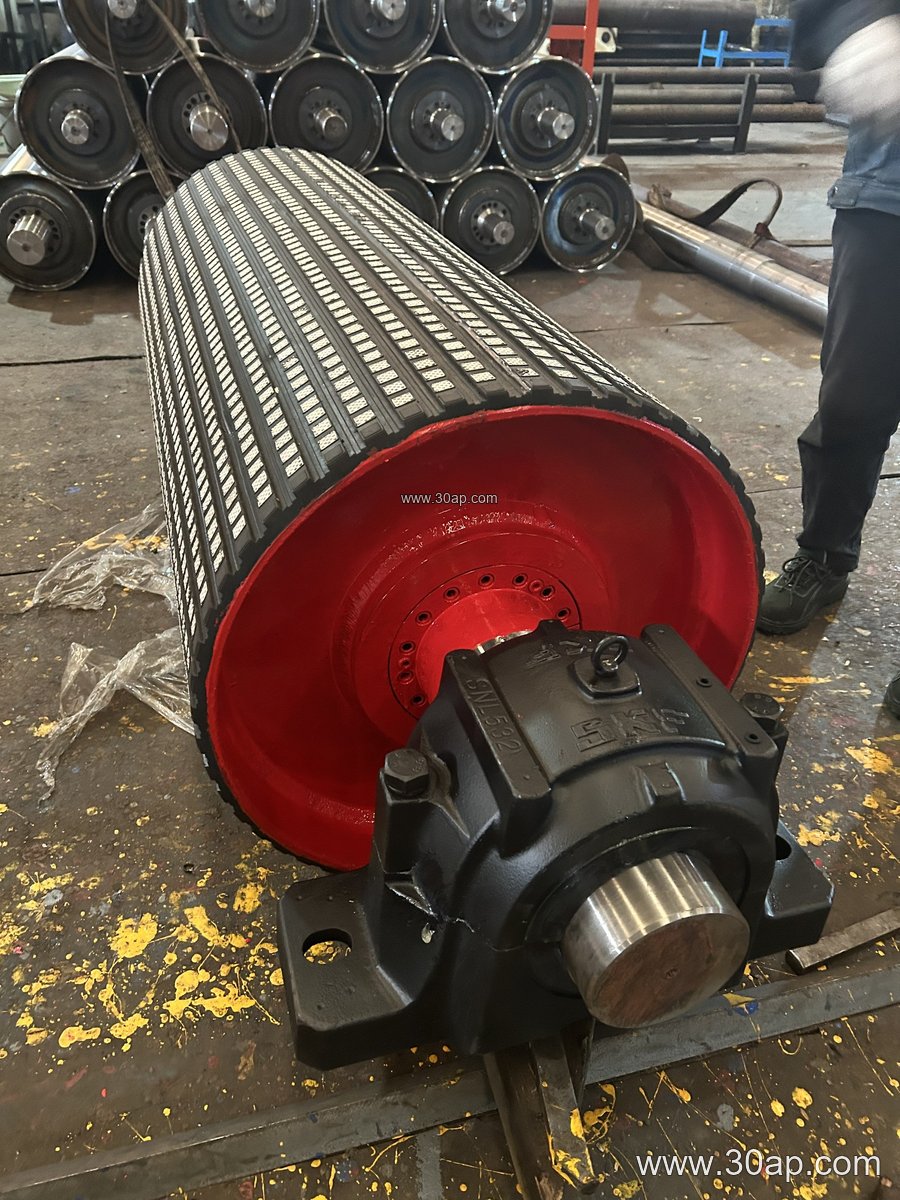
Tracking is the main field issue. If the drum is not square to the belt centerline, the belt will drift. Crowned shells help on some belts but are not universal, so confirm with the conveyor designer. Keeping the idler roller set and conveyor bracket aligned with the pulley reduces edge wear and misalignment.
Buyer Checklist
- Confirm the wrap angle and belt tension so the shell and shaft are sized correctly.
- Match face width to belt width, allowing for belt wander.
- Choose lagging for grip, abrasion, or wet conditions, not by habit.
- Check bearing type, sealing, and lubrication access before ordering.
- Ask for the balance grade if the pulley runs at high speed.
For questions on matching a turning pulley to your belt and structure, visit conveyor.space for conveyor pulley guidance, or review belt options such as rubber conveyor belt and fabric core conveyor belt before finalizing the layout.