What a Port Bulk Material Conveyor Idler Does
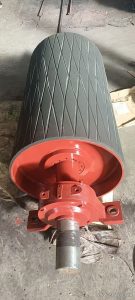
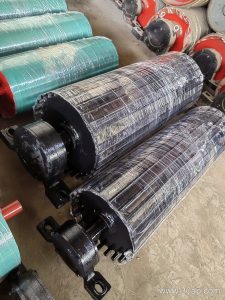
In a port, bulk materials such as iron ore, coal, fertilizer, and grain move from ship unloaders or stockpiles to storage and loading points on long belt conveyors. The port bulk material conveyor idler is the rotating component that supports the conveyor belt and the material load along the carrying and return sides. Unlike a conveyor pulley, which drives or redirects the belt at the ends, idlers are distributed along the entire conveyor line. This distinction matters when ordering spares: drive, tail, and bend pulleys are not interchangeable with idlers, and each serves a different mechanical role.
Idlers for port duty must tolerate dust, salt air, and continuous operation. A well-matched idler set helps keep the belt tracking straight, reduces belt wear, and lowers energy consumption. For abrasive cargo like iron ore or copper ore, the idler surface and bearing seals are especially important.
Construction and Common Configurations
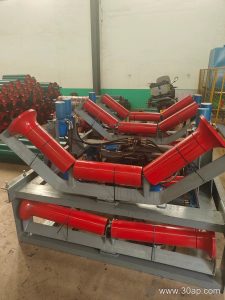
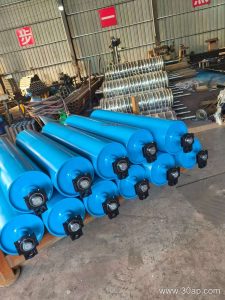
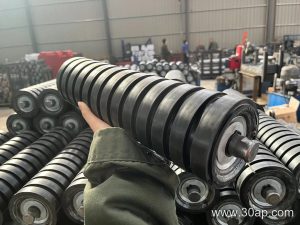
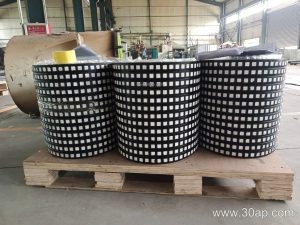
A typical idler roller consists of a steel tube shell, a shaft, bearing housings, and seals. The shell may be plain steel, nylon-coated, ceramic-covered, or fitted with rubber rings for impact absorption. Bearing sizes such as 6204, 6205, 6305, 6306, 6308, and 6310 are common, but the correct bearing depends on load and speed, not on roller diameter alone.
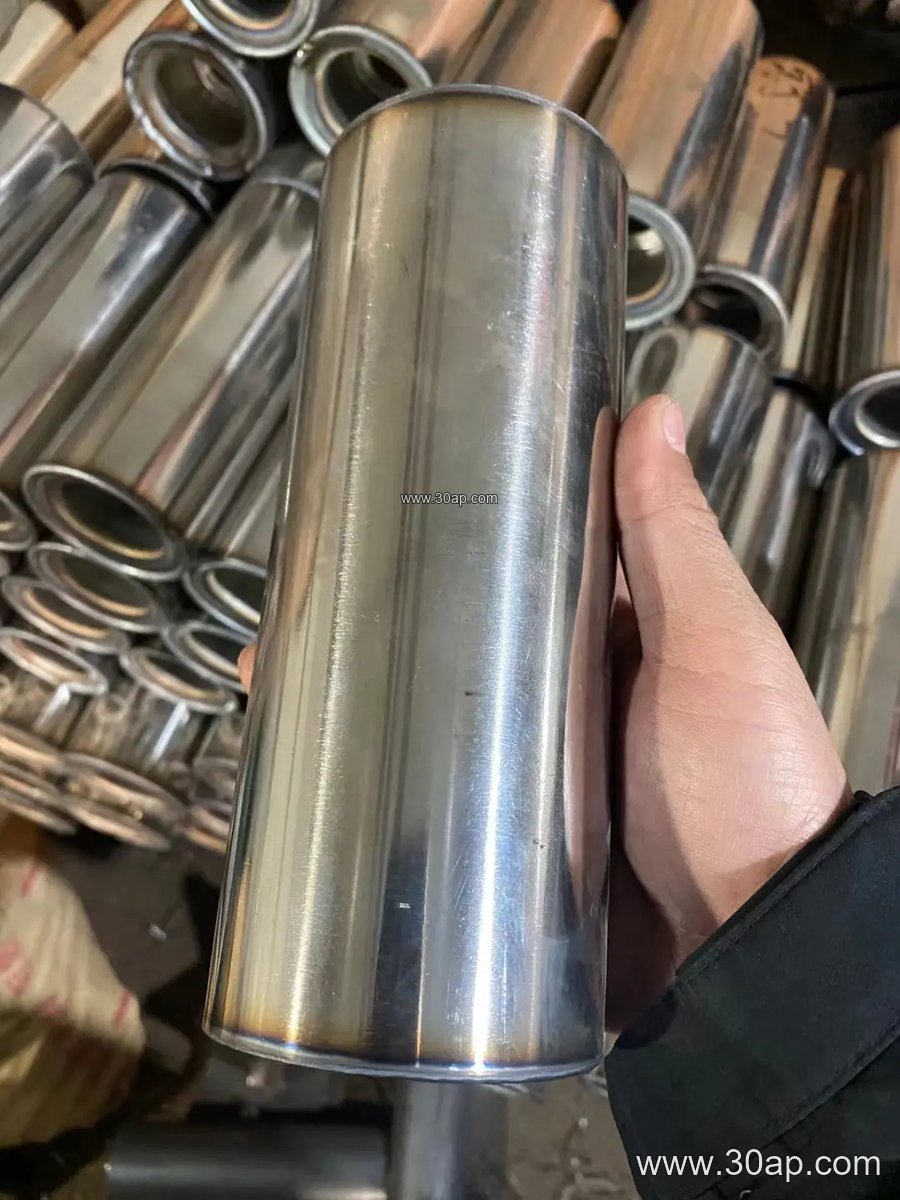
Carrying idlers are often arranged as two-roll or three-roll troughing sets. Return idlers may be flat or V-shaped. Transition idlers help the belt change from flat to troughed. Impact idlers with rubber rings are used under loading points. Self-aligning idlers, including friction and tapered types, help correct belt misalignment. The table below shows common reference dimensions; actual roller length varies with belt width, trough angle, and idler arrangement.
| Belt width (B) | Common roller length for three-roll troughing (approx.) |
|---|---|
| B500 | 200 mm |
| B650 | 250 mm |
| B800 | 315 mm |
| B1000 | 380 mm |
| B1200 | 465 mm |
| B1400 | 530 mm |
| B1600 | 600 mm |
| B1800 | 670 mm |
| B2000 | 750 mm |
Roller diameters commonly range from Ø63 to Ø219, including Ø76, Ø89, Ø102, Ø108, Ø127, Ø133, Ø159, Ø178, and Ø194. Trough angles of 20°, 30°, 35°, and 45° are used depending on material characteristics and belt flexibility. A forward tilt of about 1.5° to 2° is sometimes applied to self-aligning idlers to encourage tracking.
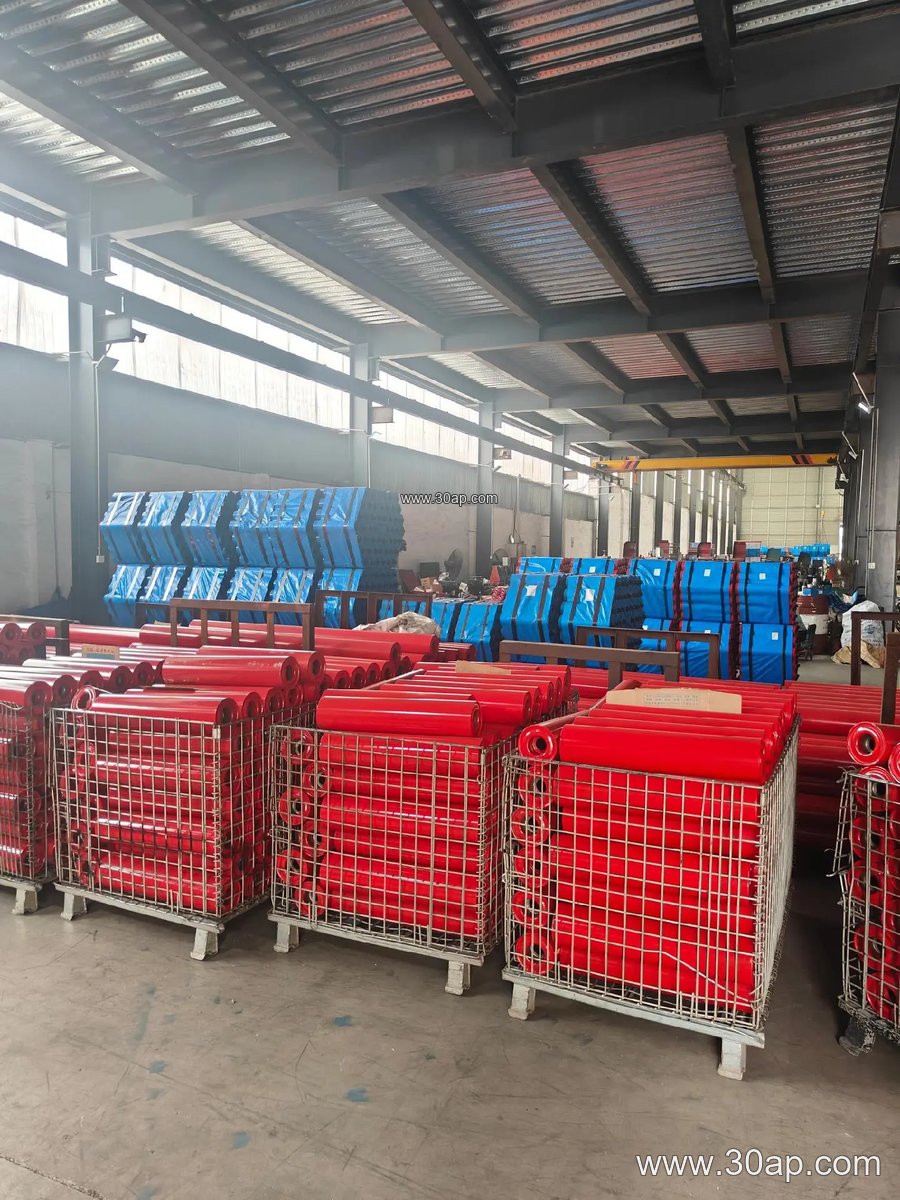
Where Port Idlers Are Used
Port bulk material conveyor idlers appear on ship loading and unloading conveyors, stockyard conveyors, and transfer belts. In a coal terminal, flame retardant and anti-static properties may be required for the conveyor belt, and idlers should be selected to match the belt’s operating tension and speed. In a fertilizer or grain terminal, corrosion resistance and cleanliness become more important. The idler itself does not determine belt resistance to heat or oil, but it must be compatible with the belt construction and the environment.
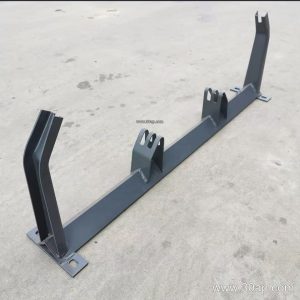
Related equipment includes the conveyor belt, conveyor pulley, and conveyor bracket. For example, a heavy-duty mining conveyor belt may run on the same idler frame as an EP conveyor belt or steel cord conveyor belt, but the load rating and spacing must be checked. Port conveyors often use wide belts such as 1200mm, 1400mm, or 1800mm, and idler sets must be sized accordingly.
Buyer Checklist
- Confirm belt width (B400 to B2400) and trough angle before choosing roller length.
- Match roller diameter to load and belt speed; do not assume one belt width fits one diameter.
- Specify shell material and surface form for abrasive or corrosive cargo.
- Check bearing size and seal type for dust and salt-air exposure.
- Plan idler spacing and transition zones to avoid belt sag and misalignment.
For spare parts planning, keep a record of idler type, roller diameter, bearing number, and roller length for each conveyor. This makes replacement straightforward and avoids mixing idlers with pulleys or brackets. Whether the terminal handles iron ore, coal, or grain, the right port bulk material conveyor idler keeps the belt running smoothly and reduces unplanned downtime.