What a Mining Conveyor Bracket Does
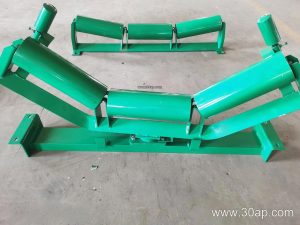
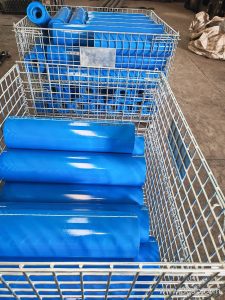
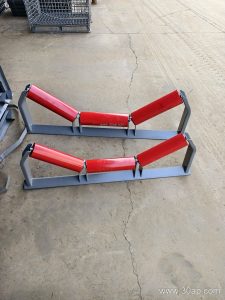
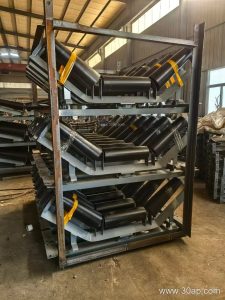
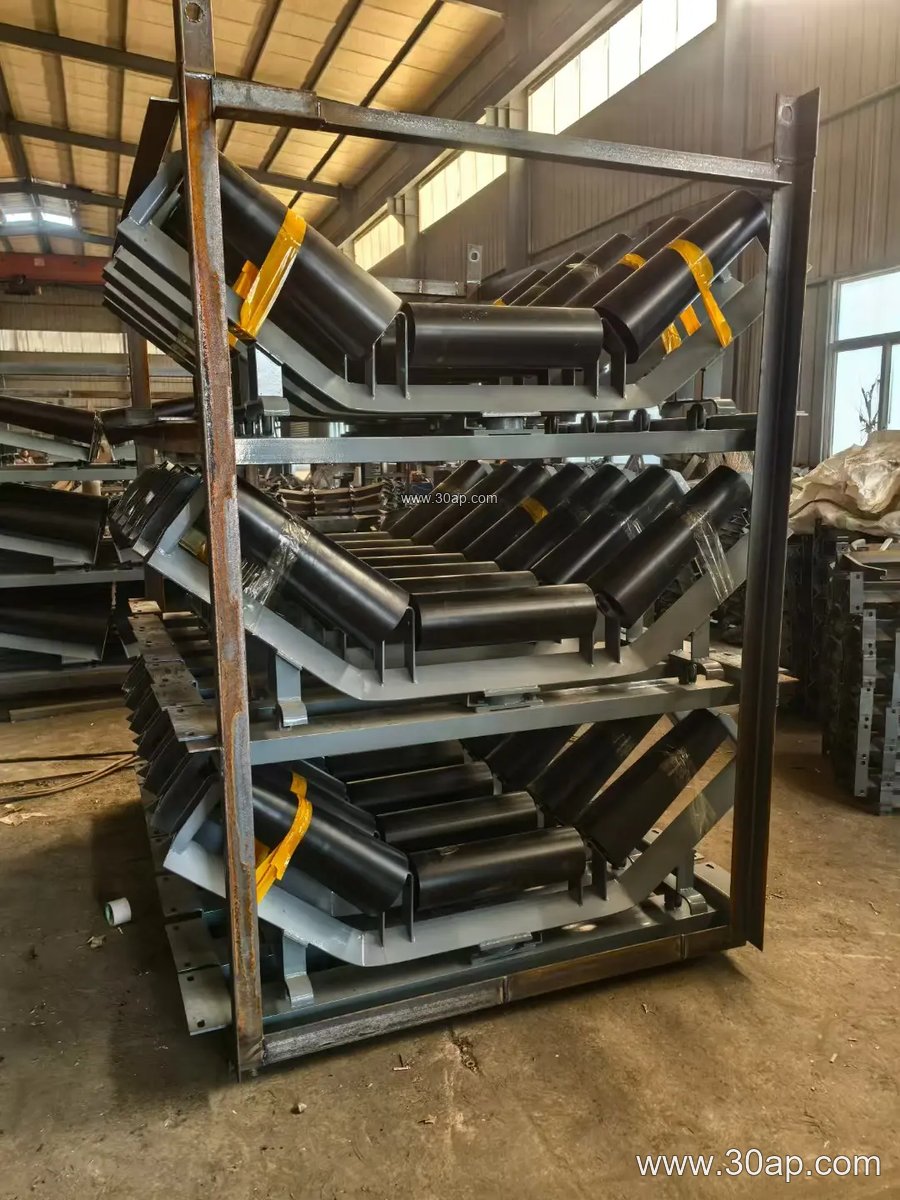
A mining conveyor bracket is the structural support that holds idler rollers at the correct position and angle along a conveyor frame. In quarry and aggregate operations, these brackets keep the belt profile stable under heavy loads. The bracket itself is usually fabricated from angle steel, channel steel, or folded steel plate, then drilled for mounting bolts. A well-designed bracket prevents roller misalignment, reduces belt edge damage, and simplifies maintenance on both the carrying side and the return side.
Common Bracket Types and Where They Fit
Different positions on a conveyor call for different bracket designs. The main categories include troughing brackets, transition brackets, return brackets, V-return brackets, impact brackets, self-aligning brackets, and adjustable brackets. Each type matches a specific roller arrangement and belt behavior.
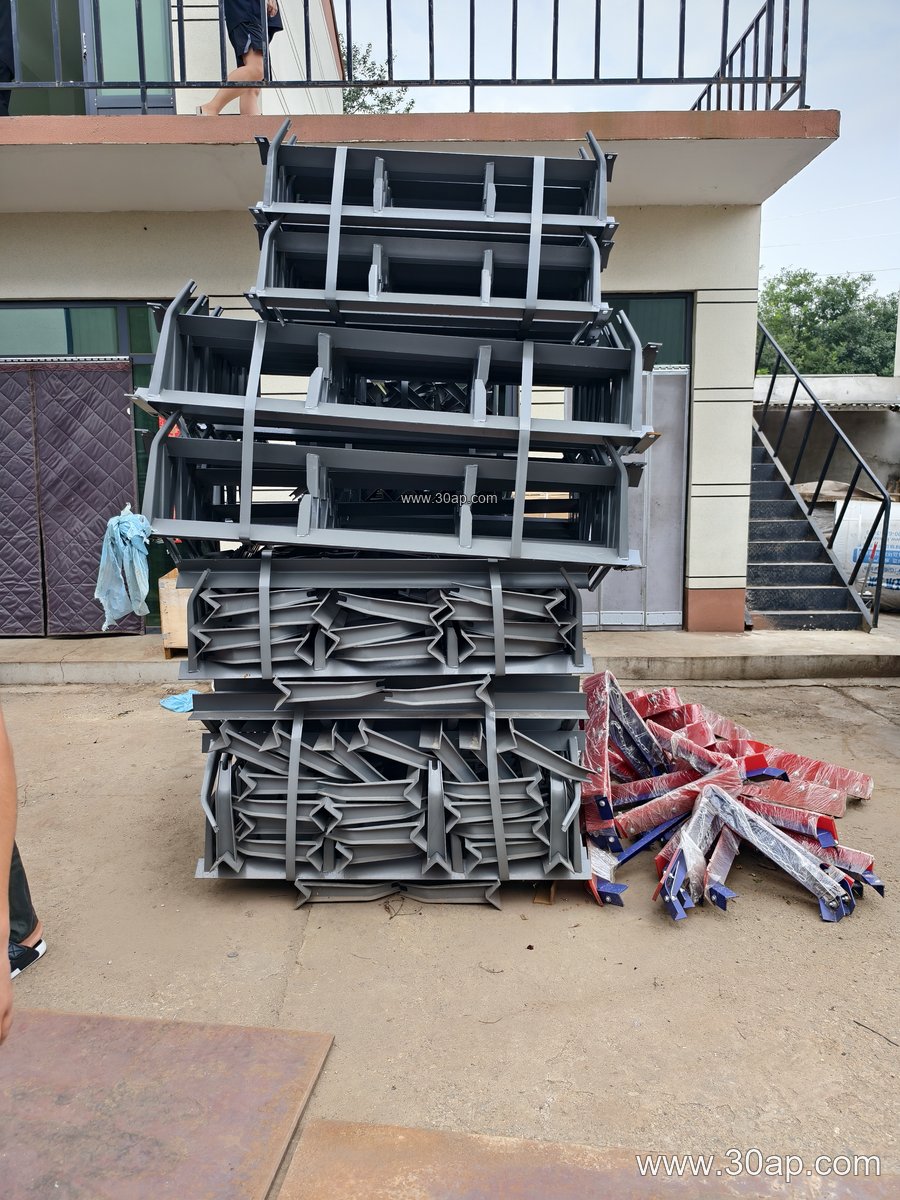
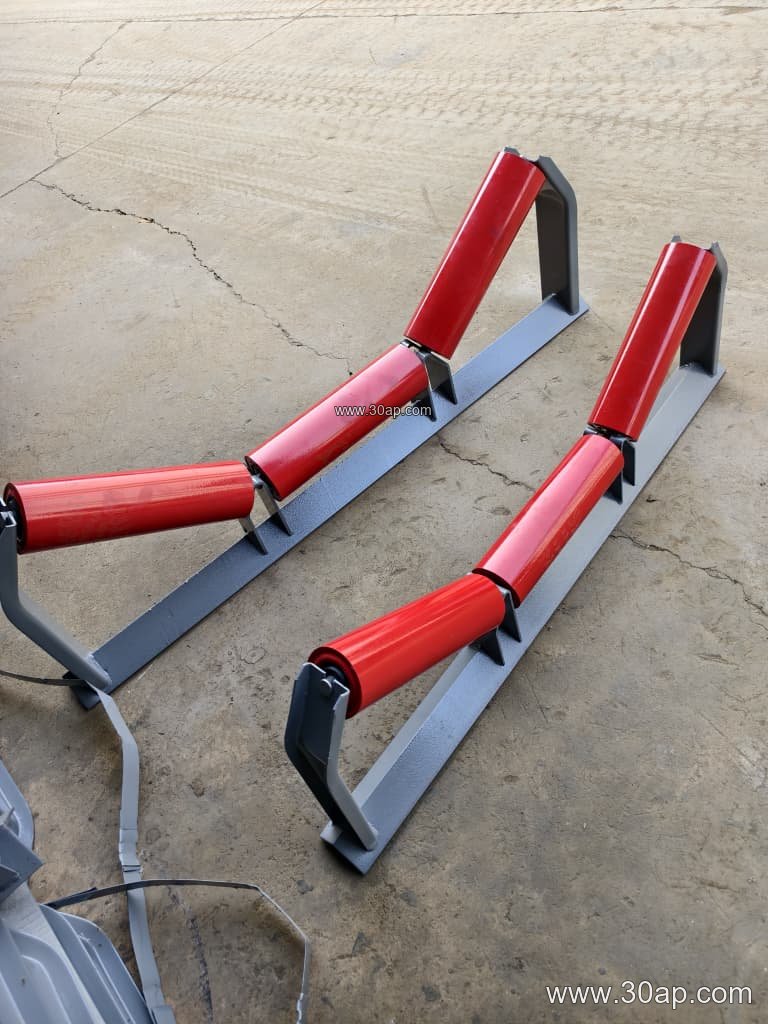
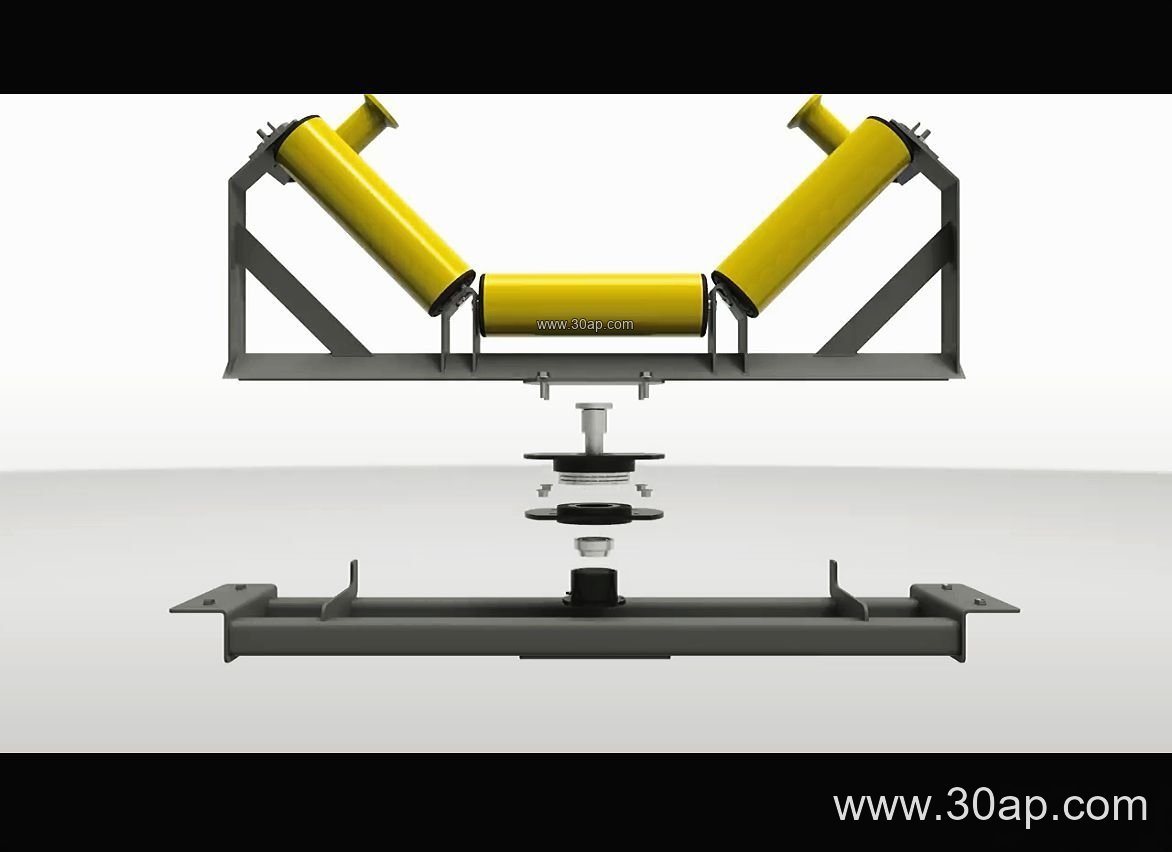
- Troughing bracket – supports three or more rollers to form the belt trough on the carrying side. Common trough angles are 20°, 30°, 35°, and 45°.
- Transition bracket – used near pulleys to gradually change belt shape and reduce stress at the terminal.
- Return bracket – holds flat return rollers under the belt. A V-return bracket uses two angled rollers to help center the belt.
- Impact bracket – positioned at loading points to absorb material impact; often paired with impact rollers.
- Self-aligning bracket – allows slight roller rotation to correct belt tracking. A forward-tilted design (about 1.5° to 2°) is common for this purpose.
- Adjustable bracket – permits changing the trough angle on site, useful when one conveyor handles different materials or belt widths.
Matching Brackets to Belt Width and Roller Diameter
Bracket dimensions follow the belt width and roller diameter, but they are not fixed pairs. A B800 conveyor might use Ø108 rollers at 35°, while a B1200 conveyor could run Ø133 rollers at 45°. The mounting hole spacing and crossbeam length change with belt width, trough angle, and frame design. Buyers should confirm these dimensions with the conveyor designer rather than assuming a standard fit.
| Belt Width (B) | Typical Roller Diameter | Common Trough Angles |
|---|---|---|
| B500–B650 | Ø89, Ø108 | 20°, 30°, 35° |
| B800–B1000 | Ø108, Ø133 | 30°, 35°, 45° |
| B1200–B1400 | Ø133, Ø159 | 35°, 45° |
| B1600–B2000 | Ø159, Ø194 | 35°, 45° |
These ranges are common references, not mandatory combinations. Final selection depends on load, belt speed, and frame geometry.
Installation and Maintenance Notes
Correct installation starts with a level frame. Brackets should be aligned so that all rollers in a section sit at the same height and angle. Bolts should be tightened to the specified torque, and self-aligning brackets need enough clearance to pivot. During operation, check for loose bolts, bent brackets, and worn roller seats. A bent mining conveyor bracket can cause the belt to train off-center and wear the edge prematurely. Replacing a bracket is usually faster than repairing a distorted one, especially in continuous operations such as a coal handling system or a cement plant.
Buyer Checklist
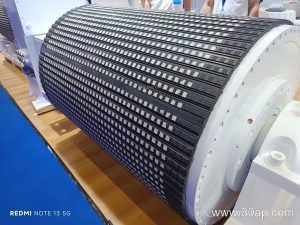
Before ordering, gather the following information: belt width, roller diameter, trough angle, mounting hole pattern, and the position on the conveyor (carrying, return, transition, or impact). Confirm the material and surface treatment, since dusty or wet conditions may call for galvanized or painted finishes. Ask whether the bracket is fixed or adjustable. For projects involving a Fabric Core Conveyor Belt or a Steel Cord Conveyor Belt, the bracket load rating should match the belt tension and material weight. At www.xinrisheng.com, buyers can review bracket options alongside conveyor pulley and idler roller specifications to ensure a compatible assembly.