What the Shaft Inside an Idler Roller Does
Every carrying roller on a belt conveyor depends on a small but critical part: the conveyor idler shaft. This is the stationary axle that runs through the center of the roller shell, supports the rotating tube on its bearings, and transfers the load of the belt and material down to the conveyor bracket and frame. In a quarry or a cement plant, a failed shaft can seize a roller, damage the belt edge, and stop the line. Understanding how this axle is built helps maintenance teams and buyers specify the right component.
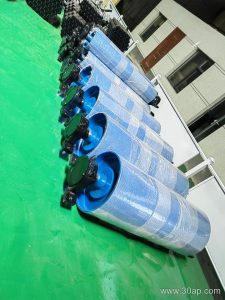
The shaft is often called an idler axle or roller spindle. It should not be confused with a conveyor pulley, which is a much larger drum that drives or redirects the belt. The shaft described here belongs to the idler roller itself and stays fixed while the shell turns around it.
Construction and Materials
Most shafts are machined from round carbon steel bar. The ends are turned down to fit bearing seats and milled flat where the roller sits in the bracket, so the axle cannot rotate in its mount. Tolerances on the bearing seats matter because a loose fit causes vibration and early bearing wear. Common bearing sizes used in idlers include 6204, 6205, 6305, 6306, 6308 and 6310, though the correct bearing depends on the roller diameter and load, not on belt width alone.
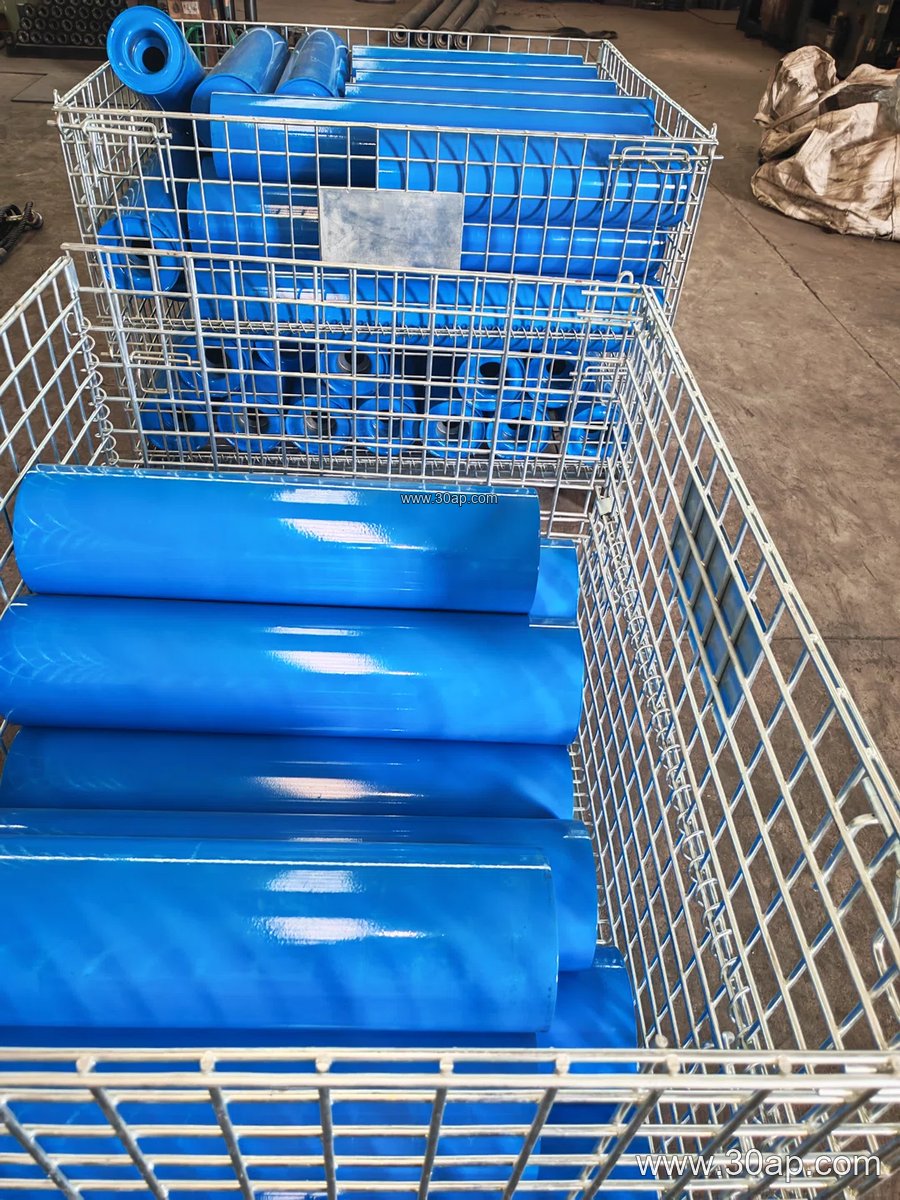
Sealing is closely tied to shaft design. A labyrinth seal or a combination seal with a dust lip protects the bearing cavity from fines, water and washdown. In coal handling and other dusty operations, good sealing often extends service life more than a heavier shaft would.
Where It Fits in the Conveyor
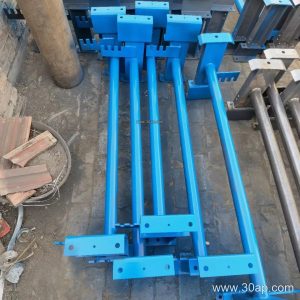
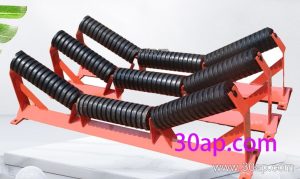
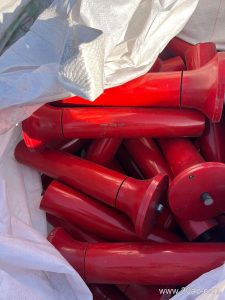
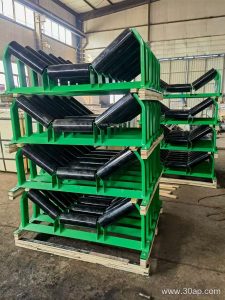
The shaft appears in every idler position along a conveyor belt. Troughing idlers on the carrying side use three rollers, each with its own shaft, set at a trough angle to cup the material. Return idlers support the empty belt, and impact idlers with rubber rings absorb shock at transfer points below a crusher or screen. Self-aligning idlers, including friction and conical types, also rely on a properly seated shaft to pivot and correct belt tracking.
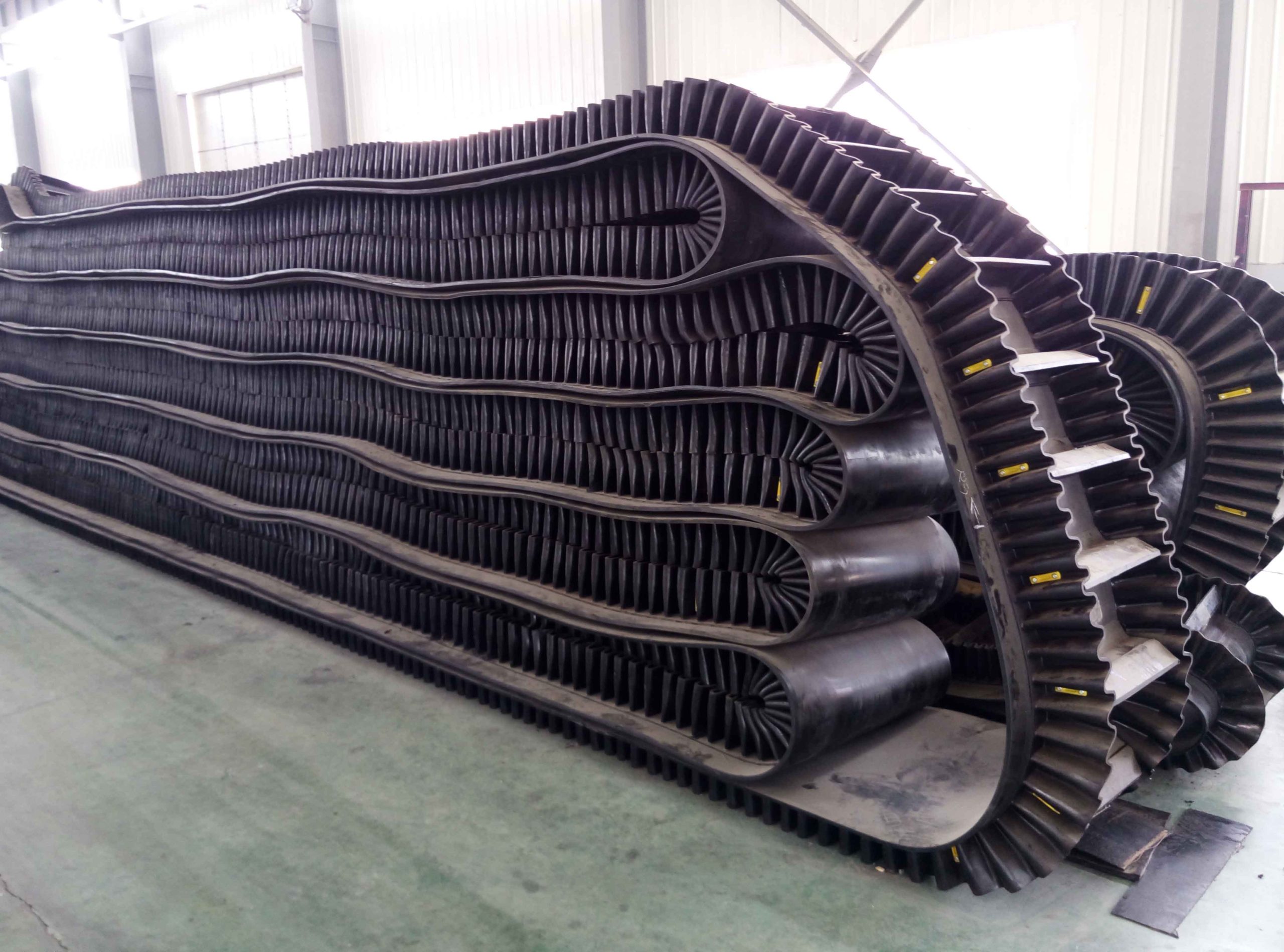
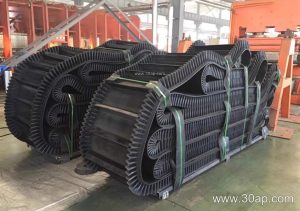
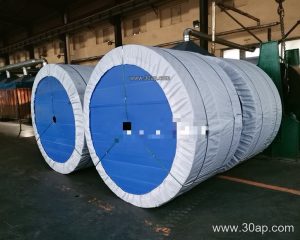
Applications are widespread. A limestone mine, an iron ore concentrator, a power plant coal yard, a steel plant sinter line, a sand and gravel operation, a port ship loader and a concrete batching plant all use idlers and shafts daily. The belt itself may be a heavy-duty mining conveyor belt, an abrasion resistant conveyor belt for rock, or a flame retardant conveyor belt in underground coal mining. The shaft must suit the duty, not just the belt width.
Common Reference Dimensions
The table below shows typical reference values. They are examples, not mandatory pairings, and final sizes are set by the idler design, load and trough angle.
Roller Diameter and Bearing Reference
| Roller diameter | Typical bearing options | Typical use |
|---|---|---|
| Ø63 mm to Ø89 mm | 6204, 6205 | Light belts, small aggregate lines |
| Ø102 mm to Ø133 mm | 6205, 6305, 6306 | General bulk handling |
| Ø159 mm to Ø194 mm | 6306, 6308, 6310 | Heavy mining and quarry duty |
| Ø219 mm | 6308, 6310 | High-load impact zones |
Belt Width and Approximate Roller Length
| Belt width | Approx. roller length, three-roll trough |
|---|---|
| B500 | 200 mm |
| B650 | 250 mm |
| B800 | 315 mm |
| B1000 | 380 mm |
| B1200 | 465 mm |
| B1400 | 530 mm |
| B1600 | 600 mm |
| B1800 | 670 mm |
| B2000 | 750 mm |
Side rollers and center rollers can differ in length. Trough angles are commonly 20, 30, 35 or 45 degrees, and a small forward tilt of about 1.5 to 2 degrees is sometimes used on training idlers. None of these values should be treated as a fixed match to one belt width.
What Buyers Should Check
- Shaft material and surface finish at the bearing seats.
- Flat or keyed ends that match the conveyor bracket.
- Seal type for dusty, wet or washdown conditions.
- Whether the roller is standard troughing, return, impact or self-aligning.
- Compatibility with the belt specification, such as an EP conveyor belt or a steel cord conveyor belt, and with expected load.
For more on idlers, pulleys and belting, visit beltconveyorparts.com and review conveyor idler shaft options alongside roller and frame data. A well-chosen axle keeps the whole conveyor turning quietly and reliably.