What a Carbon Steel Conveyor Bracket Does
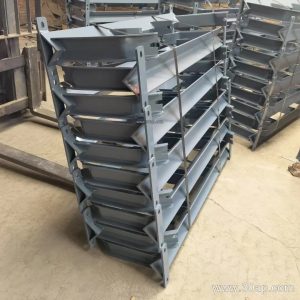
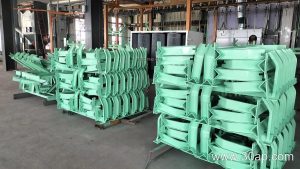
A carbon steel conveyor bracket is the structural support that holds idler rollers in the correct position under the conveyor belt. It is typically fabricated from angle steel, channel steel, or bent steel plate, and it transfers the load from the belt and material to the conveyor frame. In quarry, limestone, and aggregate lines, these brackets keep the belt profile stable through continuous loading. The same carbon steel bracket design appears in coal preparation plants and power plant coal handling systems, where reliability under dust and vibration matters.
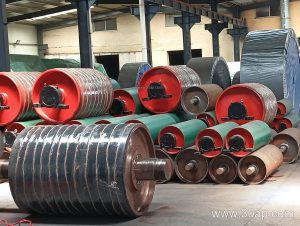
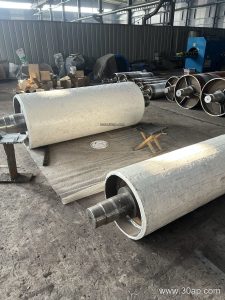
Unlike a conveyor pulley, which drives or redirects the belt, the bracket is a static component. It must align with the idler roller and the conveyor belt path so that tracking remains consistent. A well-made carbon steel conveyor bracket also simplifies maintenance because the idler can be replaced without cutting the frame.
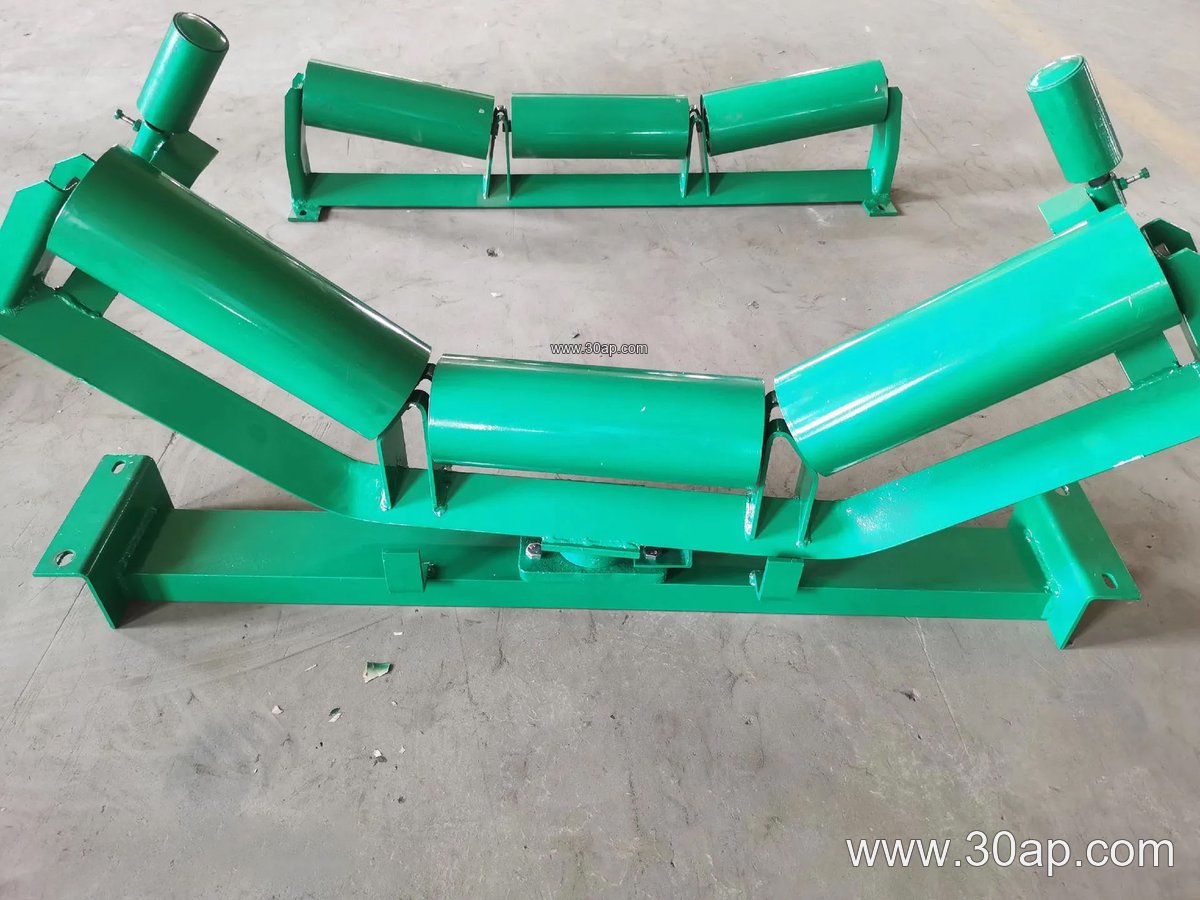
Common Bracket Types and Construction
Bracket type follows the belt line section it serves. Troughing brackets support the carrying side and set the trough angle. Return brackets support the belt on its way back. Transition and impact brackets handle specific load conditions near feeding points.
- Troughing bracket – carries the belt with a defined trough angle, usually 20°, 30°, 35°, or 45°.
- Transition bracket – used near pulleys to guide the belt from flat to troughed shape.
- Return bracket – supports the return belt; V-return and flat return forms are common.
- Impact bracket – reinforced for loading zones where material drop energy is high.
- Self-aligning bracket – allows limited adjustment to correct belt tracking.
- Adjustable bracket – permits trough angle changes on site within a defined range.
Fabrication usually involves cutting, drilling, and welding. Bolt holes must match the idler shaft and frame hole spacing, which changes with belt width and trough angle. A carbon steel bracket for a B800 line is not the same as one for a B1600 line, even when the basic shape looks similar.
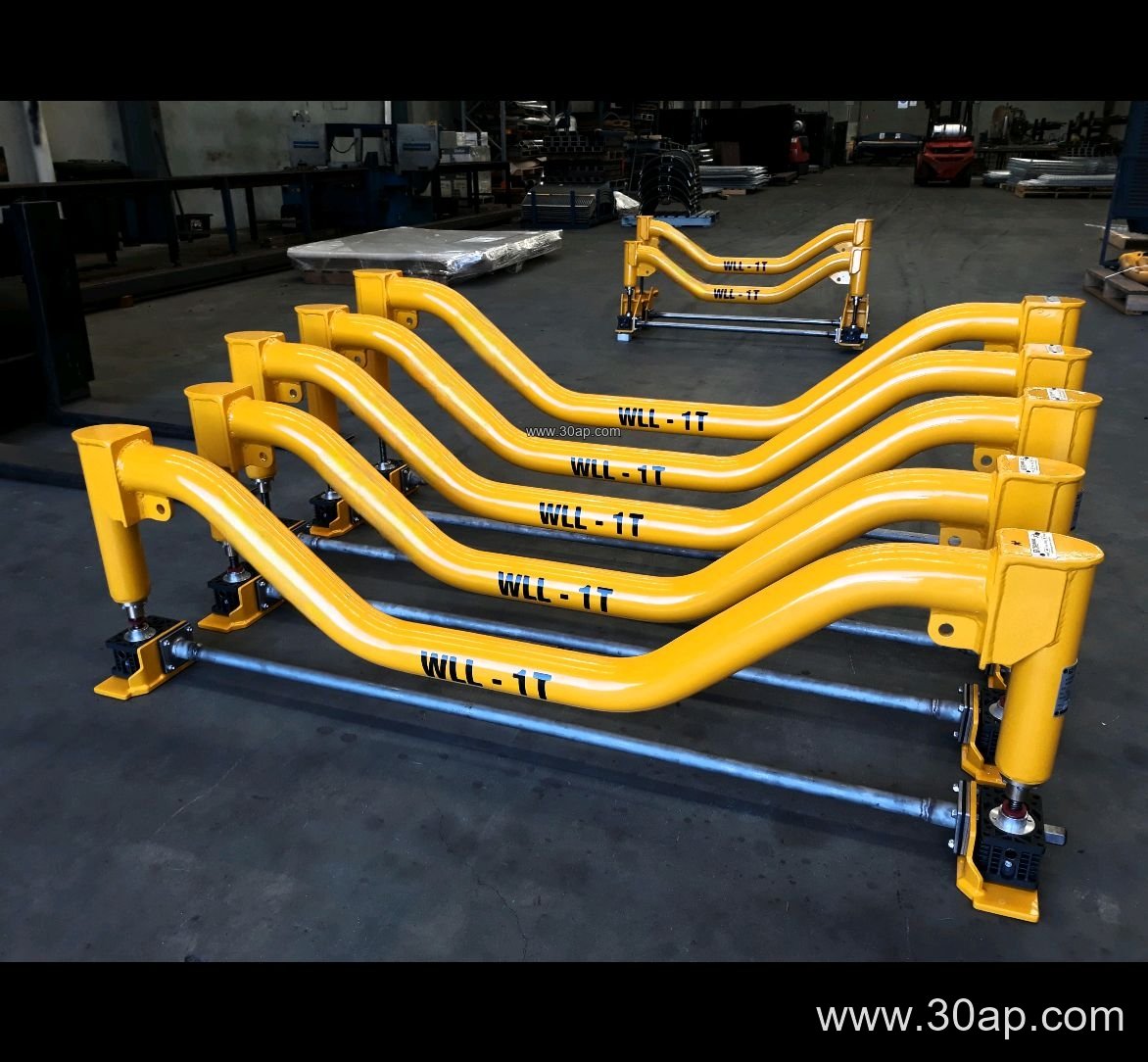
Matching Bracket to Belt Width, Trough Angle, and Roller Diameter
There is no single rule that fixes one belt width to one roller diameter. Designers typically select the roller diameter and bracket geometry together based on load, belt speed, and material lump size. Common combinations include B800 with 35° trough and Ø108 roller, B1200 with 45° trough and Ø133 roller, or B650 with 30° trough and Ø89 roller. These are examples, not mandatory matches.
| Belt Width (B) | Common Trough Angle | Common Roller Diameter | Typical Bracket Note |
|---|---|---|---|
| B500 | 20°–30° | Ø89 | Light to medium duty |
| B650 | 30°–35° | Ø89–Ø108 | Adjustable option available |
| B800 | 30°–35° | Ø108 | Standard troughing bracket |
| B1000 | 35°–45° | Ø108–Ø133 | Reinforced frame recommended |
| B1200 | 35°–45° | Ø133 | Heavy-duty return bracket often used |
| B1400 | 35°–45° | Ø133–Ø159 | Check hole spacing with frame |
| B1600 | 35°–45° | Ø159 | Impact brackets at transfer points |
| B1800 | 35°–45° | Ø159–Ø194 | Heavy aggregate and ore duty |
| B2000 | 35°–45° | Ø194 | Custom fabrication common |
For a given belt width, the mounting hole distance and crossbeam length are determined by the trough angle and bracket design. Buyers should provide the belt width, trough angle, roller diameter, and frame hole pattern when ordering.
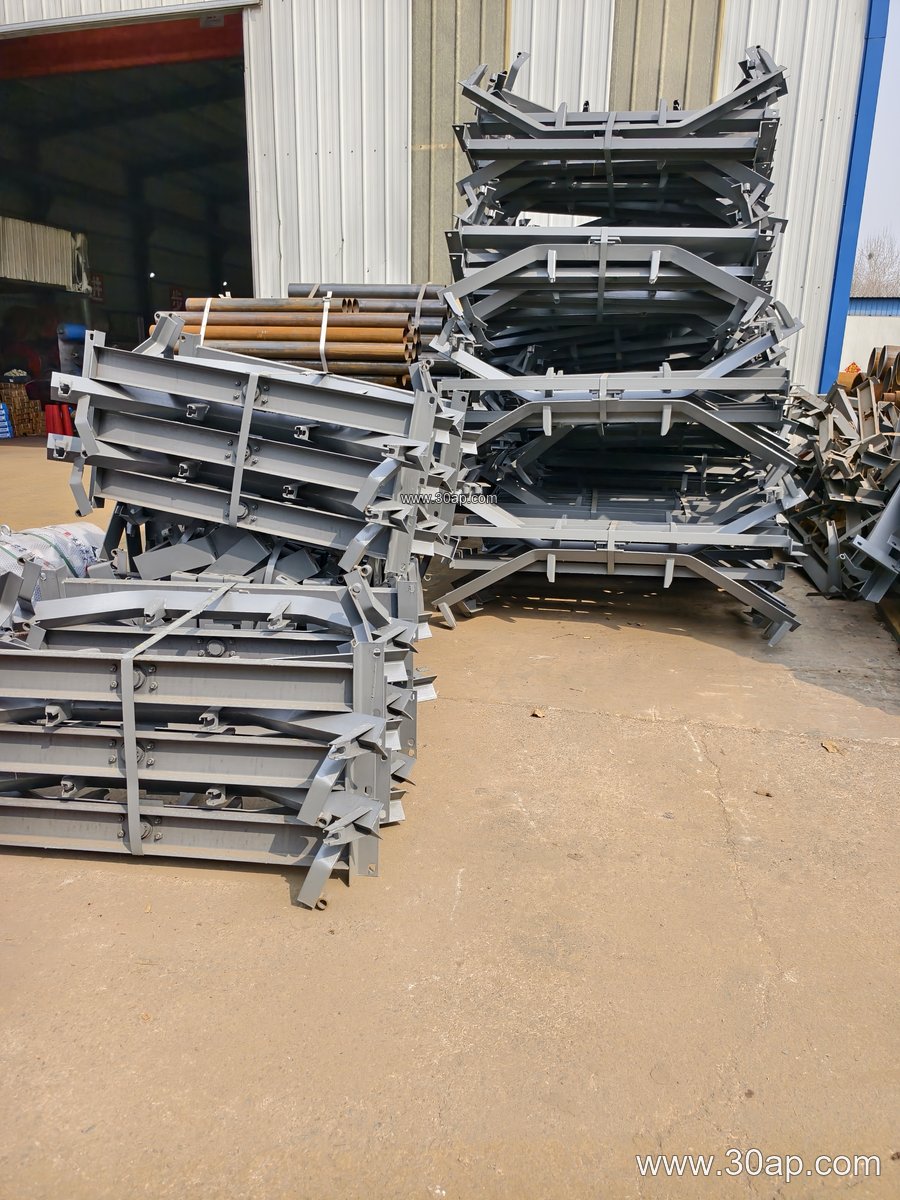
Where Carbon Steel Conveyor Brackets Are Used
In a limestone quarry, troughing brackets on the main haulage conveyor must resist abrasive dust and occasional impact from large lumps. In a coal preparation plant, flame retardant conveyor belt and anti-static belt are common, and the brackets should be positioned to avoid material buildup. The same carbon steel bracket family supports idler rollers under a crusher conveyor belt in an aggregate plant and under a steel cord conveyor belt in a heavy-duty mining conveyor.
Bracket selection also interacts with belt type. A pipe conveyor belt needs a different support arrangement than a flat carrying belt. A chevron conveyor belt or corrugated sidewall belt may require modified bracket clearance. For heat resistant conveyor belt or oil resistant conveyor belt applications, the bracket itself remains carbon steel, but the roller and belt materials are chosen for the environment.
Buyer Checklist
- Confirm belt width, trough angle, and roller diameter before ordering.
- State whether the bracket is fixed or adjustable.
- Provide frame hole spacing and crossbeam length requirements.
- Specify the duty level: standard, impact, or heavy-duty.
- Check that the carbon steel bracket matches the idler roller shaft end.
- Consider site conditions such as dust, moisture, and vibration.
A practical carbon steel conveyor bracket keeps the belt line true, reduces roller wear, and supports safe maintenance. For system-level guidance, see the conveyor bracket range at beltconveyorparts.com and match the support to the conveyor belt, idler roller, and conveyor pulley layout.