What Is a Non-Standard Conveyor Bracket?
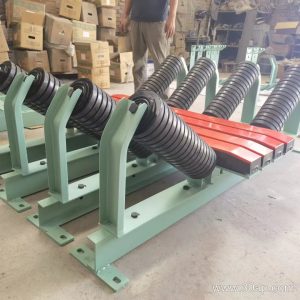
A non-standard conveyor bracket is a support component made to fit a conveyor structure that does not follow common dimensional patterns. Instead of using off-the-shelf mounting dimensions, the bracket is engineered around the actual belt width, trough angle, roller diameter, and frame geometry of the installation. In quarry lines, cement plants, and coal handling systems, such custom brackets often bridge the gap between standard idler frames and the real layout of the conveyor.
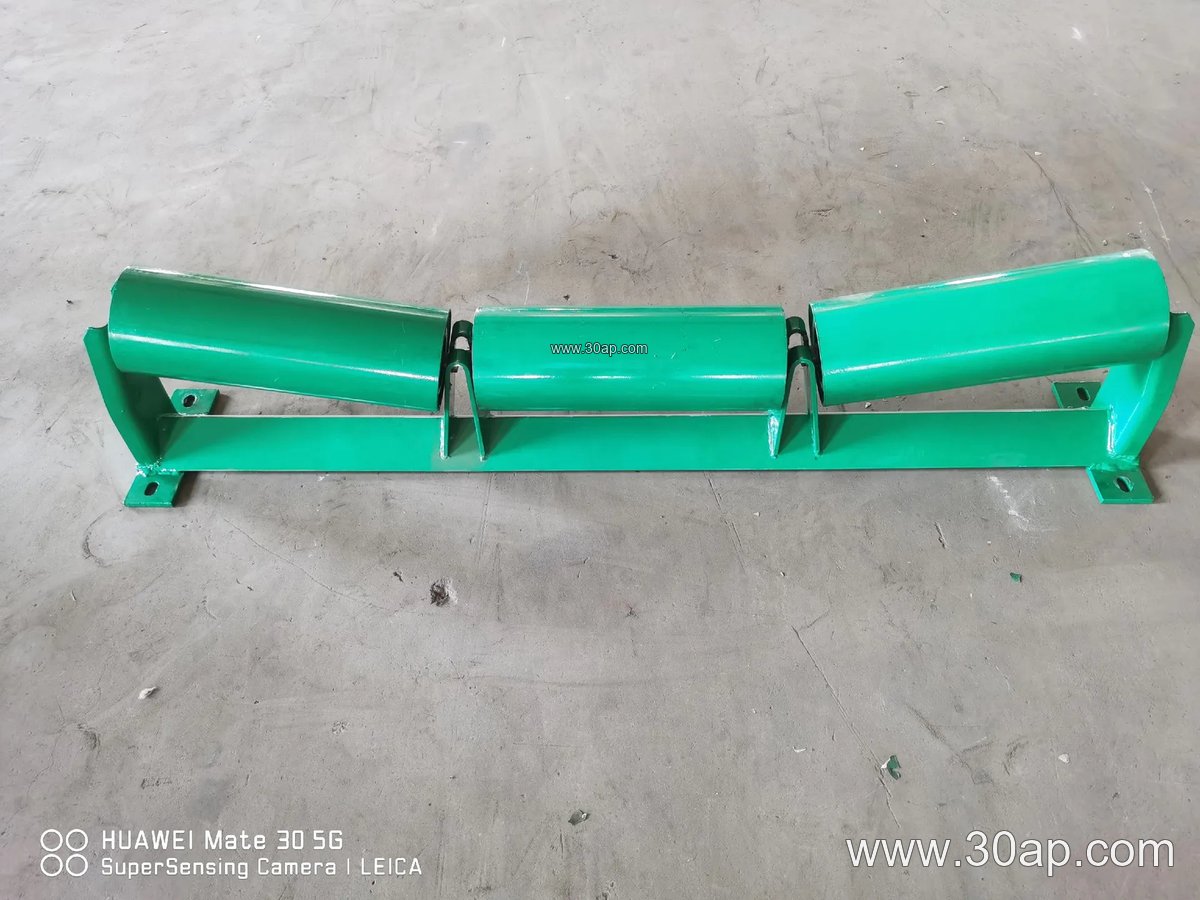
This bracket is not a single fixed item. It can be a troughing bracket for carrying idlers, a return bracket, an impact bracket, or a transition bracket, each produced to match a specific mounting hole pattern and beam length. When the conveyor frame is rebuilt or the belt width changes, a non-standard conveyor bracket keeps the idler roller in the correct position without cutting or welding the main structure on site.
Construction and Materials
Most non-standard conveyor brackets are fabricated from angle steel, channel steel, or bent steel plate. The choice depends on load, environment, and the way the bracket connects to the conveyor stringer. A heavy-duty mining conveyor bracket may use thicker channel sections, while a smaller aggregate conveyor bracket can be made from folded plate.
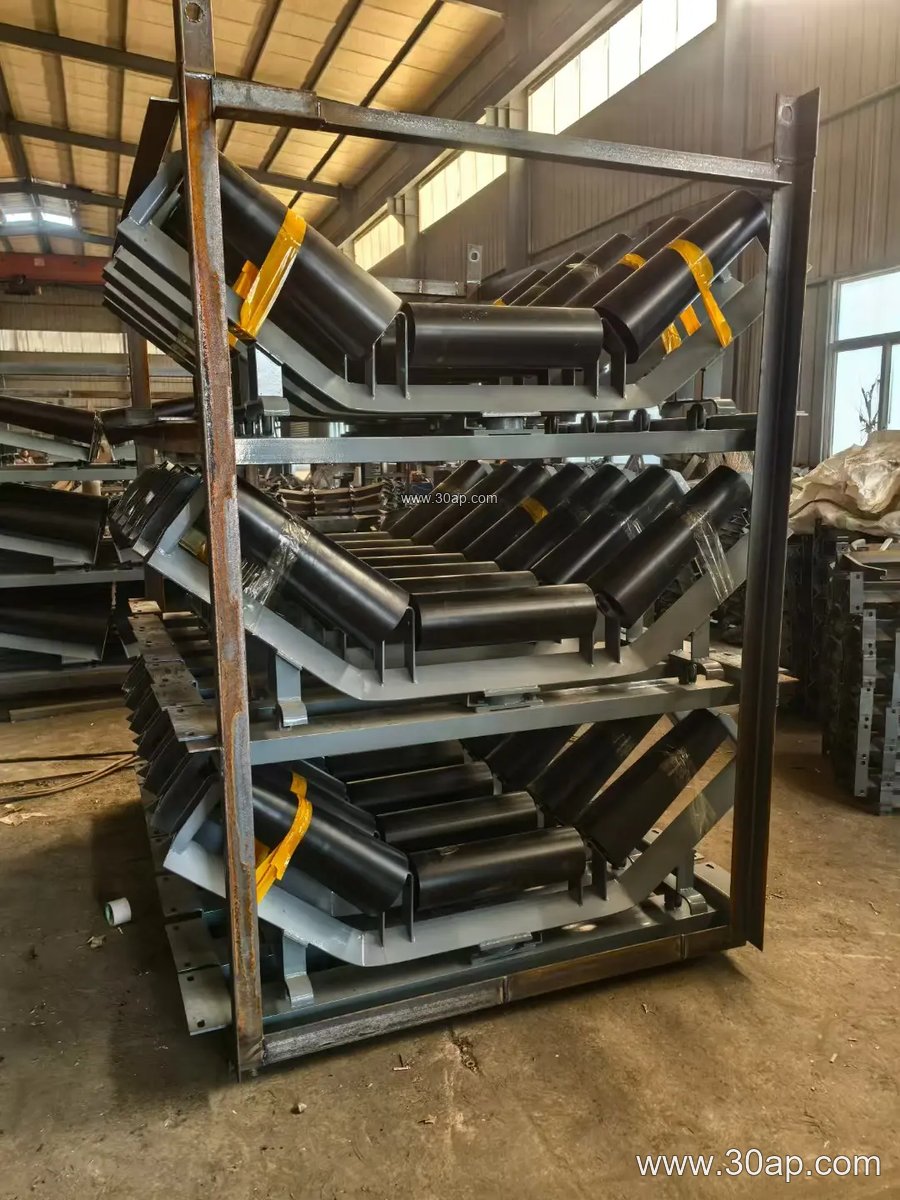
Common features include:
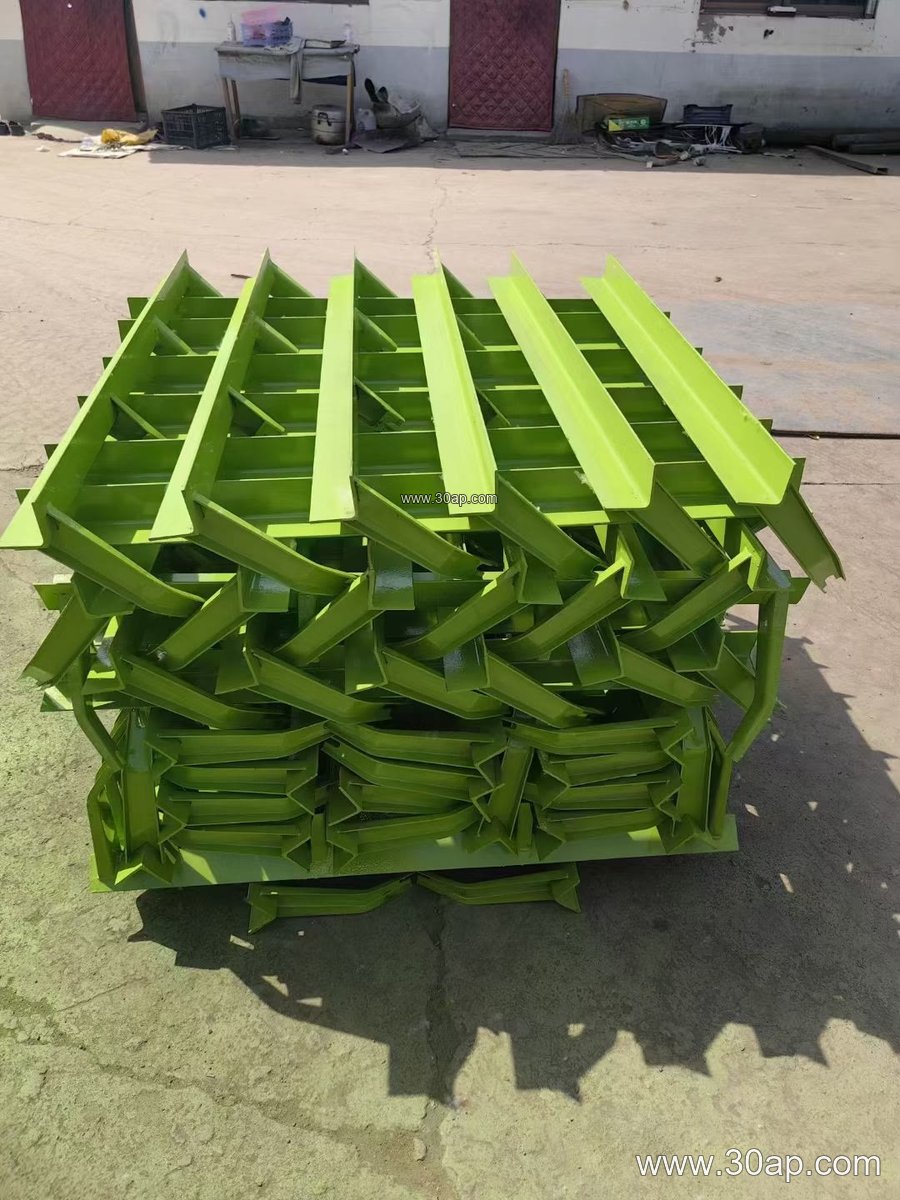
- Slotted or drilled mounting holes to match non-standard frame spacing
- Reinforced corners for impact and transition zones
- Adjustable trough angle settings, often between 20 and 45 degrees
- Optional forward tilt of about 1.5 to 2 degrees for training effect
Because the bracket is custom, the hole pitch and crossbeam length are determined by the belt width and trough angle rather than by a fixed catalog number.
Where Non-Standard Brackets Are Used
These brackets appear in applications where the conveyor structure is not fully modular. In a limestone mine, a transition bracket may be needed where the belt changes from a flat to a troughed profile. In a coal washing plant, a non-standard return bracket can fit around a modified frame near the drive pulley. The same idea applies to a cement plant conveyor that carries clinker at high temperature, or to a port conveyor handling bulk material at a fixed transfer point.
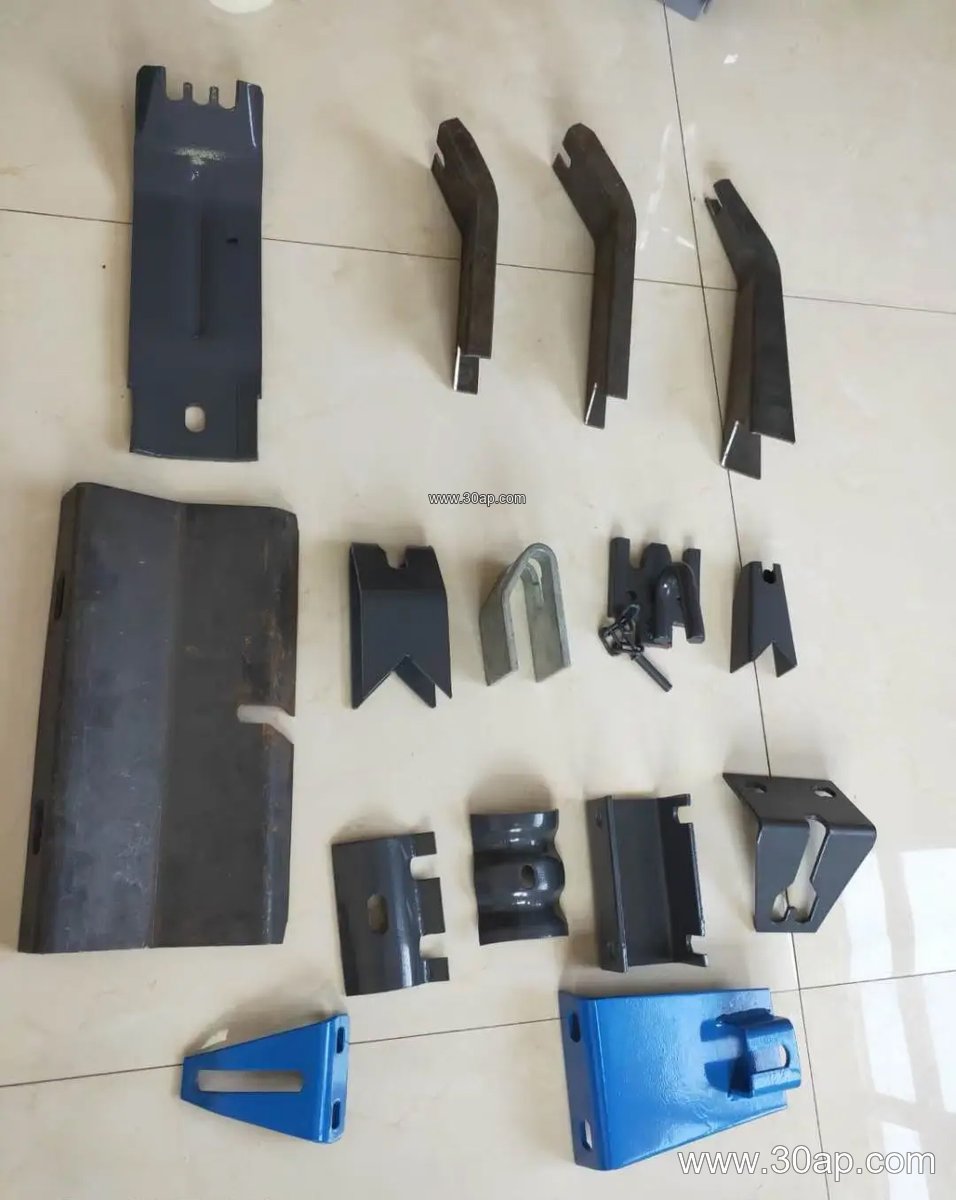
They are also useful when a conveyor is upgraded with a different idler roller diameter. For example, moving from Ø108 to Ø133 rollers may require new bracket heights or hole positions. A non-standard conveyor bracket solves this without replacing the entire idler frame.
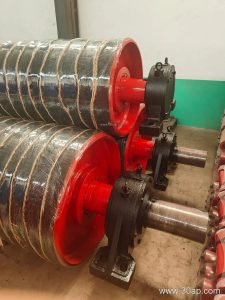
Matching Brackets with Belts, Idlers, and Pulleys
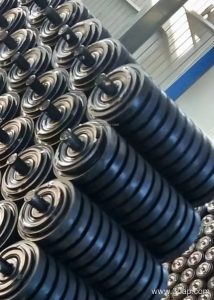
The bracket must work with the conveyor belt and the idler roller, not as an isolated part. For a B800 belt with a 35-degree trough and Ø108 rollers, the bracket geometry differs from a B1200 belt with a 45-degree trough and Ø133 rollers. The table below shows common reference combinations; these are examples, not mandatory pairings.
| Belt Width | Trough Angle | Roller Diameter | Typical Bracket Role |
|---|---|---|---|
| B650 | 30° | Ø89 | Troughing bracket |
| B800 | 35° | Ø108 | Transition or troughing bracket |
| B1000 | 35° | Ø133 | Impact bracket |
| B1200 | 45° | Ø133 | Troughing bracket |
| B1400 | 45° | Ø159 | Return bracket |
When the conveyor uses an EP conveyor belt or a steel cord conveyor belt, the bracket still follows the same mechanical logic: support the idler at the right height and angle. A flame retardant conveyor belt in an underground coal mining conveyor may need brackets that resist corrosion and keep the roller aligned. The bracket does not change the belt specification, but it helps the belt run centered and reduces edge wear.
Selection and Installation Notes
Buyers should confirm the actual mounting hole spacing, the stringer type, and the required trough angle before ordering. A non-standard conveyor bracket is usually made to drawing, so the drawing should show the roller centers, the bracket height, and any tilt. It is also wise to check clearance around the conveyor pulley and the idler roller, especially at transition zones.
During installation, align the brackets in a straight line and tighten them to the frame without distorting the roller seats. If the bracket is adjustable, set the trough angle to match the belt load and material. For abrasive materials such as iron ore or copper ore, a reinforced bracket with wear protection at the contact points can extend service life.
Whether the project is a quarry conveyor, a power plant coal line, or a fertilizer handling system, the non-standard conveyor bracket should be treated as an engineered interface between the frame and the idler. Properly specified, it keeps the conveyor belt supported and the idler roller in position without forcing the structure into a standard that does not fit.