What a Conveyor Bracket Quotation Covers
A conveyor bracket quotation is a commercial and technical document that lists the brackets needed to support idlers and keep a conveyor belt running in its intended profile. It is not just a price sheet. A useful quotation ties each bracket to a specific mounting position, belt width, trough angle, and idler diameter, so the buyer can compare offers on the same basis. Whether the project serves a quarry, a cement plant, a coal preparation facility, or a power plant coal yard, the bracket quotation should make the scope clear before any steel is cut.
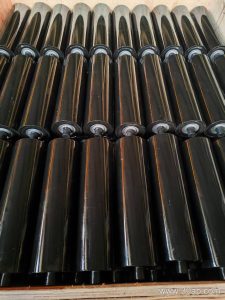
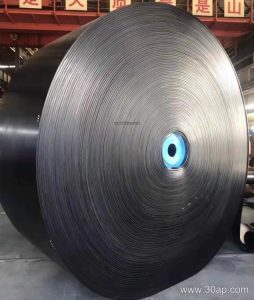
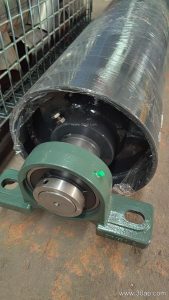
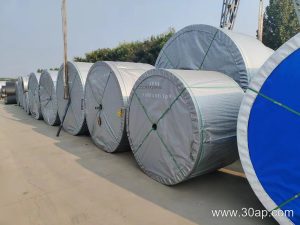
In many belt conveyor projects, the bracket set works alongside the conveyor belt, idler roller, and conveyor pulley. A quotation that ignores these interfaces often leads to site modifications later. For example, a quotation for a B1200 conveyor with 35-degree troughing may need different bracket dimensions than a B800 line with 30-degree troughing, even if both use Ø108 idlers. The quotation should state these assumptions rather than leave them to guesswork.
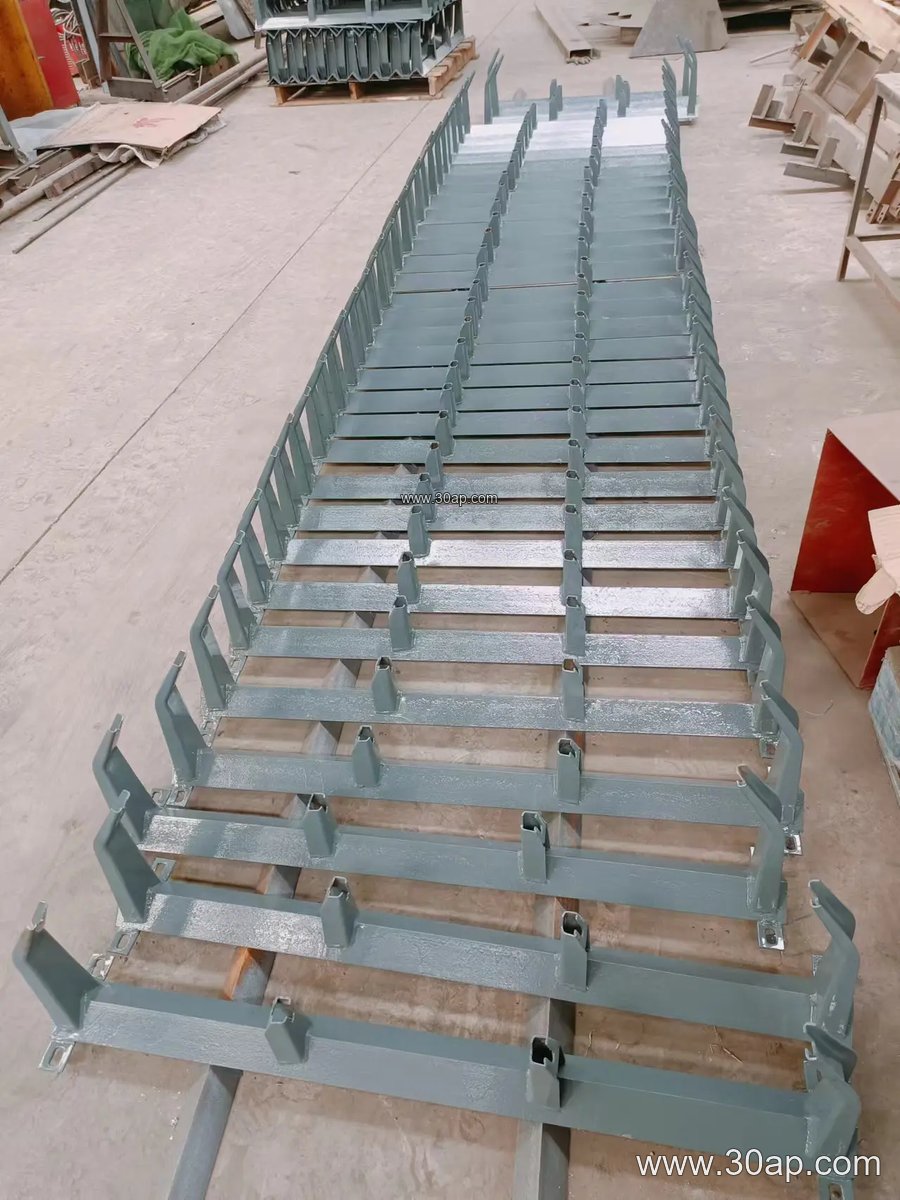
How Brackets Are Built and Where They Fit
Conveyor brackets are typically fabricated from angle steel, channel steel, or folded steel plate. The main forms include troughing brackets, transition brackets, return brackets, V-return brackets, impact bracket sets, self-aligning brackets, and adjustable brackets. Each type has a distinct role: troughing brackets hold the carrying idlers at a set trough angle, return brackets support the belt on the return side, and transition brackets help guide the belt between pulley and trough sections.
Adjustable brackets are worth noting in a quotation because they can be set to different trough angles, commonly 20, 30, 35, or 45 degrees. Fixed brackets are made for one angle. A buyer comparing quotations should check whether the offer assumes fixed or adjustable brackets, since the two are not interchangeable in terms of installation and future flexibility. Forward-leaning brackets, often around 1.5 to 2 degrees, may also appear in the quotation as a separate line item for belt training purposes.
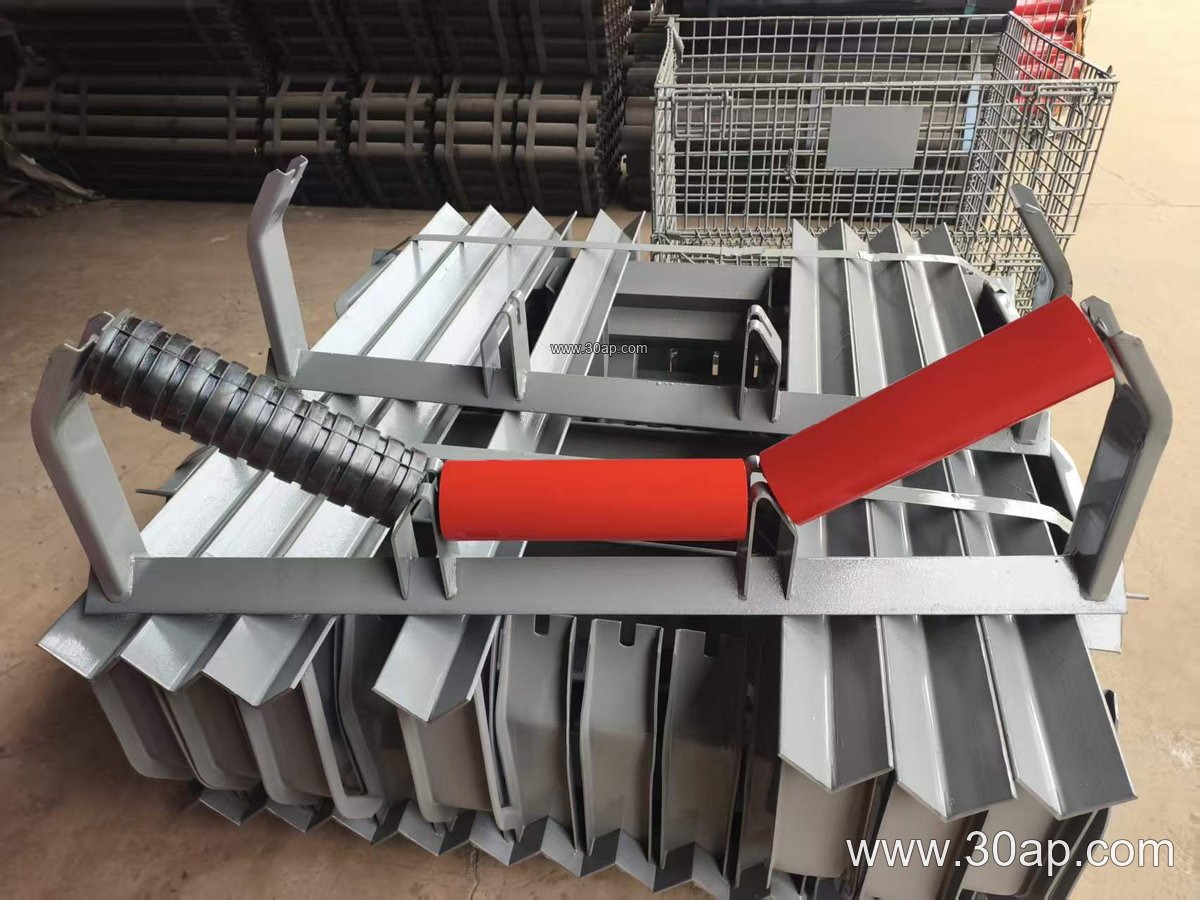
Typical Sizes and Configuration Details
Bracket quotations usually reference belt width, trough angle, and idler diameter together. Common belt widths include B500, B650, B800, B1000, B1200, B1400, B1600, B1800, B2000, B2200. Idler diameters often range from Ø89 to Ø194. The table below shows reference combinations, not fixed rules. A B650 line may use 30-degree troughing with Ø89 idlers, while a B1400 line may use 45-degree troughing with Ø159 idlers. The bracket quotation should list the actual combination required by the conveyor design.
| Belt Width | Trough Angle | Idler Diameter | Bracket Type Example |
|---|---|---|---|
| B500 | 20° | Ø89 | Troughing bracket |
| B650 | 30° | Ø89 | Troughing bracket |
| B800 | 35° | Ø108 | Troughing bracket |
| B1000 | 35° | Ø108 | Transition bracket |
| B1200 | 45° | Ø133 | Troughing bracket |
| B1400 | 45° | Ø159 | Troughing bracket |
| B1600 | 35° | Ø159 | Return bracket |
| B1800 | 45° | Ø194 | Troughing bracket |
Installation hole spacing and crossbeam length usually vary with belt width and trough angle, so they should be confirmed by design rather than assumed. A quotation that lists only a bracket type without these details may be difficult to compare with another offer. For heavy-duty mining conveyor belt systems, the bracket quotation may also include impact bracket sets under the loading point and self-aligning brackets on long runs.
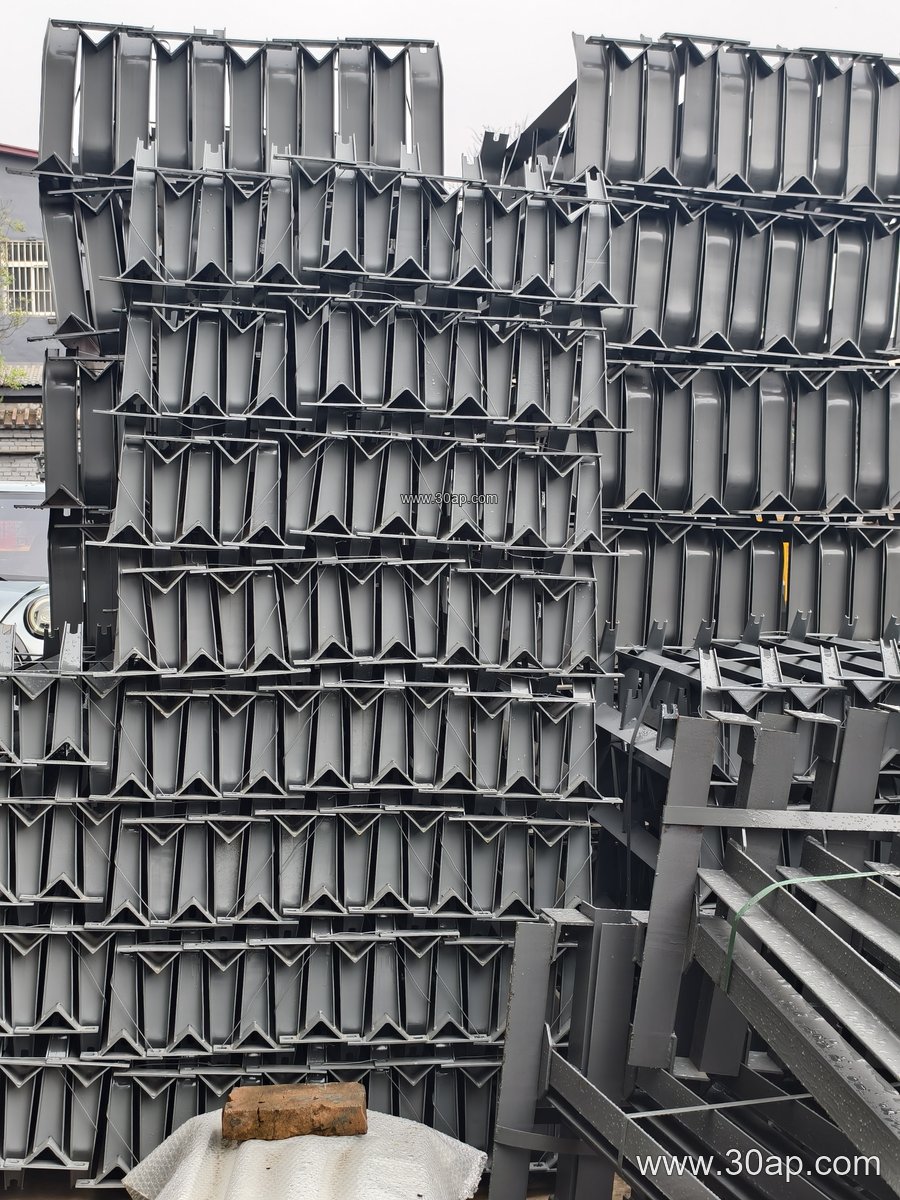
What Buyers Should Check Before Ordering
First, confirm the bracket type and mounting position for each line item. Troughing brackets, return brackets, and transition brackets are not interchangeable, and a quotation should not use one as a substitute for another. Second, check the belt width, trough angle, and idler diameter together. A quotation for a B1000 conveyor with 35-degree troughing and Ø108 idlers is a different scope from one for a B1000 conveyor with 45-degree troughing and Ø133 idlers.
Third, ask whether the brackets are fixed or adjustable, and whether forward-leaning or self-aligning versions are included where belt training is a concern. Fourth, confirm the material and surface treatment, since angle steel, channel steel, and folded plate brackets may have different lead times. Finally, review the quotation against the conveyor layout, especially at pulleys and transition zones, where bracket spacing and height can affect belt tracking.
A clear conveyor bracket quotation helps procurement teams in mining, cement, power, and aggregate operations compare offers without hidden assumptions. It should read as a technical scope document as much as a price list, and it should leave no doubt about which brackets support which idlers on which belt width.