What a Heavy-Load Pulley Does
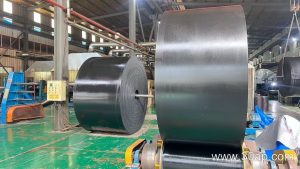
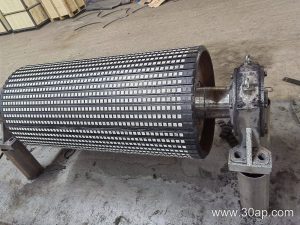
A heavy-load pulley is the robust drum at the heart of a conveyor’s drive, tail, or bend station, built to transmit high torque and carry the full tension of a loaded belt. Unlike a standard conveyor pulley, this class of drum uses thicker shells, larger shafts, and heavier bearing housings to survive continuous duty in mines, quarries, and processing plants. In a typical limestone quarry or iron ore concentrator, the heavy-load pulley at the head end pulls a wide, thick rubber conveyor belt that may be carrying rock at several thousand tonnes per hour.
The same drum family appears as a drive pulley, a tail pulley, and a bend pulley, but these are not interchangeable positions. A drive pulley is sized for torque and traction, while a tail pulley mainly guides and tensions the belt return. A bend pulley changes belt direction without driving. Understanding this distinction prevents costly misapplication.
Construction and Key Components
A heavy-load pulley usually starts with a rolled steel shell, machined end discs, and a shaft that is sized by torque and radial load rather than by belt width alone. Common shaft diameters range from Ø50 to Ø200 mm, with larger values selected for high-tension drives. The shell is often covered with rubber lagging to improve grip and protect the belt.
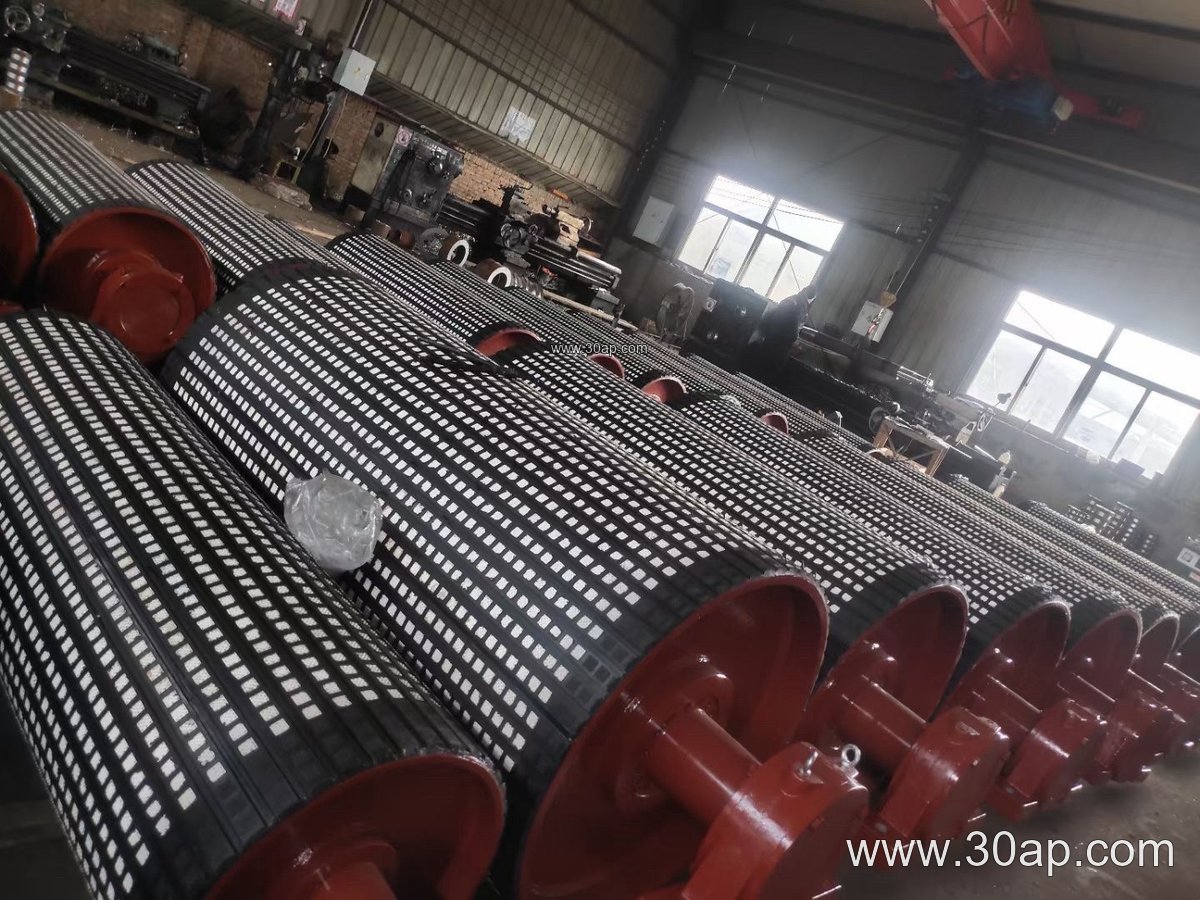
Lagging and Surface Options
Surface forms include plain, hot-vulcanized rubber, cold-bonded rubber, diamond lagging, herringbone lagging, and ceramic lagging. Lagging thickness commonly falls between 8 mm and 20 mm. Diamond or herringbone patterns help shed water and fines, while ceramic tiles suit abrasive conditions such as a copper ore or gold mining conveyor. Plain surfaces may be adequate on a non-drive bend pulley where traction is not the priority.
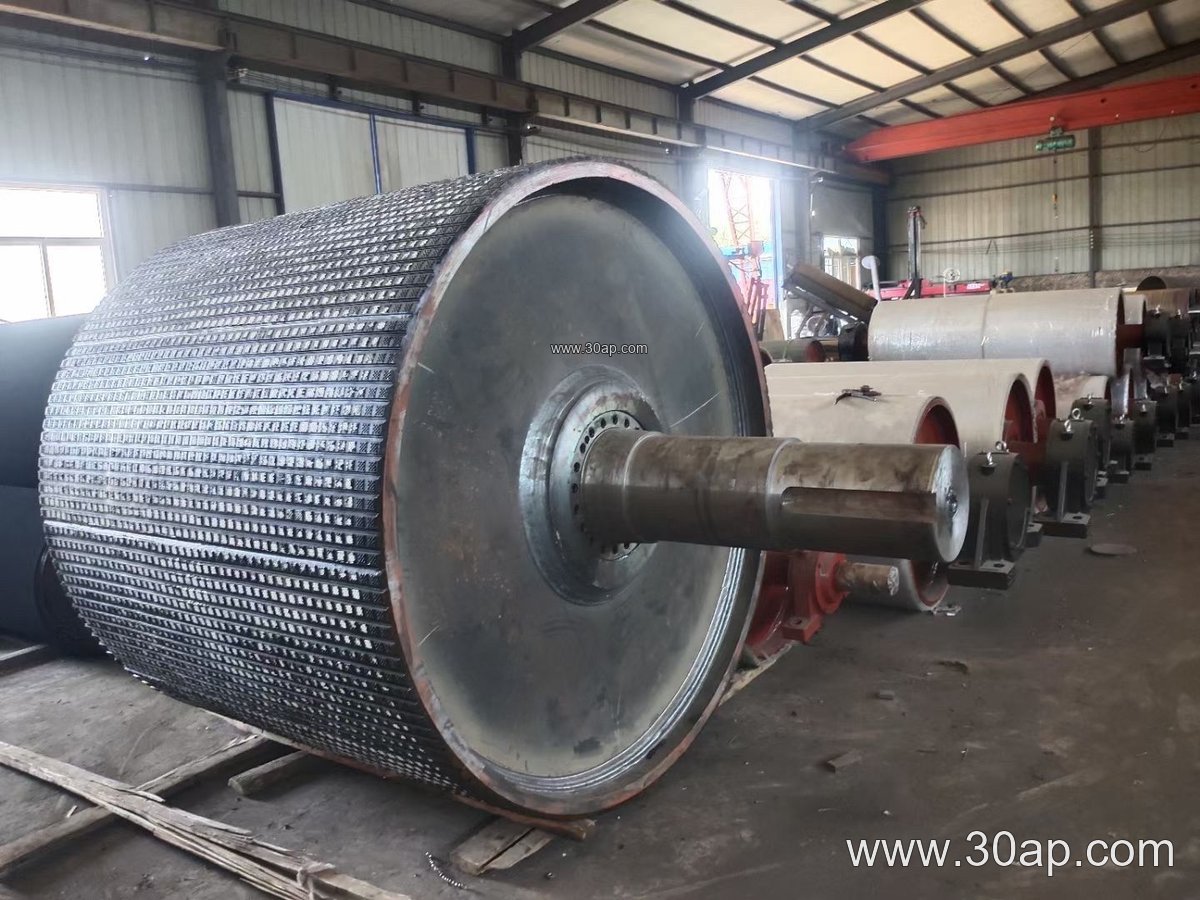
Bearing and Sealing Details
Heavy-load pulleys generally use spherical roller bearings in cast or fabricated housings, with labyrinth seals to keep out dust and water. This matters in a coal mining conveyor or a cement plant where fine dust is constant. The pulley face width is usually wider than the belt, for example about 1150 mm for a B1000 belt and about 1400 mm for a B1200 belt, but the final dimension is set by design.
Where Heavy-Load Pulleys Are Used
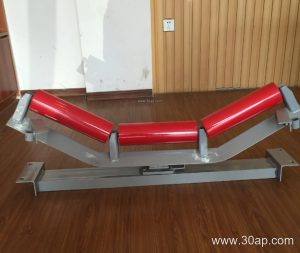
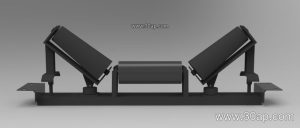
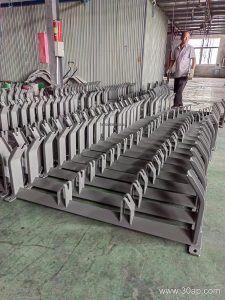
These drums are common in primary crushing circuits, ship loading conveyors, and power plant coal handling. In a sand and gravel line, a heavy-load drive pulley may work with an abrasion resistant conveyor belt and a set of impact idler rollers at the loading point. In a steel plant, heat resistant conveyor belts and heavy-load pulleys must tolerate hot sinter or coke. A quarry conveyor belt carrying blasted rock puts high shock loads on the tail pulley, so a reinforced shell and sturdy conveyor bracket are important.
You will also find this pulley on underground mining conveyors, where flame retardant conveyor belts and compact drive stations are required. The same product can serve a pipe conveyor belt at a transfer tower, but the pulley diameter and lagging must match the belt’s stiffness and the required wrap angle.
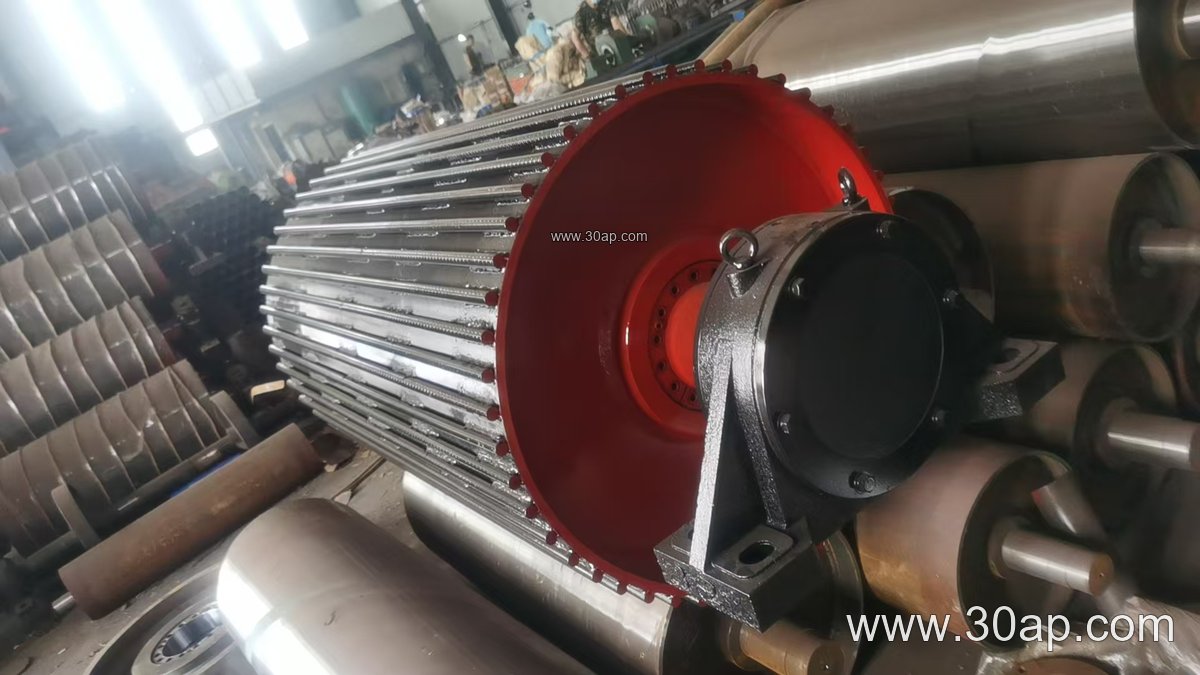
Matching Pulley to Belt and Duty
Selection starts with the belt type and tension. A heavy-duty mining conveyor belt such as an EP200 or ST1600 steel cord belt demands a pulley shell and shaft that can handle the resulting torque. Belt width alone does not fix pulley diameter; for instance, a B800 belt may run on a Ø500 pulley in one layout and a Ø630 pulley in another, depending on belt speed and wrap angle.
Common combinations include B800 × Ø500, B1200 × Ø1000, and B1400 × Ø800, but these are reference examples, not fixed rules. The buyer should provide belt width, belt type, maximum tension, pulley position, and environmental conditions. A heavy-load pulley for a cold climate may need cold resistant conveyor belt compatibility, while an oil-laden site may call for an oil resistant conveyor belt and oil-resistant lagging.
Buyer Checklist and Maintenance Notes
- Confirm the pulley’s role: drive, tail, bend, or take-up. Do not substitute one for another.
- Specify shell diameter, face width, shaft diameter, and lagging type with the conveyor designer.
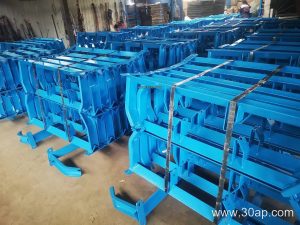
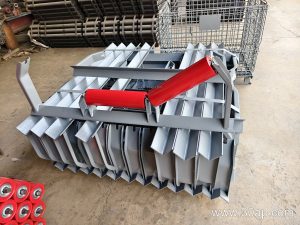
- Check that the pulley bracket and bearing housing fit the existing conveyor frame.
- Inspect lagging wear and shaft alignment during scheduled shutdowns.
- Keep the pulley clean; material build-up on a bend pulley can cause belt misalignment.
For a heavy-load pulley, the right choice balances shell strength, shaft size, lagging grip, and bearing protection with the actual conveyor belt and material handled. Whether the site is a copper mine, a fertilizer plant, or a port bulk terminal, the pulley must be treated as an engineered component, not a generic roller.