What a Conveyor Take-Up Pulley Does
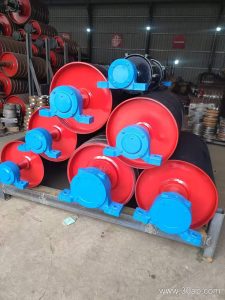
A conveyor take-up pulley is a specialized drum that maintains belt tension in a conveyor system. Unlike a drive pulley that transmits power or a tail pulley that redirects the belt, this tensioning drum moves on a slide or pivot to compensate for stretch and load changes. In quarry and aggregate lines, proper take-up action keeps the belt from slipping on the drive and reduces spillage at transfer points. It works alongside conveyor idler rollers and conveyor brackets to preserve alignment and belt life.
Construction and Surface Options
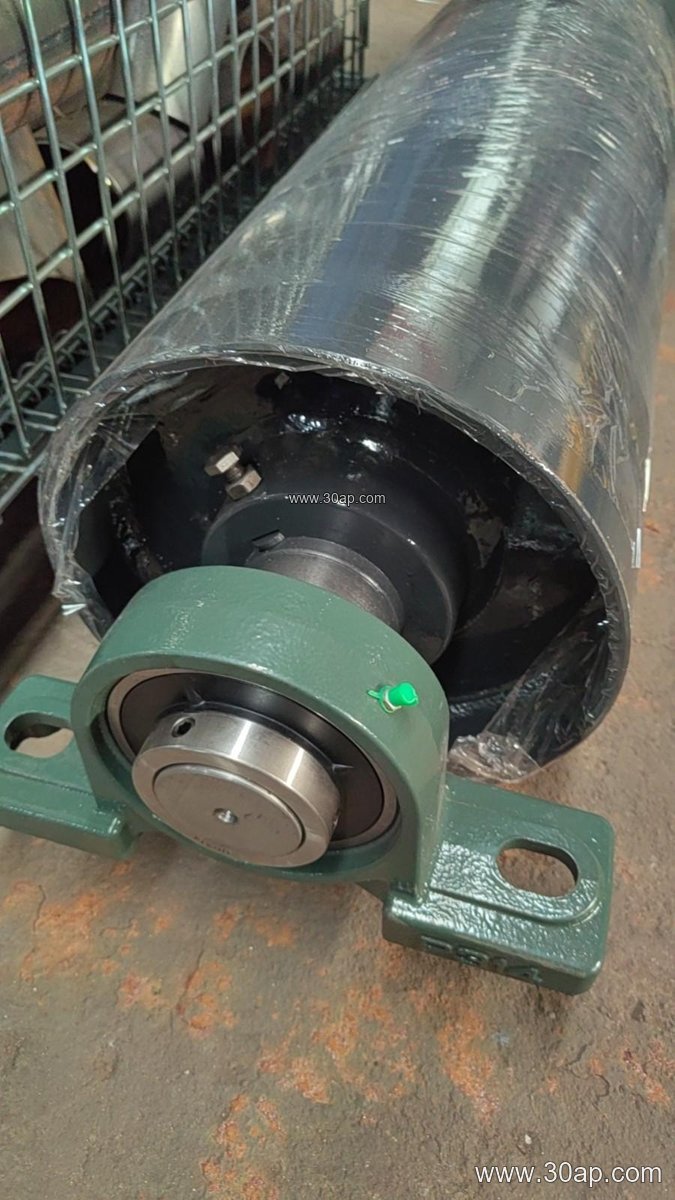
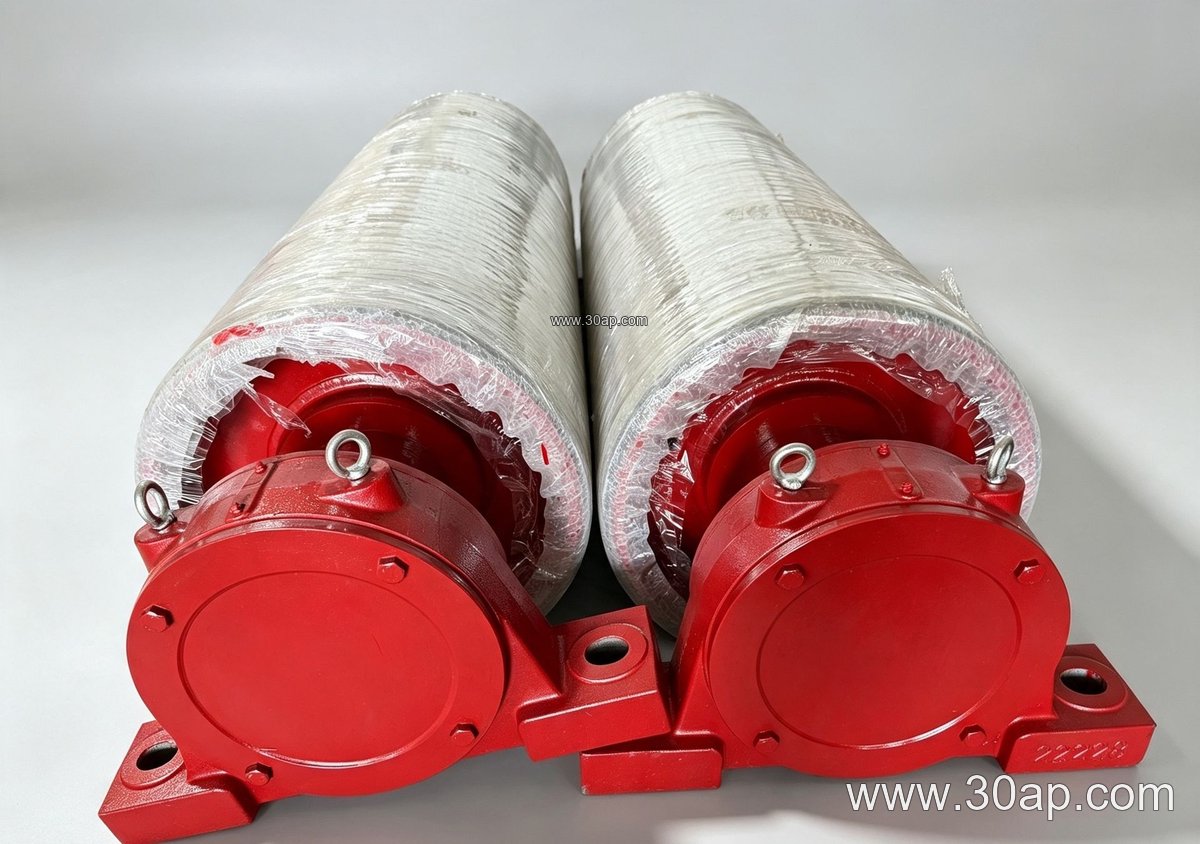
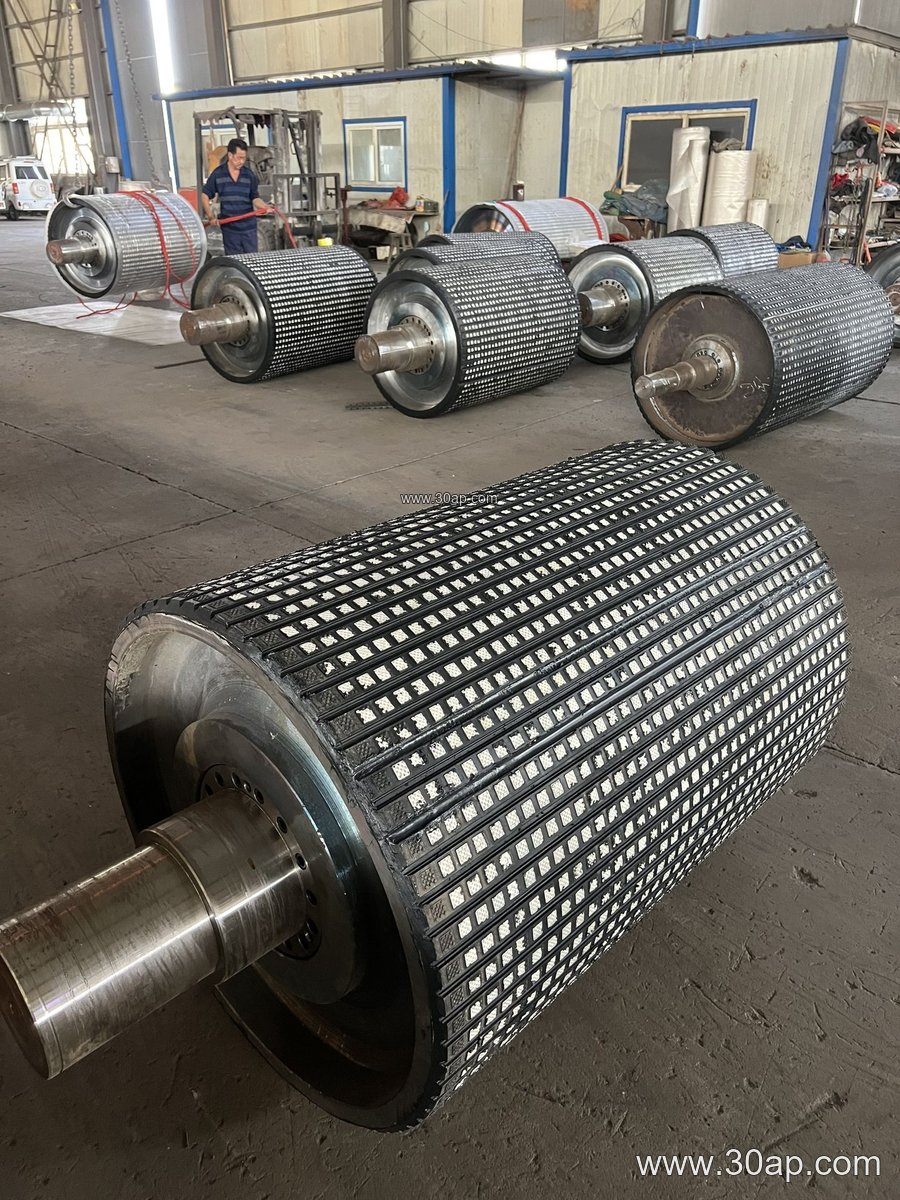
The pulley body is typically fabricated from rolled steel or cast iron, with shafts sized by torque and load rather than belt width alone. Common shaft diameters include Ø80, Ø100, Ø120, and Ø140 mm, but final selection depends on the conveyor design. Surface treatment matters for grip and wear: plain face, rubber lagging, diamond lagging, or ceramic lagging may be specified. Lagging thickness often falls in the 8–15 mm range, with 20 mm available for heavy-duty mining conveyors. The drum face width usually exceeds the belt width to allow for misalignment; for example, a B1200 belt may run on a pulley with roughly 1400 mm face width, while a B800 unit commonly uses about 950 mm.
Where It Fits in Bulk Handling
In a coal mining conveyor system, the take-up pulley is often located near the tail or at an intermediate tensioning station. In a cement plant’s clinker transport line, it helps absorb thermal elongation and keeps the belt tracking. Power plant coal handling and port ship-loading conveyors also rely on these drums to maintain consistent tension during variable loading. The pulley interacts with the conveyor belt, idler rollers, and brackets; poor take-up performance can cause belt wander, edge damage, or premature splice failure.
Matching the Pulley to the Belt and Duty
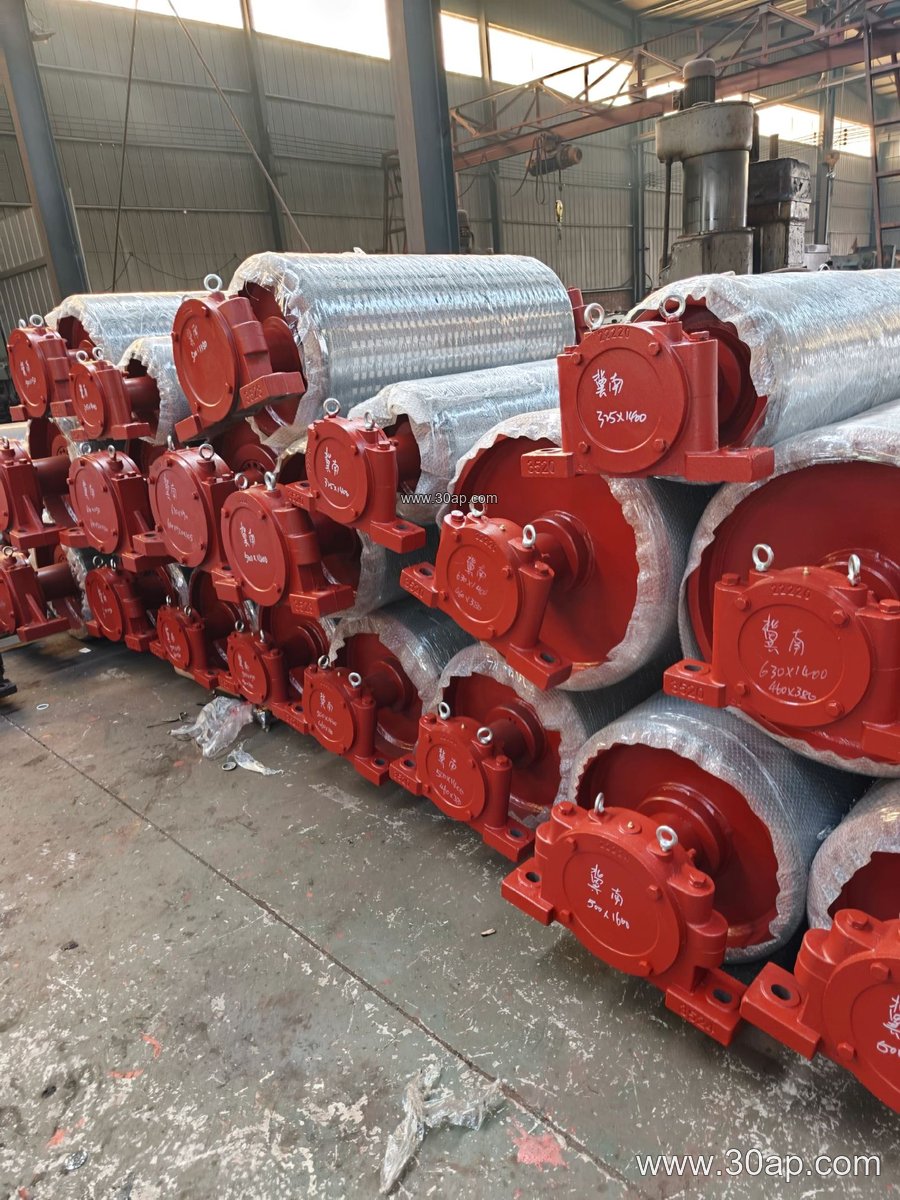
Selection starts with belt tension requirements and available travel. A heavy-duty mining conveyor belt, such as an EP200 or ST1600 steel cord belt, may need a larger diameter and heavier shaft than a lighter fabric core belt. Typical diameter options include Ø400, Ø500, Ø630, and Ø800 mm, but no single diameter is mandatory for a given belt width. For abrasive environments like iron ore or copper ore handling, lagged surfaces reduce slip. In food or clean applications, plain or rubber-lagged faces may be preferred. Always confirm the shaft diameter from torque calculations, not from belt width alone.
Buyer Checklist and Maintenance Notes
Before ordering, verify the take-up travel distance, bearing type, and mounting arrangement. Check that the pulley face width and lagging profile suit the conveyor belt and loading conditions. During operation, inspect lagging wear, shaft alignment, and slide movement regularly. In dusty quarries or coal mines, keep the take-up mechanism clean to avoid jamming. If the belt shows uneven tension or tracking issues, the take-up pulley may need adjustment or resurfacing. Remember that drive, tail, and bend pulleys serve different roles and are not interchangeable with a take-up drum.