What a Ceramic Rubber Lagged Pulley Is
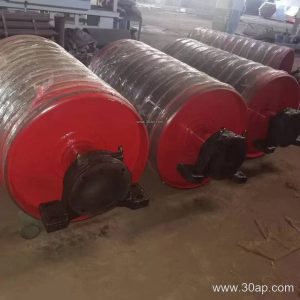
A ceramic rubber lagged pulley is a conveyor pulley whose shell is covered with a rubber lagging that has hard ceramic tiles embedded in a raised pattern. The rubber layer provides grip and cushioning, while the ceramics sit proud of the rubber and bite into the belt surface. This combination is usually chosen for drive pulleys where slip and abrasive carryback are both concerns. In many plants the same pulley is simply called a ceramic lagged pulley or a ceramic lagging drum, and those names refer to the same component.
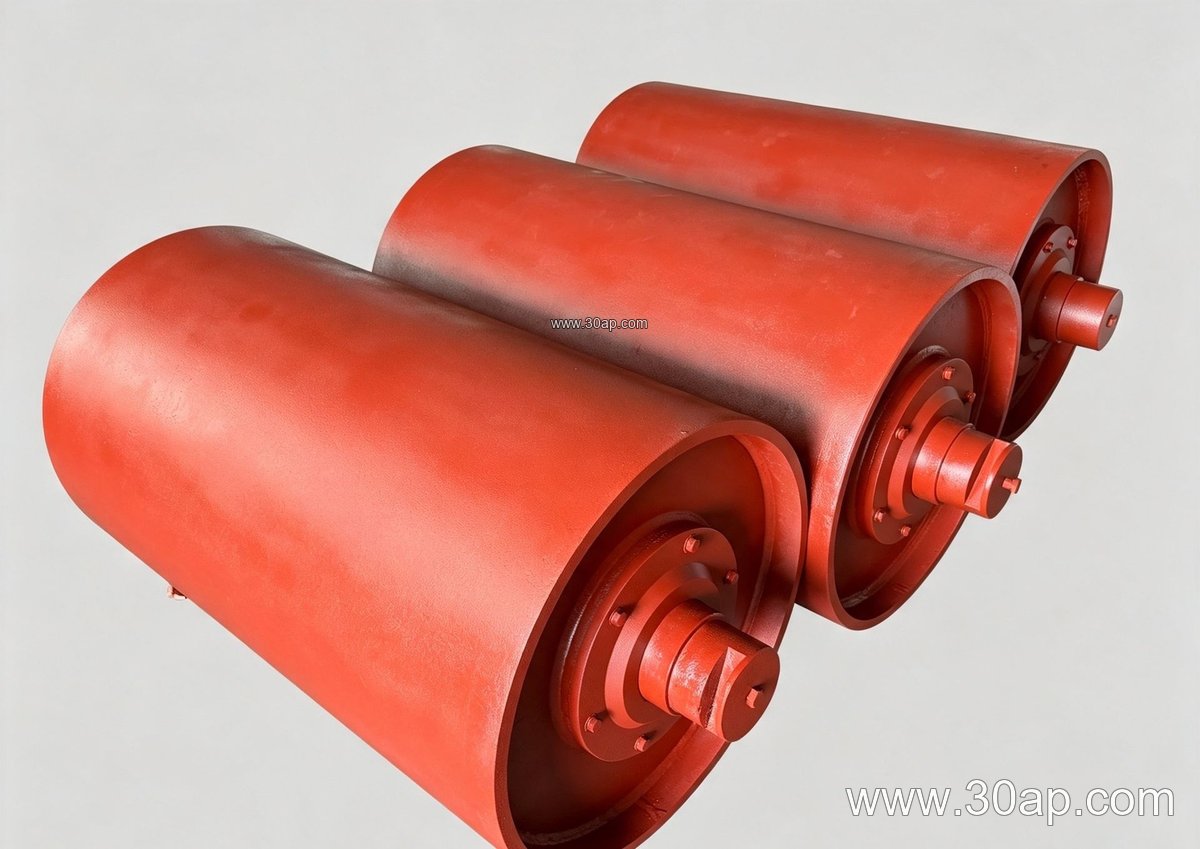
The pulley itself is a welded steel shell with end discs, a shaft, and bearing housings mounted on a conveyor bracket or frame. The lagging is applied to the shell and then vulcanised or bonded so the tiles stay locked in place under torque. Because the ceramic pads are the contact points, the rubber between them can flex and shed fines instead of polishing smooth.
How the Lagging Is Built
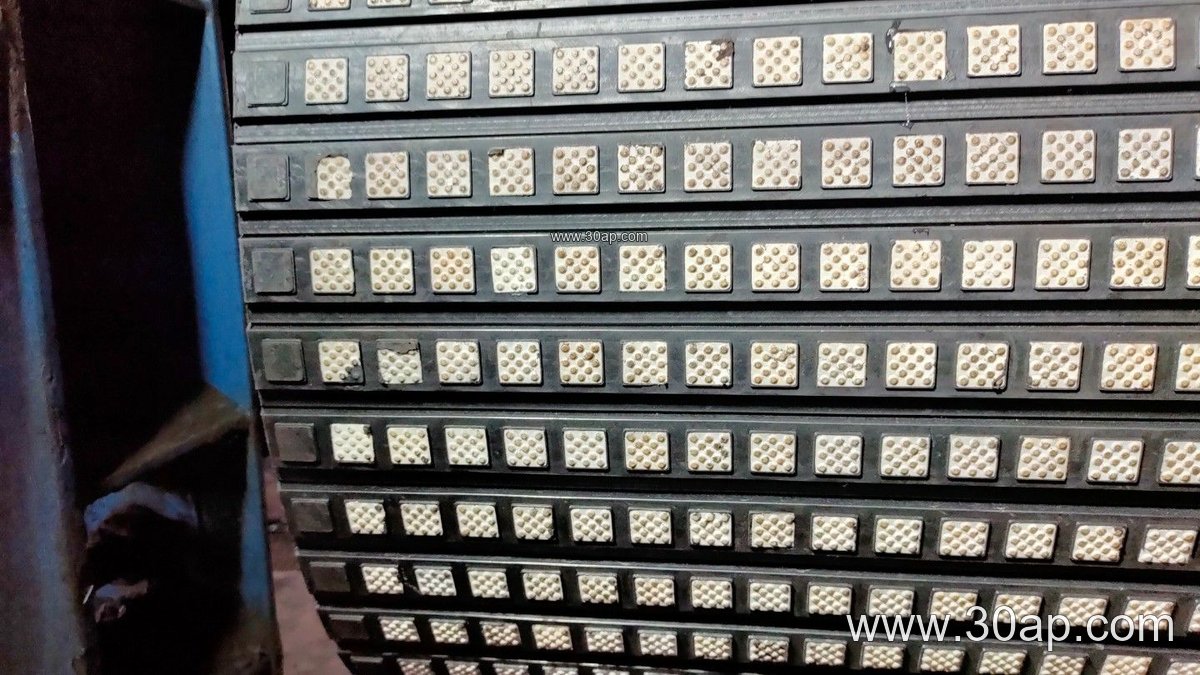
There are two common constructions. In one, ceramic tiles are bonded into a rubber sheet that is then wrapped and vulcanised onto the shell. In the other, the rubber is applied first and the tiles are set into it before curing. Both aim for the same result: tiles held at a consistent height, with rubber channels between them for drainage and release of grit.
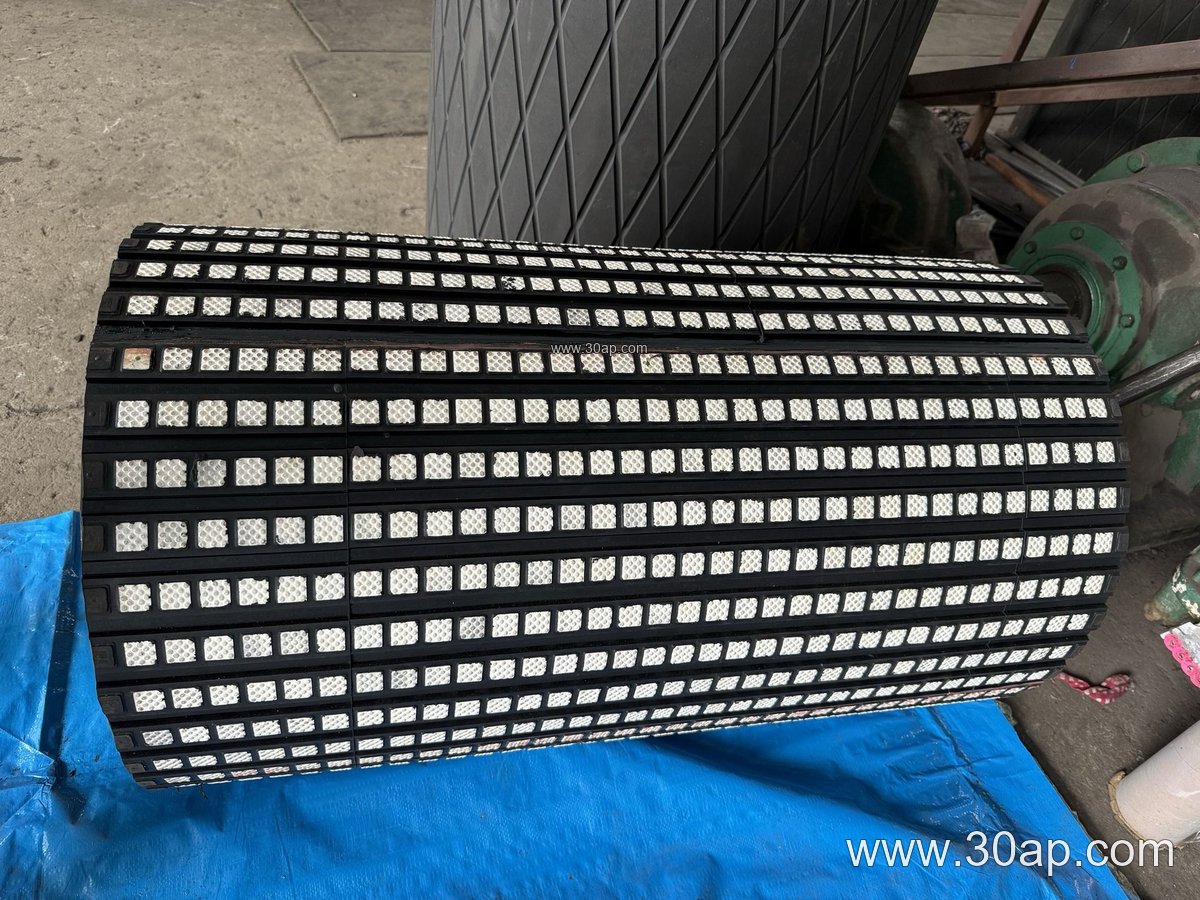
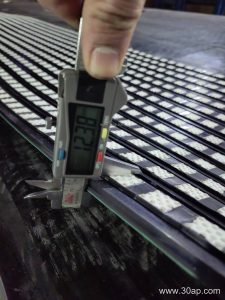
The tile pattern matters. Interlocking or diamond arrangements are common on drive pulleys, while plain or grooved rubber may be preferred on a tail pulley where cleaning and self-release are more important than grip. Lagging thickness is normally stated in millimetres and depends on the duty; thicker covers suit larger shells and heavier belts, but the right figure comes from the pulley designer, not from a table.
Where It Fits on the Conveyor
The most frequent position is the head or drive pulley of a heavy-duty conveyor. On a quarry conveyor belt carrying blasted rock, or a crusher conveyor belt fed with coarse aggregate, the drive pulley must transmit high torque without polishing the belt cover. A ceramic rubber lagged pulley keeps friction stable when the belt is damp or dusty.
It also appears in coal mining conveyor belt systems and power plant coal conveyor lines, where fine dust and moisture reduce the grip of plain steel shells. In a cement plant, clinker and limestone dust behave the same way. The pulley is less common on bend pulleys and take-up pulleys, where a plain or standard rubber lagging usually does the job; a ceramic face is reserved for positions where slip would cost production.
Belt Width, Shell Diameter and Shaft Size
Buyers often ask for a pulley by belt width alone. That is a starting point, not a specification. The shell face width is normally slightly wider than the belt, and the diameter is set by the belt tension, the wrap angle and the allowable surface pressure. A B800 belt might run on a Ø500 or Ø630 shell depending on the drive layout, and a B1200 conveyor could use Ø800 or Ø1000. Neither combination is fixed.
Shaft diameter follows torque and bearing load. Common shaft sizes include Ø80, Ø100, Ø120, Ø140 and Ø160, but the correct value must come from the drive calculation. The table below shows typical reference pairings only.
| Belt width | Typical shell face | Reference shell diameter | Reference lagging thickness |
|---|---|---|---|
| B650 | about 750 mm | Ø400 to Ø500 | 10 to 12 mm |
| B800 | about 950 mm | Ø500 to Ø630 | 10 to 15 mm |
| B1000 | about 1150 mm | Ø630 to Ø800 | 12 to 15 mm |
| B1200 | about 1400 mm | Ø800 to Ø1000 | 15 mm |
| B1400 | about 1600 mm | Ø1000 to Ø1250 | 15 to 20 mm |
These are reference ranges for discussion, not a supply promise. A short centre distance, a high wrap angle or a reversing duty can move the choice well outside them.
Matching the Pulley to the Belt
The lagging and the belt cover work as a pair. A high abrasion resistant conveyor belt with a tough top cover tolerates ceramic contact well. A heat resistant conveyor belt or a flame retardant conveyor belt used in underground coal mining conveyor duty needs a lagging compound that suits the same environment, and the belt supplier should confirm compatibility. On steep inclines, a chevron conveyor belt or a corrugated sidewall conveyor belt changes the contact pattern, so the pulley face and the belt profile must be checked together.
For long overland lines using steel cord conveyor belt or a multi-ply fabric core conveyor belt, the drive pulley usually carries the highest tension in the system. That is where ceramic lagging earns its place. On a pipe conveyor belt, the pulley geometry is different and the lagging choice should follow the manufacturer’s design.
Buyer Checklist
- State the position: head, tail, take-up, bend or snub. A drive pulley and a bend pulley are not interchangeable, and the lagging should reflect the duty.
- Give belt width, belt type and belt tension range, not just a single dimension.
- Confirm lagging thickness and tile pattern with the pulley maker.
- Ask how the tiles are bonded and whether the lagging can be replaced in the field.
- Check shaft diameter against the actual torque and bearing selection.
- Plan inspection: worn or missing tiles reduce grip quickly and should be replaced before the rubber underneath is damaged.
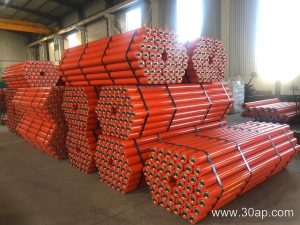
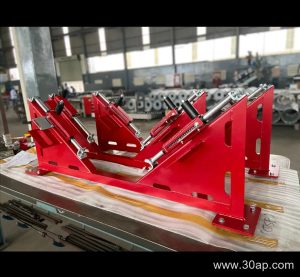
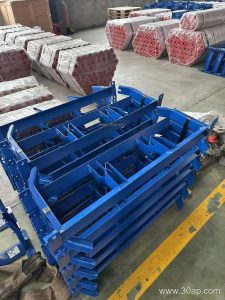
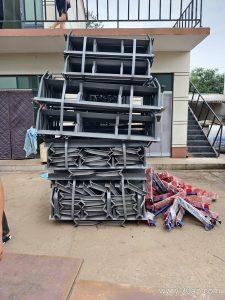
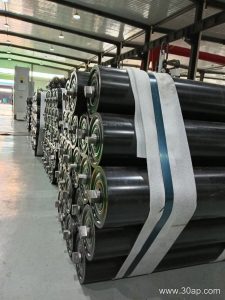
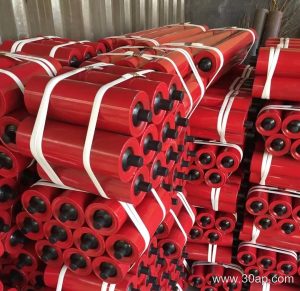
Related items such as the idler roller, conveyor bracket and the conveyor belt itself all influence how long a lagged pulley lasts. A pulley is only as good as the alignment and cleaning around it, so keep the belt tracking straight and the scraper working. For more on conveyor pulley and belt selection, see the resources at china-conveyorbelt.com and belt-conveyor-idler.com.