What a Dustproof and Waterproof Idler Is
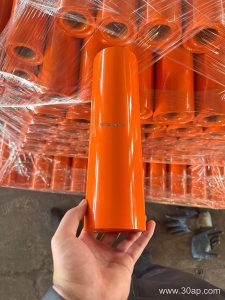
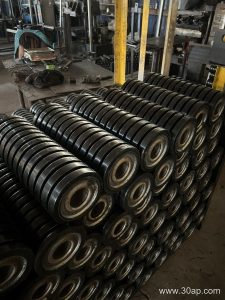
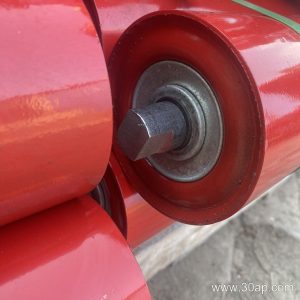
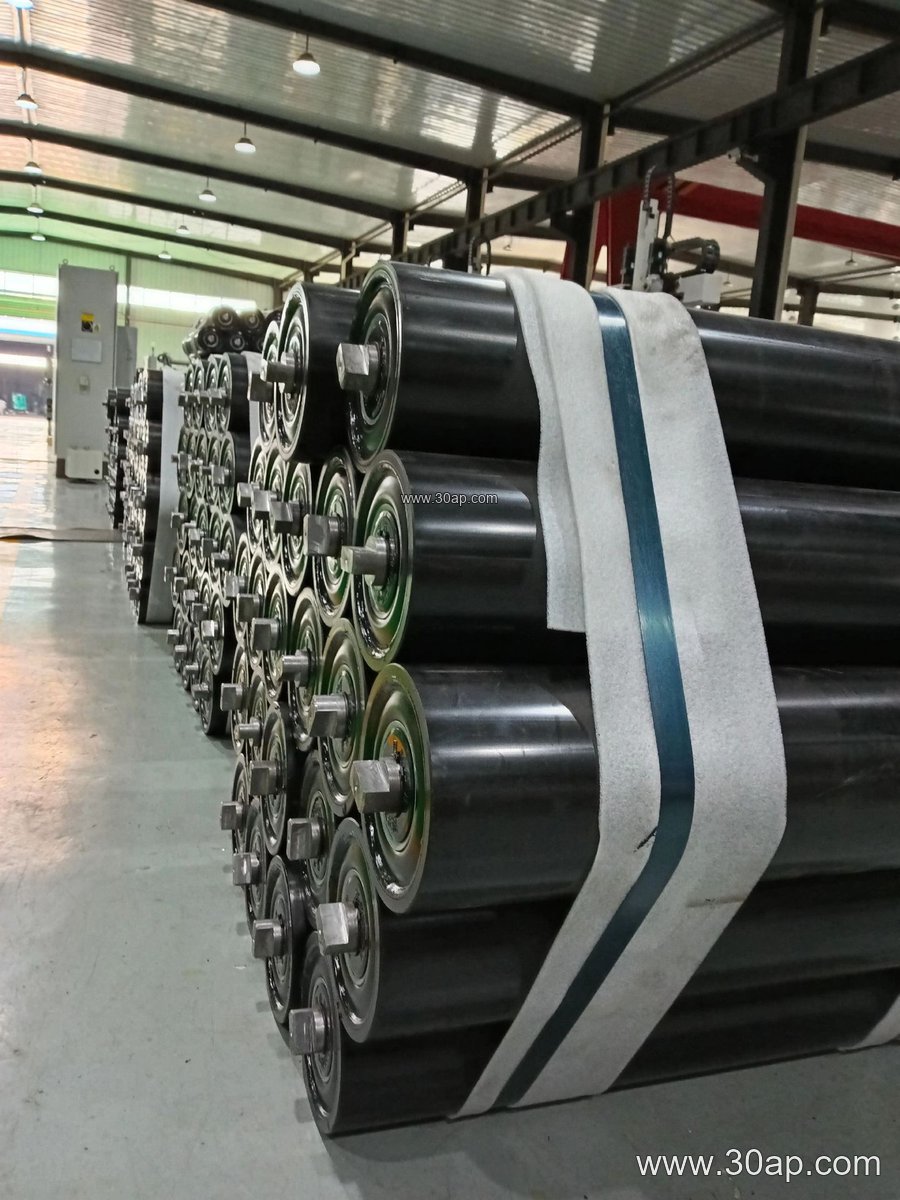
On a conveyor line, a dustproof and waterproof idler is a carrying or return roller built to keep fine dust and water away from its bearings. It looks much like a standard idler roller, but the sealing arrangement is the difference. In a quarry, a tunnel, or a coal washing plant, fine grit and spray reach the roller shell every shift. A sealed idler is designed so that this material does not work its way into the bearing cavity and shorten service life.
How the Sealing and Construction Work
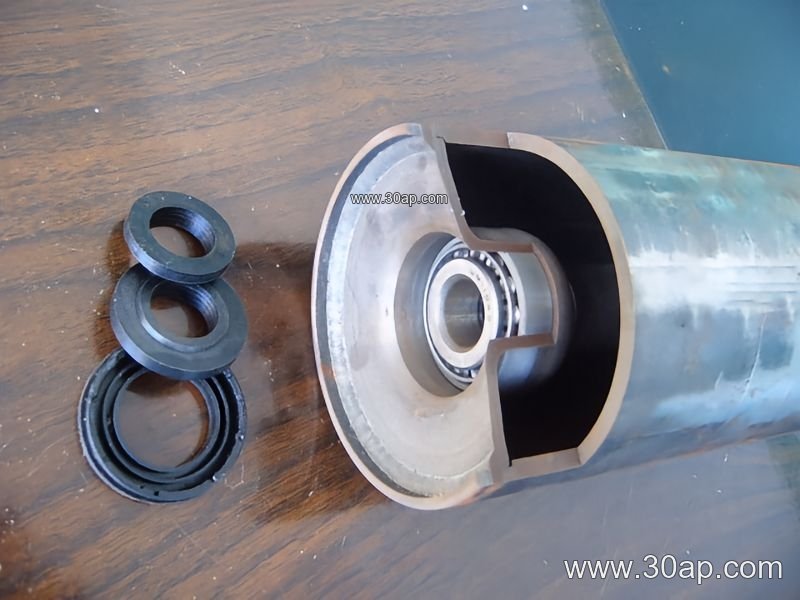
A sealed roller usually combines a labyrinth seal with an outer lip seal, backed by grease. The labyrinth path makes it hard for particles and water droplets to travel straight to the bearing. The shell, shaft, and bearing housing are assembled as a compact unit. Common bearing sizes in this range include 6204, 6205, 6305, 6306, 6308, and 6310. A given shell diameter may accept more than one bearing size, so the bearing should be selected with the load and the roller design rather than on its own.
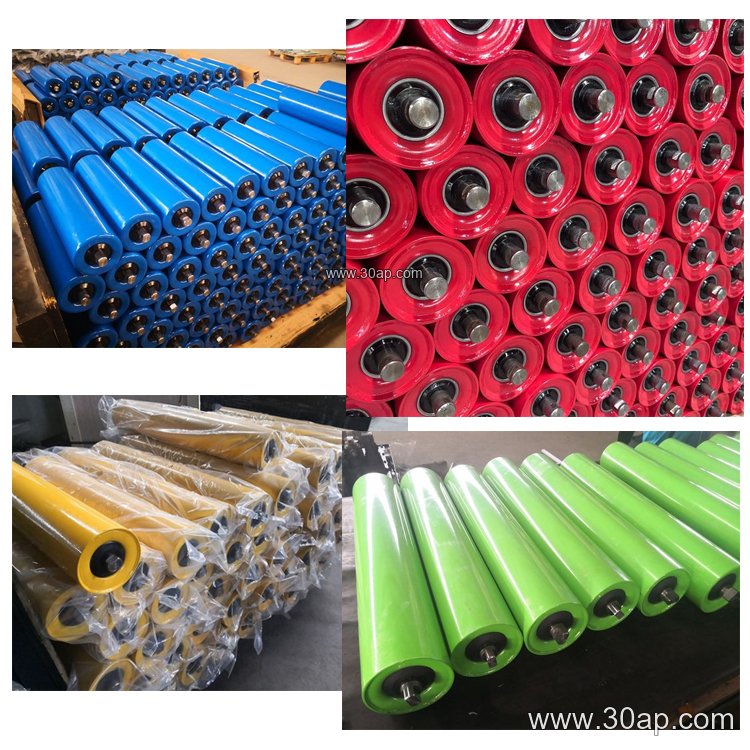
Roller diameters typically run from Ø63 up to Ø219, and the shell can be steel tube, nylon, or a rubber-covered version for impact zones. The right choice depends on belt speed, material weight, and moisture level. A well-sealed roller still needs correct mounting, since a badly aligned conveyor bracket can load the bearings unevenly and reduce the benefit of the seal.
Where It Fits on the Conveyor
Sealed idlers are used on the carrying side and the return side, in troughing sets and in flat or V-return sets. In a sand and gravel line with wash water, or in a cement plant where dust is constant, the payoff is longer intervals between roller replacements. They also suit transfer points where a skirted conveyor belt drops material and releases a cloud of dust.
For comparison, a cushion idler with rubber rings is chosen to absorb impact at the loading point, while an aligning idler controls belt tracking. These are different duties. A dustproof and waterproof idler is about protecting the bearing from the environment, not about impact or tracking on its own.
Sizes and Reference Data
Roller length changes with belt width, trough angle, and idler set form. The figures below are common examples for three-roll troughing sets, not fixed rules; side rollers and center rollers can differ.
- B500: roller length about 200 mm
- B650: roller length about 250 mm
- B800: roller length about 315 mm
- B1000: roller length about 380 mm
- B1200: roller length about 465 mm
- B1400: roller length about 530 mm
- B1600: roller length about 600 mm
- B1800: roller length about 670 mm
- B2000: roller length about 750 mm
Trough angles are usually 20, 30, 35, or 45 degrees. A forward tilt of about 1.5 to 2 degrees is sometimes used in aligning or training positions. The belt width and the roller diameter are separate decisions, so a wide belt does not automatically dictate one shaft size.
Matching the Idler to the Belt and the Job
The conveyor belt itself tells you a lot. A heavy-duty mining conveyor belt or an abrasion resistant conveyor belt moving ore at high tonnage puts more load on the rollers. A heat resistant conveyor belt in a sintering area may need a roller whose grease can tolerate warmth. On a pipe conveyor belt or a corrugated sidewall conveyor belt, the roller layout is different and the seal still matters. In a coal mining conveyor belt installation, flame retardant conveyor belt and anti-static conveyor belt grades are often specified for safety, and the idler should be chosen to match the same environment.
Buyers should ask about seal type, bearing size, shell thickness, and the grease used. It also helps to confirm the roller length, diameter, and shaft end design against the existing conveyor bracket. For wider lines, such as a 1200mm conveyor belt or a 1800mm conveyor belt, check that the roller set is rated for the belt load rather than copied from a smaller line.
Maintenance Notes
Sealed rollers are not maintenance-free. Listen for squealing or rumbling, watch for a roller that stops turning, and check for material buildup on the shell. Replace a seized roller promptly so it does not wear the belt surface. Keeping the conveyor bracket clean and the belt tracking straight helps the seals last. In a power plant coal yard or a limestone quarry, a short monthly walk-down often catches problems before they stop the line.