What a Conveyor Drive Pulley Does
A conveyor drive pulley is the powered drum at the head of a belt conveyor that transfers torque from the gearbox or motor to the conveyor belt. It is often called the head pulley or drive drum, and it is the component that actually pulls the belt forward. Tail pulleys, bend pulleys and take-up pulleys guide or tension the belt but do not drive it, so they cannot be substituted for the drive pulley in a system design.
In a typical arrangement the drive pulley sits at the discharge end, with the belt wrapping around it at a contact arc determined by the layout. Friction between the pulley surface and the belt cover is what moves the load, so shell diameter, lagging type and wrap angle all matter together.
How the Drive Pulley Is Built
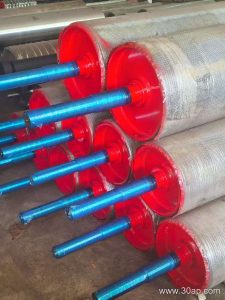
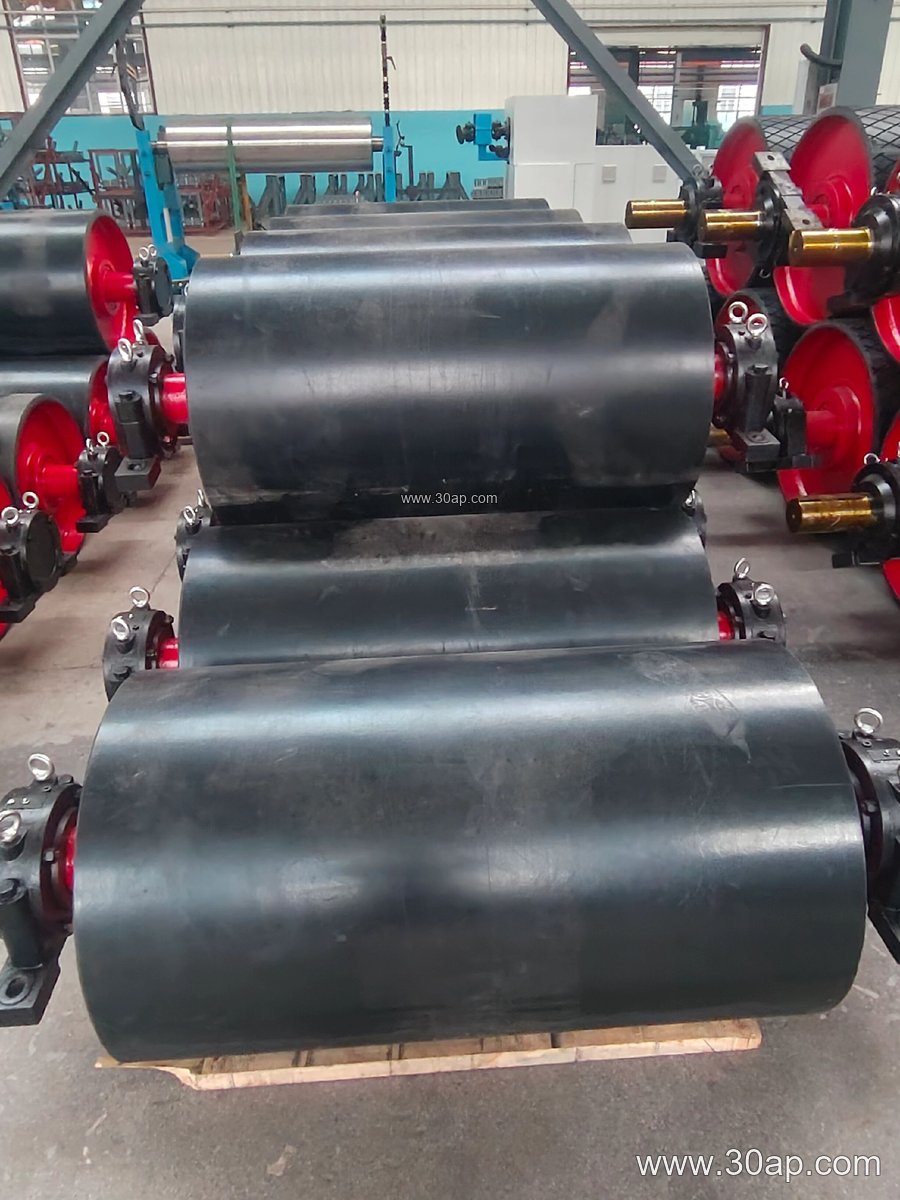
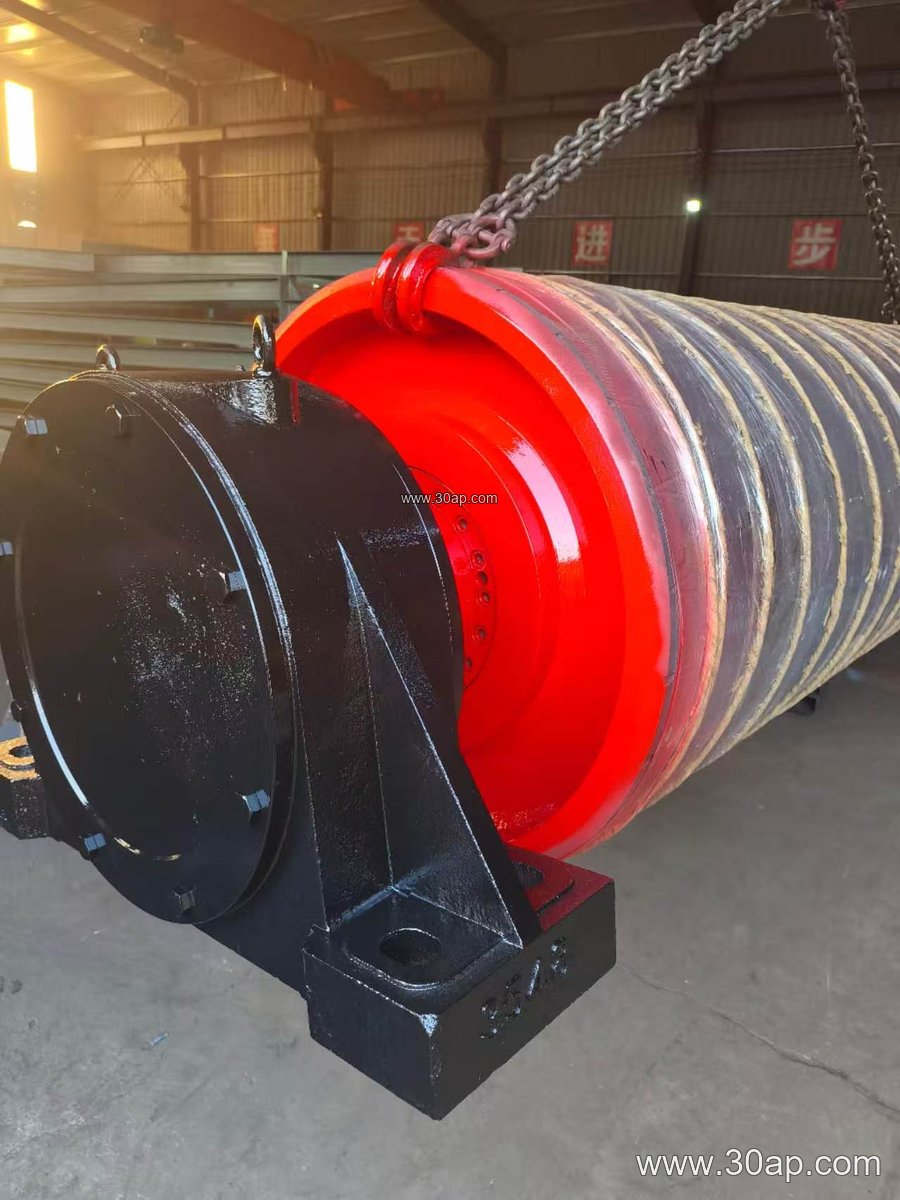
The assembly usually consists of a cylindrical shell, two end discs, a shaft, hub connections and a lagging layer. The shell is commonly rolled steel, machined for balance and concentricity. Shafts are sized by torque and radial load rather than belt width alone, with common diameters including Ø80, Ø100, Ø120, Ø140, Ø160 and Ø180 mm depending on the duty.
Lagging protects the shell and raises friction. Plain, cast rubber, cold-bonded rubber, hot-vulcanized rubber, diamond pattern, herringbone and ceramic lagging are all used, with thicknesses often 8, 10, 12, 15 or 20 mm. Diamond and herringbone grooves help shed water and fines, while ceramic tiles suit high-wear duty in iron ore or copper ore handling where slip and abrasion are both concerns.
Matching the Pulley to the Belt and the Line
Belt width and pulley face width are linked but not identical. The face is normally wider than the belt so the belt can track without edge damage. Some common combinations are shown below; these are reference examples, not fixed rules.
- B500 belt with roughly 600 mm face and Ø400 mm shell
- B800 belt with roughly 950 mm face and Ø500 mm shell
- B1200 belt with roughly 1400 mm face and Ø1000 mm shell
- B1400 belt with roughly 1600 mm face and Ø800 mm shell
- B2000 belt with roughly 2200 mm face and Ø1250 mm shell
A given belt width can work with more than one shell diameter. The choice depends on belt tension, wrap angle, belt speed and the space available at the head station. Heavier belts such as ST1600 or ST2000 steel cord constructions usually call for larger diameters to keep bend stress within the belt maker’s limits, while an EP1000 or NN300 fabric belt on a shorter run may use a smaller drum.
Where It Is Used
Drive pulleys appear wherever bulk material has to be moved continuously. In a limestone quarry or aggregate line they sit at the discharge of primary and secondary crushing circuits, often paired with a heavy-duty abrasion resistant conveyor belt. In a coal washing plant or power station coal yard, flame retardant and anti-static belt grades are common, and the drive drum is usually lagged to maintain grip in damp conditions.
Cement plants use them on clinker and raw meal lines, where heat resistant belt grades and dust-tight bearing housings help. Port bulk terminals handling iron ore or copper ore concentrate favor large diameter pulleys with ceramic lagging, and the same approach works on ship loading conveyors. In a tunnel spoil line or a fertilizer warehouse, compact drive drums with rubber lagging keep the belt running without slip.
What Buyers Should Check
Before ordering, confirm the belt width, the required shaft diameter, the lagging type and thickness, and the bearing and bracket interface. The conveyor bracket and bearing housing must match the shaft and the frame, and the pulley should be balanced for the intended belt speed. Ask for the calculated wrap angle and the expected belt tension so the lagging choice is not guesswork.
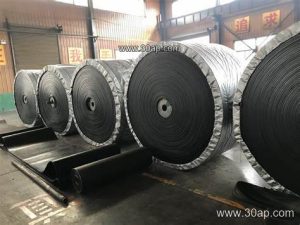
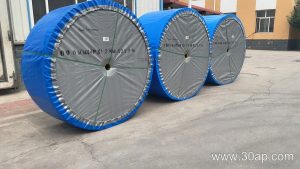
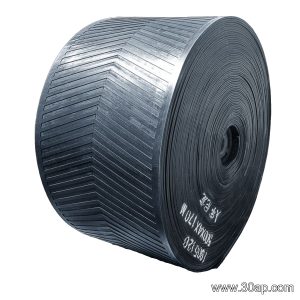
Also review the belt it will run with. A pipe conveyor belt or a corrugated sidewall belt may need a different pulley face and edge treatment than a flat EP conveyor belt. For abrasive duties such as quarry conveyor belts or crusher conveyor belts, thicker lagging and wear-resistant covers pay back over time. Maintenance teams should check lagging wear, bolt tightness and shaft alignment at each shutdown, since a worn drive pulley is a common cause of belt slip and tracking problems.