What Is a Conveyor Belt Tracking Idler?
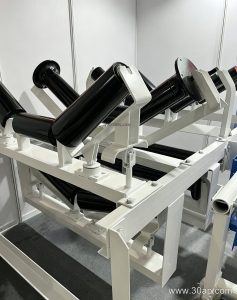
A conveyor belt tracking idler is a specialized roller assembly designed to keep the conveyor belt centered on its path. Unlike standard carrying or return idlers, tracking idlers are mounted on pivoting frames or have angled rollers that automatically correct belt misalignment. In industries such as coal mining, cement plants, and aggregate quarries, a misaligned belt can cause spillage, edge damage, and costly downtime. The tracking idler addresses this by applying lateral force to guide the belt back to the center. Often referred to as a self-aligning idler or training idler, this component is critical for long overland conveyors and systems handling bulk materials like iron ore or crushed stone. For operations relying on a heavy-duty mining conveyor belt, proper tracking reduces wear on the belt edges and extends the life of the entire conveyor system. At www.beltconveyorparts.com, we often emphasize that tracking idlers are not a one-size-fits-all solution; their selection depends on belt width, load, and operating conditions.
How a Tracking Idler Works
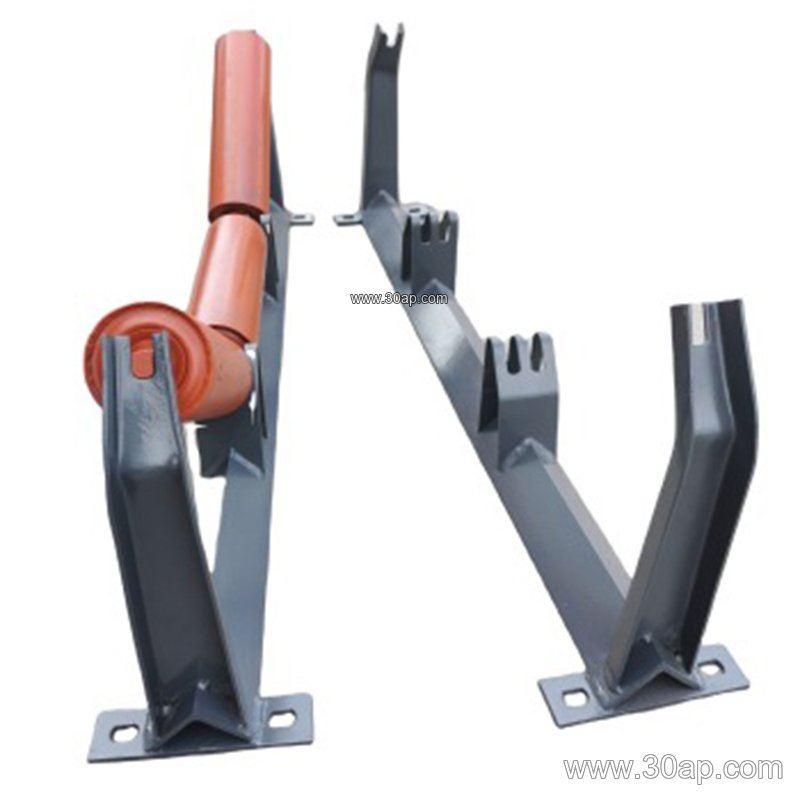
The core principle of a conveyor belt tracking idler is based on friction and pivot action. When the belt drifts to one side, it contacts the idler’s rollers, which are mounted at an angle. This contact generates a force that rotates the idler frame around its pivot point, steering the belt back toward the center. Common designs include friction self-aligning idlers, conical self-aligning idlers, and return side V-type tracking idlers. The friction type uses rubber or polyurethane rollers that grip the belt edge; the conical type relies on tapered rollers to create a differential speed that corrects alignment. In a coal mining conveyor belt system, where material load can be uneven, tracking idlers are often placed at intervals along the carrying side and on the return side to maintain continuous alignment. The effectiveness of a tracking idler also depends on the conveyor belt’s tension and the pulley alignment—drive, tail, and bend pulleys must be square to the belt line for tracking idlers to function optimally.
Construction and Key Components
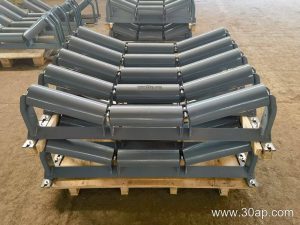
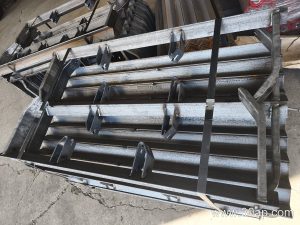
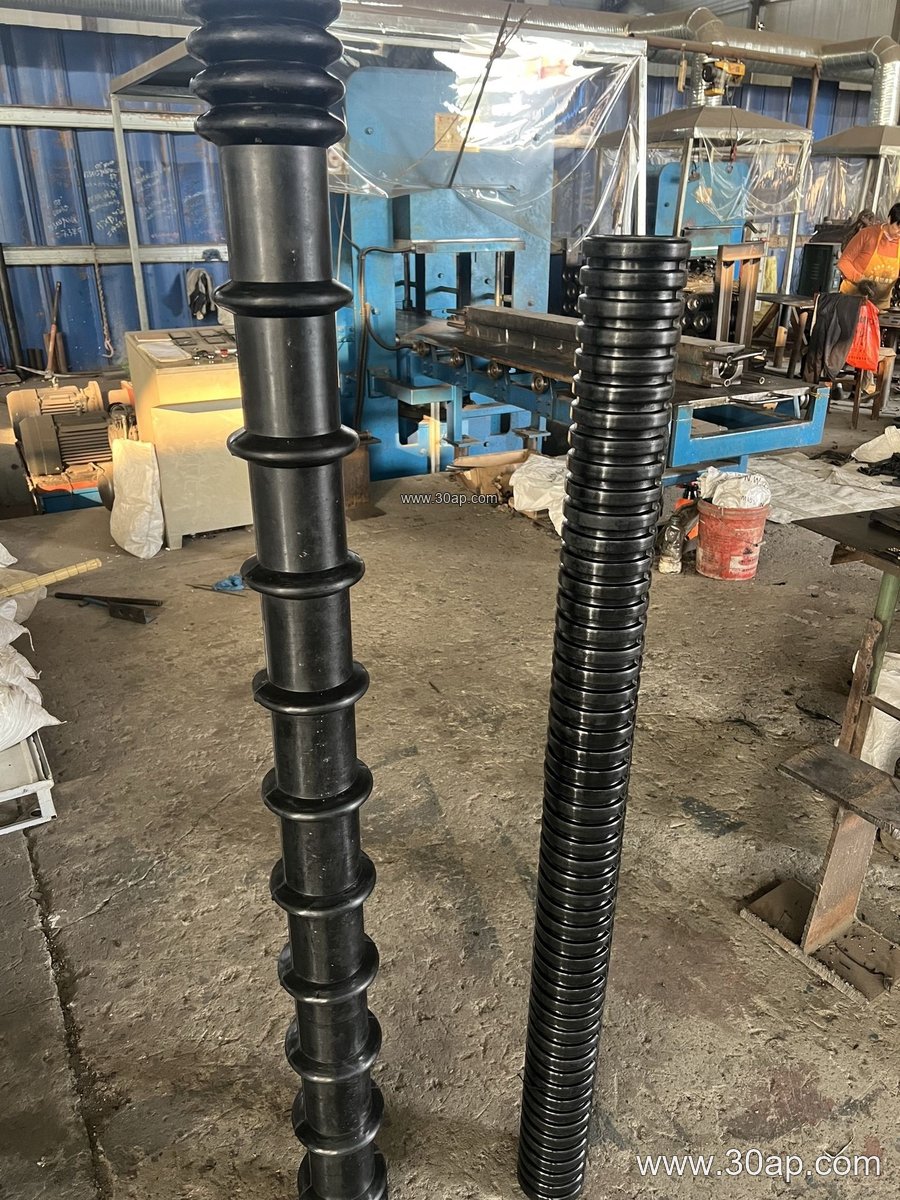
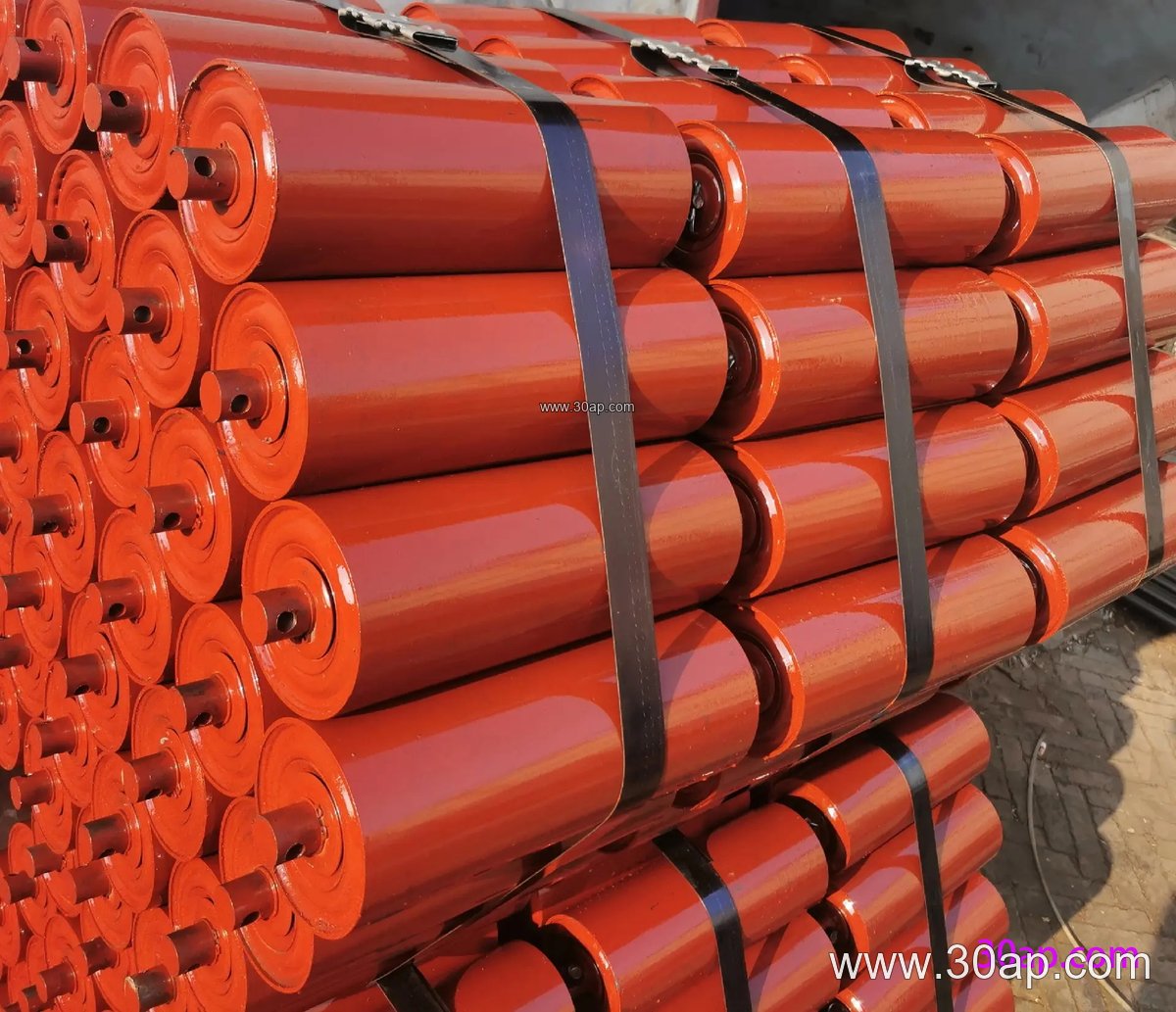
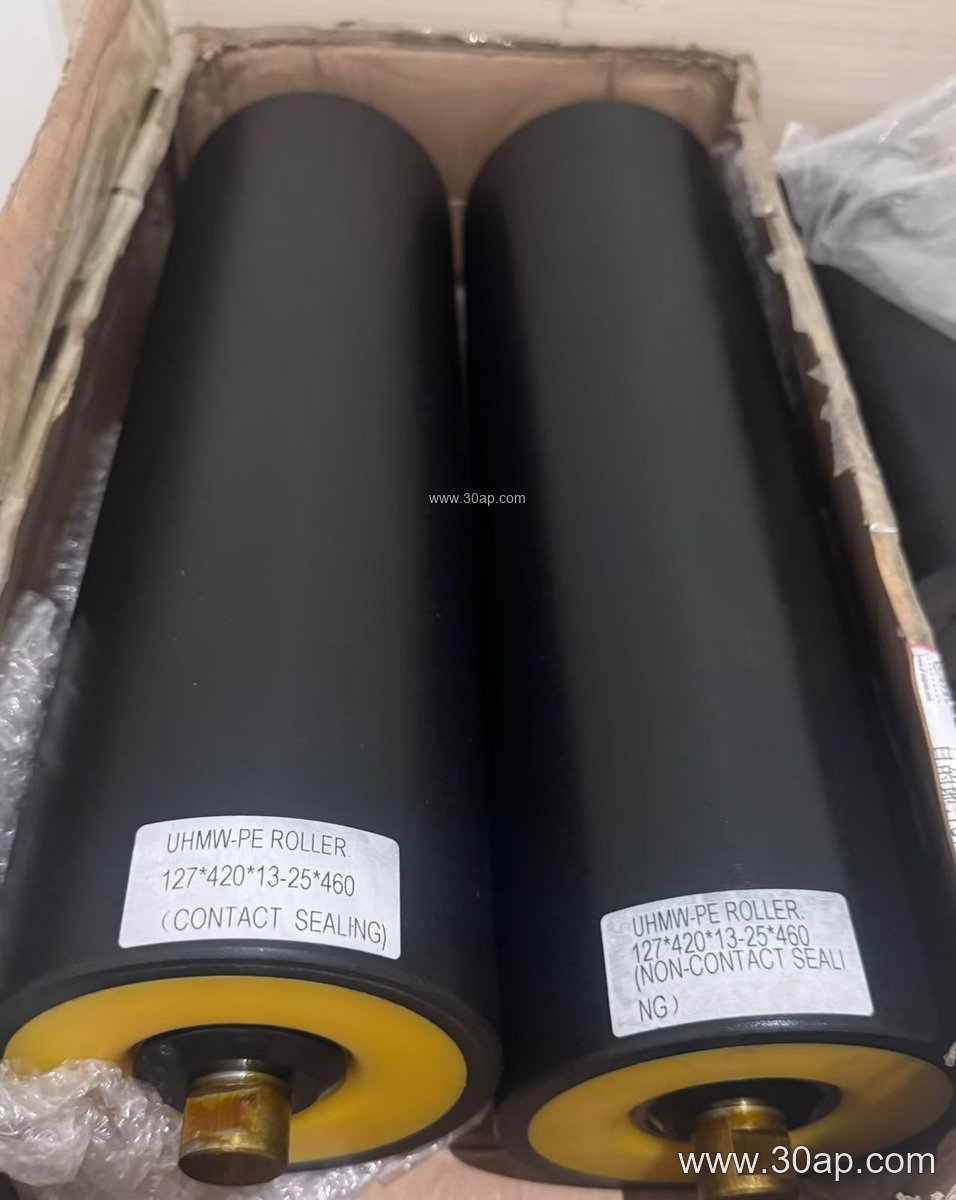
A typical conveyor belt tracking idler comprises a sturdy steel frame, one or more rollers, sealed bearings, and a pivot mechanism. The rollers may have a plain steel surface or be covered with rubber, ceramic, or nylon to suit different applications. For abrasive environments like a quarry conveyor belt, rubber-covered rollers offer better grip and wear resistance. Bearings such as 6205 or 6305 are common, but the exact bearing size is matched to the roller diameter and load rating—not dictated by belt width alone. Roller diameters for tracking idlers often range from Ø89 to Ø159, with lengths varying according to the belt width and trough angle. For example, a three-roll troughing set on a B1000 belt might use rollers around 380 mm long, while a B1400 belt could use 530 mm rollers. These are typical examples, not fixed rules; side rollers and center rollers may differ. The pivot mechanism is usually a maintenance-free bushing or bearing that allows smooth rotation with minimal play.
Where Tracking Idlers Are Used
Tracking idlers are indispensable in any conveyor system prone to belt misalignment. In a coal mining conveyor belt operation, they are installed at transfer points and along long runs to counteract the effects of off-center loading. In cement plants, tracking idlers on clinker conveyors help maintain belt stability despite high temperatures and abrasive dust. Aggregate operations, such as a stone crushing plant or sand making plant, use them on both the carrying and return sides of the conveyor belt. Port facilities handling bulk materials like iron ore or copper ore rely on tracking idlers to keep belts aligned during ship loading and unloading. Even in recycling and construction waste sorting, where belt tracking can be erratic due to varied material shapes, these idlers provide continuous correction. It is important to note that tracking idlers are not a substitute for proper conveyor pulley alignment; drive, tail, and bend pulleys must be correctly installed for the system to work harmoniously.
Selection and Maintenance Tips
Choosing the right conveyor belt tracking idler involves several factors. First, consider the belt width and trough angle: a B800 belt with a 35-degree trough may require a different idler configuration than a B1200 belt with a 45-degree trough. Second, assess the material being conveyed—abrasive materials like iron ore call for wear-resistant roller surfaces, while heat resistant conveyor belts may need idlers with high-temperature bearings. Third, check the conveyor belt type: for a steel cord conveyor belt, tracking idlers must be robust enough to handle high tension without deflection. Maintenance is straightforward: regularly inspect for roller seizure, frame damage, and bearing wear. Lubrication may be required for some bearing types, but sealed-for-life bearings are common. Keep the belt clean and ensure that the idler pivot moves freely. At www.beltconveyorparts.com, we recommend periodic alignment checks of the entire conveyor, including pulleys, to maximize tracking idler performance. For harsh environments like underground coal mining conveyor belts, flame retardant and anti-static properties of components should be considered where required. Remember that tracking idlers are one part of a well-designed conveyor system, working alongside conveyor pulleys, brackets, and idler rollers to ensure smooth operation.