What Is a Non-Standard Conveyor Bracket?
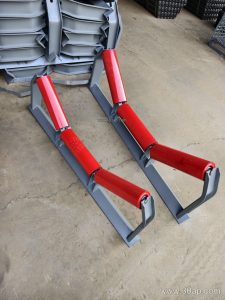
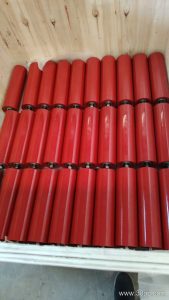
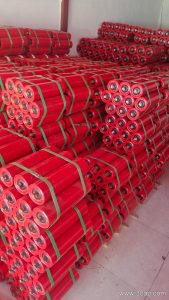
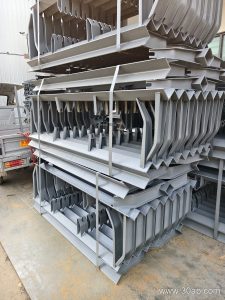
A non-standard conveyor bracket is a custom-engineered support component that holds idler rollers in place along a belt conveyor. Unlike catalog brackets made to fixed dimensions, these are designed to match specific belt widths, trough angles, roller diameters, and site conditions. They are common in quarry, iron ore, and cement plant conveyor systems where standard parts may not fit the existing structure or the material flow requires a special approach.
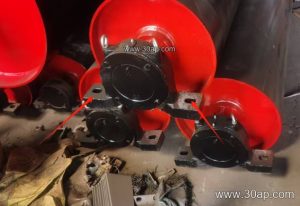
While the term might sound technical, the concept is simple: it is the interface between the roller and the conveyor frame. A well-designed bracket keeps the belt tracking smoothly, reduces vibration, and extends the service life of both the rollers and the conveyor belt.
Construction and Materials
Non-standard conveyor brackets are typically fabricated from angle steel, channel steel, or bent steel plate. The choice of material depends on the load and the environment. In a limestone mine or a power plant coal handling system, brackets may need extra thickness or protective coatings to resist dust and moisture.
Fabrication usually involves cutting, drilling, bending, and welding. Because these are non-standard, the mounting hole spacing and crossbeam length are determined by the actual belt width and trough angle. For example, a bracket for a B800 belt at 35 degrees will differ from one for a B1200 belt at 45 degrees. There is no universal fixed dimension; each project is made to order.
Where They Are Used
These brackets appear in many bulk material handling industries. In a sand and gravel line, they support troughing idlers that keep the conveyor belt in a stable shape. In a coal mining operation, heavy-duty brackets may be used with impact-resistant rollers at transfer points. Cement plants often require brackets that can handle abrasive dust, while port facilities may need corrosion-resistant designs for ship loading conveyors.
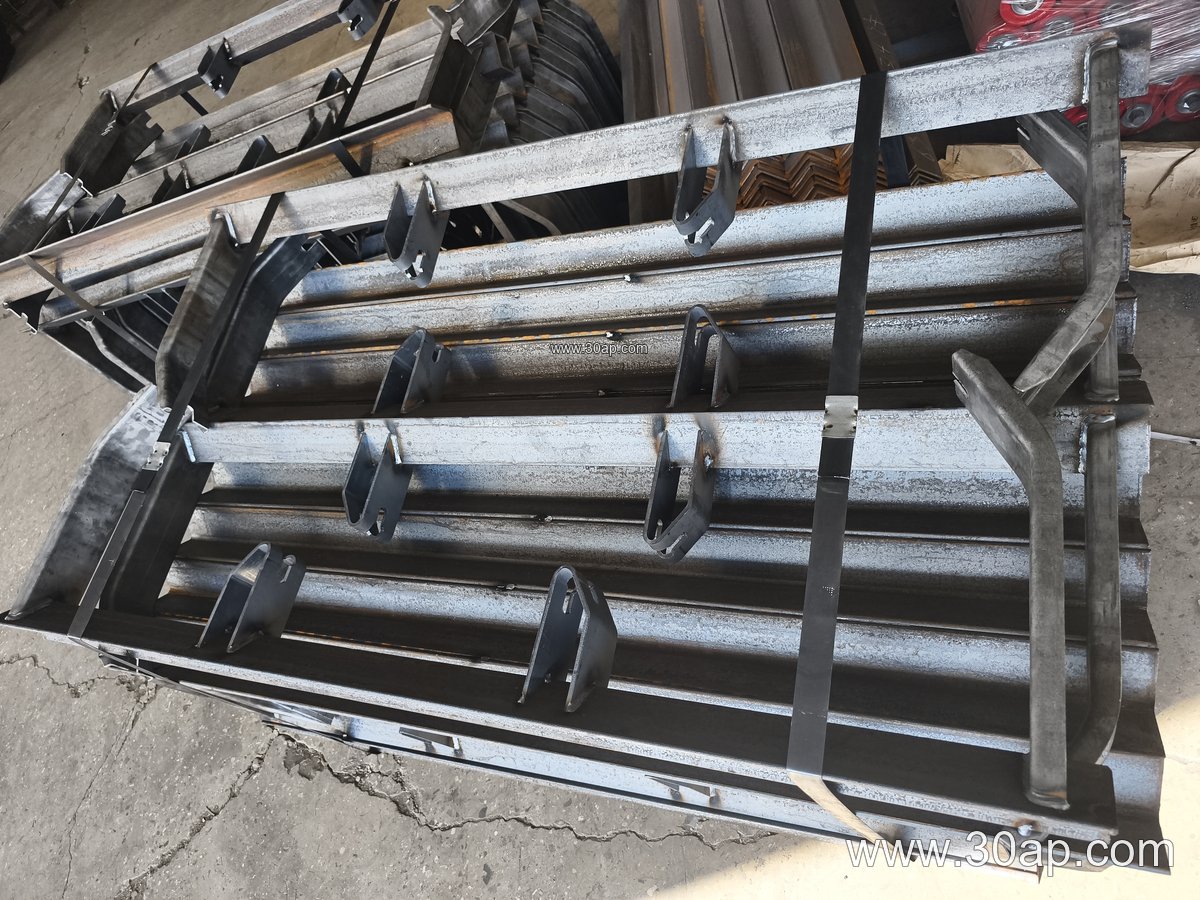
They are also found in steel plants, sinter plants, and crushing and screening circuits. In each case, the non-standard bracket is selected to fit the specific conveyor pulley layout, the belt width, and the roller diameter. For instance, a system using a 1200mm wide conveyor belt with Ø133 rollers will need brackets sized accordingly, but the exact hole pattern depends on the frame design.
Types and Configurations
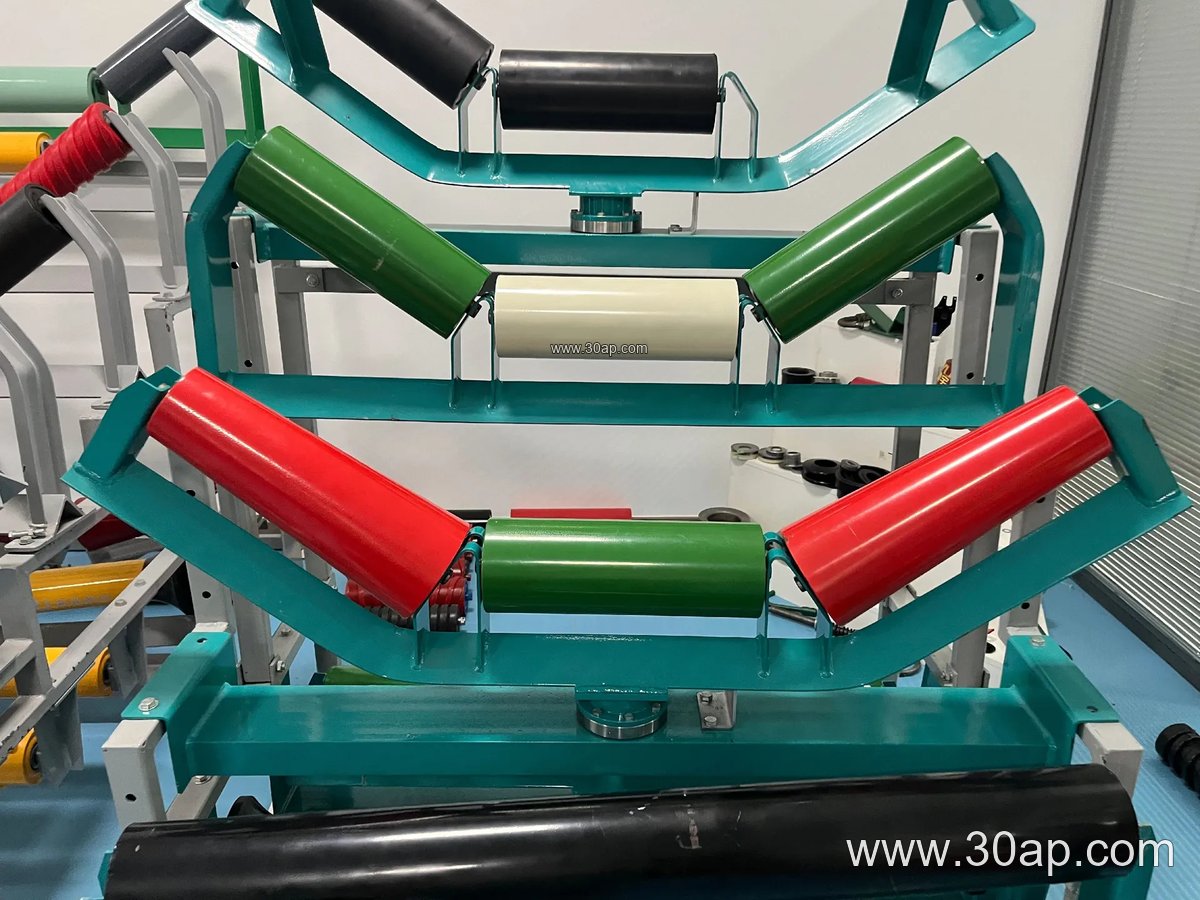
Non-standard brackets can be made for various roller arrangements. Common types include troughing brackets for carrying idlers, return brackets for lower rollers, and transition brackets near the head or tail pulley. Adjustable brackets allow the trough angle to be set between 20 and 45 degrees, which is useful when the same conveyor handles different materials.
Other configurations include V-return brackets, impact bracket sets for buffer rollers, and self-aligning brackets for training idlers. In some cases, a bracket may incorporate a 1.5 to 2 degree forward tilt to help with belt tracking. These variations are all custom-made to suit the conveyor’s needs.
Key Parameters to Consider
When specifying a non-standard conveyor bracket, several parameters matter. The table below lists typical reference values, but actual dimensions are always confirmed by design.
| Parameter | Common Reference Range |
|---|---|
| Belt width (B) | B500 to B2200 |
| Trough angle | 20°, 30°, 35°, 45° |
| Roller diameter | Ø89, Ø108, Ø133, Ø159, Ø194 |
| Material | Angle steel, channel steel, bent plate |
| Mounting hole spacing | Determined by belt width and angle |
It is important to note that belt width does not dictate a single roller diameter or trough angle. A B1000 belt might use Ø108 rollers at 30 degrees in one plant and Ø133 rollers at 35 degrees in another, depending on the load and belt speed. The bracket must be designed to match the actual roller and frame.
Buyer’s Checklist
Before ordering non-standard brackets, gather the following information: belt width, desired trough angle, roller diameter and length, mounting hole pattern, and the conveyor frame dimensions. Also consider the environment—abrasive dust, moisture, or extreme temperatures may call for specific steel grades or coatings.
Because these are custom parts, it is wise to request dimensional drawings for approval. This ensures the brackets will fit the existing conveyor pulley and idler roller locations. A small error in hole spacing can cause installation delays.
Maintenance and Compatibility
Non-standard brackets should be inspected periodically for wear, corrosion, and loose bolts. In a quarry or mining conveyor, high abrasion resistant conveyor belt and heavy-duty idler roller may be used together with robust brackets to handle continuous operation. When replacing a bracket, always verify that it matches the current roller diameter and belt width—do not assume that a bracket from one conveyor will fit another.
For systems using specialty belts such as a heat resistant conveyor belt or an oil resistant conveyor belt, the bracket material and coating may need to withstand elevated temperatures or chemical exposure. Similarly, in coal mining conveyor belt applications, flame retardant properties of the belt are critical, but the bracket itself must also be robust enough for the duty.
In summary, a non-standard conveyor bracket is a tailored solution that keeps rollers aligned and the belt running smoothly. By understanding the application and providing accurate dimensions, buyers can ensure a proper fit and long service life.