What an Endless Conveyor Belt Is
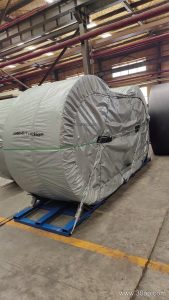
An endless conveyor belt is a belt that has been joined into a continuous loop before installation, so the finished belt has no mechanical fastener in the running direction. Instead of being clipped together on site with metal hinges or plates, the belt ends are spliced permanently, usually by vulcanization. The result is a smooth, closed loop that runs over the head or drive pulley, the tail pulley, and any bend pulleys on the return side. Because the splice is cured rather than bolted, the belt can pass cleaning devices, skirtboards, and transition zones without the repeated impact and snagging that open-ended fasteners can cause.
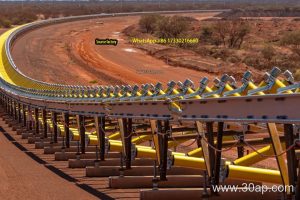
This construction is common wherever a conveyor is expected to run for long periods with minimal stoppages. Mines, coal preparation plants, cement works, power stations, quarries, sand and gravel yards, ports, and bulk handling terminals all use endless belts on critical circuits. Whether the carcass is an EP Conveyor Belt, an NN Conveyor Belt, a Steel Cord Conveyor Belt, or a rubber-covered fabric design, the endless format is about how the belt is finished, not about the carcass family itself.
How the Loop Is Built
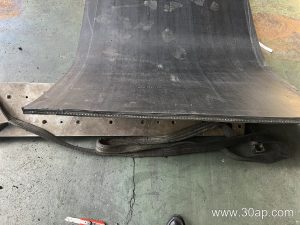
An endless belt starts as a length of belt cut to the exact centerline distance of the conveyor, plus the splice allowance. The ends are stepped or finger-jointed so the plies interlock, then the joint is pressed and heated under controlled temperature and pressure. For fabric carcasses the steps usually match the number of plies, which is commonly two to six layers depending on duty. For steel cord belts, the cords are separated and re-laid in a staggered pattern before vulcanizing.
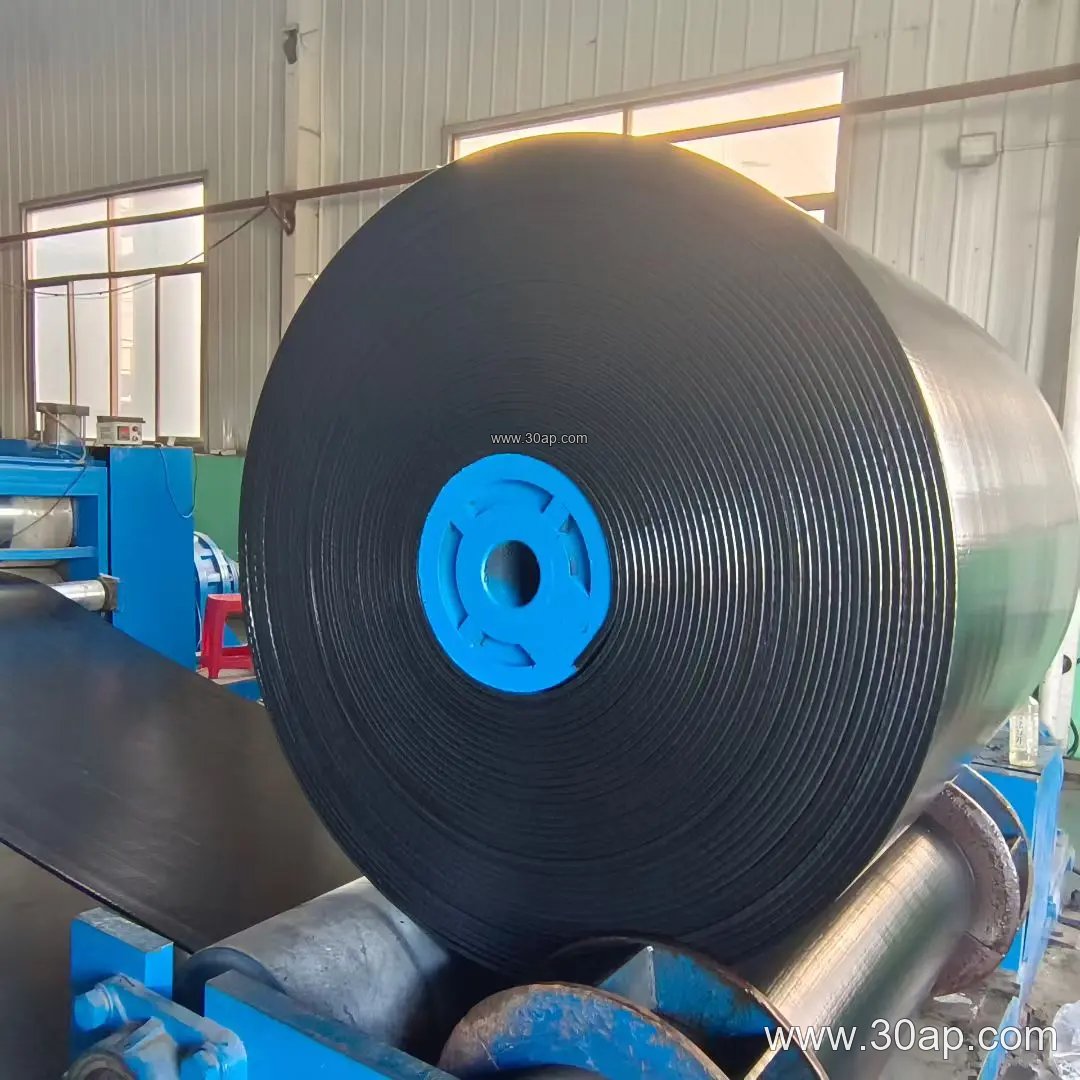
Cover compound and thickness are selected for the material being carried. Common cover builds include 3+1.5 mm, 4+2 mm, 5+2 mm, 6+2 mm, and 8+3 mm, with the first figure being the top cover and the second the bottom cover. A high abrasion resistant conveyor belt may carry a thicker top cover for crushed rock, while a heat resistant conveyor belt needs a compound that tolerates clinker or sinter temperatures. The splice itself must use a compound compatible with the covers so the joint does not become the weak point.
Where Endless Belts Fit in a Plant
Continuous loops are often specified for main haulage and for transfer points where belt life matters more than quick field repair. In an underground coal mining conveyor, a flame retardant conveyor belt with an endless splice reduces the risk of fastener pull-out and keeps the loop running true over the idler roller sets. In a cement plant, an endless belt on the clinker or limestone circuit can be paired with a corrugated sidewall conveyor belt on steep inclines, though the two are different products serving different duties. A pipe conveyor belt is another distinct subtype used where material must be enclosed; it is not a substitute for a standard endless loop.
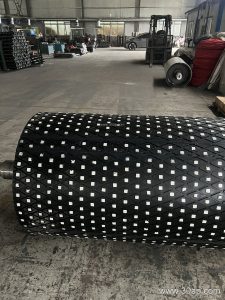
Aggregate operations often run endless belts on primary and secondary crusher discharge, where a heavy-duty conveyor belt with impact-resistant covers absorbs lump feed. Port and ship loading systems favor long endless loops to reduce downtime, and a steel cord belt may be chosen for high tension over long centers. In all these cases the drive pulley, tail pulley, and bend pulleys are separate components with separate duties, and each must be matched to the belt tension and wrap angle by the conveyor designer.
Specifications a Buyer Should Confirm
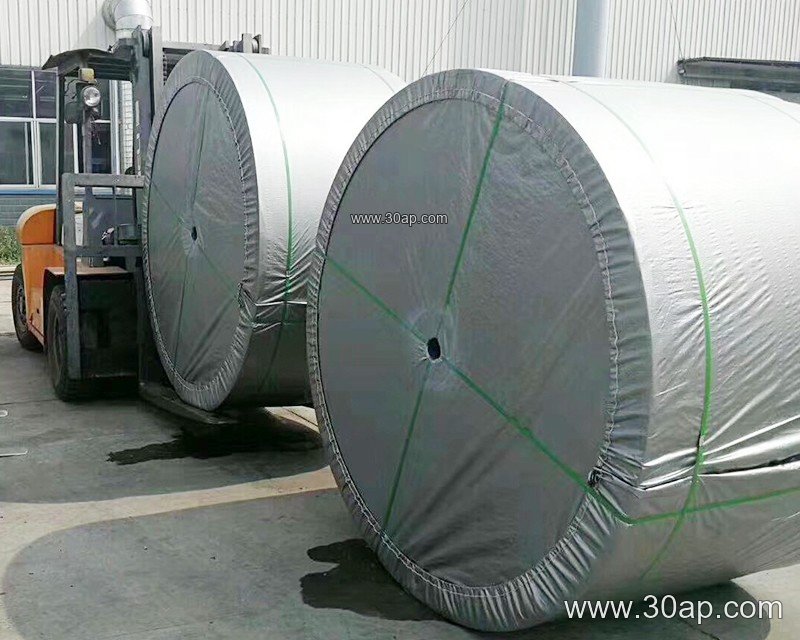
Belt width, carcass grade, cover thickness, and splice method all need to be stated clearly in an inquiry. The table below shows typical reference ranges, not fixed supply promises; final values depend on the conveyor design and the manufacturer.
| Parameter | Common reference values |
|---|---|
| Belt width | B500, B650, B800, B1000, B1200, B1400, B1600, B1800, B2000 mm |
| EP carcass grades | EP200, EP315, EP400, EP500, EP630, EP800, EP1000, EP1250, EP1600, EP2000 |
| Cover thickness | 3+1.5, 4+2, 5+2, 6+2, 8+3 mm |
| Fabric plies | Usually 2 to 6 layers |
| Special properties | Flame retardant, anti-static, oil resistant, cold resistant, acid and alkali resistant |
Buyers should also confirm the centerline distance, pulley diameters, take-up travel, and whether the belt will be spliced on site or supplied as a finished loop. A 1200mm wide belt and a 650mm belt can both be endless, and neither width dictates a single pulley size. Shaft diameter is set by the pulley and conveyor design, not by belt width alone. For abrasive ore, an abrasion resistant conveyor belt or a high abrasion resistant grade is worth discussing; for coal, flame retardant and anti-static properties are usually required. Mentioning the application, such as iron ore, copper ore, gold mining, or quarry rock, helps the supplier recommend the right cover and carcass.
Installation and Care Notes
An endless belt must be handled carefully during installation because the loop cannot be opened. It is usually pulled onto the conveyor with a winch and temporary rollers, then tensioned and tracked. Alignment of the conveyor pulley, idler roller frames, and conveyor bracket supports affects belt training as much as the splice does. Keep the tail pulley and bend pulleys clean, check skirt rubber clearance, and inspect the splice for edge separation during routine stops. Storing the loop on a clean, dry surface and avoiding sharp folds protects the joint before it ever runs.