What a Thermal Power Plant Conveyor Pulley Does
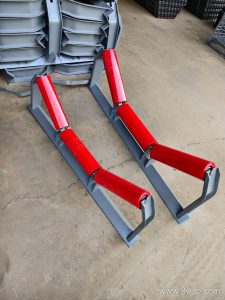
In a coal-fired generating station, the coal handling system moves fuel from stockyard or silo to the boiler bunkers across long inclined galleries. The thermal power plant conveyor pulley is the rotating drum that turns the belt, sets its tension, and shapes its path. It is a driven or non-driven component of the belt conveyor, matched to the conveyor belt, idler roller set, and conveyor bracket that carry the load. The pulley does not carry material itself; it transfers torque and keeps the belt tracking.
Because coal dust, ash, and occasional wet fuel are present, the pulley must be built for dusty, abrasive, and sometimes hot service. A well-chosen drum reduces belt edge damage and lengthens the life of the whole conveying line. Buyers who understand the subtypes and the surface options can specify a drum that fits the duty rather than simply matching a catalogue number.
How the Drum Is Built
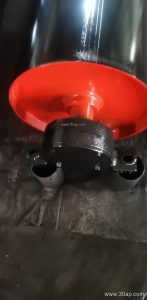
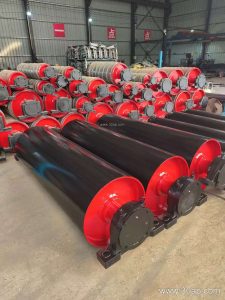
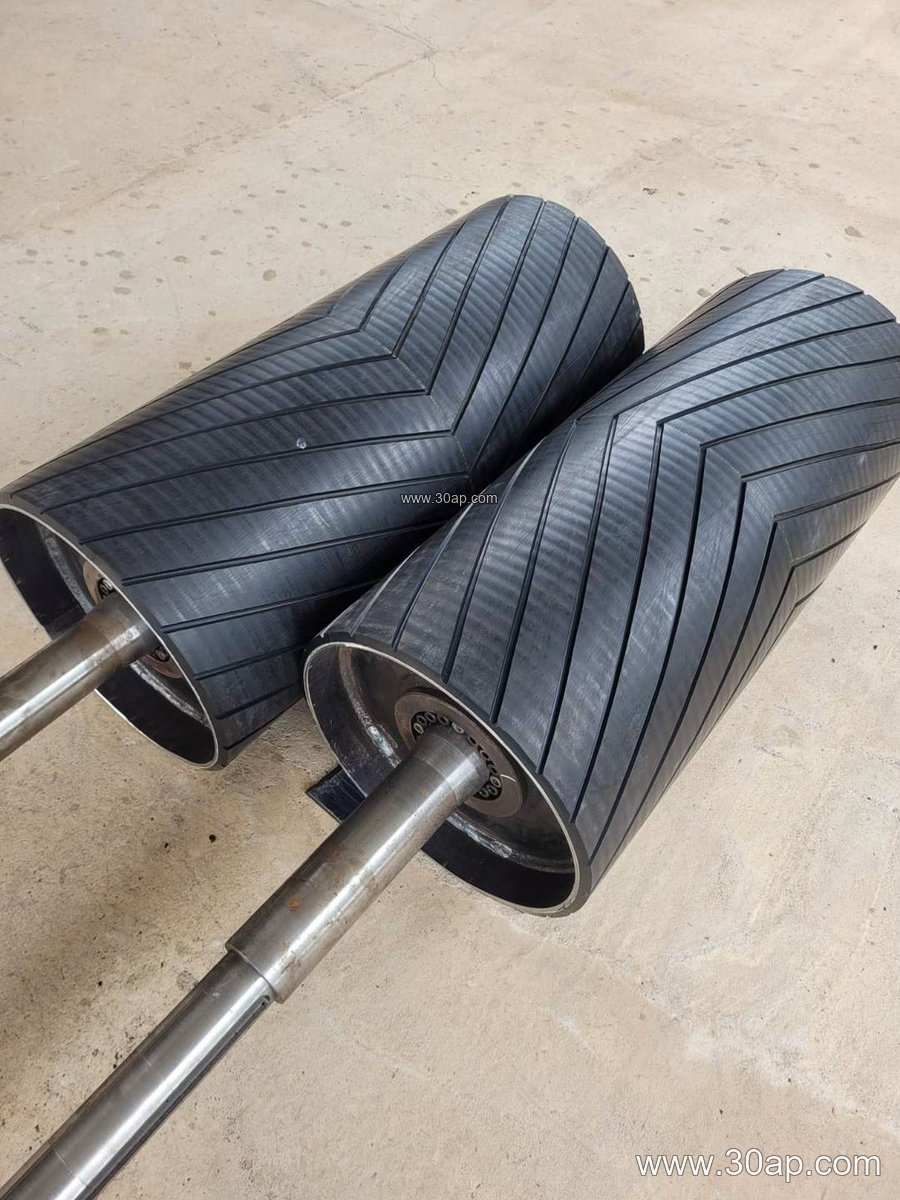
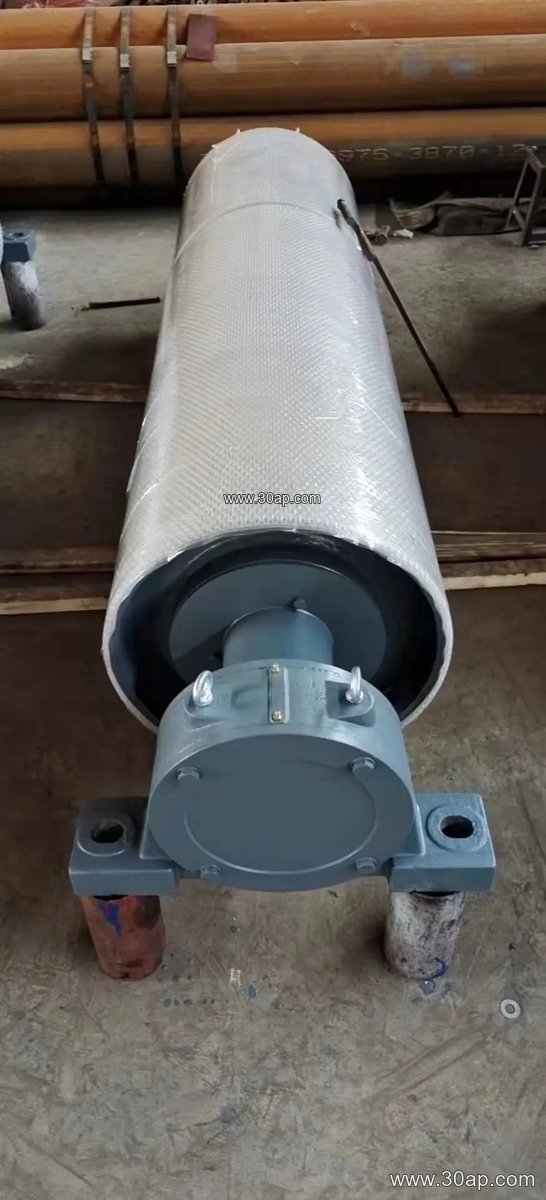
A typical unit consists of a cylindrical shell, two end discs, a shaft, and a hub connection. The shell is usually rolled steel, machined for concentricity, and fitted with lagging on the driving face. The shaft is sized by torque and radial load, not by belt width alone, so a B1200 drum may use a shaft anywhere from Ø120 upward depending on the drive power. Bearings sit in plummer blocks bolted to the conveyor bracket.
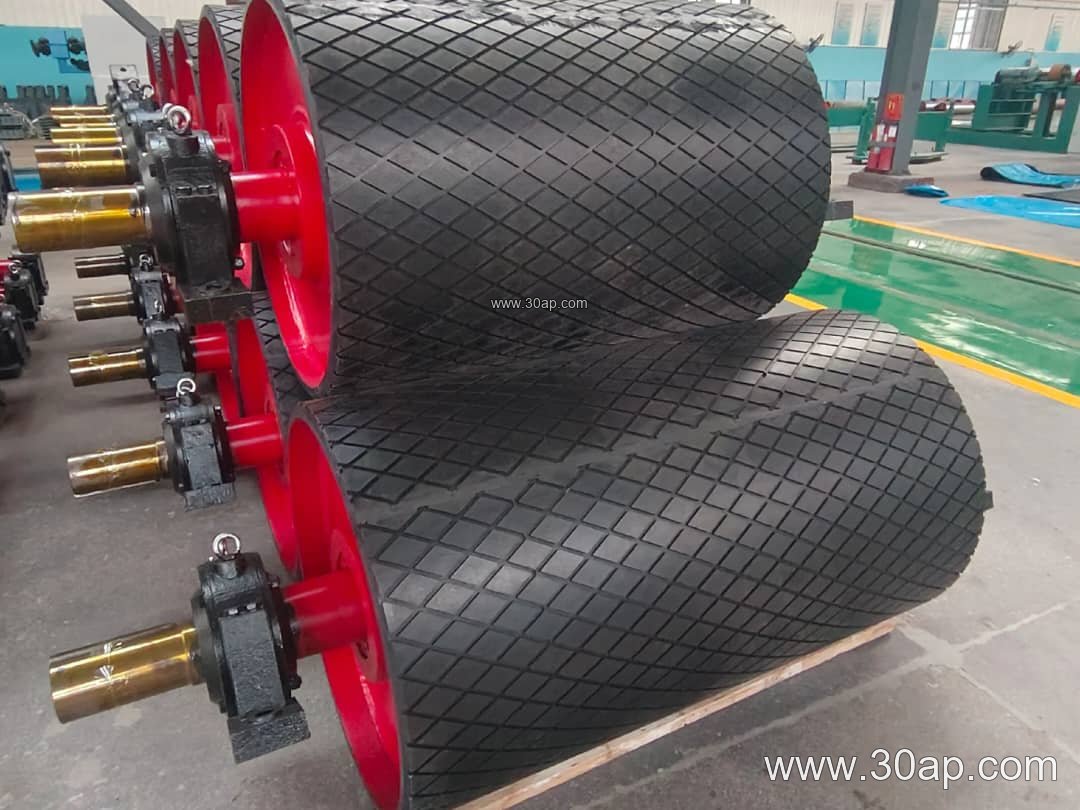
Lagging is the contact layer between drum and belt. Plain, cold-bonded rubber, hot-vulcanised rubber, diamond groove, herringbone, and ceramic tile forms are common. Lagging thickness is often 8, 10, 12, 15, or 20 mm. Diamond and herringbone patterns shed water and fines, while ceramic tiles suit high-traction drives on wet coal. The chosen surface should match the belt cover: a smooth rubber lagging pairs well with a fabric core belt, and a grooved pattern helps a steel cord belt in damp conditions.
Subtypes and Where They Sit
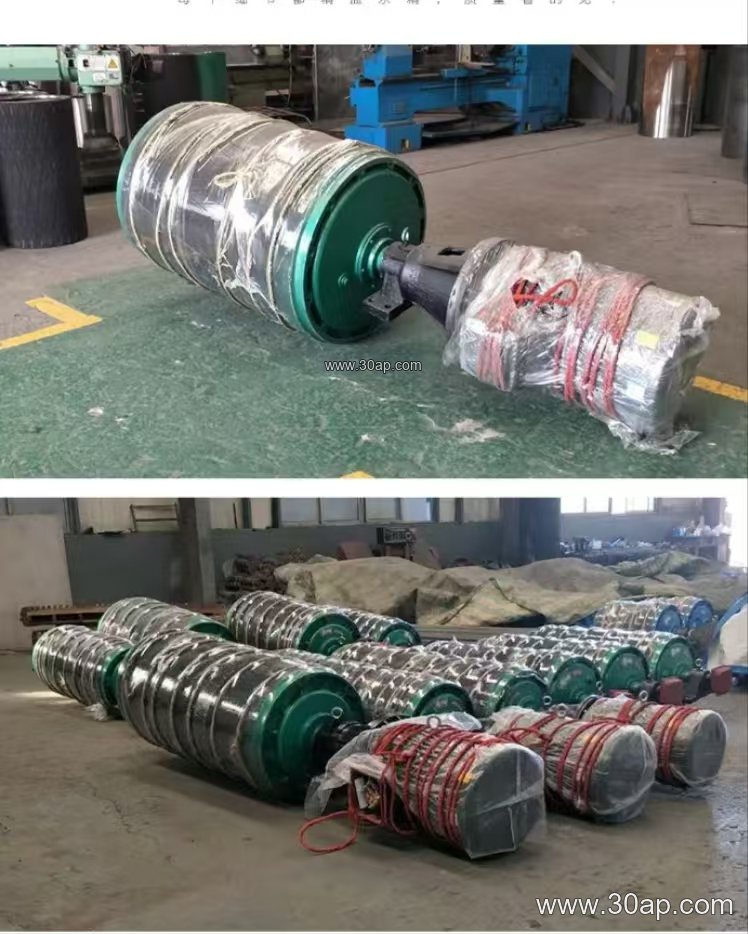
The drive pulley, also called the head or discharge pulley, is the powered drum at the head end. The tail pulley turns at the return end and often carries a tensioning function. A bend pulley changes belt direction without driving, and a take-up pulley maintains tension. These are separate roles and should not be treated as interchangeable names. A snub pulley increases wrap angle on the drive, and a wing pulley is used where sticky material must be shed.
For comparison only, a drive drum with ceramic lagging may be paired with a plain bend pulley downstream, since the bend drum only guides the belt. This distinction matters when ordering spares: a tail pulley and a drive pulley of the same diameter are not drop-in replacements.
Common Reference Dimensions
The table below shows typical combinations seen in power plant coal handling. Values are for orientation only; final size is set by the conveyor design.
| Belt width | Typical drum face width | Common diameters |
|---|---|---|
| B650 | about 750 mm | Ø400, Ø500 |
| B800 | about 950 mm | Ø500, Ø630 |
| B1000 | about 1150 mm | Ø630, Ø800 |
| B1200 | about 1400 mm | Ø800, Ø1000 |
| B1400 | about 1600 mm | Ø1000, Ø1250 |
| B1600 | about 1800 mm | Ø1250, Ø1400 |
Shaft diameters commonly range from Ø50 to Ø200, chosen by torque and bearing load. A B800 × Ø500 drum is a frequent size on medium coal lines, while B1200 × Ø1000 appears on higher-capacity galleries. Do not assume that a given belt width locks the drum to one diameter.
Working With the Belt
The drum and belt form a system. A heat resistant conveyor belt may run near hot ash chutes, and the lagging must tolerate that heat without softening. A flame retardant conveyor belt is usual in underground or enclosed coal routes, and the drum surface should avoid generating static. On abrasive coal, an abrasion resistant conveyor belt paired with ceramic lagging gives good grip with limited slip. Where the belt is an EP conveyor belt or a steel cord conveyor belt, check the recommended minimum pulley diameter from the belt maker before fixing the drum size.
Tracking depends on drum alignment, crown, and lagging condition. A worn or glazed lagging surface causes slip, belt wander, and edge wear, so periodic inspection of the drum face is part of normal maintenance. Keep the idler roller and bracket fixings tight, since a loose bracket can tilt the drum and pull the belt off centre.
Buyer Checklist
- Confirm the duty: drive, tail, bend, or take-up position, since each has different loads.
- State belt width, belt type, and belt tension so the drum face width and shaft can be calculated.
- Choose lagging by environment: diamond or herringbone for wet coal, ceramic for high traction, plain for light duty.
- Ask for the balancing grade, bearing type, and hub locking method.
- Check that the pulley fits the existing conveyor bracket and bearing centres.
- Request a dimensional drawing before production, and keep a spare lagged drum for critical coal lines.
For plant engineers comparing suppliers, a clear specification of drum type, diameter, face width, lagging, and shaft is more useful than a generic request. Visit gyconveyor.com for conveyor pulley references and matching belt, idler roller, and conveyor bracket information.