What a Conveyor Pulley Assembly Does
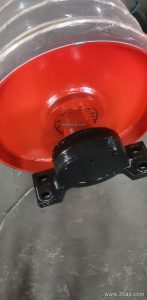
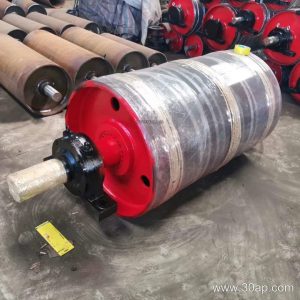
A conveyor pulley assembly is the rotating package that turns a conveyor belt and keeps it tracking under load. It combines the shell, shaft, hubs, end discs, bearing housings, and lagging into one balanced unit that mounts in a conveyor bracket at the head, tail, or intermediate frame. In a quarry or a coal handling plant, this assembly is often the difference between steady output and a belt that wanders, slips, or stalls. The same component is also called a conveyor drum or pulley drum, and the exact duty depends on where it sits in the conveyor layout.
Drive, tail, and bend pulleys are distinct roles, not interchangeable names. A drive pulley transmits torque from the gearbox to the belt, a tail pulley returns the belt at the loading end, and a bend pulley changes belt direction without driving. Each role places different demands on shaft size, lagging, and bearing selection.
How the Assembly Is Built
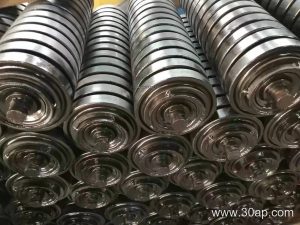
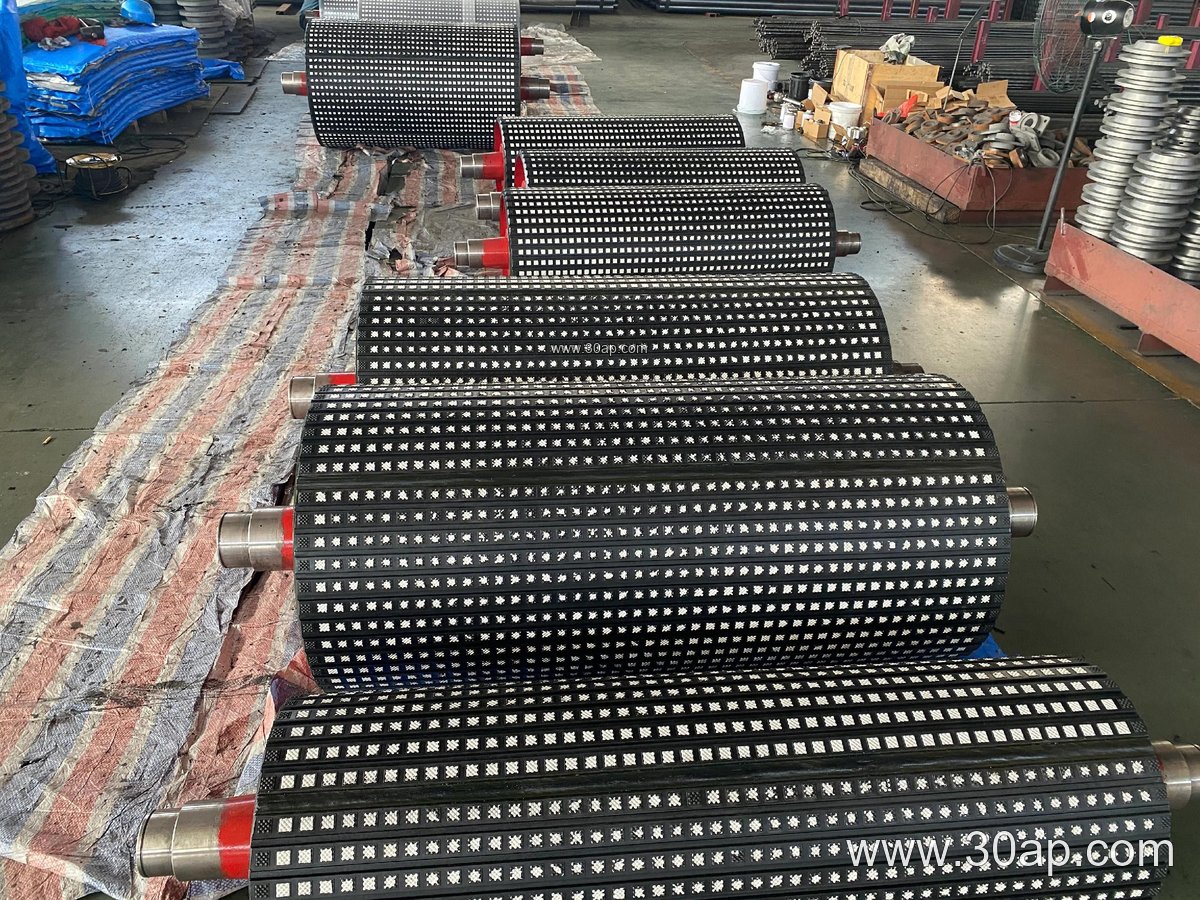
Most units start with a welded steel shell machined to a slight crown, which helps the belt center itself. The shaft is pressed and keyed into hubs, and end discs close the shell. Bearing housings are fitted with spherical roller bearings, grease seals, and covers that suit dusty or wet conditions. Surface treatment is a major choice: plain finish, hot-vulcanized rubber, cold-bonded rubber, diamond grooving, chevron grooving, or ceramic lagging. Common lagging thicknesses are 8, 10, 12, 15, and 20 mm, selected by slip risk and abrasion level rather than by habit.
Shell width normally exceeds belt width so the belt has margin at each edge. Typical references include B400 with about a 500 mm face, B800 with about 950 mm, and B1200 with about 1400 mm. Diameter is a design decision too: Ø500 suits many medium-duty tail positions, while Ø800 or Ø1000 appears on larger head drives. A B1200 × Ø1000 drive or a B1400 × Ø800 bend unit is a normal combination where torque and wrap angle call for it. No belt width is locked to a single diameter.
Where These Assemblies Are Used
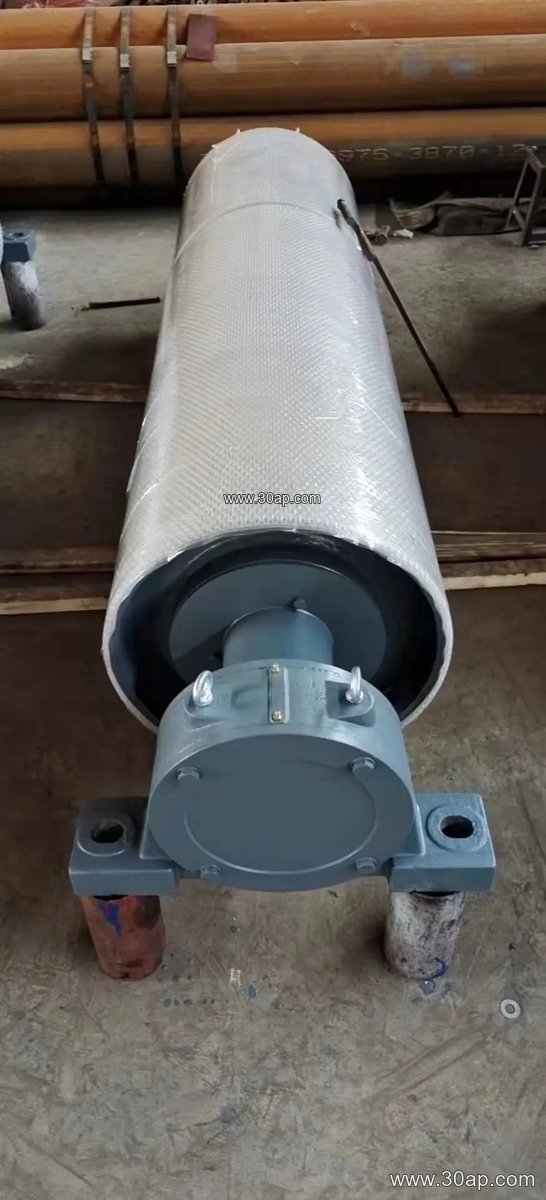
In a limestone mine, the head pulley assembly on the main overland conveyor wears hard, so abrasion resistant lagging pays for itself. In a coal preparation plant, flame retardant conveyor belt runs alongside the pulley, and the assembly must resist fines entering the seals. Cement plant clinker lines, power plant coal yards, iron ore terminals, and aggregate crushing circuits all rely on these drums to keep material moving. A pipe conveyor belt installation uses bend pulleys to form and hold the tube, while a steel cord conveyor belt line usually needs a larger drive drum to handle higher tension.
The assembly must match its belt partner. A heavy-duty mining conveyor belt carries more tension than a lightweight fabric core belt, and a chevron conveyor belt or corrugated sidewall conveyor belt may need special clearance at the tail. Matching lagging hardness to the belt cover reduces wear on both sides.
Mounting Position Changes the Specification
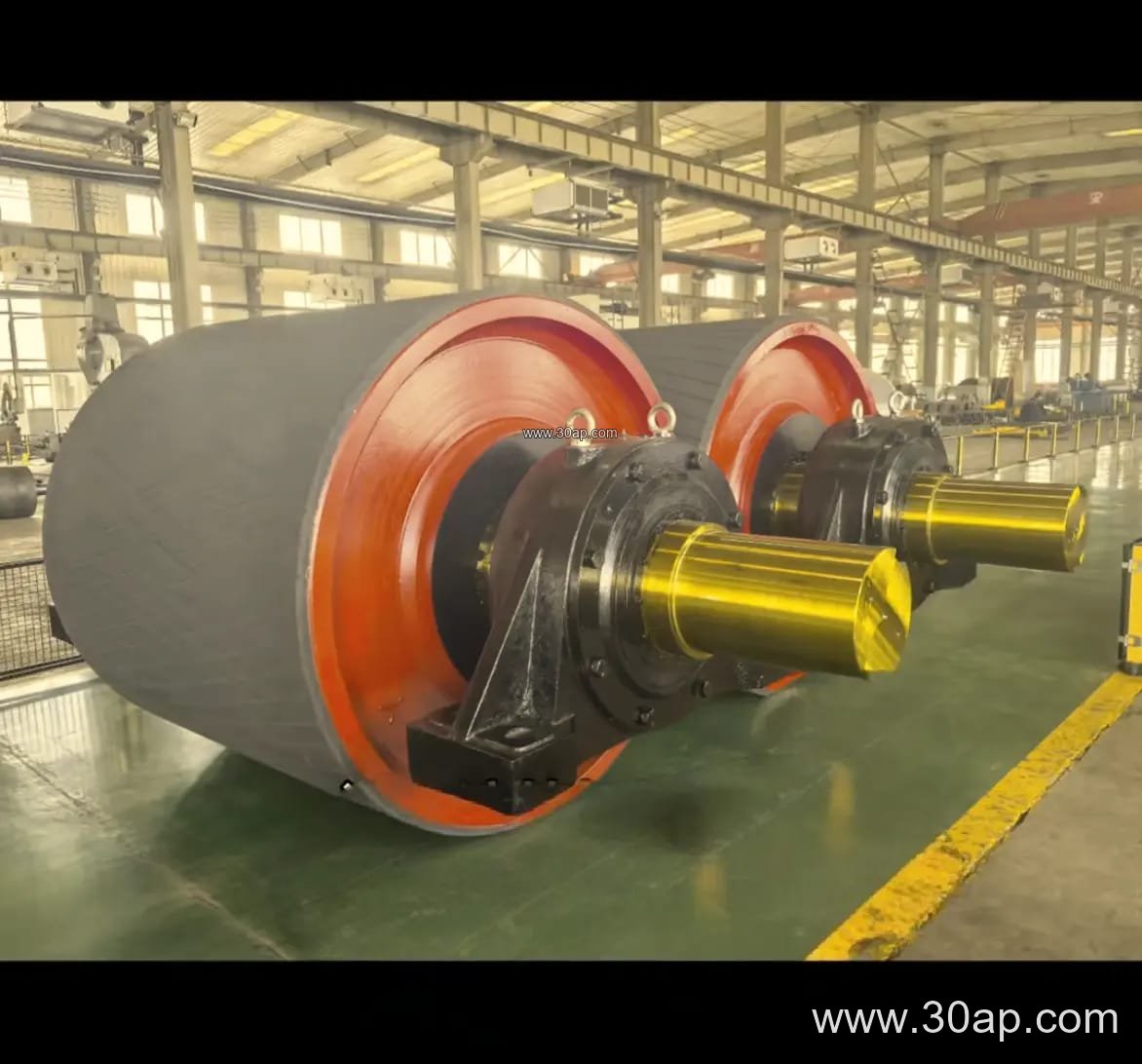
A drive pulley in a head position usually carries the highest torque load and needs the largest shaft within the design. A tail pulley spends more time in the material stream and benefits from robust seals and abrasion resistant lagging. A bend pulley handles wrap angle and direction change, so its diameter and bearing capacity are set by belt path geometry. Tension pulleys on a take-up frame add stroke and alignment requirements. Buyers should state the position clearly, because a drive drum cannot be swapped for a bend drum without recalculating load and wrap.
What Buyers Should Check Before Ordering
- Belt width, belt type, and belt tension, since a steel cord conveyor belt or high strength conveyor belt raises shaft and bearing demands.
- Required diameter and face width as a design pair, not a catalog guess.
- Shaft diameter determined by torque and load; common sizes run from Ø50 to Ø200, but the value must follow the calculation.
- Lagging form and thickness, whether plain, diamond, chevron, or ceramic, and whether hot-vulcanized bonding is needed.
- Bearing type, sealing arrangement, and lubrication method for dusty or wet sites.
- Balance grade, runout, and keyway details for smooth running at speed.
- Compatibility with the conveyor bracket and take-up frame dimensions.
Good maintenance practice includes checking lagging wear, watching for belt mistracking, greasing bearings on schedule, and inspecting seals after washdown. A worn assembly often shows up first as edge wear on the belt or as noise from a bearing housing.
Keeping the Whole Conveyor in Balance
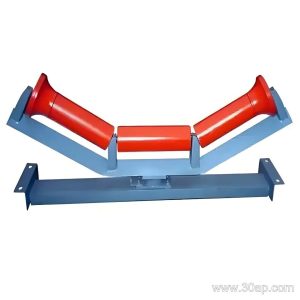
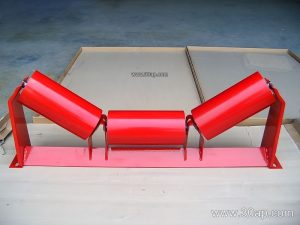
The pulley assembly works with the idler roller set, the conveyor bracket, and the belt itself. On a long overland line, a single misaligned drum can shorten the life of an entire conveyor belt. Specify by duty and position, confirm dimensions with the conveyor designer, and treat lagging and shaft size as engineering choices rather than fixed defaults.