What a PVG Conveyor Belt Is
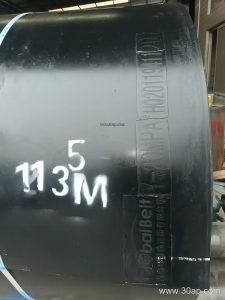
A PVG conveyor belt is a solid-woven, rubber-covered belt designed for tough conveying duties where both mechanical strength and flame resistance matter. The core is a single-ply woven fabric construction, saturated and coated with rubber during manufacture, which gives the belt a compact, monolithic cross-section rather than the layered look of a multi-ply EP conveyor belt or an NN conveyor belt. In coal mining and other underground operations, this construction is often chosen because it combines tensile strength with controlled flame spread and anti-static behaviour.
Buyers will meet the product under several accurate names: PVG conveyor belt, PVC/PVG solid woven belt, and fire-resistant solid woven conveyor belt. All refer to the same family. The PVG800 and PVG800S designations, for example, are common strength classes within that family, where the letter S typically marks a variant with enhanced safety properties. Exact values should always be confirmed with the manufacturer.
How the Belt Is Built
The body of a PVG belt starts with a woven fabric carcass that carries the load. Rubber compounds are then pressed into and onto the fabric so the cover and core act as one piece. This differs from a Multi-Ply Fabric Core Conveyor Belt, where several separate plies are bonded together and delamination between layers can become a service issue.
Construction details that matter to a buyer include:
- Cover rubber grade: abrasion resistant, flame retardant, anti-static, or oil resistant compounds are common options.
- Cover thickness: often expressed as top plus bottom, for example 3+1.5 mm, 4+2 mm, or 6+2 mm, depending on lump size and impact.
- Belt thickness and mass per square metre, which influence pulley and idler roller selection.
- Edge construction, since clean, sealed edges resist water and fines ingress in wet underground conditions.
Where PVG Belts Are Used
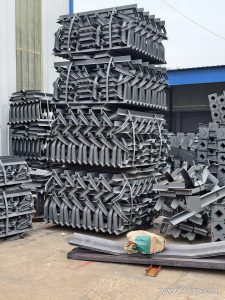
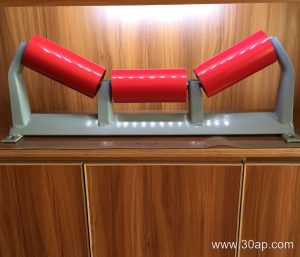
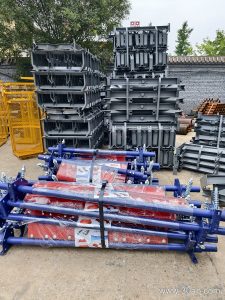
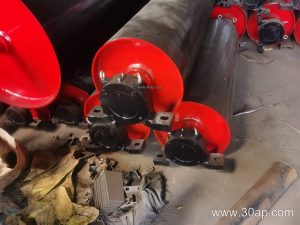
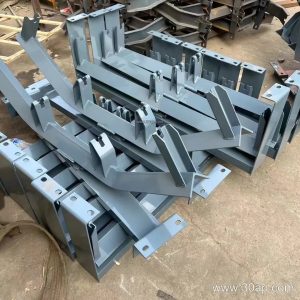
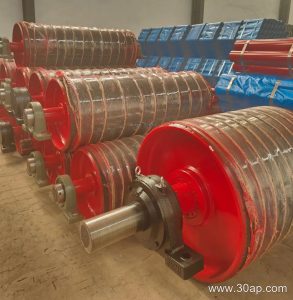
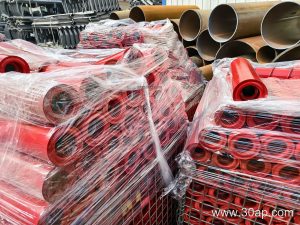
The main home of this belt is underground coal mining, where flame retardant and anti-static properties are usually required. It also appears in coal preparation plants, power plant coal yards, and tunnel or shaft conveying. In these environments the belt runs on a conveyor pulley at the drive and tail positions, supported by idler rollers mounted on conveyor brackets along the structure. Drive, tail, and bend pulleys each perform a different job and are not interchangeable; the belt specification must suit each pulley diameter and the wrap angle involved.
Beyond coal, a PVG belt can serve cement plants, gypsum and salt handling, and some sand and gravel circuits where fire risk or space limits favour a thin, strong solid woven belt. For very long overland routes or high tonnage primary crushing, a Steel Cord Conveyor Belt or a high-strength EP conveyor belt such as EP1000 or EP1250 is often a better fit, but those are different products and should not be treated as substitutes for PVG.
Common Reference Data
The table below collects typical reference values. They are indicative only and vary between manufacturers and between individual belt designs.
Strength and Width References
| Parameter | Typical reference range |
|---|---|
| Strength class | PVG800, PVG800S, and comparable grades |
| Belt width | B650, B800, B1000, B1200, B1400, B1600 |
| Cover thickness | 3+1.5 mm, 4+2 mm, 5+2 mm, 6+2 mm |
| Core | Single-ply solid woven fabric |
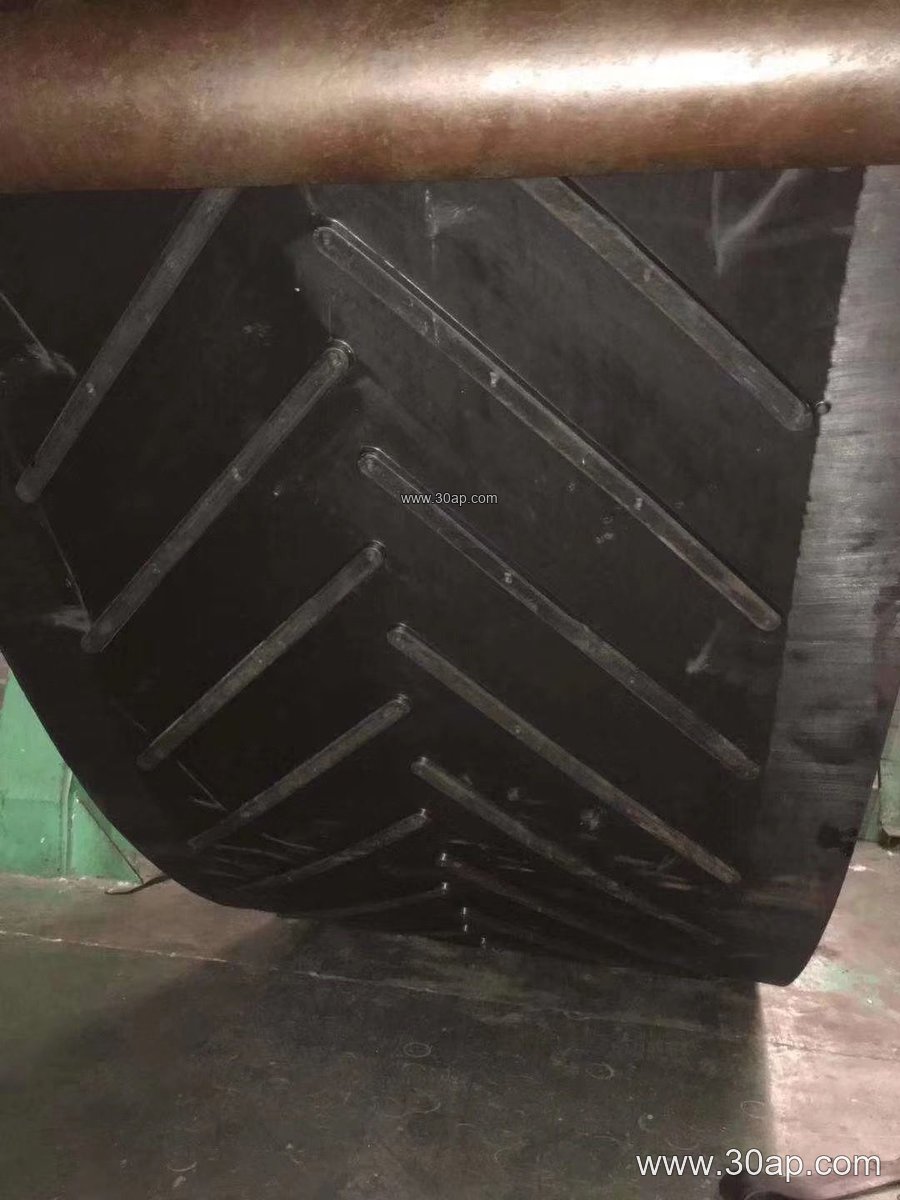
| Surface options | Smooth cover, chevron top cover where slope grip is needed |
Note that belt width and pulley diameter are matched by conveyor design calculation, not by a fixed rule. A 1000mm or 1200mm belt may run on quite different pulley sizes depending on tension and duty.
Selection and Maintenance Notes
When specifying a PVG conveyor belt, state the material, lump size, capacity, troughing angle, and the smallest pulley in the system. Check that the flame retardant and anti-static grade suits the site rules, and confirm cover thickness against impact from the feed point. Where the belt must grip on an incline, a Chevron Conveyor Belt may be considered, but for underground coal duty the flat PVG grade usually remains the reference product.
On the conveyor itself, keep idler rollers turning freely, inspect lagging on the drive pulley, and check that skirt rubber does not press too hard on the cover. A belt tracking badly against the tail pulley or rubbing a bend pulley will wear quickly regardless of cover quality. Splicing should follow the belt maker’s method for solid woven construction; vulcanised joints are common, and mechanical fasteners may be used for short temporary runs.
For buyers sourcing from a Chinese industrial supplier, ask for the strength class, cover thickness, width, roll length, and the fire and anti-static test reports together on one data sheet. That single sheet makes comparison between offers far easier and reduces the risk of receiving a PVC conveyor belt when a PVG grade was intended.