What a PVG Conveyor Belt Is
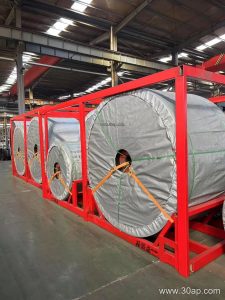
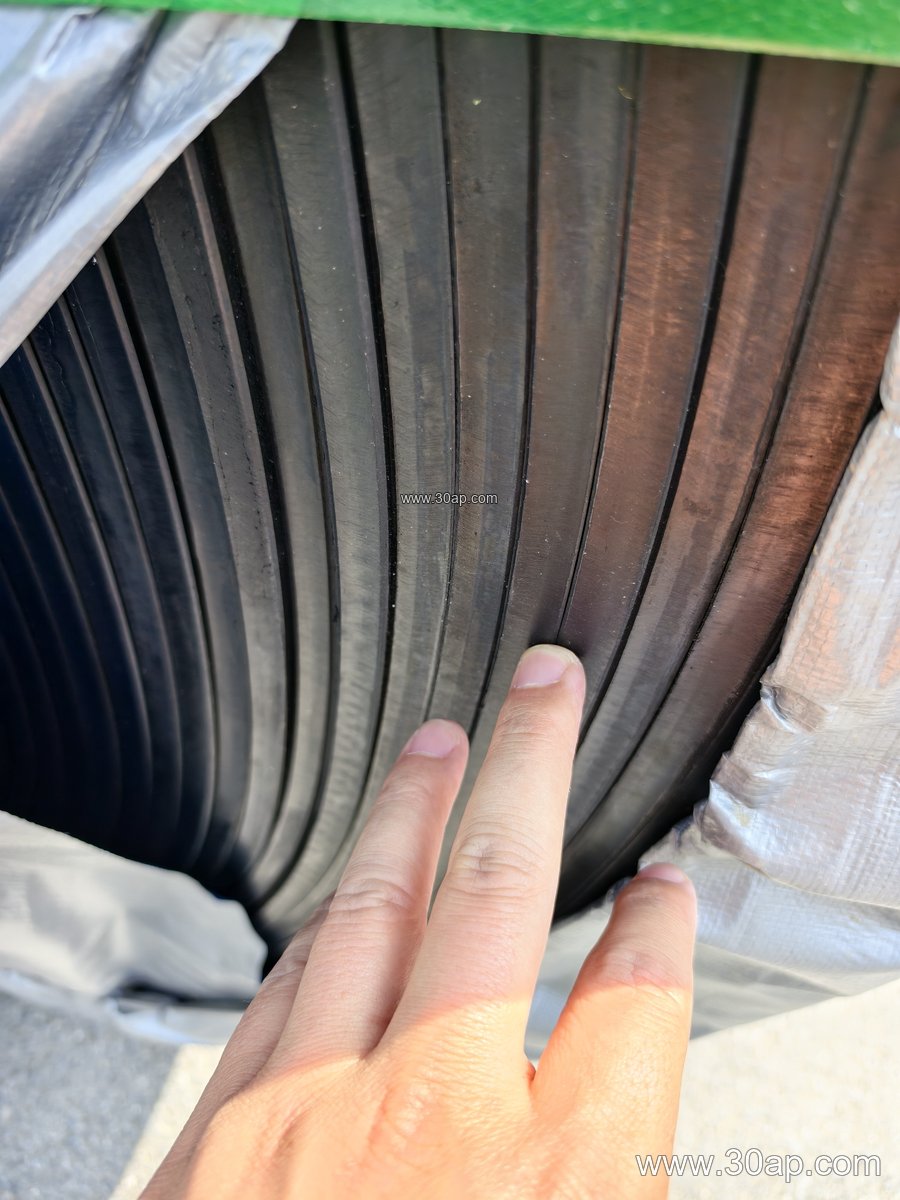
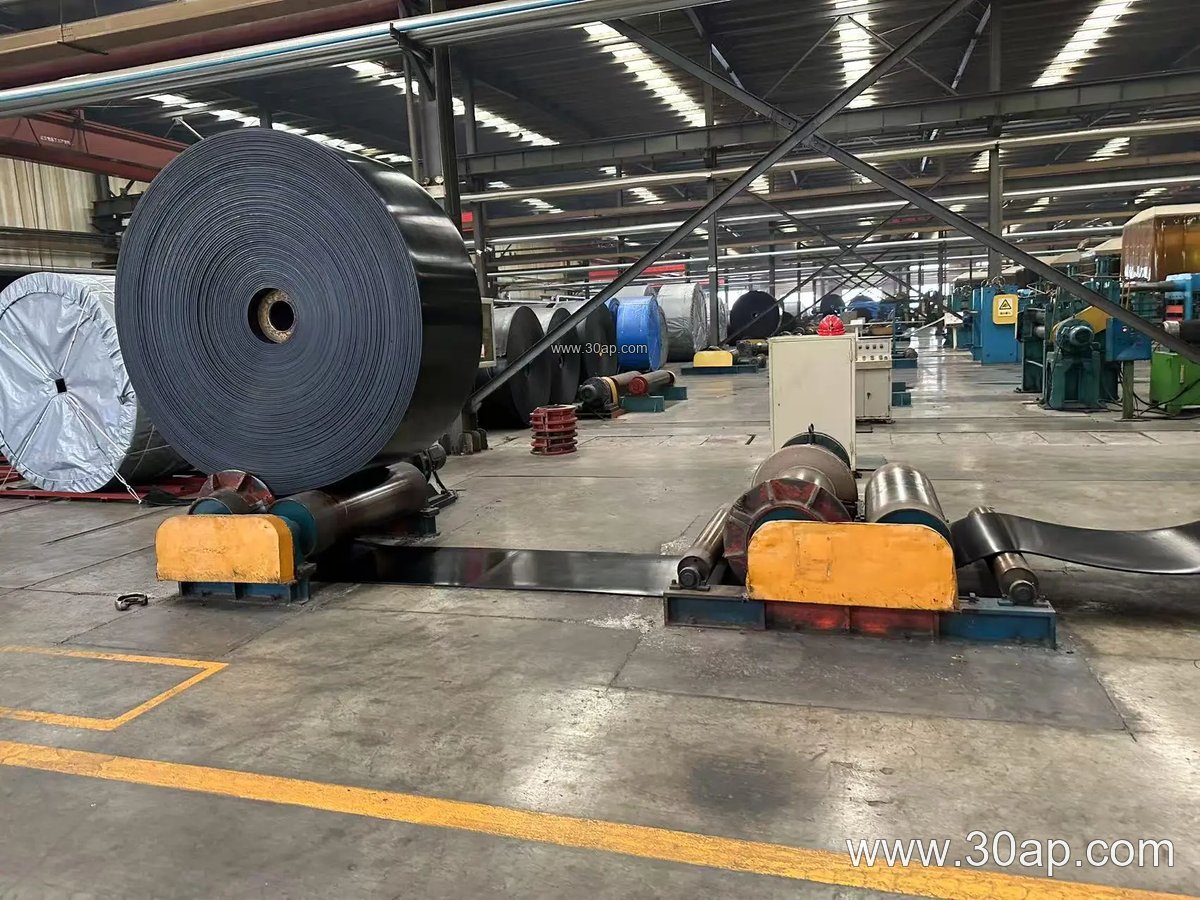
A PVG conveyor belt is a solid-woven, rubber-covered belt built for tough conveying duties where both strength and fire safety matter. The name is often written out as a PVC/PVG solid woven conveyor belt, and buyers in mining and heavy industry may also call it a PVG800 or PVG800S belt depending on the construction and cover grade they need. Unlike a Multi-Ply Fabric Core Conveyor Belt, which stacks several fabric plies and bonds them with rubber, the PVG belt uses a single solid woven carcass impregnated and coated with PVC or PVG compound. That construction gives it good resistance to tearing, impact and moisture, and it can be finished as a Flame Retardant Conveyor Belt and Anti-Static Conveyor Belt for underground work.
How the Belt Is Built
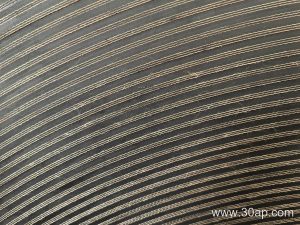
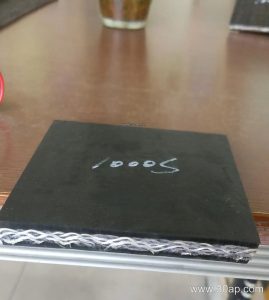
The carcass is a tightly woven fabric that carries the tension load. It is dipped and coated so the weave is fully sealed, then covered with rubber or PVC-based compound on the carrying and pulley sides. Cover thickness is usually quoted as a pair of figures, for example 3+1.5 mm, 4+2 mm or 6+2 mm, where the first number is the top cover and the second is the bottom cover. The result is a belt that resists abrasion, keeps its shape under impact and does not delaminate easily. Because the solid woven body is thin compared with a Steel Cord Conveyor Belt, it bends around smaller pulleys and suits tighter conveyor layouts.
Where It Fits in the Plant
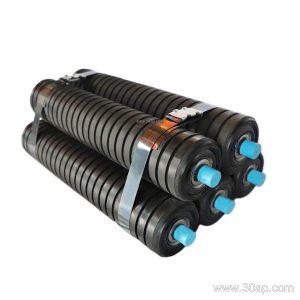
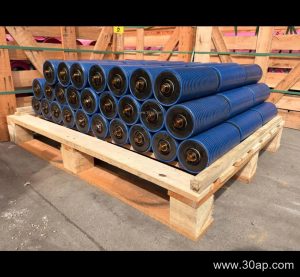
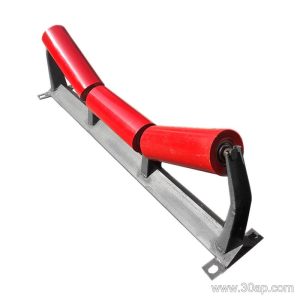
PVG belts are common in coal mining, underground coal mining, power plants, cement works, quarries and sand and gravel yards. They handle ROM coal, crushed stone, aggregate, ore and other bulk material on main haulage and transfer conveyors. In these circuits the belt runs over idler roller sets and turns around a drive pulley, a tail pulley and bend pulleys, with conveyor brackets holding the frame together. The fire-resistant and anti-static grades are especially relevant underground, where a spark or a stalled belt can be a serious risk. A Heat Resistant Conveyor Belt or Oil Resistant Conveyor Belt may be a better fit when the cargo itself is hot or oily, so the duty should always be checked before ordering.
Common Reference Data
The values below are typical references only. Actual figures depend on the manufacturer and on the conveyor design, so they should be confirmed against the project specification.
- Belt types: PVG solid woven, with PVG800 and PVG800S as common designations
- Belt widths: B500, B650, B800, B1000, B1200, B1400, B1600, B1800
- Cover combinations: 3+1.5 mm, 4+2 mm, 5+2 mm, 6+2 mm, 8+3 mm
- Typical carcass: solid woven fabric, usually 1 to 2 woven layers in the core
- Related grades: flame retardant, anti-static, abrasion resistant
| Item | Typical Reference |
|---|---|
| Product | PVG Conveyor Belt |
| Common model | PVG800, PVG800S |
| Belt width | B500 to B1800, wider by design |
| Top / bottom cover | 3+1.5 mm to 8+3 mm |
| Core | Solid woven fabric |
| Safety grades | Flame retardant, anti-static |
Buyer Checklist
Start with the material, the lump size and the throughput, then match the belt to the conveyor. A belt width must suit the load and the troughing idlers, but no single width is tied to one pulley diameter; the drive pulley, tail pulley and bend pulleys are sized from belt tension, wrap angle and the conveyor layout, not from width alone. Check the minimum pulley diameter allowed for the selected belt, the cover thickness needed for abrasive rock, and whether fire resistance and anti-static properties are required. On long, high-tension routes a Steel Cord Conveyor Belt may be the stronger option, while a short transfer might use an EP Conveyor Belt or NN Conveyor Belt. For steep inclines, a Chevron Conveyor Belt gives extra grip, and a Corrugated Sidewall Conveyor Belt contains material on inclines where a flat belt would spill.
Installation and Maintenance Notes
Store the roll on a clean, dry surface and avoid sharp bends. During installation, keep the belt square to the frame, check that every idler roller turns freely and that the conveyor pulley faces are clean. Track the belt at low speed before loading, and recheck tension after the first few shifts. Inspect the covers for cuts, edge wear and exposed carcass, and repair small damage early so moisture cannot reach the weave. Keep the belt cleaner and the skirt rubber adjusted so material does not lodge and wear the surface. With reasonable care, a PVG belt gives long service in dusty, wet and fire-sensitive environments.